
info@jxgreentape.com
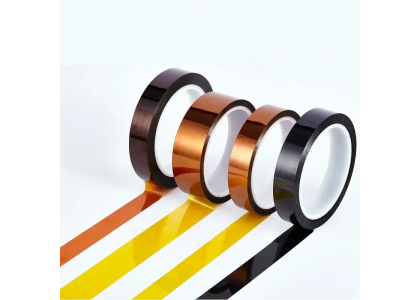
Overview: The Importance of Kapton Tape in Rigid Flex PCB Defect Prevention
Best Practices in Polyimide Tape Selection
Tailored Solutions: Customized Kapton Tapes for Precision Defect Prevention
Cost-Efficiency in Bulk Order Polyimide Tape
Ensuring High-Quality Results with High Performance PI Tape
The Role of Trusted Suppliers in Kapton Tape Procurement
Case Study 1: Success with Kapton Tapes in High-Volume Production
Case Study 2: Overcoming Challenges in Defect Prevention with Polyimide Film
Summary: Optimizing Kapton Tape Usage in PCB Manufacturing
In rigid-flex PCB production, masking strategy is a small investment with outsized returns: fewer solder bridges, cleaner vias, and far fewer returns. At the heart of targeted masking is the right material choice. Kapton Tape (polyimide film tape) is widely used because it tolerates the thermal shock of soldering, resists solvents and cleaners, and peels cleanly when specified correctly. When engineers combine appropriate masking patterns with quality tape, they control variables that otherwise cause delamination, shorts, and contamination on rigid-flex substrates. This article explains selection criteria, practical application methods, supplier qualification steps and short case studies that show how targeted masking with Kapton Tape reduces defects while keeping production efficient.
Choosing the correct Polyimide Tape starts with three technical checks: film grade, adhesive chemistry, and process compatibility.
Film grade — look for polyimide films with proven thermal stability and dimensional control. For many lead-free reflow processes choose films whose continuous use temperature is comfortably above your peak reflow (typical lead-free peaks are ~260°C). Thin films (12–25 µm) conform well to flex traces; thicker grades (50–75 µm) offer more mechanical protection for handling and routing.
Adhesive chemistry — silicone adhesives handle high peak temperatures with minimal residue; they are the preferred adhesive for most rigid-flex masking. Acrylic adhesives can be acceptable for lower-temperature processes but may char or leave residue during aggressive profiles. Evaluate tack (initial grab) and peel (removal force) both at room temperature and after thermal cycling.
Process compatibility — confirm the tape tolerates flux chemistry, conformal coating processes, and cleaning solvents you use. Ask for ionic contamination and outgassing data; for sensitive flex circuits low ionic extractables matter.
Practical tip: establish a short qualification matrix: peel-after-reflow, visual residue check under 50×, and functional test of protected traces. That will quickly reveal unsuitable combinations.
Standard rolls solve many problems, but complex rigid-flex designs often benefit from Customized Kapton Tapes. Customization can include:
A tailored tape reduces handling errors and accelerates placement in high-mix lines. When a tape exactly fits the geometry, peel forces are more uniform and the risk of adhesive squeeze-out into vias or pads is reduced.
Engineer’s note: involve your tape supplier early. Collaborative design of die-cuts or adhesive patterns during NPI can shave weeks off troubleshooting later.
For medium to high volumes, Bulk Order Polyimide Tape delivers material cost savings and inventory stability. Benefits include:
Procurement best practice: verify lot certificates and request production test reports (thermal stability, adhesive peel tests). Negotiate sample lots for qualification before committing to a full bulk order. Also consider staggered deliveries tied to quality acceptance to reduce inventory risk.
Using a high performance PI tape across the line is more than a materials choice — it’s process insurance.
Application best practices:
Testing recommendations:
Documented results make audits easier and support continuous improvement. Track defect types pre- and post-implementation to quantify ROI.
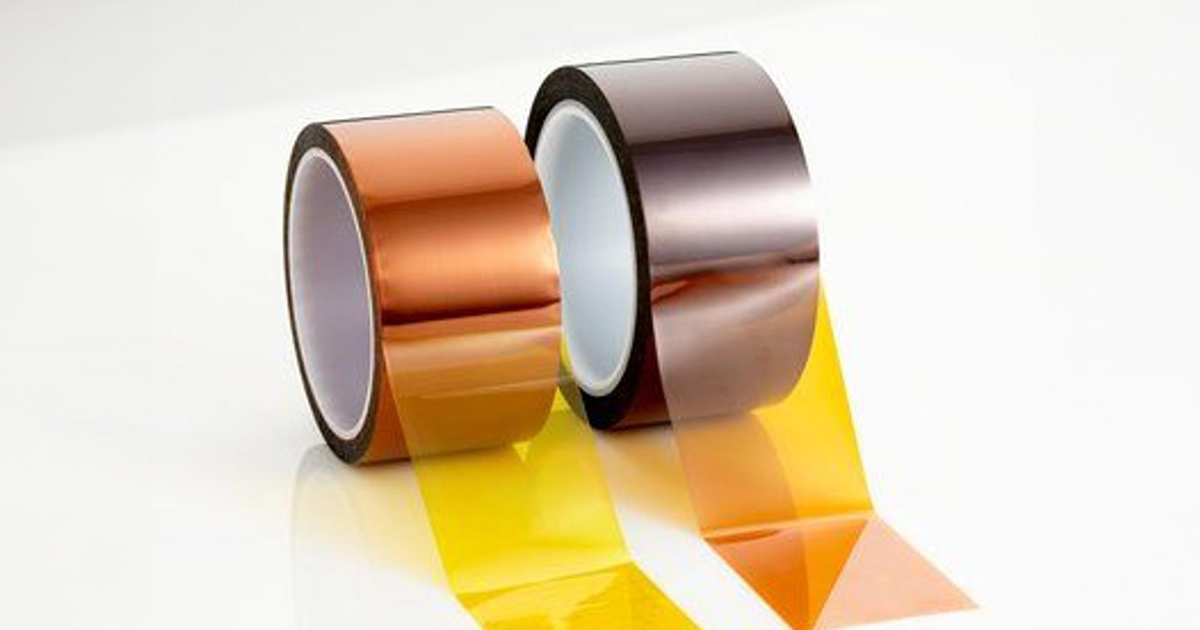
Supplier selection affects both performance and traceability. Look for suppliers who offer:
Ask suppliers for references in rigid-flex or high-reliability sectors. A responsive technical team that can help you specify adhesives and film grades is often the difference between a one-time purchase and a long-term partner.
A contract manufacturer producing rigid-flex assemblies for wearables struggled with intermittent solder bridges on flex tails. After lab analysis they switched to a thinner Polyimide Tape with a silicone adhesive optimized for their 245°C reflow profile and introduced die-cut masks for each flex connector. Results over a three-month run: a 78% reduction in solder-bridge defects and a 32% decrease in rework labor. The die-cuts also reduced operator cycle time on placement by 40%.
A small OEM making aerospace sensor modules had lamination bubble failures and occasional shorting near multilayer flex transitions. Engineers trialed Customized Kapton Tapes with adhesive channels to vent air during lamination. They qualified Bulk Order Polyimide Tape for production after thermal vacuum testing showed no outgassing. The change eliminated lamination bubbles entirely and improved first-pass yield by 15%—critical for a low-volume, high-cost product.
Targeted masking is a high-leverage activity in rigid-flex PCB production. Choose the right Polyimide Tape for your thermal profile and handling needs, consider Customized Kapton Tapes when geometry or process complexity demands it, and negotiate sensible terms when placing a Bulk Order Polyimide Tape to keep costs predictable. Validate candidate tapes with short, focused tests (peel after reflow, residue inspection, ionic tests) and work closely with suppliers who can provide data and tailored services. Doing so reduces defects, lowers rework, and yields measurable improvements in throughput and product reliability.