info@jxgreentape.com
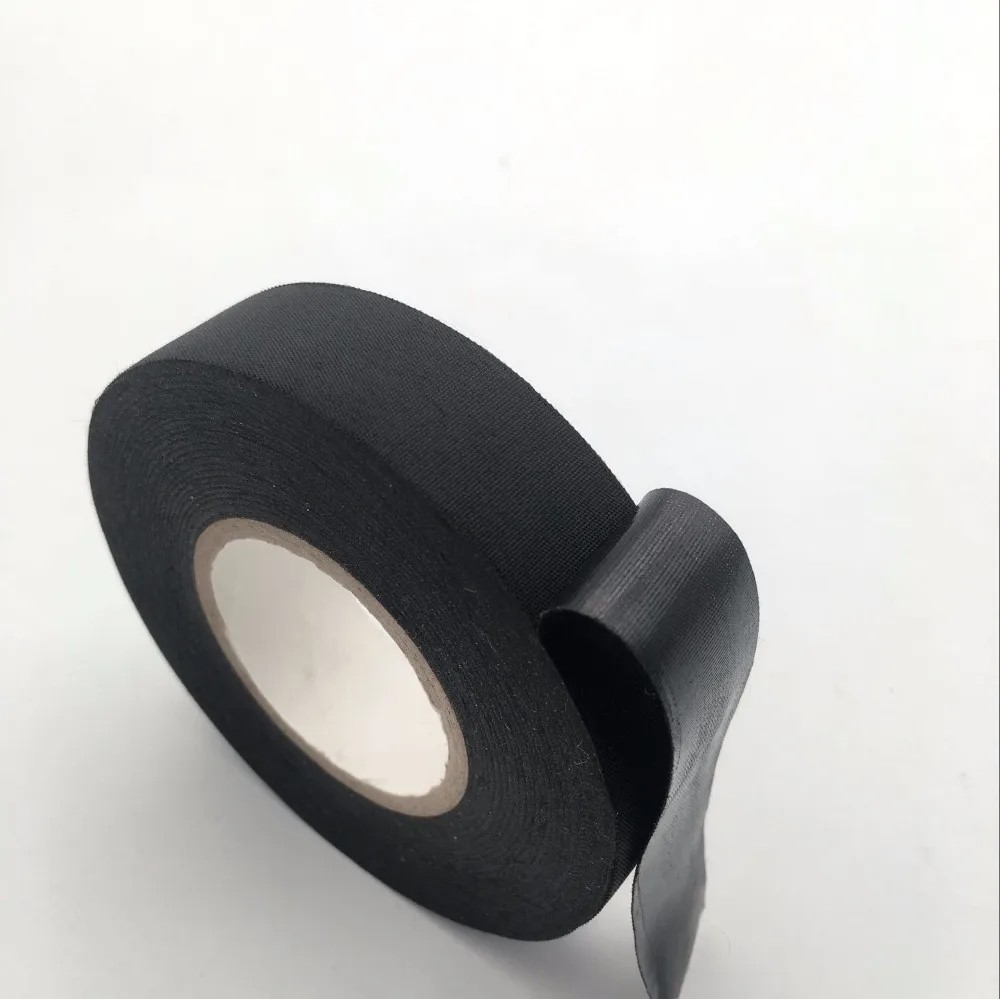
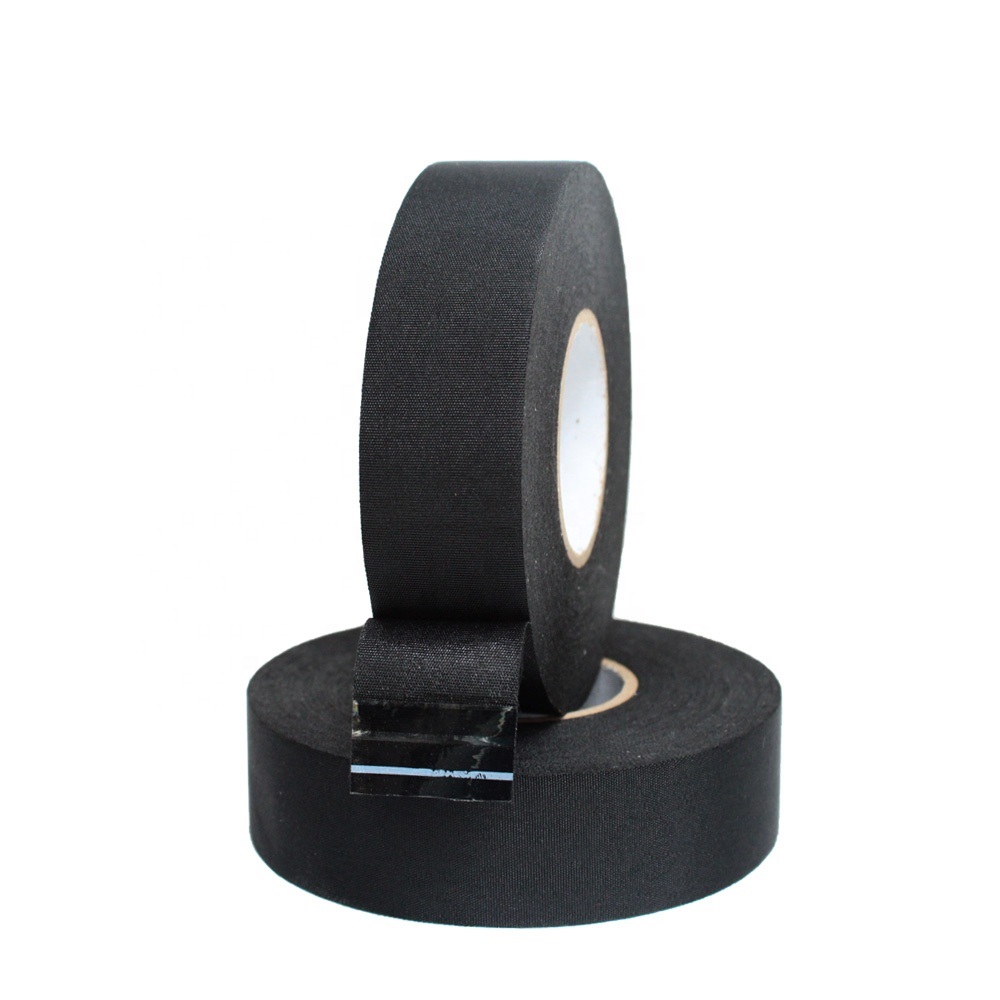
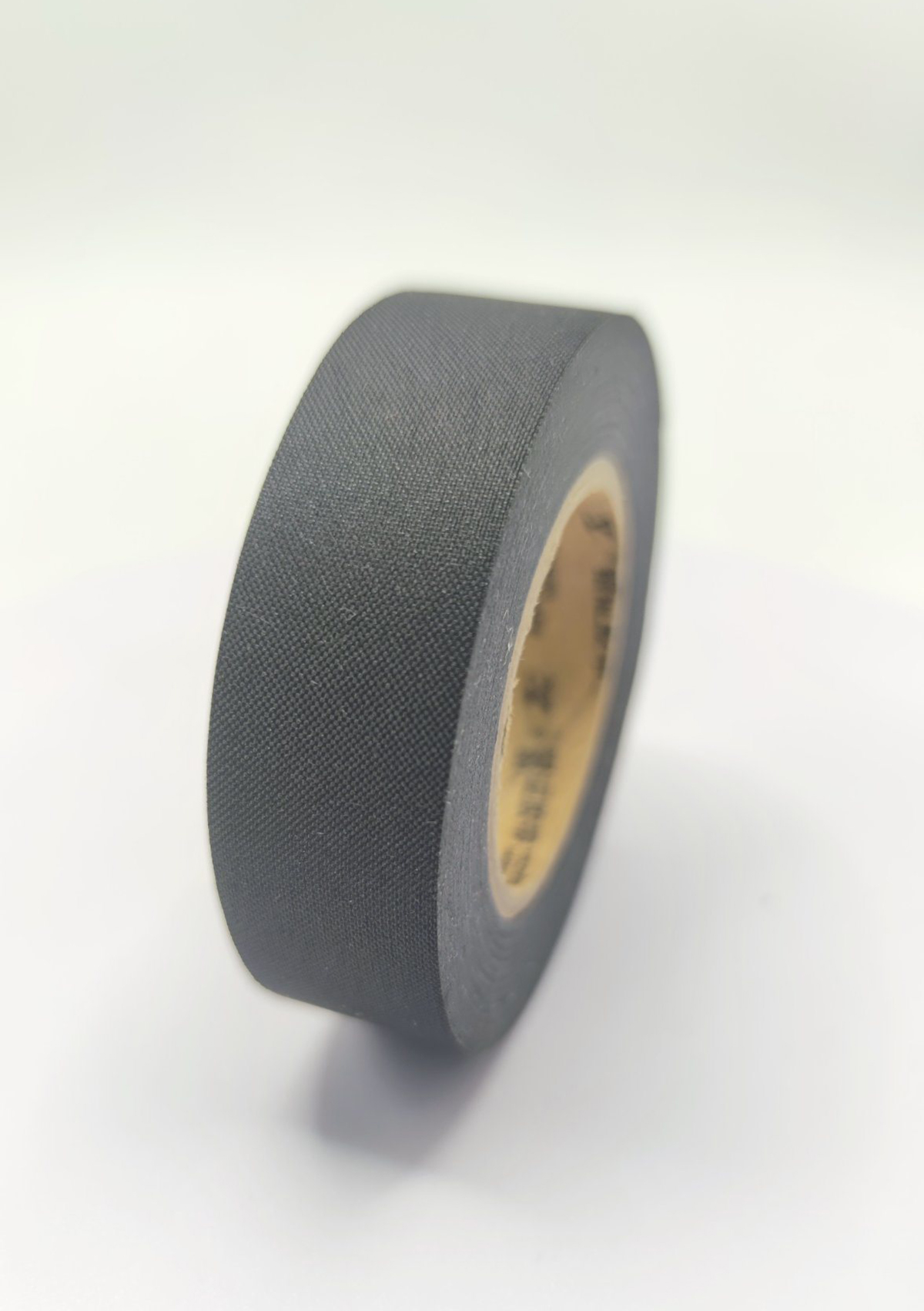
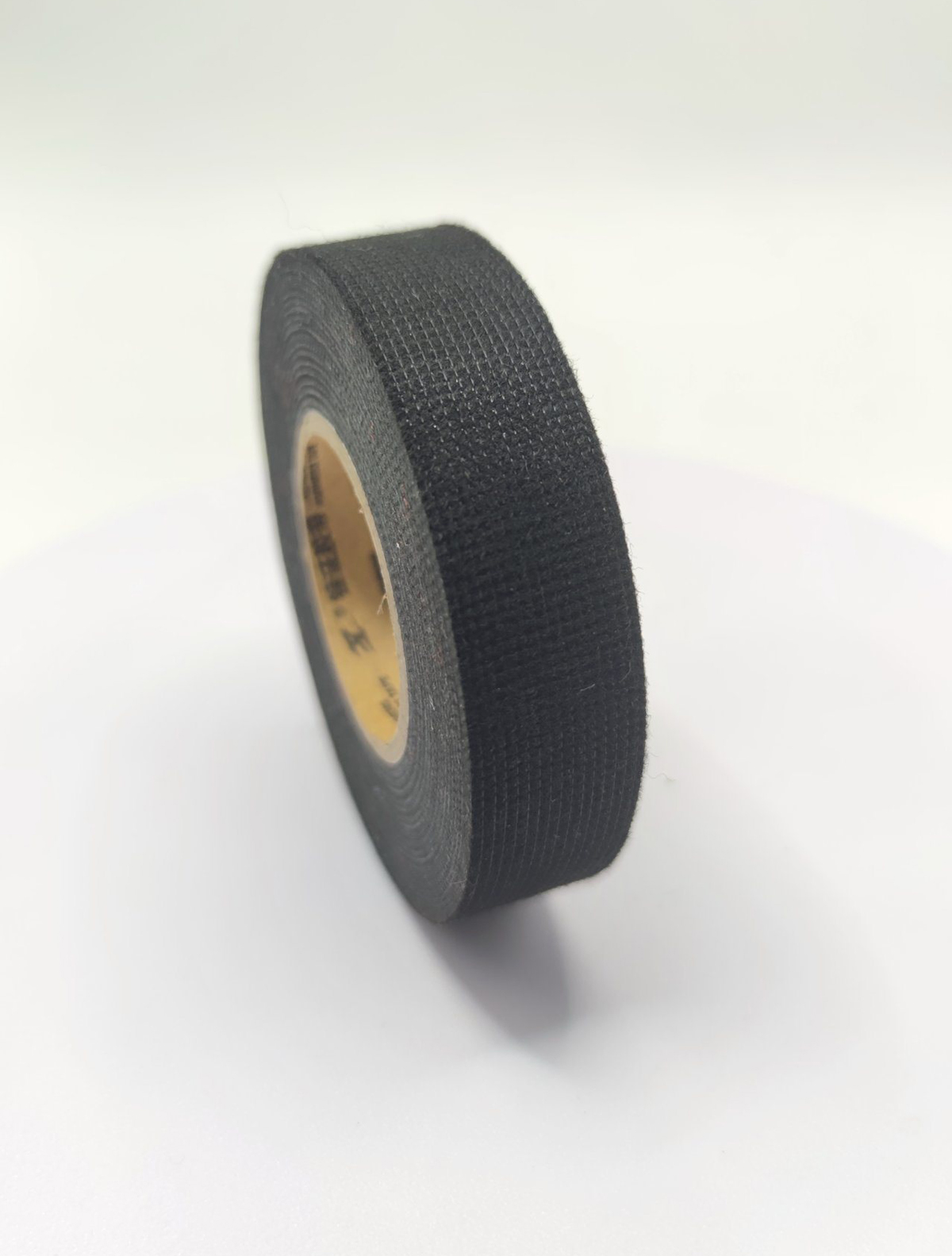
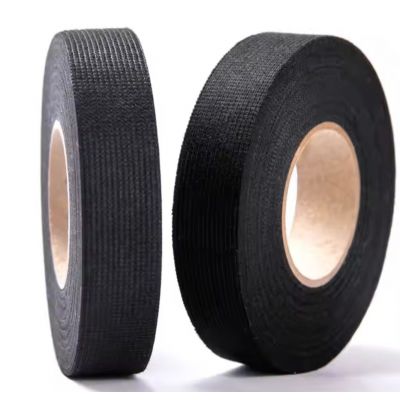
W531 is a range of woven PET fabric wire harness tapes designed for cable bundling and mechanical protection. W531a is a 0.14 mm hand-tearable grade with synthetic rubber adhesive for basic harness wrapping. W531b is a 0.22 mm acrylic adhesive grade offering higher tensile strength, Class D abrasion resistance and a published temperature range up to +150°C.
W531 PET fabric wire harness tape is an adhesive-backed woven polyester tape developed for bundling and mechanically protecting automotive and industrial cable looms.
The woven PET backing provides tensile strength, dimensional stability and resistance to chafing while retaining the flexibility required for cable routing. It can be used for spiral wrapping, full wrapping and localized protection around harness sections exposed to mechanical contact.
The W531 series includes two constructions:
Product selection should consider the harness location, abrasion exposure, cable-jacket material, wrapping method and temperature profile. Buyers comparing different PET cloth and fleece constructions can review our complete wire harness tape range.
| Item No. | W531a | W531b |
| Thickness | 0.14 mm | 0.22 mm |
| Base Material | Polyester Fabrics | Polyester Fabrics |
| Adhesive | Synthetic Rubber | Acrylic |
| Abrasion Resistance | A | D |
| Sound Damping | / | / |
| Tensile Strength | ≥ 60 N/10 mm | ≥ 155 N/10 mm |
| Elongation at Break | ≥ 10% | ≥ 15% |
| Adhesion to Steel | ≥ 2.5 N/10 mm | ≥ 2.5 N/10 mm |
| Adhesion to Backing | ≥ 2.0 N/10 mm | ≥ 2.5 N/10 mm |
| Temperature Range | -40~125°C | -40~150°C |
| Tearable by Hand | Y | N |
These values provide a basis for technical comparison between the two grades. Abrasion and temperature performance should be reviewed together with the applicable test method, test geometry and exposure duration. Specification limits and tolerances can be confirmed during technical approval.
W531a is the thinner grade in the W531 series. Its synthetic rubber adhesive and hand-tearable woven backing support efficient manual application where basic cable bundling and general surface protection are required.
W531a is the more suitable starting point when:
W531b combines a thicker woven PET fabric backing with acrylic adhesive. It provides higher tensile strength and a higher reported abrasion class than W531a.
W531b is the more suitable starting point when:
Engine-compartment use requires additional verification of thermal aging, automotive-fluid resistance, flame performance, flagging and cable-jacket compatibility.
The woven polyester backing helps protect cable bundles against tearing, chafing and mechanical wear while maintaining the flexibility needed for harness routing.
W531a uses synthetic rubber adhesive for a thinner and hand-tearable construction. W531b uses acrylic adhesive for applications requiring a more mechanically robust tape and higher published temperature capability.
W531a and W531b provide different levels of mechanical protection. W531a is intended for basic wrapping, while W531b is designed for higher-abrasion requirements.
The pressure-sensitive adhesive holds successive tape layers together during spiral or full-wrap application. Final wrapping stability depends on tape tension, overlap, cable-jacket material, surface condition and aging environment.
W531a can be torn by hand for manual harness assembly. W531b requires a cutting tool or compatible wrapping equipment.
Automated application requires confirmation of roll dimensions, unwind force, cutting method and machine speed through a production trial.
OEM approval, engine-compartment qualification, flame performance and cable-jacket compatibility depend on the test results and documentation available for the exact grade and application.
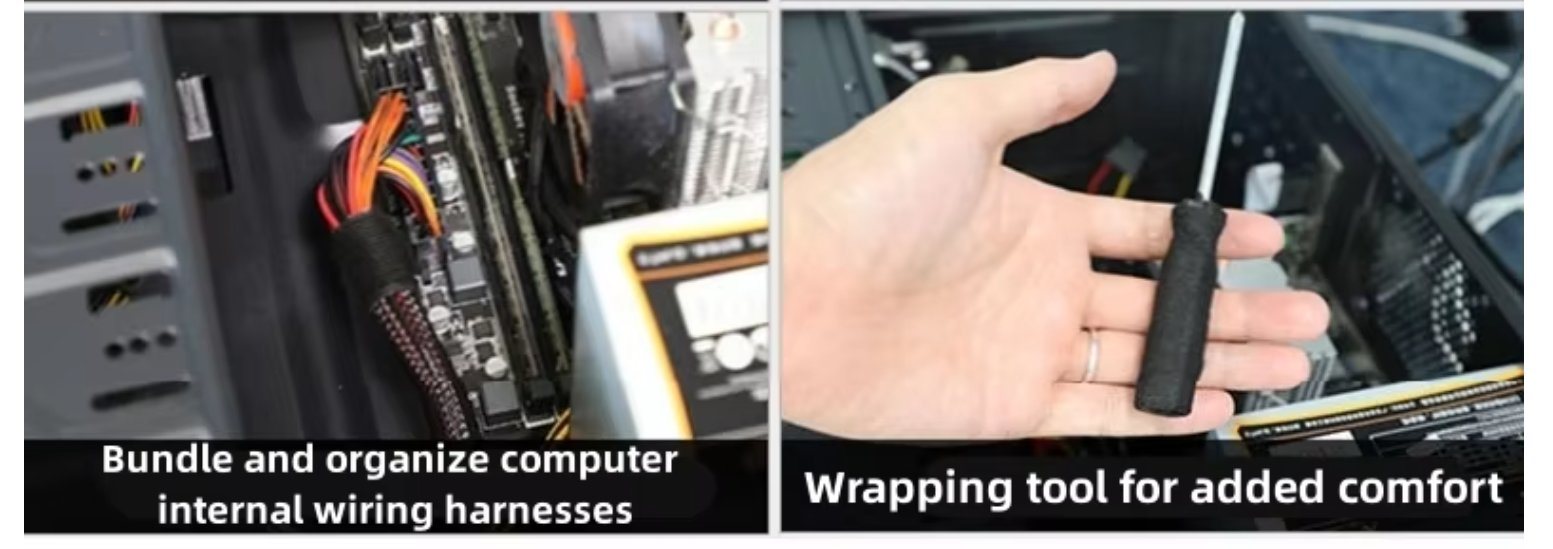
Choose W531 PET cloth wire harness tape when mechanical strength and abrasion protection are the primary requirements.
For passenger-compartment applications where softness, conformability and structure-borne noise reduction are more important, consider W532 PET Fleece Wire Harness Tape.
| Selection Priority | Recommended Product |
| Interior noise reduction and soft wrapping | W532 |
| Hand-tearable basic fabric wrapping | W531a |
| Higher tensile strength and abrasion protection | W531b |
The two constructions may be used in different areas of the same vehicle or equipment platform. Selection should follow the requirements of each harness routing zone rather than applying one tape grade throughout the complete assembly.
Selection should follow the requirements of each harness routing zone rather than applying one tape grade throughout the complete assembly. Interior harness wrapping zones shows how those zones differ in practice.
Apply W531 to cable jackets that are dry and free from oil, dust and release agents. Use consistent wrapping tension and the overlap specified by the harness design.
Excessive tension may reduce cable-bundle flexibility or create stress at the end wrap. Insufficient overlap may reduce coverage and wrapping stability. Greater overlap can increase local protection but also increases tape consumption, harness diameter and stiffness.
W531a supports manual application without cutting tools. W531b should be cut cleanly using a suitable tool or evaluated with compatible harness-wrapping equipment.
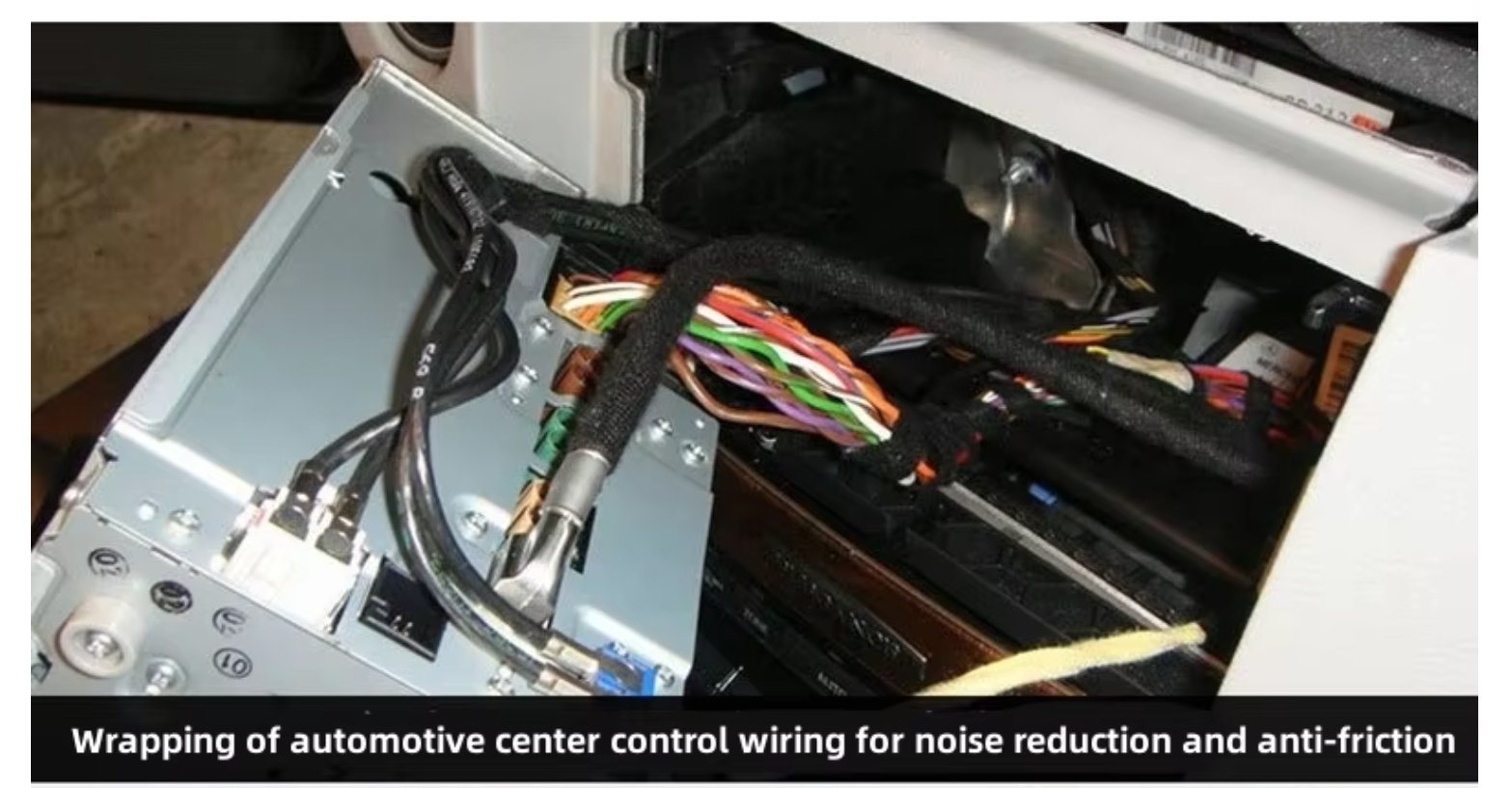
Production approval should be based on testing with the actual cable jacket, harness diameter, wrapping method and environmental conditions.
Recommended checks include:
Adhesion to steel provides a standardized comparison value, but automotive cable jackets may contain plasticizers, flame-retardant additives or low-surface-energy polymers that interact differently with the adhesive.
W531a is 0.14 mm thick, uses synthetic rubber adhesive and can be torn by hand. It is intended for basic bundling, manual installation and general harness protection.
W531b is 0.22 mm thick, uses acrylic adhesive and provides higher tensile strength and a higher reported abrasion class. It is not hand tearable and is intended for more mechanically demanding applications.
The appropriate grade depends on abrasion exposure, temperature requirements, application method and cable-harness design.
W531b may be evaluated for higher-temperature and higher-abrasion harness zones. Engine-compartment approval also requires confirmation of long-term thermal aging, automotive-fluid resistance, flame performance, cable compatibility, flagging and adhesive transfer.
The published +150°C temperature range and Class D abrasion rating are important selection data, but they represent only part of the complete under-hood qualification process.
Maximum temperature, short-term peak exposure and long-term thermal-aging temperature are different specifications.
The applicable test method and exposure duration should be confirmed before the +150°C value is used for engineering design. Actual service life also depends on thermal cycling, cable-jacket material, fluid exposure and mechanical stress.
Abrasion results can vary with the diameter and curvature of the wrapped test specimen. The same tape may produce different results when tested on different mandrel sizes.
For engineering comparison, the abrasion class should be reviewed together with the test standard, mandrel diameter, applied load and test endpoint.
Flagging is the tendency of the tape end to lift or open after wrapping. It should be evaluated on an actual cable bundle using the intended application tension, overlap and end-wrap design.
The specimen should be inspected after the required thermal-aging and fluid-exposure cycles. Initial room-temperature adhesion alone cannot predict long-term flagging performance.
Steel provides a consistent laboratory surface for comparing adhesive performance. PVC, PE, PP and other cable jackets have different surface characteristics and may contain additives that interact with the adhesive during aging.
Compatibility testing should use the actual cable material and evaluate adhesion loss, adhesive migration, jacket cracking, softening, discoloration and flexibility after thermal exposure.
Select W531 where woven-fabric strength and abrasion protection are the main requirements.
Select W532 PET Fleece Wire Harness Tape where passenger-compartment noise reduction, softness, conformability and hand-tearable wrapping are more important.
W531b may be evaluated for mechanized wrapping. Equipment compatibility depends on tape width, roll length, core size, unwind force, cutting method and operating speed.
A production trial can be used to evaluate feeding stability, cutting quality, end-wrap security and application consistency before volume use.
W531 is designed for bundling and mechanically protecting wires that already have their own insulation. Electrical insulation or welded-joint applications require separate dielectric data and application-specific approval.
Available widths, roll lengths, core sizes, colors and packaging formats can be confirmed when requesting a quotation.
For an accurate product and sample recommendation, provide:
Final suitability should be established through testing on the buyer’s actual cables, harness geometry and production process.
Specify W531a or W531b together with the required dimensions, application conditions, annual demand and technical approval requirements. This information helps match the tape grade and roll format to the intended automotive or industrial cable-harness application.