
info@jxgreentape.com
As a glass cloth tape manufacturer serving industrial buyers and distributors, we supply woven glass cloth tapes with rubber, acrylic or silicone pressure-sensitive adhesive for heat-resistant wrapping, coil holding, lead protection and electrical insulation support. We help buyers select an appropriate grade, evaluate samples under actual process conditions and confirm custom converting requirements before bulk ordering.
Available grades: J-400 rubber adhesive | J-410 acrylic adhesive | J-430 silicone adhesive
Supply options: Standard and custom roll dimensions | Converting and packaging options
Technical support: Grade comparison | Sample evaluation | Specification review
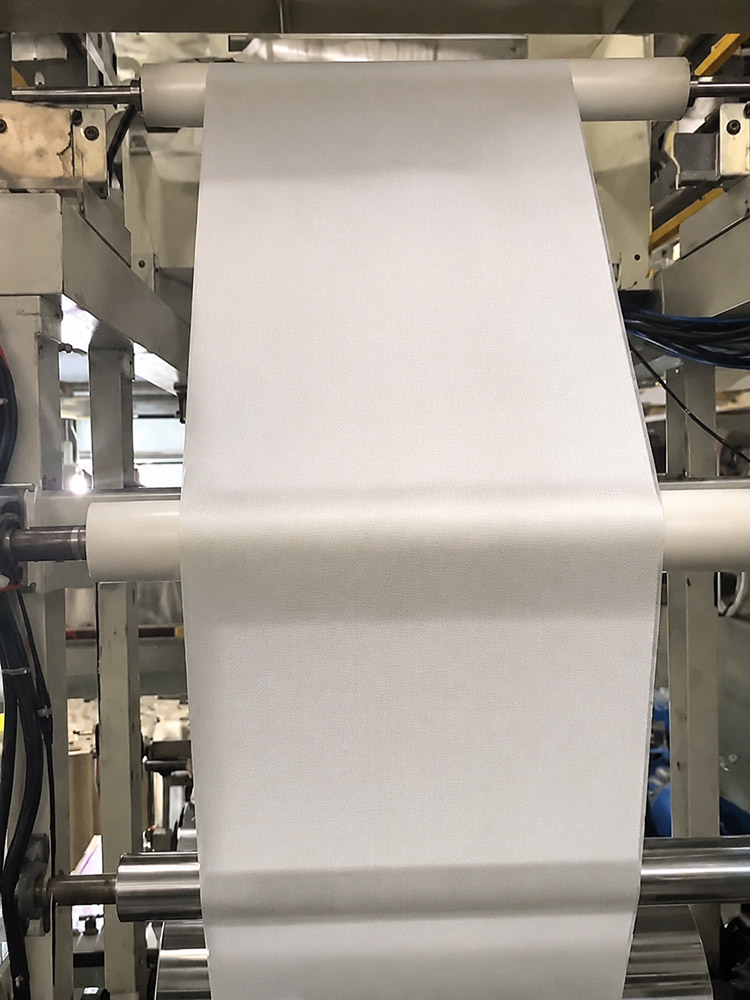
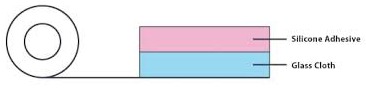
Glass cloth tape, also described as fiberglass cloth tape or glass fabric adhesive tape, combines a woven fiberglass backing with a pressure-sensitive adhesive. The backing contributes tensile strength, dimensional stability and resistance to mechanical wear. The adhesive system controls how the finished tape bonds, ages and performs at elevated temperatures.
This means that two tapes with a similar appearance may behave differently in production. A suitable grade must be selected according to the operating temperature, exposure time, substrate, voltage requirement, wrapping method and contact with varnish, resin, oil or solvents.
Edge lifting, loss of holding power and adhesive transfer may result from an unsuitable adhesive system, excessive dwell time, surface contamination or insufficient application pressure. A higher published temperature does not eliminate the need for testing on the actual component.
Electrical strength, tensile strength and elongation provide useful screening data, but no individual value can qualify a complete insulation system. Tape overlap, layer build-up, humidity, clearance and the other materials used in the assembly also affect final performance.
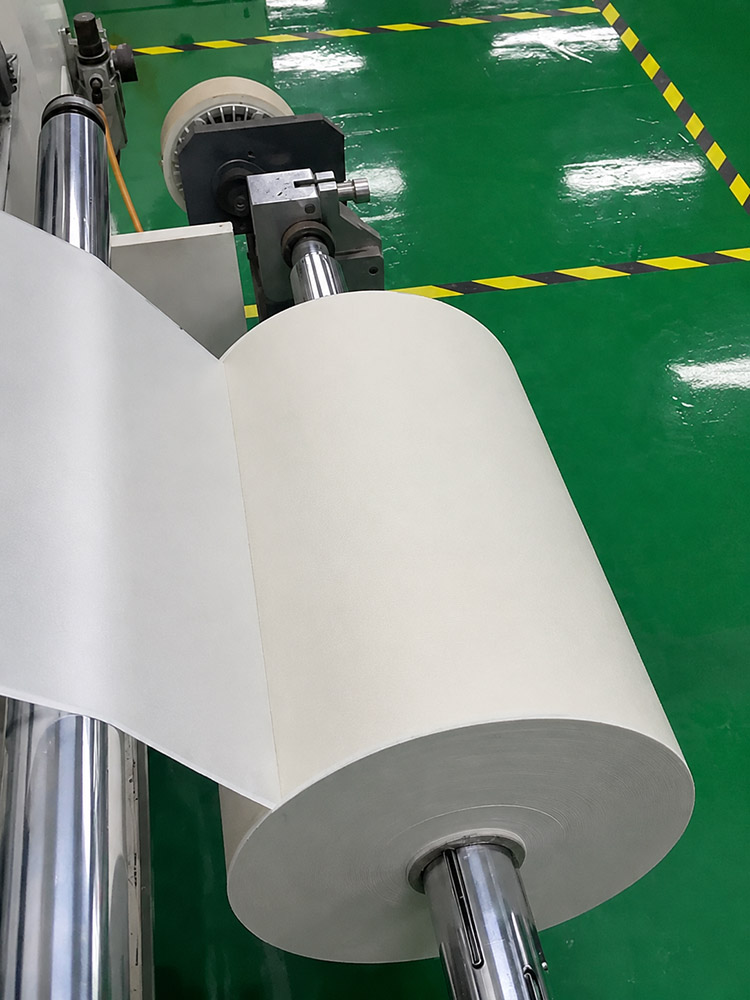
Width tolerance, roll winding, edge quality, core selection and packaging can affect manual wrapping and automated production. These requirements should be confirmed together with the adhesive grade rather than treated as secondary purchasing details.
J-380 combines PET film with woven fiberglass cloth and acrylic pressure-sensitive adhesive. This composite construction is intended for applications requiring a continuous film layer together with higher mechanical holding strength.
View J-380 PET Fiberglass Cloth Tape
The J-400/J-410/J-430 series uses woven glass cloth with rubber, acrylic or silicone adhesive options. These grades are intended for heat-resistant wrapping, lead protection, coil holding and mechanical protection around electrical components.
Compare All Glass Cloth Electrical Tapes
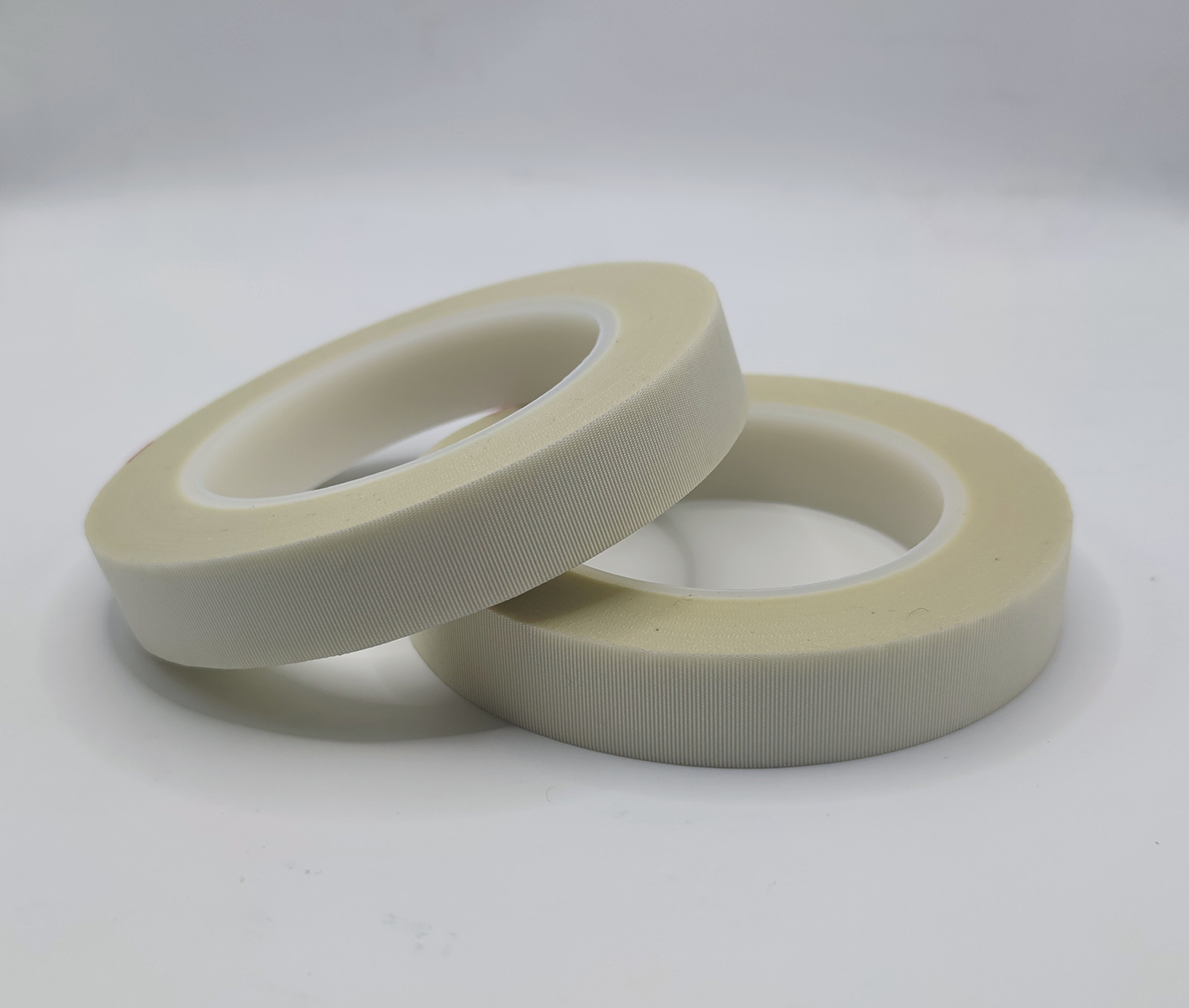
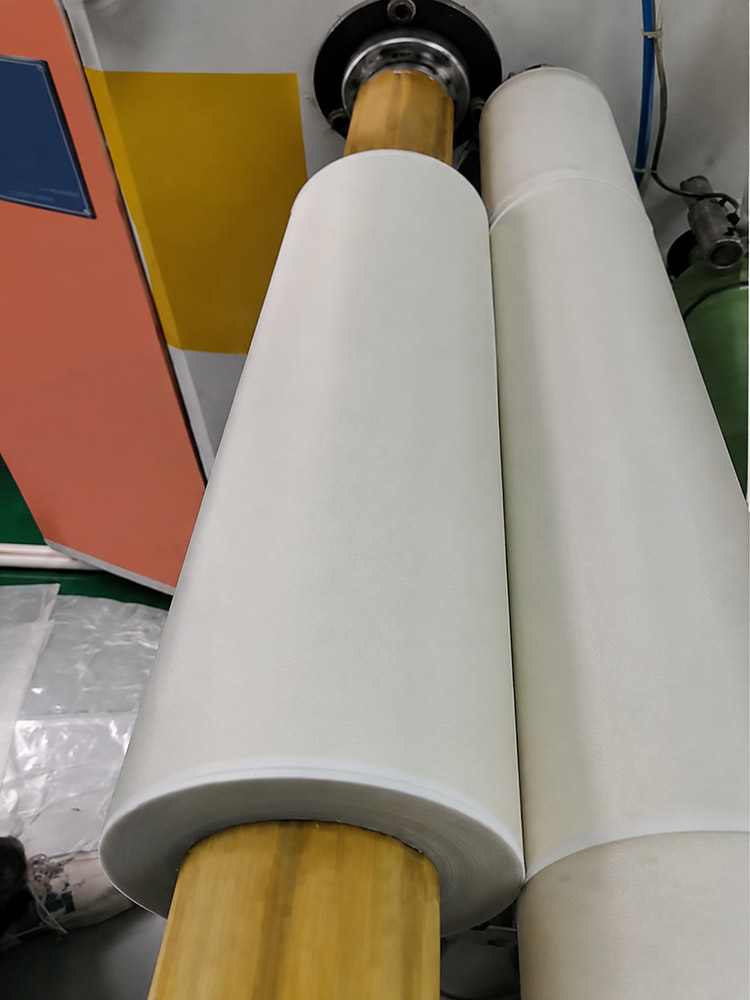
The woven fiberglass backing provides strength in more than one direction and helps the tape resist tearing and wear during wrapping, assembly and service. This is useful around leads, coil edges and contact points where thin film tapes may provide insufficient mechanical protection.
Glass cloth does not rely on plastic-film reinforcement. The woven backing helps the tape retain its structure during elevated-temperature processes, although the performance of the complete tape still depends on the adhesive and exposure conditions.
The cloth construction can help protect wrapped areas against rubbing and edge contact. It is intended for insulation support and mechanical protection rather than use as the only structural fastening component in a safety-critical assembly.
Rubber, acrylic and silicone adhesives do not provide identical bonding or aging behavior. Offering several adhesive grades allows the tape construction to be selected according to the actual heat, surface and process requirements instead of relying on one generic high-temperature tape.
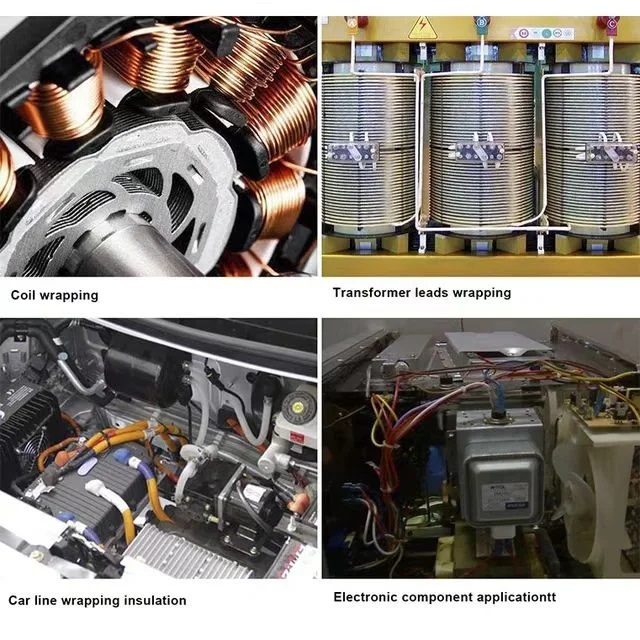
Glass cloth electrical tape can help wrap and hold motor leads, protect contact points and support insulation in areas exposed to heat and friction. Qualification should consider the normal operating temperature, peak temperature, bend radius, abrasion point and whether the tape will contact insulating varnish or resin.
In dry-type transformers and related electrical assemblies, woven glass cloth tape may be used to position leads, hold insulation layers and protect wrapped areas against mechanical wear. Selection should reflect the transformer insulation system, processing temperature, voltage requirement and whether the tape remains in the finished unit.
Fiberglass cloth tape may be evaluated for wrapping wires and harness sections located in verified temperature zones. Oil exposure, vibration, radiant heat, tight bending and continuous thermal aging can change the result, so the application zone should be defined before the grade is approved.
During winding, assembly and handling, glass cloth adhesive tape can hold components in position before the next production step. Buyers should specify whether the tape is temporary process material or remains permanently in the assembly, because the validation requirements may differ.
Woven glass cloth backing can protect component edges and rubbing points where a thin film tape may wear too quickly. The required width, overlap and number of layers should be evaluated on the actual geometry rather than selected from tensile strength alone.
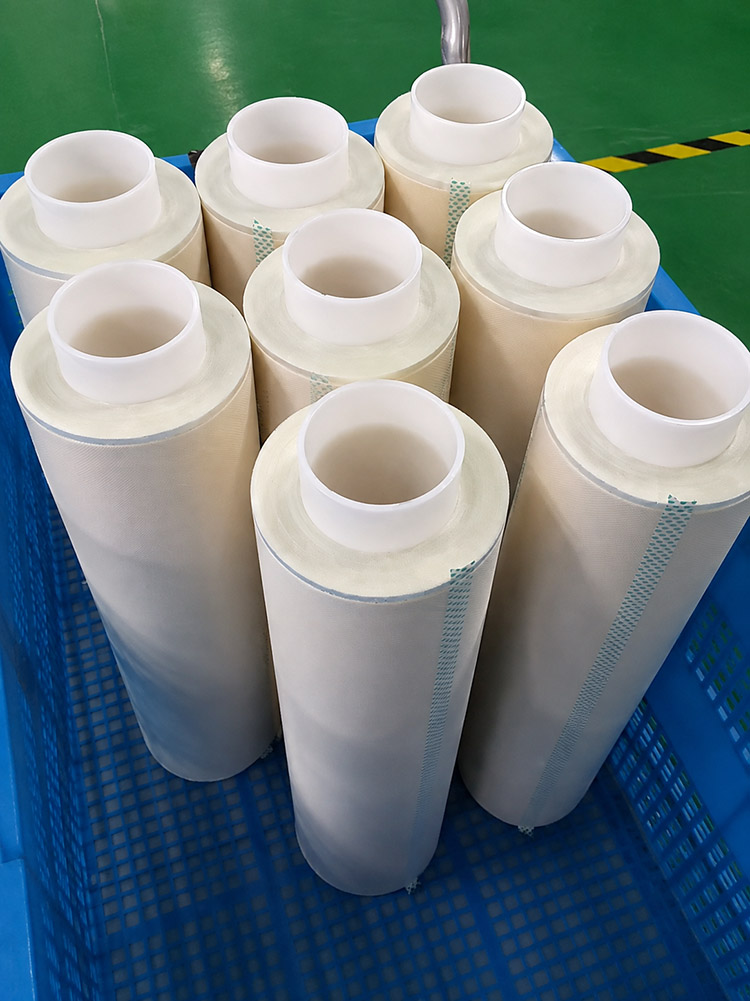
Industrial users rarely select an electrical insulation tape by adhesive chemistry alone. Roll format, converted dimensions and packaging can influence installation efficiency and production consistency. We can review the following requirements for standard or custom glass cloth tape orders:
● Tape width and roll length
● Rubber, acrylic or silicone adhesive grade
● Product color, where available
● Roll core and winding requirements
● Slitting tolerance and edge quality
● Carton quantity and export packaging
● Neutral labeling or private-label requirements
● Sample roll quantity for qualification
Custom feasibility and order requirements depend on the requested dimensions, tolerance, packaging and projected volume. These details should be confirmed before the quotation is treated as a production specification.
Distributors may require consistent labeling, carton configuration and repeatable converted sizes across multiple orders. Provide the target market, common customer applications, preferred roll dimensions and packaging format so the product and supply arrangement can be reviewed together.
OEM buyers can submit their operating conditions, drawing, existing tape data sheet or incoming-inspection requirements. This allows the proposed grade and converted format to be evaluated against the actual production process instead of relying on a broad product description.
A capable glass cloth tape supplier should help the buyer define, test and document the proposed construction before volume purchasing. The objective is not simply to offer a high-temperature glass cloth tape, but to reduce the risk of selecting the wrong adhesive, converted format or qualification method.
A recommendation should begin with operating temperature, exposure time, surface material, voltage requirement and process chemicals. These factors are more useful than asking for the strongest or highest-temperature tape without defining the job.
Sample testing allows the buyer to check initial adhesion, edge lifting, wrapping stability, heat aging and compatibility with the intended substrate. When varnish, resin, oil or solvent is present, the sample should pass through the complete production process before approval.
If a property is critical to incoming inspection, the buyer and manufacturer should agree on the property, unit, test method, conditioning procedure and acceptance range. Typical values should not automatically be converted into guaranteed production limits.
Technical and compliance documents must identify the product grade they cover. A certificate issued for another adhesive tape or another construction should not be used to qualify J-400, J-410 or J-430.
Reliable bulk supply depends on both the tape construction and the consistency of the converted rolls. Quality checks should be aligned with the agreed product specification and may include:
● Backing and adhesive incoming inspection
● Total tape thickness measurement
● Adhesion testing under a defined method
● Tensile strength and elongation testing
● Electrical strength testing where required
● Heat-exposure evaluation under an agreed condition
● Width, edge and winding inspection
● Roll appearance and packaging inspection
● Batch identification and traceability
Where a test result is important to engineering approval, request the applicable method and test conditions together with the value. Adhesion, tensile and electrical results can change with sample preparation, conditioning, test direction, surface and measurement procedure.
Evidence recommended beside this section: actual test-equipment photographs, sample test records, roll labels, batch codes and grade-specific document previews.
Send the operating and peak temperatures, exposure time, substrate, voltage requirement, tape dimensions and estimated quantity. If the project replaces an existing tape, include its product number, technical data sheet or a physical sample where possible.
Compare the proposed rubber, acrylic or silicone adhesive grade and test a sample on the actual substrate. The evaluation should reproduce the intended heating, wrapping, curing, impregnation or insulation process as closely as practical.
After sample approval, confirm the tape dimensions, tolerance, packaging, inspection requirements and applicable technical documents before bulk production.
The main difference is the adhesive system and its corresponding temperature reference. J-400 uses rubber adhesive for lower-temperature holding, J-410 uses acrylic adhesive for medium-temperature applications, and J-430 uses silicone adhesive when higher heat resistance is required. Final selection should also consider the substrate, exposure time, voltage requirement and contact with varnish, resin, oil or solvents.
An alternative can be evaluated, but replacement should be based on comparable construction and test data rather than product appearance alone. Provide the existing product number, technical data sheet or sample together with your application conditions. Relevant comparison points include adhesive type, total thickness, adhesion, tensile strength, electrical strength and temperature requirements. Any proposed alternative should be validated in the buyer's actual process before approval.
Not automatically. A temperature reference must be interpreted together with exposure time and test conditions. Short heat exposure, repeated heating cycles and continuous service can produce different results. Buyers should specify the normal operating temperature, peak temperature and dwell time when requesting a grade recommendation.
Compatibility cannot be determined from the adhesive type alone. Varnish chemistry, resin, solvent content, curing temperature and contact time may affect adhesion and backing performance. A sample should pass through the complete impregnation or curing process before the tape is approved for production use.
Adhesion to steel is a controlled reference value. Actual performance may differ on painted metal, varnished coils, fiberglass sleeving, plastics or contaminated surfaces. Surface energy, oil, dust, oxidation, release agents, application pressure and dwell time should be considered during sample testing.
No. Electrical strength is a product-level screening value. The finished insulation system also depends on tape layers, overlap, humidity, clearance, operating temperature and the other insulation materials used in the assembly. Any certification claim must be supported by documentation covering the exact tape grade and intended use.
The sample should be evaluated for initial adhesion, edge lifting, wrapping stability, heat aging, mechanical wear and applicable electrical requirements. If the tape contacts varnish, resin, oil or solvents, compatibility should be checked after the complete production cycle. If later removal is required, residue and backing