
info@jxgreentape.com
Motors, transformers, coils, wire harnesses, and cable assemblies do not use the same electrical insulation tape.
A small electronic component may need a thin high-temperature film. A transformer coil may need stable layer insulation. A motor winding may need heat resistance plus mechanical holding. A lead wire may need anchoring. A low-voltage cable splice may simply need flexible PVC tape that wraps tightly and protects the joint.
This page organizes our core electrical insulation tape solutions by application and material behavior, not by catalog name alone. The five product families covered here are Polyimide Tape, Glass Cloth Electrical Tape, PET Electrical Tape, Filament Reinforced Electrical Tape, and PVC Electrical Tape.
For international buyers and engineers, the goal is not to find the “strongest” or “highest temperature” tape on the list. The goal is to choose a tape that fits the insulation duty, production process, mechanical stress, surface shape, and required documentation.
A good insulation tape choice starts with one practical question:
What does the tape need to do after it is applied?
Electrical insulation tape is often purchased under one general name, but the actual job can be very different. One buyer may need motor winding insulation tape. Another may need transformer layer insulation. A third may be trying to stop lead wires from moving during production. Another may only need a practical tape for cable jacketing and field repair.
Those are not the same requirements.
Use this table as a first screening tool. It is not a final specification, but it helps narrow the product family before sample testing.
|
Application |
Better Starting Tape Options |
Main Selection Focus |
|
Motor winding insulation |
Polyimide, Glass Cloth, Filament Reinforced |
Heat, dielectric performance, mechanical holding |
|
Transformer coil insulation |
PET, Glass Cloth, Filament Reinforced |
Layer insulation, coil wrapping, banding |
|
Capacitor or electronic component insulation |
Polyimide, PET |
Thin film insulation, dielectric strength |
|
Lead wire anchoring or end-turn taping |
Filament Reinforced, Glass Cloth |
Low stretch, tensile holding, insulation support |
|
Wire harness wrapping |
PVC, Polyimide, Glass Cloth in high-heat zones |
Flexibility, abrasion support, insulation |
|
Low-voltage cable splicing |
PVC Electrical Tape |
Primary insulation, jacketing, field repair |
This application-first structure helps prevent a common sourcing mistake: using the right material name in the wrong job.
PET tape for packaging is not the same as PET electrical tape. Ordinary filament strapping tape is not the same as filament reinforced electrical tape. PVC electrical tape is useful, but it is not a universal motor or transformer insulation tape.
The name may sound close. The risk is not close.
The product families below are the core of this Electrical Insulation Tape Solutions page.
|
Tape Type |
Base Material |
Typical Role |
Main Advantage |
|
Polyimide Tape |
Polyimide film |
Thin high-temperature electrical insulation |
Heat resistance, thin profile, dielectric performance |
|
Glass Cloth Electrical Tape |
Woven fiberglass cloth |
Heat-resistant insulation with mechanical protection |
Tear resistance, holding strength, coil and motor use |
|
PET Electrical Tape |
Polyester film |
Film insulation for coils, layers, and components |
Cost-effective dielectric film insulation |
|
Filament Reinforced Electrical Tape |
PET film with glass fiber reinforcement |
Insulation with high mechanical holding |
Lead anchoring, coil banding, low stretch support |
|
PVC Electrical Tape |
Vinyl film |
Low-voltage wire and cable insulation |
Flexibility, conformability, jacketing, repair use |
Exact temperature rating, dielectric strength, thickness, adhesive type, flame behavior, and certification status should be confirmed from the product TDS and test report.
Do not buy by material name alone. A “polyimide tape” can use different adhesives. A “PET tape” may or may not be made for electrical insulation. A “filament tape” may be a packaging tape unless it is built and documented for electrical use.
That distinction matters in B2B sourcing.
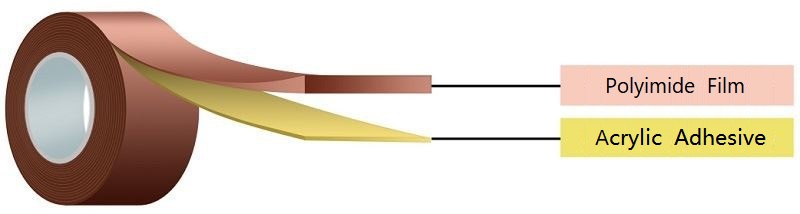
Polyimide tape, often searched as Kapton tape for electrical insulation, is usually considered when the application needs a thin insulating film and good heat resistance.
Typical uses include electronic component insulation, coil insulation support, flexible circuits, PCB-related processes, capacitor insulation, battery pack insulation support, and high-heat wire harness areas. For many buyers, this is the first high temperature electrical tape family to evaluate when space is limited and process heat is part of the job.
The main value is not only temperature. It is the combination of thin film insulation, dielectric performance, dimensional stability, and low build-up. In a compact assembly, a thick tape can create its own problem. Polyimide tape is useful where the insulation layer must stay thin and stable.
But buyers should be careful with assumptions.
Not every polyimide electrical tape has the same adhesive system. Silicone adhesive and acrylic adhesive may behave differently in heat aging, removal, chemical exposure, and residue risk. If the tape will face soldering-related heat, winding pressure, or later removal, sample testing is not optional.
Polyimide is a strong starting point for high-temperature electrical insulation, but it is not automatically the right answer for every mechanical holding job.
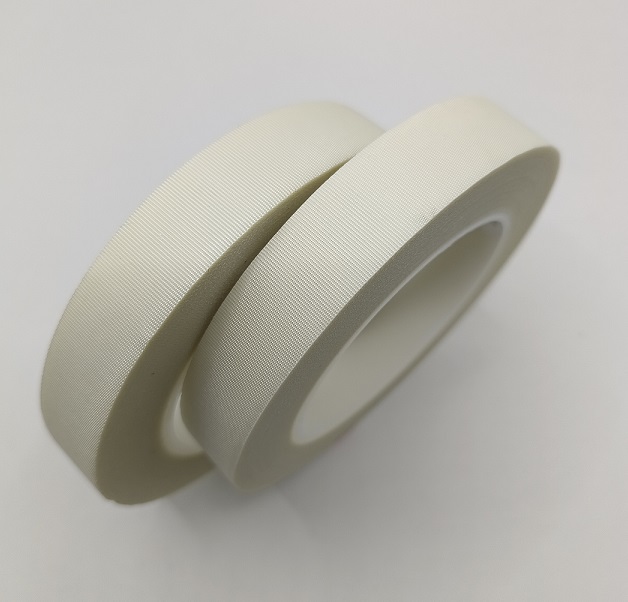
Glass cloth electrical tape is used when the tape must provide insulation and physical toughness at the same time.
When evaluating motor winding insulation tape or coil insulation tape for heavier applications, the tape may face heat, vibration, sharp edges, and mechanical stress. A thin film tape may insulate well, but it may not provide enough tear resistance or holding strength. That is where a woven fiberglass backing becomes useful.
Glass cloth electrical tape is often selected for coil wrapping, end-turn wrapping, lead anchoring, wire and cable wrapping, and high-temperature holding. Its value is the combination of heat resistance, mechanical strength, and insulation support.
This makes it different from polyimide tape.
Polyimide is often chosen when thin film insulation is the main requirement. Glass cloth is often considered when the job also needs toughness, wrapping strength, and resistance to tearing.
The trade-off is thickness and handling. Glass cloth tape may not suit tight winding spaces where every layer matters. Adhesive compatibility, varnish exposure, and actual coil geometry should be checked before bulk purchase.
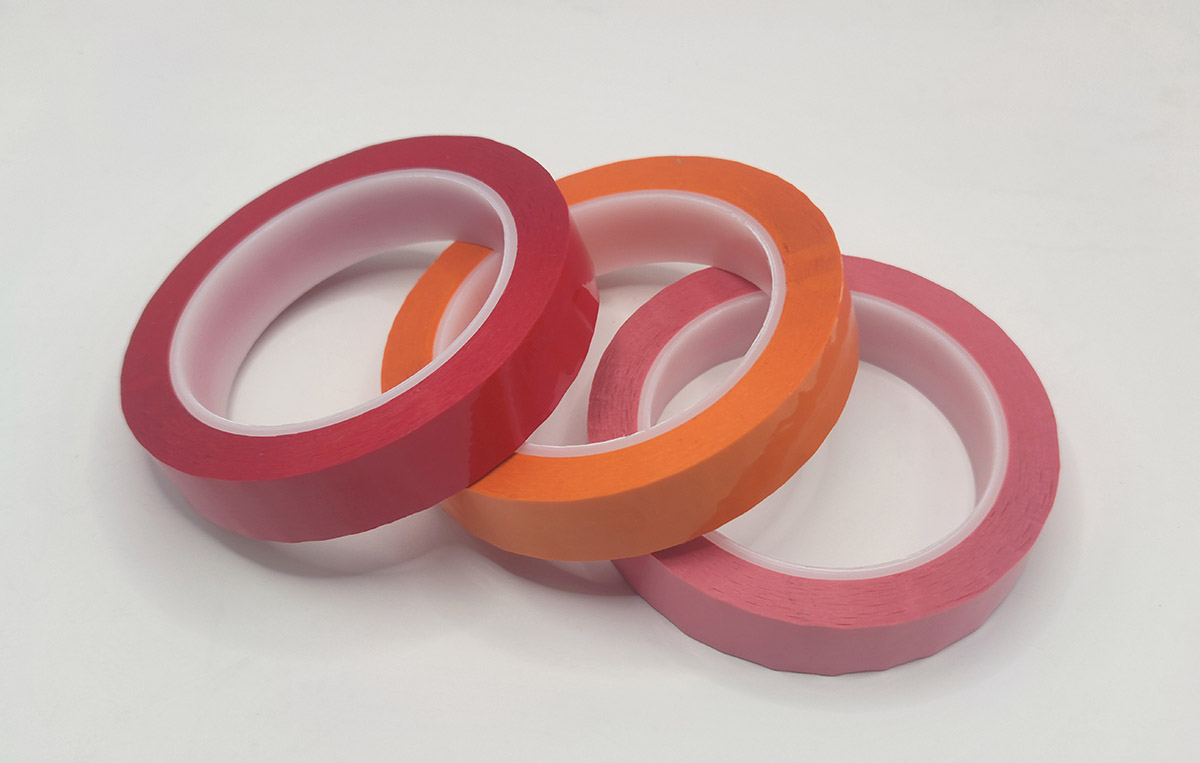
PET Electrical Tape, also called polyester electrical tape, is a practical option for many coil, transformer, and component insulation tasks.
It is often considered for transformer layer insulation, coil outer wrapping, interlaminar insulation, capacitor insulation, and general film insulation. It gives buyers a useful balance: film insulation performance, stable processing, and cost control.
This is the product family where sourcing confusion often happens.
Ordinary PET packaging tape should not be treated as PET electrical tape. They may both use polyester film, but the application expectation is different. Electrical insulation tape should be checked for dielectric strength, insulation performance, adhesive type, thickness, and relevant test data.
For many transformer and coil applications, PET electrical tape can be a sensible starting point when the job does not require the higher heat profile of polyimide or the mechanical toughness of glass cloth.
That is the practical advantage. It is not the most extreme option. It is often the balanced one.
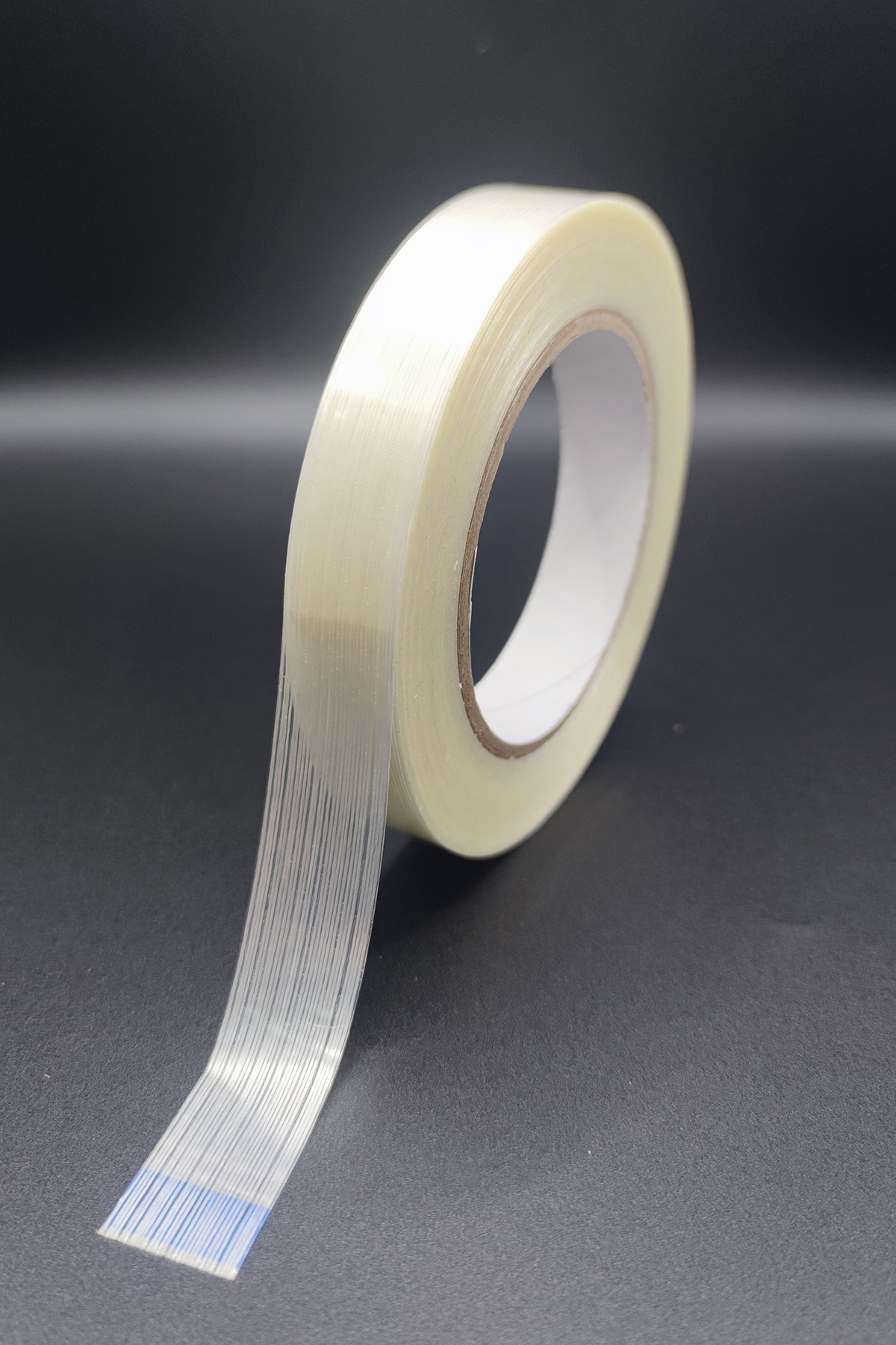
Filament reinforced electrical tape fills a specific gap.
Sometimes a tape must insulate and hold at the same time. Lead wires need anchoring. Coils need banding. End turns need support. Transformer or motor parts may need low stretch and stable positioning.
A normal film insulation tape may not offer enough tensile holding. Ordinary filament strapping tape may have strength, but it is not designed or documented as electrical insulation tape.
Filament reinforced electrical tape solves this by combining an electrical film structure with glass fiber reinforcement. Its purpose is not simply to “strap” something. It is used where insulation support and mechanical holding must work together.
Typical applications include lead wire anchoring, banding coils, end-turn taping, transformer applications, motor winding support, and other insulation-related holding tasks.
The boundary is important: this is not general packaging filament tape. If your project requires electrical insulation, the tape must be evaluated as an electrical-grade reinforced tape, with suitable TDS data and sample testing.
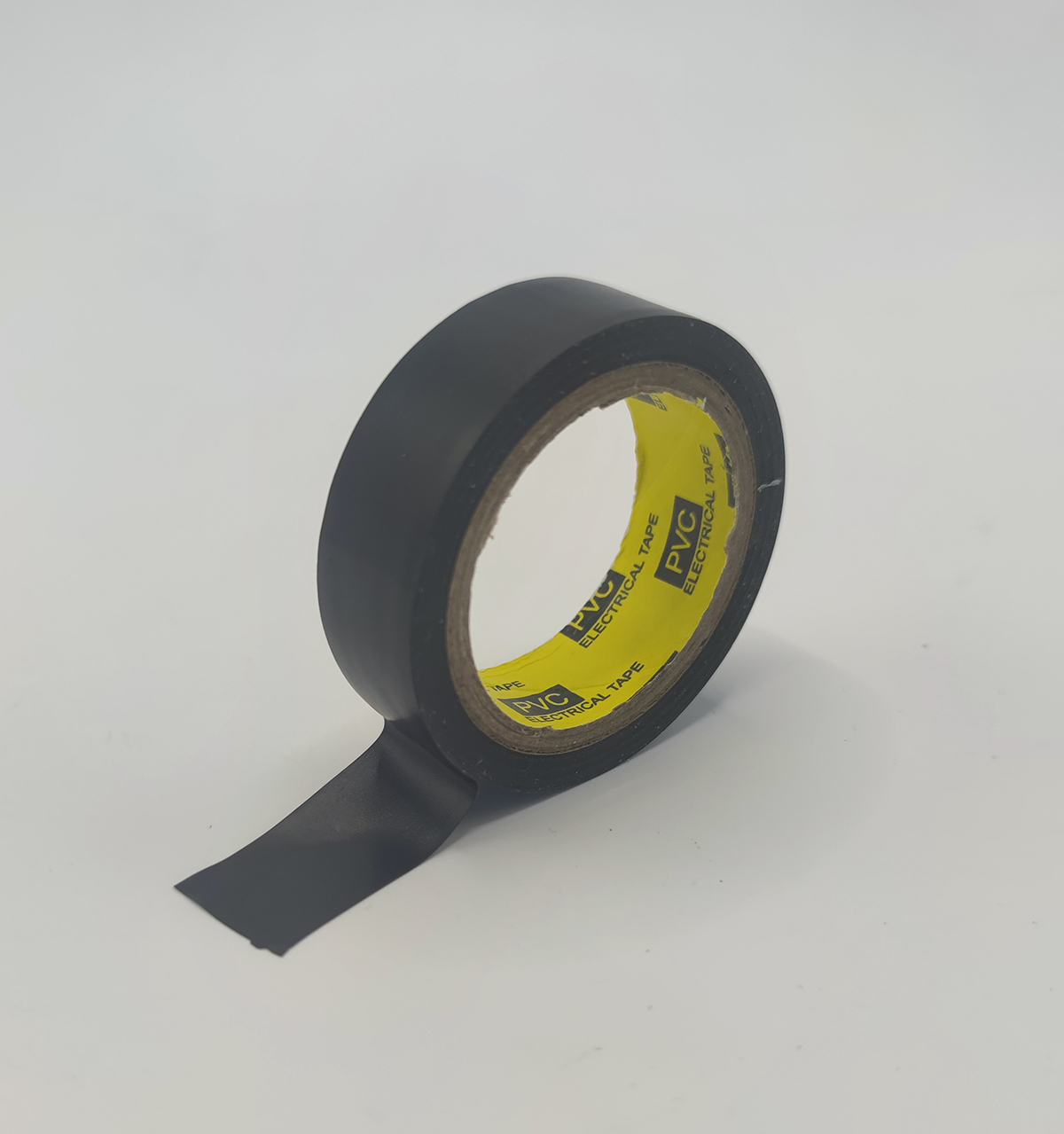
PVC electrical tape is the familiar workhorse for low-voltage electrical work.
It is commonly used for wire and cable splices, cable jacketing, field repair, phase identification, color coding, and general maintenance. Its advantage is flexibility. It wraps well around irregular cable shapes, stretches around joints, and provides a protective outer layer in many field applications.
For electricians, maintenance teams, and low-voltage cable work, PVC electrical tape is often the practical starting point.
But it has a clear boundary.
PVC tape should not be treated as the default answer for motor winding, transformer coil insulation, or high-temperature electronic assembly. Those applications often need film, cloth, or reinforced electrical tapes with different thermal, dielectric, and mechanical behavior.
For PVC electrical tape used in wire and cable splicing, UL 510 may be relevant. For other electrical insulation tapes, buyers should request the applicable UL, IEC, TDS, or test documentation for the exact product. Tape color or appearance does not prove compliance.
A simple selection path works better than a long product list.
If the job needs a thin high-temperature insulation layer, start with polyimide tape. If the job needs heat resistance plus mechanical strength, start with glass cloth electrical tape. If the job needs practical film insulation for coils or transformer layers, PET electrical tape may be the first sample. If the tape must anchor leads or band coils, filament reinforced electrical tape should be considered. If the job is low-voltage splicing, jacketing, or field repair, PVC electrical tape is usually the more realistic choice.
The next question is whether the tape is only insulating or also holding something in place.
That question changes the product family quickly. A film tape may be enough for layer insulation. A reinforced tape may be needed for coil banding. A flexible PVC tape may work for a cable splice, but not for a high-temperature winding area.
Before choosing, define the duty:
· insulate a layer;
· wrap a coil;
· anchor a lead wire;
· band a winding;
· protect a harness;
· jacket a cable splice;
· survive a process temperature;
· meet a specific certification requirement.
When the duty is clear, the material choice becomes much less random.
Most failures do not look dramatic at the beginning. They appear later as edge lift, flagging, residue, cracking, loosening, or insulation problems after heat, pressure, winding, varnish, or storage.
The first mistake is asking only for temperature rating. Temperature matters, but it does not answer questions about dielectric strength, adhesive behavior, surface bonding, mechanical stress, or flexibility.
The second mistake is using ordinary PET tape as PET electrical tape. This shortcut may create risk if dielectric data is required.
The third mistake is using PVC electrical tape outside its proper range. PVC is useful for low-voltage wire and cable applications, but that does not make it a substitute for high-temperature motor or transformer insulation.
The fourth mistake is confusing packaging filament tape with filament reinforced electrical tape. Strength alone does not make a tape suitable for electrical insulation.
The fifth mistake is ignoring adhesive behavior after heat aging. A tape may look fine during application but later show edge lift, flagging, residue, or reduced holding. If the tape will face heat, pressure, varnish, oil, or long storage, the adhesive system deserves attention.
A useful RFQ does not need to be long. But it should include the information that changes the tape recommendation.
Send these details if available:
· application: motor, transformer, coil, wire harness, cable splice, PCB, capacitor, or battery pack;
· operating temperature or process exposure;
· voltage or insulation requirement;
· surface material;
· tape width and thickness preference;
· whether the tape must insulate, wrap, anchor, band, or protect;
· certification or compliance requirement;
· sample testing condition.
A buyer who only says “we need insulation tape” may receive the wrong product family. A buyer who says “we need transformer layer insulation tape” or “we need lead wire anchoring on a coil” gives the supplier enough context to make a useful recommendation.
Send us your application, temperature exposure, tape width, insulation requirement, and whether the tape needs to insulate, wrap, hold, or protect. We can recommend a suitable electrical insulation tape structure for sample testing.
This Electrical Insulation Tape Solutions page is the main selection hub. For deeper research, the next useful pages should answer narrower questions:
These related resources help buyers compare materials, review failure risks, understand TDS data, and prepare more accurate sample requests.