info@jxgreentape.com


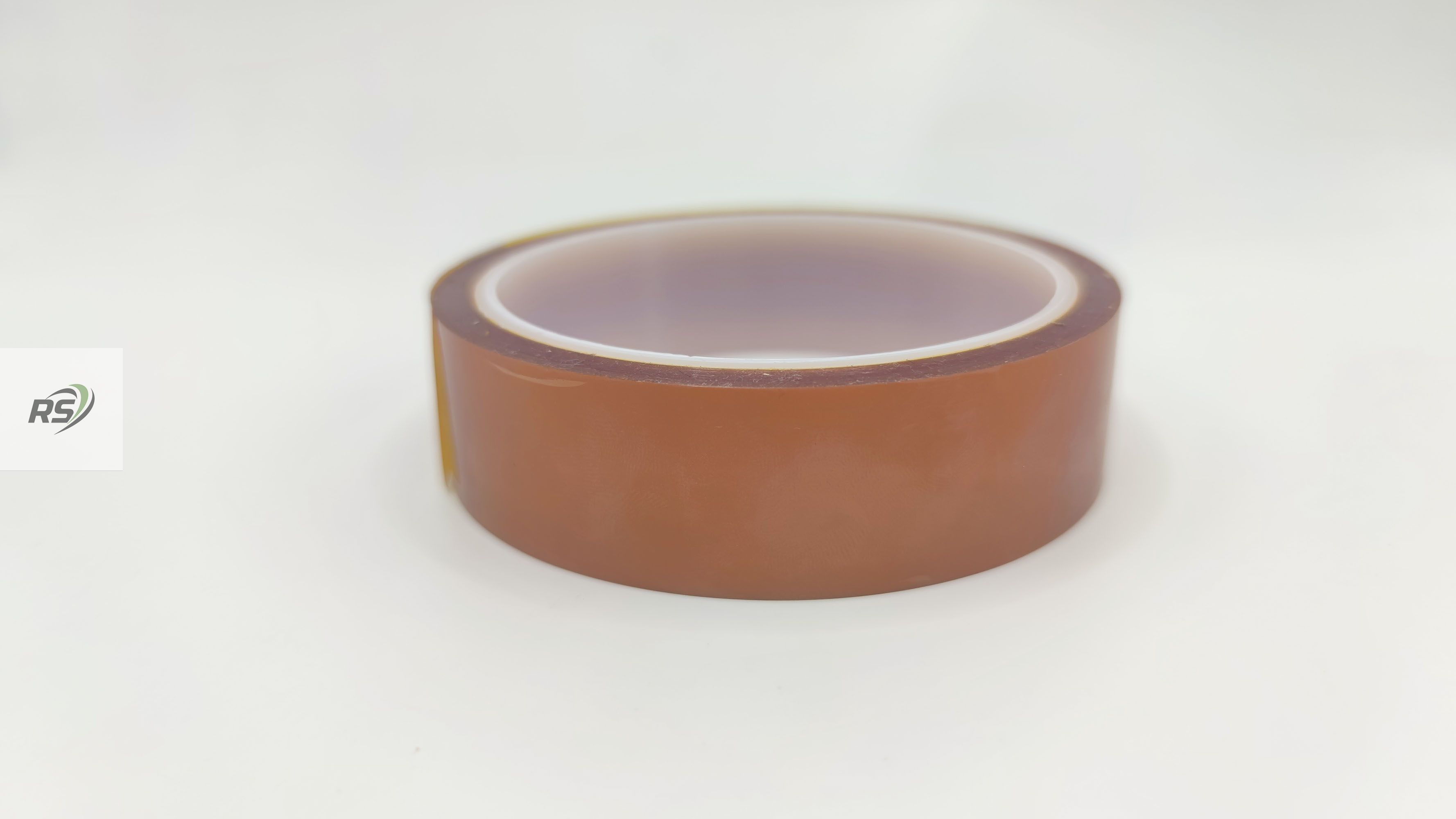
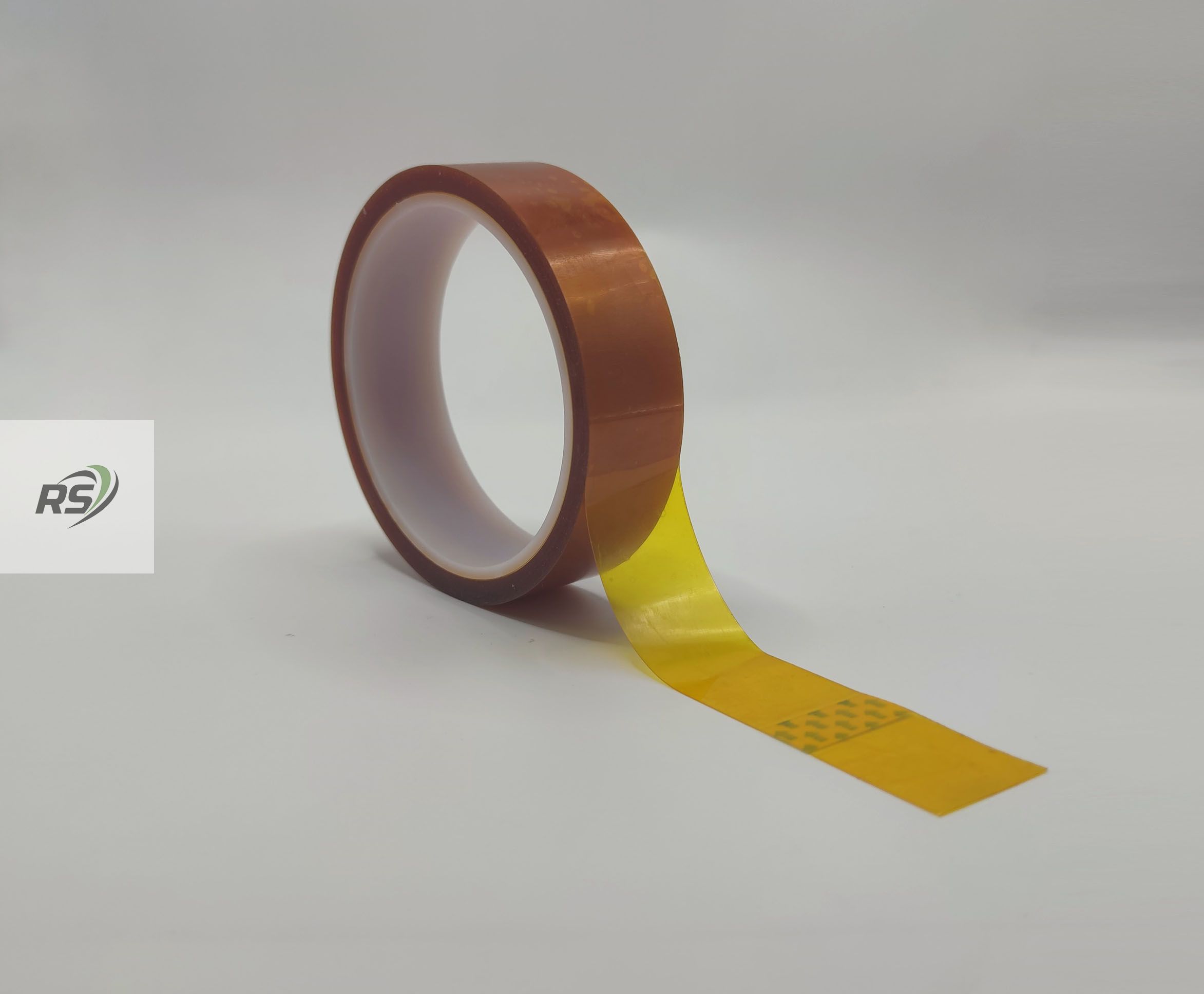
J-630C Double Sided Kapton Tape combines a polyimide film backing with silicone pressure-sensitive adhesive on both sides. It is used when buyers need a thin, heat-resistant double-sided bonding tape for FPC positioning, flexible circuit support, electronic component fixation, insulation film bonding, wire harness local holding, coil or motor insulation support, and die-cut insulation pads. Unlike single-sided Kapton tape used mainly for masking, this product is selected when both surfaces require adhesive contact. Bonding strength, residue behavior, and heat performance should be validated on the customer’s actual surface, pressure, dwell time, and operating environment.
Standard double-sided tapes can work well at room temperature, but many begin to soften, creep, or lose holding force when exposed to heat. J-630C is designed for buyers who need a thin double-sided polyimide tape that can support bonding and insulation work in warmer electronic or industrial environments.
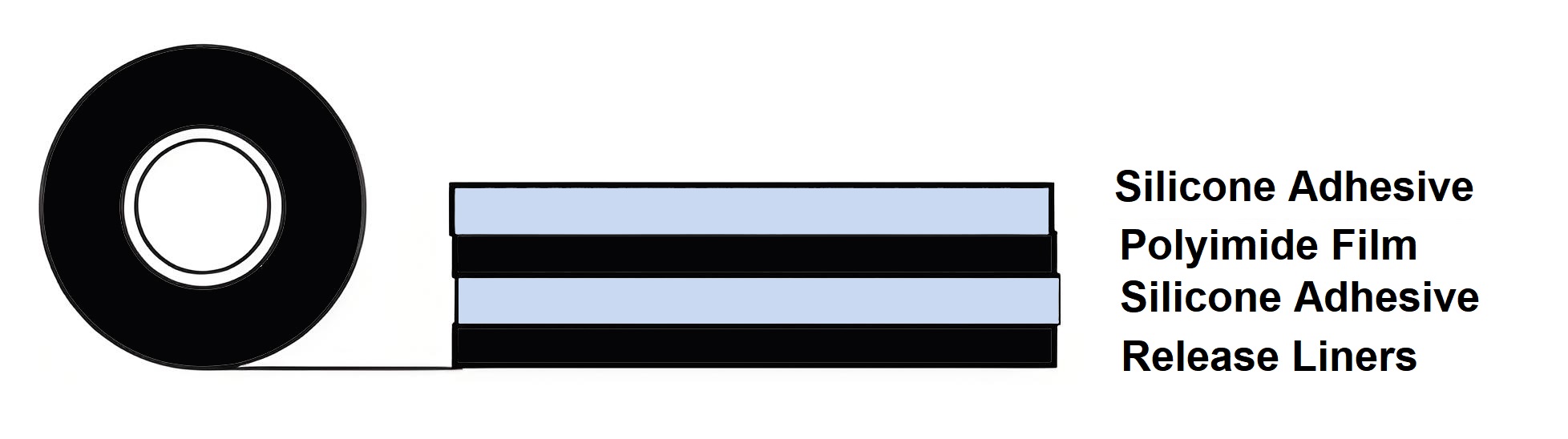
The key point is not only that the backing is polyimide. A double-sided tape succeeds or fails because of the full construction: film thickness, adhesive type, adhesive coat weight, release liner, pressure during application, surface cleanliness, and actual temperature exposure. Polyimide film gives the tape thermal and electrical stability, but the finished tape’s performance still depends on the adhesive system and the customer’s process conditions.
If your project is mainly high-temperature masking rather than bonding, a single-sided Kapton tape silicone adhesive product may be more suitable. If the application needs lower silicone-transfer concern or a different adhesive profile, compare it with Kapton tape acrylic adhesive before approving samples.
| Item No. | J-630C |
| Adhesive Type | silicone |
| Total Thickness | 0.175mm |
| Film Thickness | 0.025mm |
| Release Paper Thickness | 0.075mm |
| Adhesion to Steel | ≥ 7 N/25mm |
| Tensile Strength | ≥ 210 Mpa |
| Elongation at Break | ≥ 130% |
| Temperature Resistance | 180℃ |
| Length | 33M |
Double-sided Kapton tape is often selected because buyers need both heat resistance and thin bonding. Still, thickness can be misunderstood. Film thickness, adhesive thickness, total tape thickness, and release liner thickness are not the same number. For precision electronics or FPC assembly, this difference can affect final stack height, pressure distribution, and fit inside a narrow space.
J-630C is available in different thickness options from 0.10 mm to 0.20 mm total thickness. The thinner option is useful when low profile and flexible positioning matter. The thicker options can provide higher voltage resistance and stronger handling, but they also add more buildup. Do not choose the thickest tape automatically. In compact electronic assemblies, too much thickness can create pressure points or interfere with nearby parts.
The listed temperature resistance is 260°C. This does not mean every bonding design can run at 260°C indefinitely under load. Real performance depends on dwell time, substrate, pressure, surface condition, and whether the tape is under shear, peel, or compression. For high-temperature production, test the tape under the actual heat cycle before bulk approval.
If your team is still comparing polyimide, PET, PTFE, glass cloth, or other high-temperature tape structures, our material comparisons page can help separate backing material, adhesive system, thickness, and application fit.
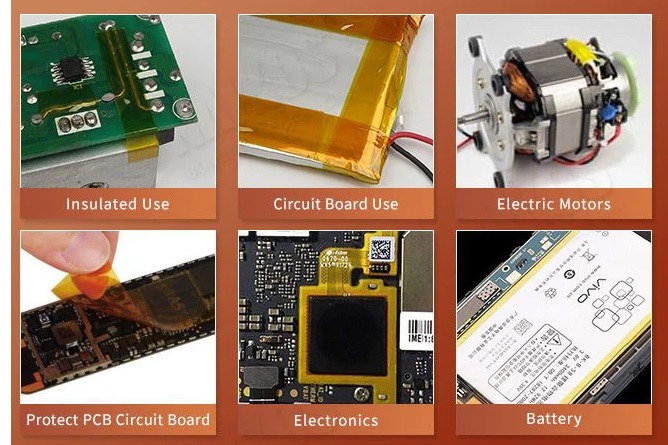
J-630C is most suitable when a thin, heat-resistant double-sided adhesive layer is needed. Typical uses include FPC positioning, flexible circuit support, insulation film bonding, electronic component fixation, wire harness local holding, die-cut insulation pads, and fixture bonding in controlled industrial processes.
For FPC and flexible circuit work, the value is thin bonding and dimensional stability. The tape can help hold flexible parts in place without adding a thick adhesive layer. For electronic component or insulation pad bonding, it can support local fixation where standard double-sided tape may not tolerate process heat.
For coil, motor, transformer, or module-related insulation support, J-630C may be used to hold insulation layers or pads in place. It should not be treated as a replacement for the full insulation system. Electrical, thermal, and aging behavior must be confirmed by the customer’s design test.
For battery tab work or module assembly, double-sided Kapton tape may be considered for temporary fixation or local insulation support, but battery applications need careful validation. Electrolyte exposure, compression, cell design, aging, and thermal cycling can change the result.
This product should not be presented as a universal high-temperature tape. Some applications need stronger proof before approval.
It is not the typical choice for 3D printer bed surfaces. That application normally uses single-sided polyimide tape or other build-surface materials, not double-sided adhesive tape. It should also not be described as a general solar panel mounting tape. Outdoor solar assembly involves UV exposure, damp heat, thermal cycling, mechanical load, and encapsulant compatibility. J-630C may be tested for selected manufacturing or insulation steps, but not as a general structural mounting solution.
Optical bonding, lens bonding, prism bonding, aerospace, vacuum, medical, or skin-contact uses should not be approved from this page alone. These applications may require outgassing, fogging, optical cleanliness, sterilization compatibility, biocompatibility, or customer-specific qualification. Without those documents, the responsible statement is simple: sample for evaluation first, then approve only after the customer’s validation.
For powder coating masking, single-sided high-temperature masking tapes are usually more typical. Double-sided Kapton tape may be useful for holding parts or fixtures in selected processes, but it should not be described as the main powder coating masking tape.
Release liner quality matters more than many buyers expect. Double-sided silicone adhesive needs a liner that can release smoothly without pulling adhesive away, distorting small die-cut parts, or causing handling problems during assembly. A PET fluorine release liner is commonly used for silicone adhesive systems because it supports cleaner release and better converting behavior.
For die-cut parts, ask about liner type, release force, part tolerance, edge cleanliness, adhesive ooze, tab design, sheet or roll format, and packaging method. If the part is very small, differential release or liner-side design may affect how easily operators or automated pick-and-place equipment can remove the part.
Air bubbles are another practical issue. In insulation layer bonding or high-voltage module work, trapped air can become a weak point under heat or electrical stress. Use clean surfaces, stable pressure, and a suitable roller or fixture during application. Do not approve only by hand-pressing a small sample on a desk.
If the application involves repeated masking rather than permanent or semi-permanent bonding, review PCB and electronics masking solutions first. A single-sided masking tape may be more appropriate than a double-sided adhesive construction.
Before requesting a quotation, send more than width and length. Useful information includes bonding surface, operating temperature, dwell time, pressure, load direction, whether the tape is temporary or permanent, thickness limit, liner requirement, die-cut drawing, residue requirement, and storage condition.
If the tape will be used between two different materials, tell the supplier both surfaces. Bonding PI film to metal is not the same as bonding FR-4 to silicone rubber or insulation paper to coated metal. Low-surface-energy materials, rough surfaces, coated parts, and dusty insulation materials all need actual testing.
For custom die-cut parts, send drawings with tolerance, liner direction, packing method, and how the operator will remove the part. This avoids a common problem: the adhesive performs well, but the part is hard to peel from the liner or difficult to place accurately.
If your current double-sided tape creeps, lifts, transfers adhesive, or fails after heating, review high-temperature tape failure analysis before changing only the tape thickness. The failure mode usually tells you whether the issue is adhesive chemistry, surface preparation, pressure, dwell time, liner release, or unrealistic temperature exposure.
For broader sourcing decisions, our industrial tape buying guides can help purchasing teams compare tape construction, sample validation steps, and supplier qualification questions before bulk ordering.
What is double sided Kapton tape mainly used for?
Double sided Kapton tape is mainly used for thin bonding, positioning, insulation layer fixation, FPC support, electronic component holding, and die-cut insulation parts. It is different from single-sided Kapton tape, which is more commonly used for masking and surface protection.
Is double sided Kapton tape suitable for PCB masking?
Usually, single-sided Kapton tape is the more typical choice for PCB masking. Double sided Kapton tape may be used when bonding or fixing is required, but it is not the default product for solder masking or gold finger protection.
Does double sided polyimide tape leave residue after heat?
Residue depends on adhesive type, substrate, pressure, temperature, dwell time, and removal method. J-630C should be tested on the actual surface after the actual heat cycle. Do not approve it only from room-temperature adhesion data.
Can J-630C be die-cut into custom shapes?
Yes. J-630C can be converted into custom die-cut parts for insulation pads, FPC positioning, electronic bonding, and local fixation. Send drawings, tolerance requirements, liner format, tab design, and packing method before sampling.
Should I choose silicone adhesive or acrylic adhesive for double sided PI tape?
Silicone adhesive is often selected for heat resistance and bonding to some difficult surfaces. Acrylic adhesive may be considered when non-silicone contact, different residue behavior, or specific bonding requirements matter. The right choice depends on substrate, temperature, dwell time, and downstream process.
Can this tape replace screws, clips, or structural adhesive?
No, not without design validation. Double sided Kapton tape can support positioning, bonding, and local fixation, but it should not be assumed to replace mechanical fasteners or structural adhesive in load-bearing applications.
Tell us your bonding challenge, not just your dimensions. Send your bonding surface, operating temperature, pressure condition, thickness limit, liner requirement, and drawing if die-cutting is needed. We can review the application and suggest a J-630C roll or die-cut sample for validation.
For OEM buyers, electronics assembly plants, and distributors, we support custom width slitting, release liner options, die-cut converting, bulk packaging, and private-label supply. RoHS, REACH, or other compliance documentation should be confirmed for the exact product grade before order approval.