
info@jxgreentape.com
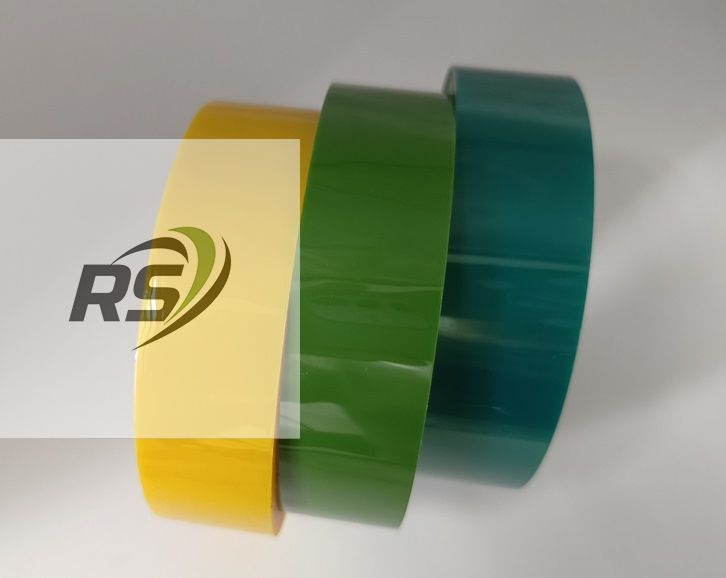
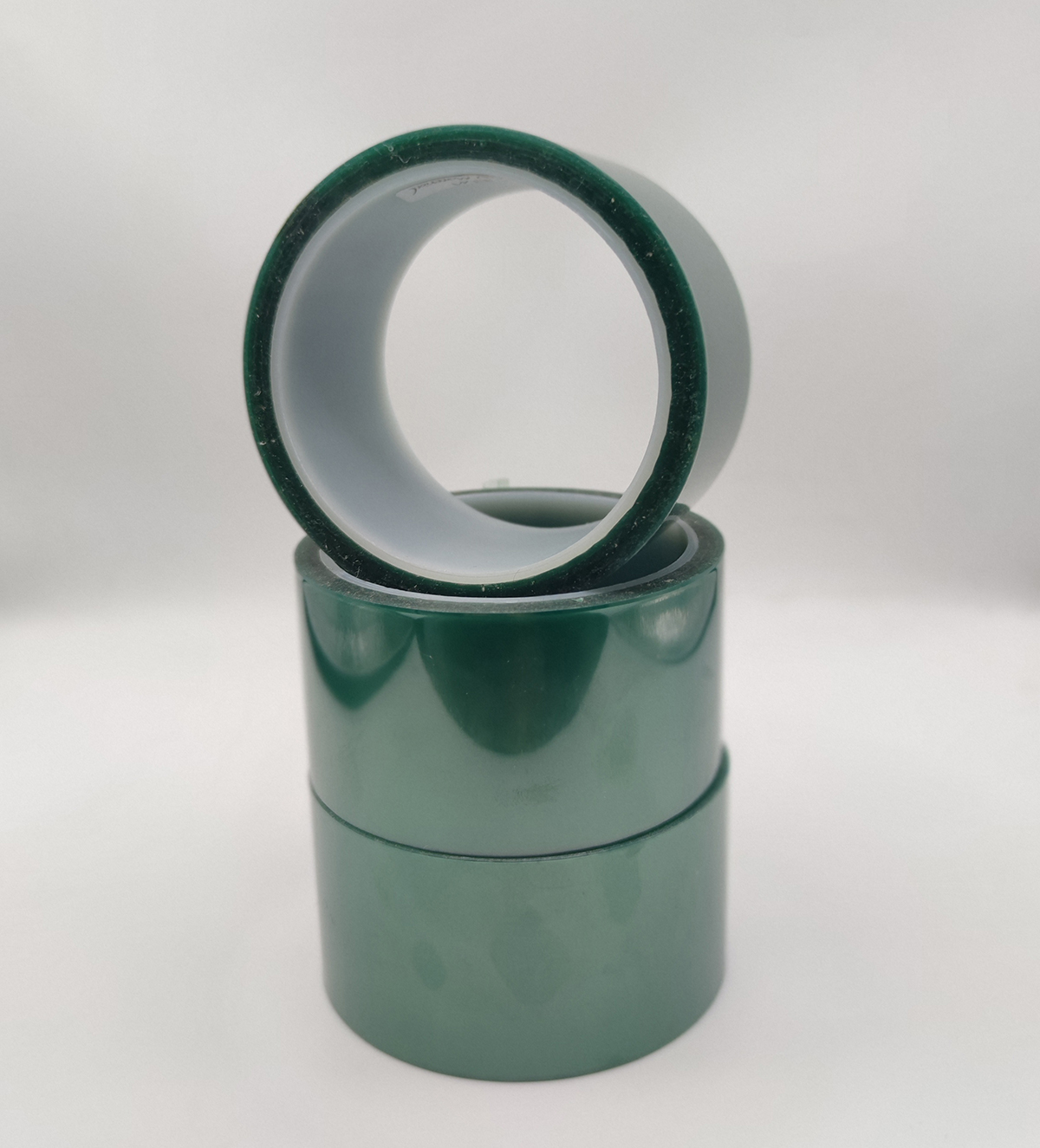
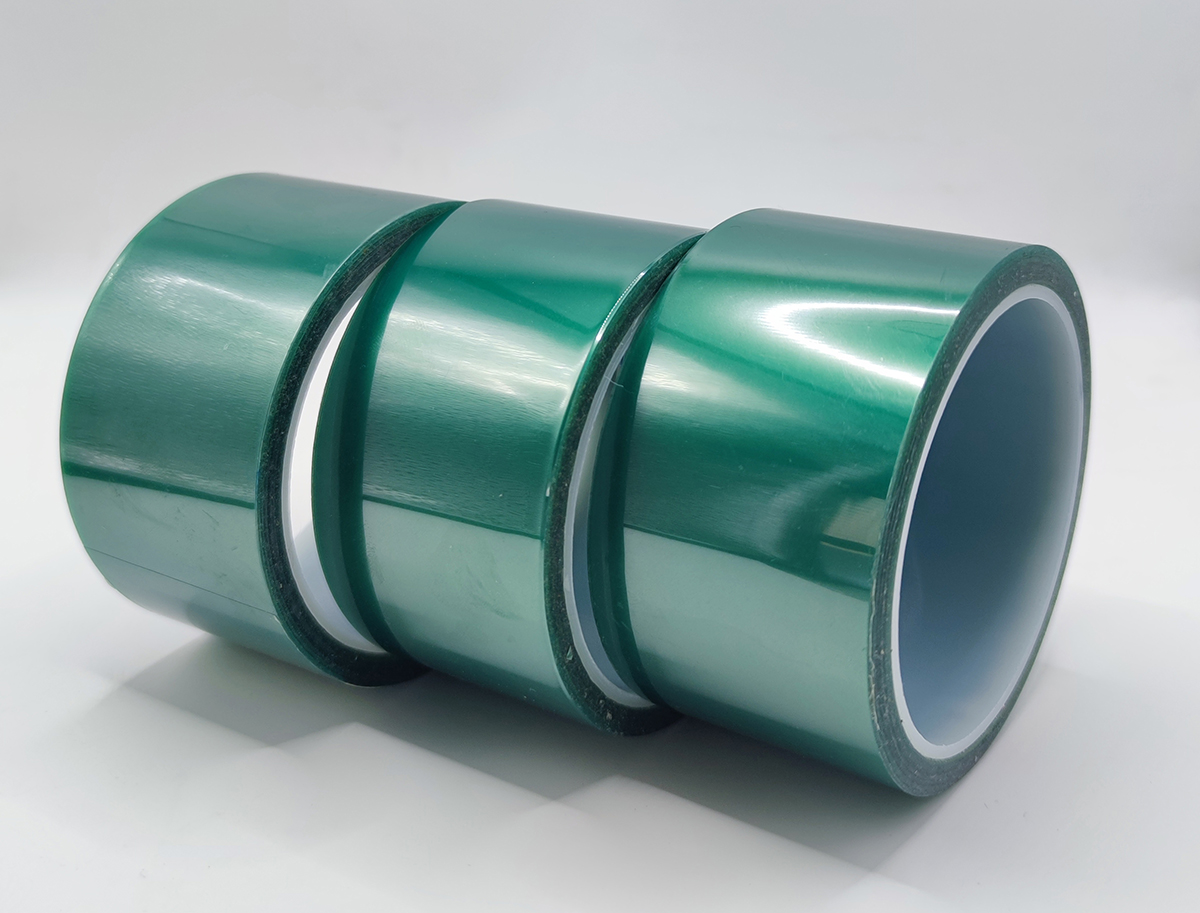
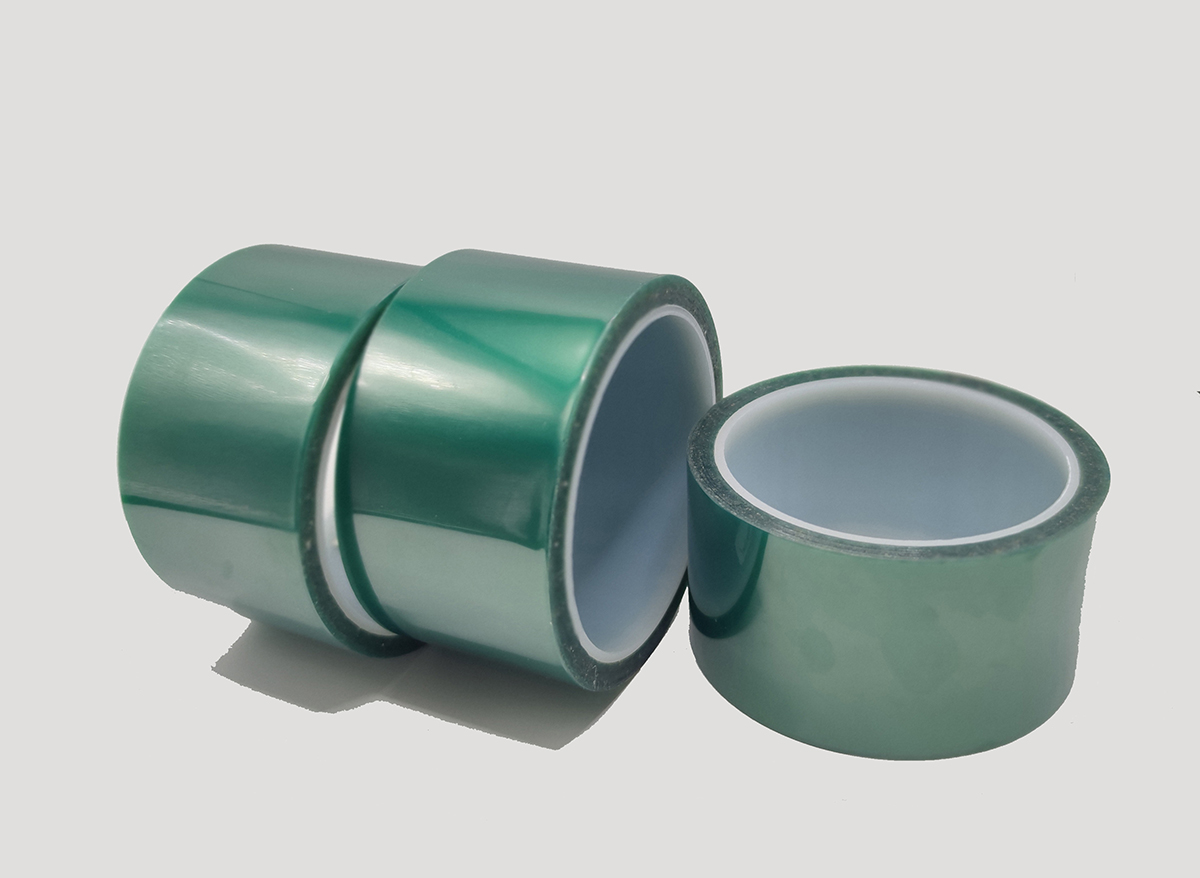
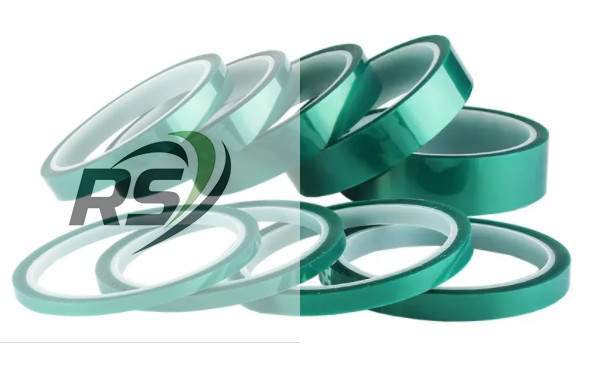
J-350 is a green PET silicone adhesive tape made with polyester film backing and pressure-sensitive silicone adhesive. It is mainly used for powder coating masking, high-temperature paint masking, metal finishing protection, temporary holding, and selected splicing work.
The tape provides clean removal, sharp masking edges, and stable handling in typical powder coating bake cycles up to 200°C. For higher short-term temperatures, chemical exposure, or parts that need later bonding or repainting, sample testing on the actual surface is recommended. Custom slit widths, 33 m / 66 m roll lengths, and sample evaluation are available for B2B buyers.
In powder coating, masking tape has a simple job on paper: cover the area that should not be coated, stay in place during baking, and come off without creating extra cleanup work. In real production, that job is not always simple. Heat, coating powder, surface roughness, oven dwell time, and removal timing can all change the result.
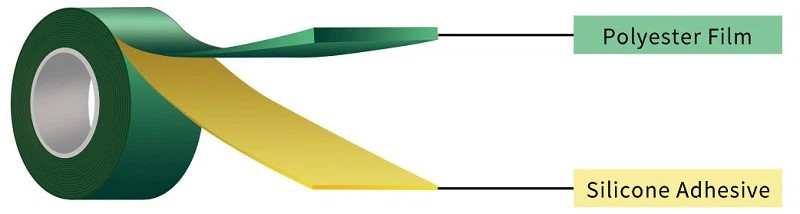
J-350 is made for this kind of industrial masking work. It combines a PET film backing with silicone adhesive, giving the tape better heat resistance than ordinary masking tapes and a cleaner removal profile when used within the recommended process window.
Buyers may describe this product in different ways: PET silicone tape, polyester silicone adhesive tape, silicone coated polyester tape, or green polyester masking tape. These names usually point to the same product family: polyester film tape coated with silicone adhesive for high-temperature masking.
For powder coating shops, aluminum profile manufacturers, metal finishing plants, appliance parts suppliers, and automotive component producers, J-350 is usually selected for three reasons: it is visible on the part, it holds a clean masking edge, and it can be custom slit to the width needed on the production line.
If you are still comparing tape grades, thicknesses, or masking conditions before sample testing, our high temperature masking tape buying guide can help you narrow down the selection.
It is not a universal high-temperature tape. It is also not a direct substitute for polyimide tape in electronics, soldering, or electrical insulation systems. For most metal masking work around 200°C, however, it can be a practical and cost-effective option.
In lower-temperature masking jobs, J-350 is often considered when polyimide tape would be more than the process really needs. For electronics, soldering, or electrical insulation work, however, polyimide tape should still be evaluated separately. See our PET silicone tape vs polyimide tape comparison for a clearer side-by-side selection view.
|
Item No. |
J-350-50 |
J-350-60 |
J-350-80 |
|
Adhesive Type |
Silicone |
Silicone |
Silicone |
|
Total Thickness |
0.05 mm |
0.06 mm |
0.08 mm |
|
Adhesion to Steel |
6.8 N/25mm |
8.8 N/25mm |
9.8 N/25mm |
|
Tensile Strength |
≥60 MPa |
≥80 MPa |
≥100 MPa |
|
Elongation at Break |
≥60% |
≥80% |
≥100% |
|
Temperature Resistance |
200°C |
200°C |
200°C |
|
Standard Length |
33 m / 66 m |
33 m / 66 m |
33 m / 66 m |
Notes:
· The values above are typical data and should be confirmed with the latest TDS before production approval.
· 200°C is the main temperature reference for the J-350 series.
· Short-term exposure above 200°C, such as 220–230°C, needs testing under the actual bake time, oven profile, substrate, coating type, and removal condition.
· Clean removal depends on temperature, dwell time, surface condition, coating process, and removal method.
· Tensile strength is currently listed in MPa. For tape-to-tape comparison, many buyers prefer breaking strength in N/25mm or N/cm. This data can be confirmed through the latest TDS or agreed testing if required.
The thinnest tape is not always the best, and the thickest tape is not always safer. The right choice depends on the masking area, edge requirement, part shape, and removal method.
The 0.05 mm grade is easier to handle on smaller areas, narrow masking lines, and lighter-duty parts. It is a good starting point when flexibility matters more than extra stiffness.
The 0.06 mm grade is often the balanced option. Many buyers start here for general powder coating masking because it gives a practical mix of handling, adhesion, and removal performance.
The 0.08 mm grade has a stronger hand feel. It may be a better choice for wider masking zones, larger metal parts, or applications where operators want the tape to remove more easily in one piece after baking.
Adhesion also deserves some thought. A higher adhesion value can help reduce edge lifting, but it may increase removal force after heat exposure. If the part surface is polished, coated, textured, or visually critical, testing one roll before bulk purchase is a lot cheaper than fixing residue or paint-line defects later.
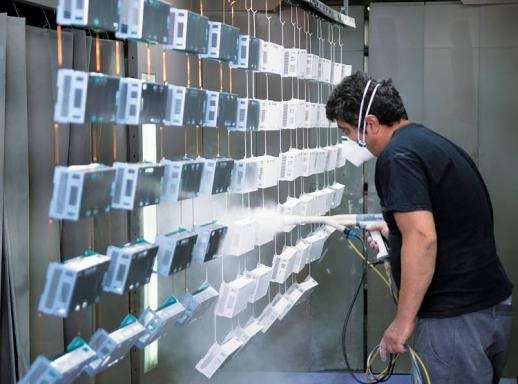
J-350 is mainly used as a powder coating masking tape. Common masking points include threaded areas, mating surfaces, grounding contact points, machined edges, connection zones, and other areas that need to remain coating-free.
For extruded aluminum profiles, the tape helps operators create clean masking lines before coating or finishing. The green PET backing is easy to spot, which reduces missed removal after curing.
On steel chassis, cast metal parts, weldments, appliance housings, and automotive metal components, J-350 can be used for temporary protection during coating. It is especially useful when the job requires a cleaner edge than ordinary masking tape can provide.
The tape can also be used for selected high-temperature paint masking. Here, the main check is not only oven temperature. Paint chemistry, bake time, part thickness, and removal timing all matter.
For holding and splicing work, J-350 can be considered when heat resistance and clean removal are both required. This should still be tested on the real surface, especially if the material has low surface energy or will be processed again later.
Some applications look close on paper but behave differently in production.
If the bake cycle goes beyond 200°C, test first. Silicone adhesive may tolerate high heat, but the PET backing has its own thermal limits. Above the normal working range, the film may shrink, curl, or lose dimensional stability. That can lead to edge lifting or a rough masking line.
Anodizing, plating, and e-coating also need process-level testing. Chemical exposure, immersion time, bath condition, rinse process, and post-treatment cleaning can all affect performance. A tape that works well in a dry powder coating oven may not automatically perform the same way in a chemical bath.
Later bonding, sealing, repainting, or additional coating is another area to watch. Since J-350 uses silicone adhesive, surface compatibility should be checked before production. Silicone-related contamination can contribute to cratering or fisheye defects in coating operations, so approval should be based on real part testing, not only the tape name.
If you are already seeing residue, edge lifting, paint bleed, cratering, or fisheye defects, start with our powder coating masking tape failure analysis before changing tape grades.
J-350 should not be positioned as a primary electrical insulation tape. If it is used for temporary electronic masking or holding, the customer should verify temperature, residue, and insulation requirements separately.
It is also not a permanent masking material. It is made for temporary masking and removal after processing.
J-350 is available in 0.05 mm, 0.06 mm, and 0.08 mm thicknesses. Standard roll lengths are 33 m and 66 m. Custom slitting is available according to the required masking width and order quantity.
Width selection can make a real difference on the line. A narrow roll is useful for threaded areas, small edges, or detailed masking. A wider roll helps cover larger protected zones faster and can reduce application time on long metal parts.
For more details on width, thickness, temperature, and sample approval steps, refer to our powder coating tape selection guide.
Before requesting a quotation, it helps to send the basic process details:
· Required width
· Preferred thickness
· Roll length
· Bake temperature
· Bake time or dwell time
· Surface material, such as aluminum, steel, glass, or coated metal
· Coating process, such as powder coating or high-temperature paint masking
· Expected order quantity
· Sample testing requirement
With this information, we can recommend a suitable J-350 thickness, prepare samples for evaluation, and quote based on your actual production requirement.
Q1: Why does J-350 list 200°C when some PET silicone tapes mention 220°C or 230°C?
For J-350, 200°C is the main working reference. Some PET silicone tapes may handle higher short-term bake cycles, but that depends on exposure time, oven profile, part thickness, coating type, and removal timing. The silicone adhesive is not the only limit. The PET film backing may shrink, curl, or lose dimensional stability when pushed too far above its normal working range. If your process reaches 220–230°C, test the tape on the real part first.
Q2: Which thickness should I start with?
For general powder coating masking, many buyers start with 0.06 mm. Use 0.05 mm when flexibility and narrow masking lines are more important. Use 0.08 mm when you need a stronger hand feel, larger masking coverage, or easier one-piece removal after baking. Final selection should be confirmed by sample testing.
Q3: Will J-350 leave residue after powder coating?
J-350 is made for clean removal in typical powder coating bake cycles, but residue risk depends on the full process. Temperature, dwell time, coating chemistry, surface roughness, pre-treatment, and removal angle can all affect adhesive transfer. For visible or high-value parts, test before bulk order.
Q4: Can J-350 be used for anodizing, plating, or e-coating?
It can be evaluated, but it should not be approved only because it is a PET silicone adhesive tape. Chemical exposure, immersion time, bath condition, and cleaning steps may affect performance. Share your process details before sample testing.
Q5: Is PET silicone tape the same as polyimide tape?
No. PET silicone tape is commonly used for powder coating masking, metal finishing protection, and clean removal applications around 200°C. Polyimide tape is usually selected for higher-temperature electronics, soldering, or special insulation applications. They are not direct substitutes in every process.
Q6: Could silicone adhesive affect later painting or bonding?
It can, depending on the surface, cleaning process, coating system, and downstream requirement. If the part will be bonded, sealed, repainted, or coated again after masking, surface compatibility testing is strongly recommended before production approval.
Q7: What should I provide before requesting samples or a quotation?
Please provide tape width, thickness, roll length, bake temperature, dwell time, surface material, coating process, and estimated quantity. If clean removal or edge sharpness is critical, also describe the part surface and removal condition.
Need a PET silicone adhesive tape for powder coating masking or metal finishing protection?
Send us your required width, thickness, bake temperature, dwell time, surface material, and quantity. We can provide J-350 samples, technical data, and a custom quotation for evaluation.