info@jxgreentape.com
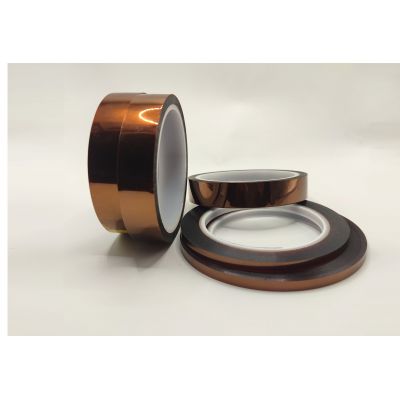
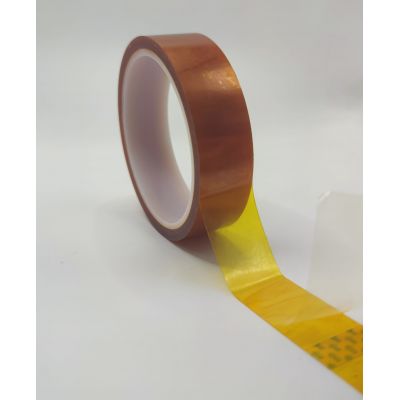
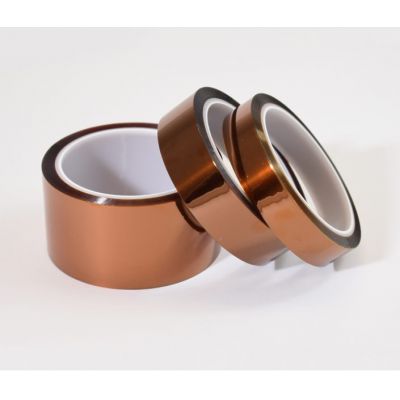
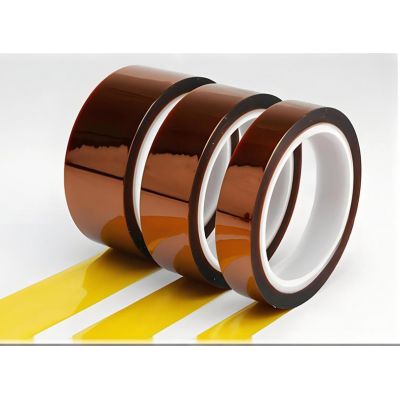
Polyimide tape combines a thin, heat-resistant film backing with a pressure-sensitive adhesive. It is commonly evaluated for PCB process masking, electrical insulation, electronic component protection, thin bonding and applications where ordinary polyester tape may not provide enough temperature resistance.
Our product range includes silicone adhesive, acrylic adhesive, ESD, double-sided and matte black grades. These products may look similar, but they are not interchangeable. Adhesive chemistry, total thickness, heat exposure, removal requirements and the intended function should be considered before selecting a grade.
Polyimide tape is also commonly searched as Kapton tape. Kapton® is a registered trademark used for specific branded polyimide films. When branded film is required, it should be stated explicitly in the purchase specification.
|
Product |
Construction |
Total Thickness |
Published Temperature Rating |
Recommended Starting Application |
|
Single-sided, silicone adhesive |
0.06 / 0.08 mm |
Up to 260°C |
PCB solder masking, reflow, wave soldering and temporary high-temperature masking |
|
|
Single-sided, acrylic adhesive |
0.06 / 0.08 mm |
155°C |
Medium-temperature electrical insulation and applications requiring an acrylic adhesive |
|
|
Low-static/ESD grade with silicone adhesive |
0.06 / 0.08 mm |
Up to 260°C |
Static-sensitive PCB and electronics masking |
|
|
Double-sided, silicone adhesive |
0.10 / 0.15 / 0.20 mm |
Up to 260°C |
Thin bonding, positioning and insulation-layer fixation |
|
|
Single-sided, matte black film with silicone adhesive |
0.08 mm |
Up to 260°C |
Low-glare, visual masking and light-shielding applications |
The values above are product-grade information rather than universal performance guarantees. Actual performance depends on the substrate, exposure time, pressure, temperature profile, removal timing and applicable test method. Review the current grade-specific TDS before production approval.
J-630 is the standard starting grade for PCB solder masking, gold finger protection, wave soldering, reflow masking and other temporary high-temperature processes.
Temperature resistance alone does not establish suitability. Sample testing should check edge lift, tape movement, adhesive transfer and surface staining after the actual heat cycle. The PCB finish, flux, application pressure and removal timing can all affect the result.
For a broader application overview, see our PCB and Electronics Masking Solutions.
J-610 uses an acrylic pressure-sensitive adhesive and has a published temperature rating of 155°C. It is better positioned for medium-temperature electrical insulation, coil fixation, component protection and applications where an acrylic adhesive is preferred.
J-610 should not be treated as a direct substitute for J-630 in 260°C solder masking. Buyers should evaluate operating temperature, insulation position, heat-aging time and contact with varnish, resin, oil or other insulation materials.
For material selection across motors, coils and electronic components, visit our Electrical Insulation Tape Solutions.
J-630A is intended for applications where both high-temperature masking and static control are relevant. Its specified surface resistance range is 10⁶–10⁹ Ω.
Surface resistance is only one part of ESD qualification. Humidity, test method, unwind speed, removal speed, substrate and the overall ESD control program may change actual performance. Buyers handling sensitive components should confirm whether static generation during tape unwind and removal has been evaluated.
J-630C has silicone pressure-sensitive adhesive on both sides of the polyimide carrier. It is used for thin bonding, insulation-layer fixation, FPC positioning and electronic component holding.
It is not the normal choice for temporary PCB masking. Qualification should consider both bonding surfaces, application pressure, liner release, total stack height, heat exposure and possible adhesive creep.
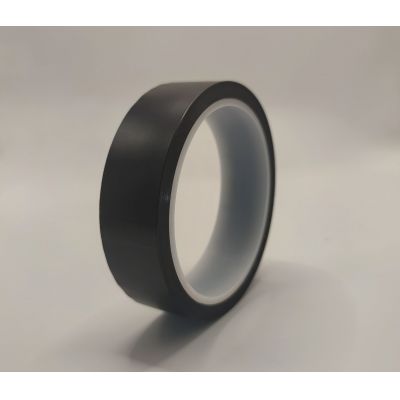
J-630B uses matte black polyimide film with silicone adhesive. Its main role is heat-resistant visual masking, glare reduction and light shielding in displays, sensors, camera modules and electronic assemblies.
Black color does not mean the tape is conductive or ESD-controlled. If the application requires a specific level of light blocking, reflectivity or surface resistance, the relevant test value should be confirmed rather than assumed from appearance.
Silicone adhesive is normally the first option for higher-temperature temporary masking. Acrylic adhesive is considered for medium-temperature insulation or when an acrylic, non-silicone adhesive system is preferred. Neither adhesive is universally better; the correct choice depends on the process.
A maximum temperature number should not be read without an exposure time. A short soldering cycle, a powder-coating bake and continuous electrical service are different conditions. Confirm whether the published value represents short-term process exposure or a longer operating condition.
Film thickness and total tape thickness are not the same measurement. Total thickness includes the adhesive, and double-sided products also require separate consideration of the release liner. Use total thickness when assembly space or masking-edge height is important.
Temporary masking is judged partly by removal after heat. Permanent insulation or bonding is judged by aging, dielectric performance, adhesion retention and compatibility with surrounding materials. State whether the tape will remain in the assembly or be removed after processing.
If you are comparing adhesive systems, thicknesses or process conditions, start with our Polyimide Tape Buying Guide.
For lower-temperature PCB processes, compare Polyimide Tape vs Green Polyester Tape before selecting the more heat-resistant material by default.
If the current tape lifts near gold fingers or allows solder leakage, review the causes in our Polyimide Tape Edge-Lifting Troubleshooting Guide.
For residue and thermocouple attachment issues, see Polyimide Tape for Soldering and Reflow Profiling.
Polyimide tape is the general material category. Kapton® refers to specific branded polyimide film. Buyers requiring branded film should identify it in the RFQ rather than assuming every amber polyimide tape uses that brand.
Choose silicone adhesive as the starting point for many high-temperature temporary masking processes. Consider acrylic adhesive for medium-temperature insulation or when an acrylic adhesive system is required.
No. Black color, matte finish and light-shielding appearance do not establish electrical conductivity or ESD performance. Select a grade with specified surface-resistance or static-control data when required.
It is not normally the first choice. Single-sided J-630 or J-630A is more appropriate for removable PCB masking, while J-630C is intended for bonding and positioning between two surfaces.
No tape should be assumed to remove cleanly under every process condition. Adhesive type, temperature, dwell time, substrate, pressure and removal timing can all affect residue.
Send your application, operating temperature, substrate, required thickness and roll size. We can help identify a suitable grade for sample testing.
For custom-width rolls, bulk orders and private-label requirements, view our polyimide tape manufacturing and supply capabilities.