info@jxgreentape.com
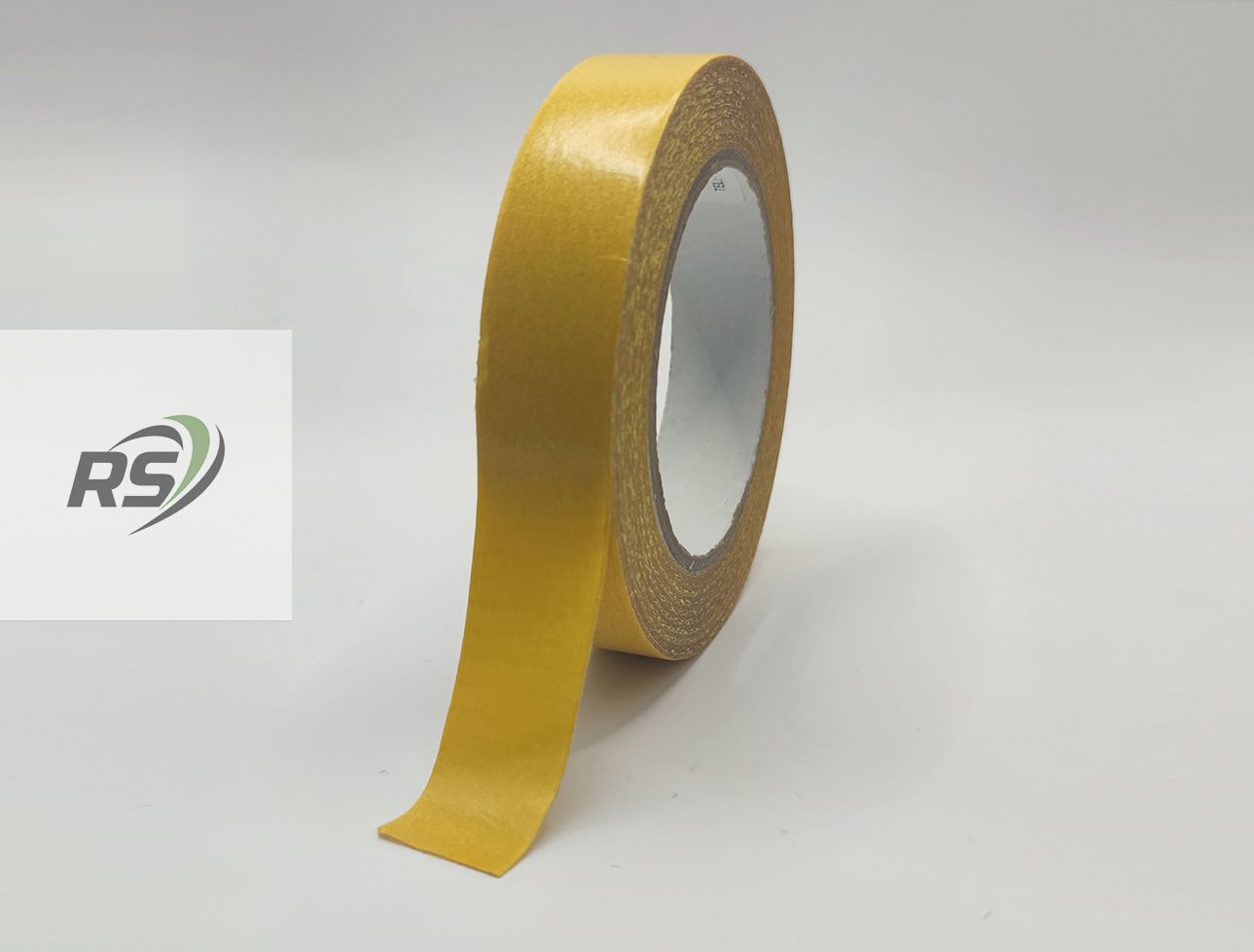
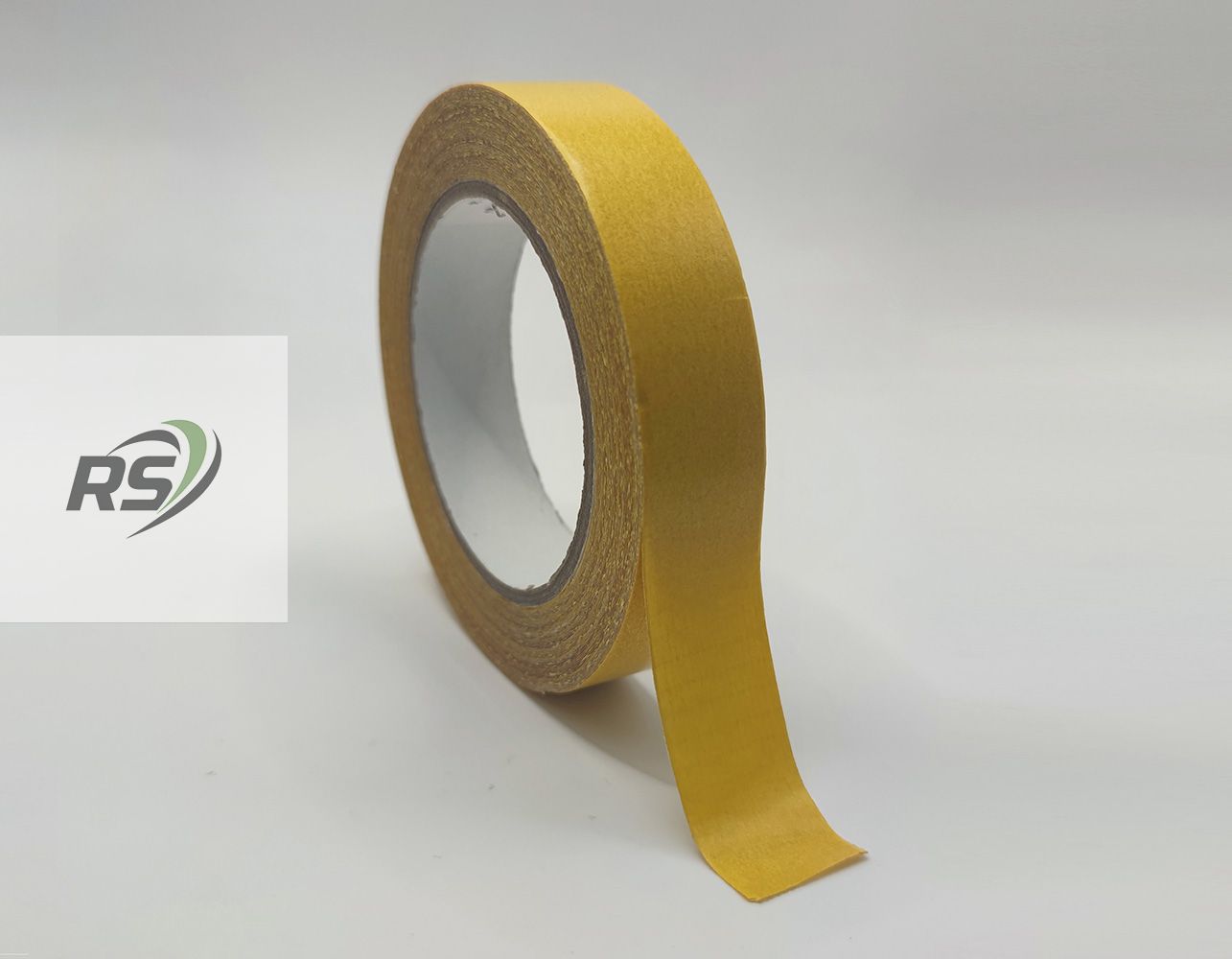
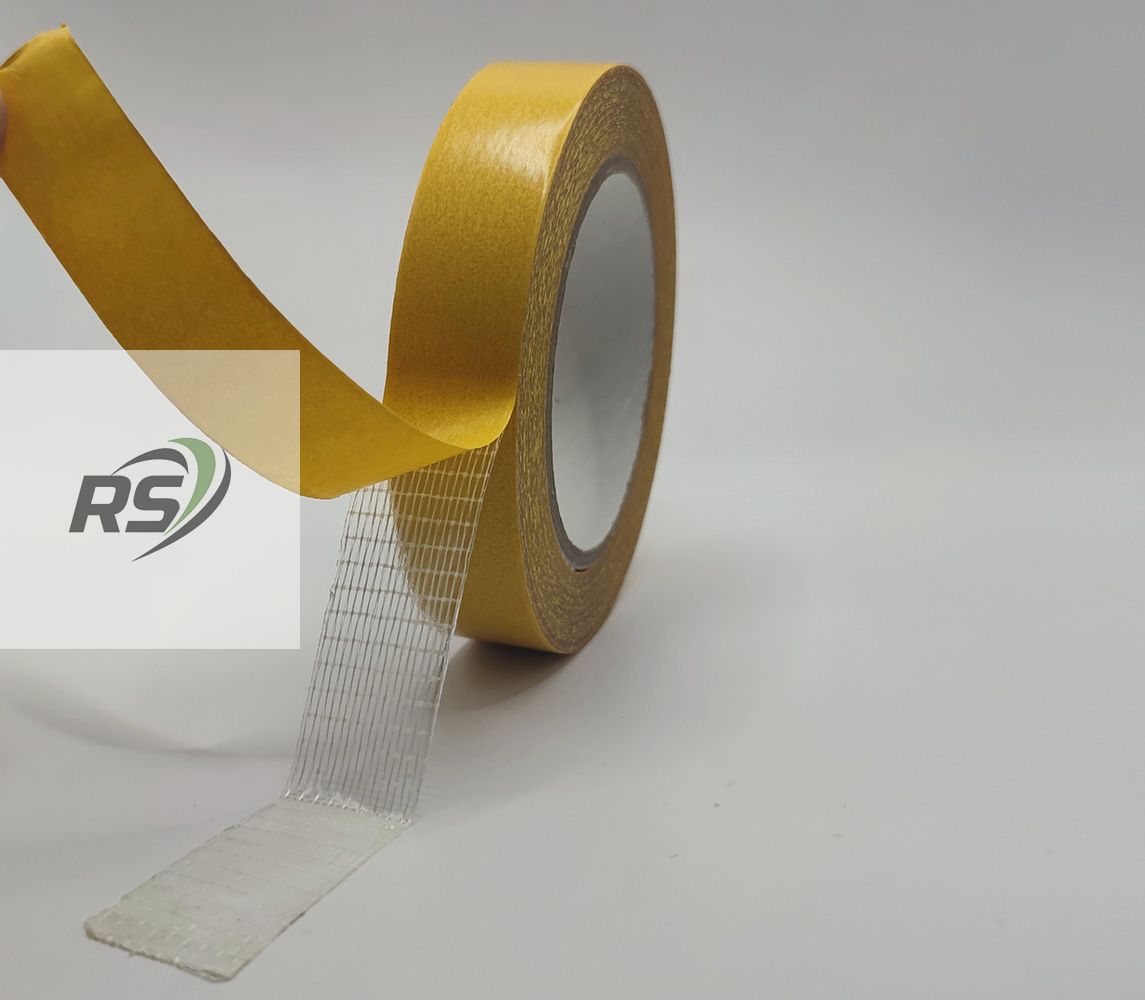
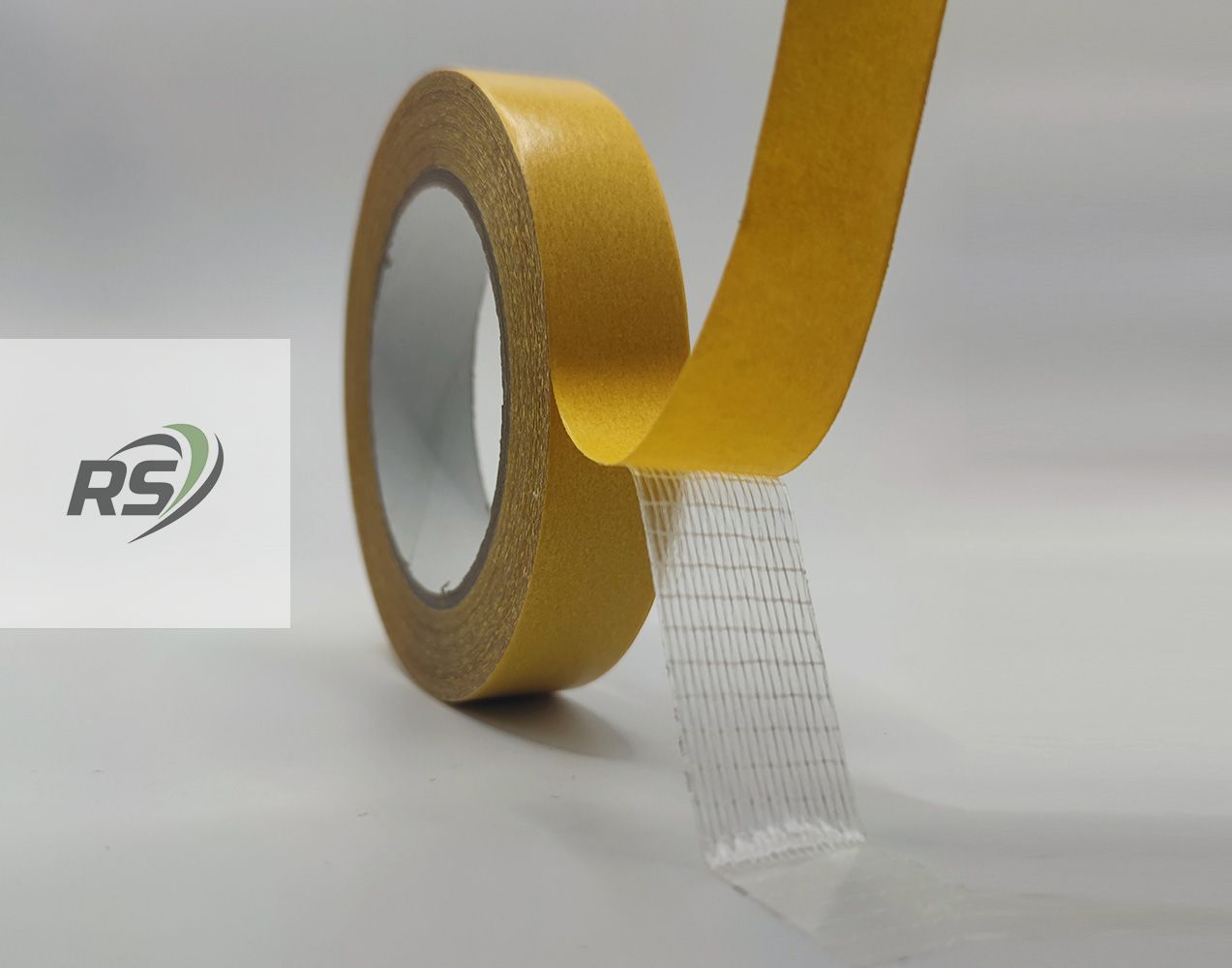
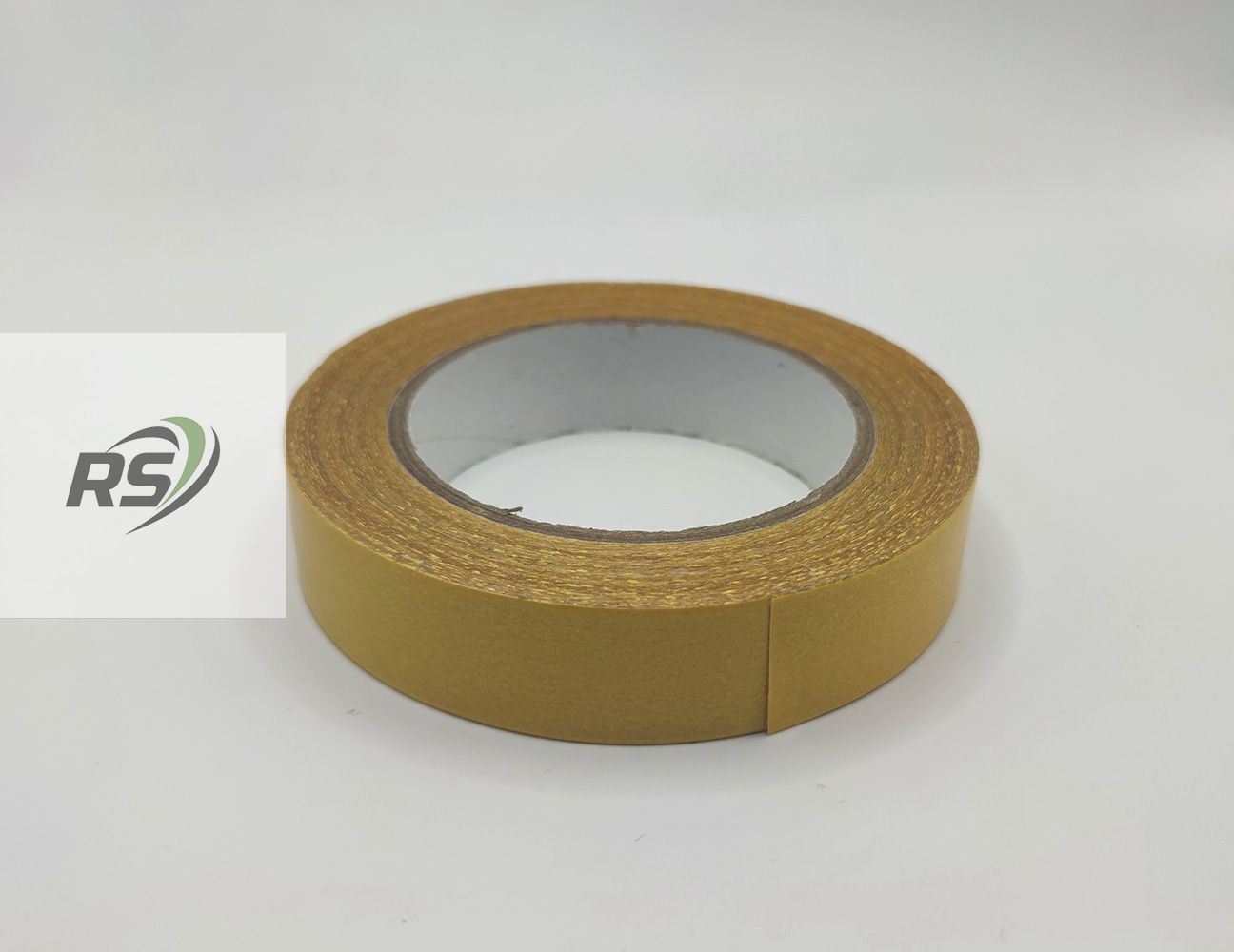
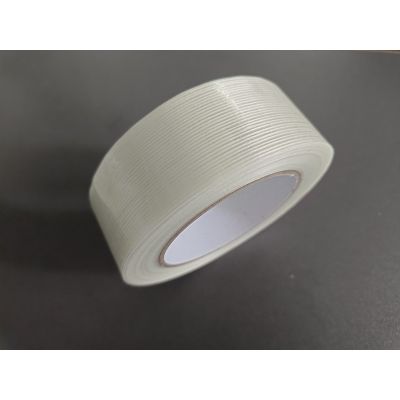
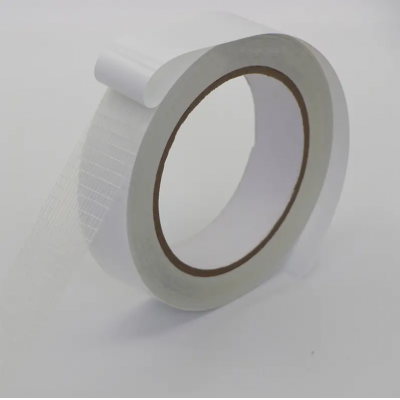
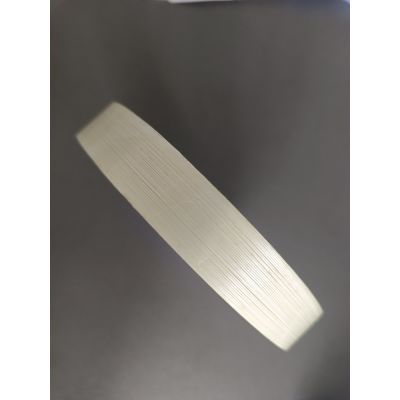
D920 is a bi-directional double sided filament tape made with fiberglass reinforcement, high-tack synthetic rubber pressure-sensitive adhesive, and a glassine paper release liner.
The fiberglass reinforcement helps control stretching and splitting during slitting, die-cutting, lamination, and assembly. The rubber adhesive provides fast initial bonding to foam, selected rubber profiles, metal, wood-based panels, rigid plastics, corrugated board, and other common industrial substrates.
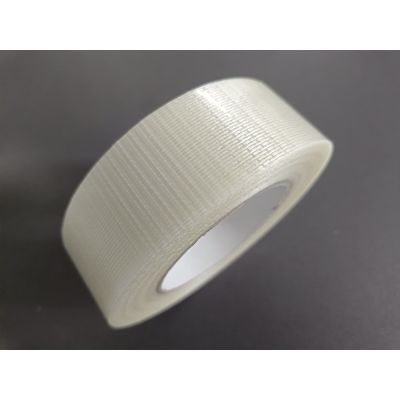
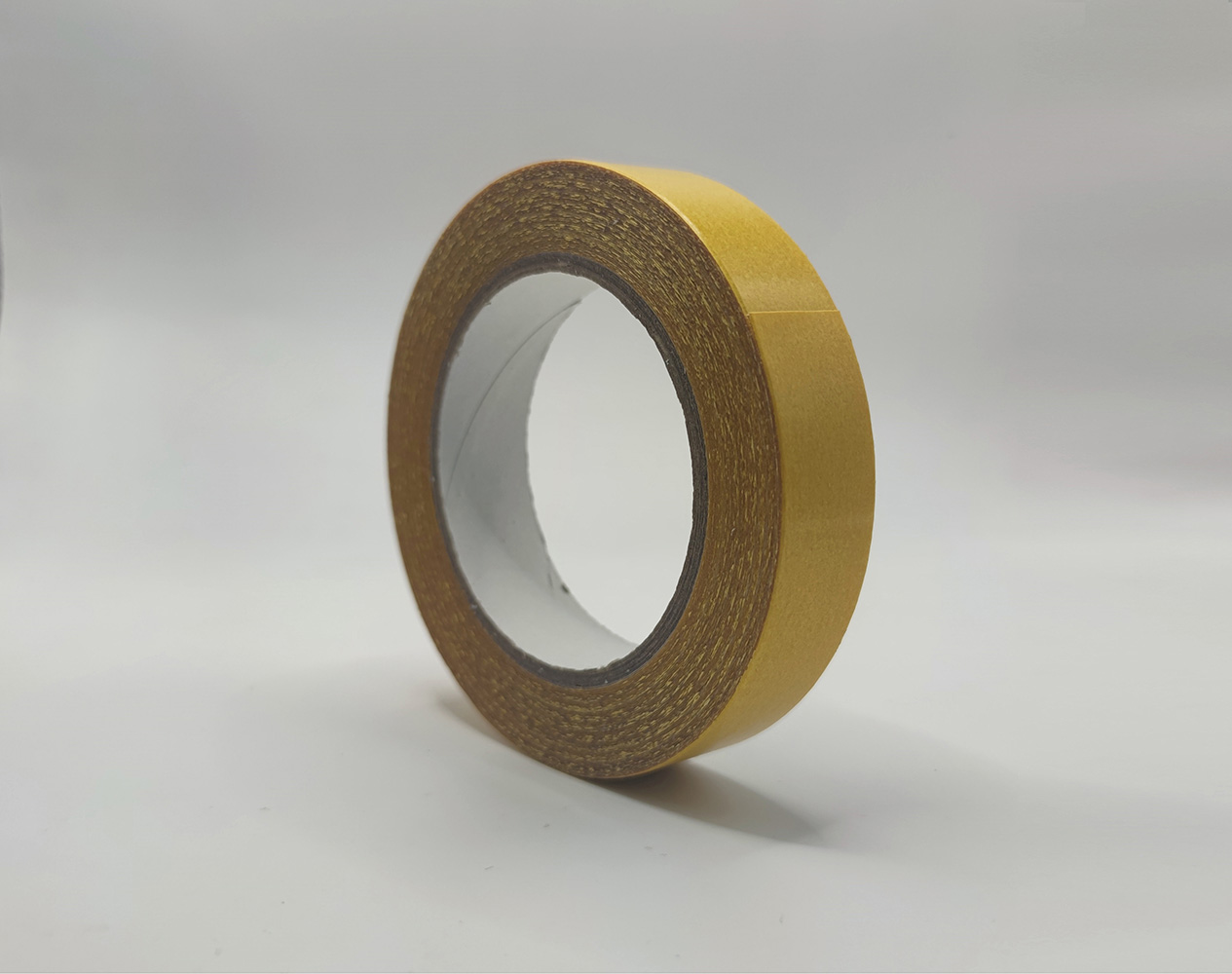
This bi-directional double sided filament tape combines fiberglass reinforcement, high-tack synthetic rubber pressure-sensitive adhesive, and a glassine paper release liner.
The fiberglass filaments run in both machine and cross directions, helping the tape remain stable during slitting, placement, die-cutting, and lamination. Compared with unsupported transfer tape or lightweight tissue-carrier double sided tape, the reinforced construction is less likely to stretch, split, or distort during handling.
It is mainly used for foam lamination, sealing-strip assembly, mat and backing-material attachment, lightweight trim bonding, cushioning components, and other non-structural industrial applications.
The glassine liner is practical for manual application and general converting work. Where stronger liner tear resistance or more controlled web handling is required, buyers can compare it with our double sided filament tape with PET film liner.
Fiberglass reinforced double sided tape is often selected for bonding foam, cushioning layers, backing materials, and flexible components that may stretch or deform during assembly.
The reinforcement helps the tape maintain its shape while the parts are positioned, pressed, cut, or transferred to the next production step. This can be useful when narrow strips are applied to foam profiles or when laminated parts need more handling stability than an unsupported adhesive transfer tape can provide.
Typical uses include:
· Foam-to-panel lamination
· Cushioning-layer assembly
· Foam profile attachment
· Backing-material bonding
· Die-cut adhesive strips and pads
· Non-structural interior components
Foam chemistry still matters. PE foam, PP foam, silicone foam, EPDM, neoprene, and rubber materials containing oils or plasticizers should be tested before bulk use.
Bonding foam or rubber sealing strips is one of the main applications for this product.
It may be used for selected door, window, appliance, furniture, enclosure, and industrial sealing profiles where fast initial adhesion and improved handling stability are required.
The application should remain non-structural. The tape is not intended to carry the mechanical load of a frame, panel, door, or safety-related component.
Flexible PVC, plasticized rubber, EPDM, and neoprene need additional attention. Migrating plasticizers, processing oils, release agents, or low surface energy can weaken the adhesive over time even when the initial bond appears strong.
Testing should use the actual sealing profile, mating surface, compression load, temperature, and expected service period.
The tape can be considered for indoor mat positioning, mat backing, cushioning layers, selected carpet-converting work, furniture backing fabrics, upholstery components, and lightweight decorative parts.
These applications generally benefit from:
· Strong initial grab
· Low stretch during placement
· Better resistance to splitting
· Stable handling during cutting and assembly
· Availability in custom slit widths
This does not make the product a universal flooring adhesive. Permanent carpet installation, stairways, wet areas, outdoor flooring, public access routes, and applications subject to building or fire regulations require a purpose-designed flooring system.
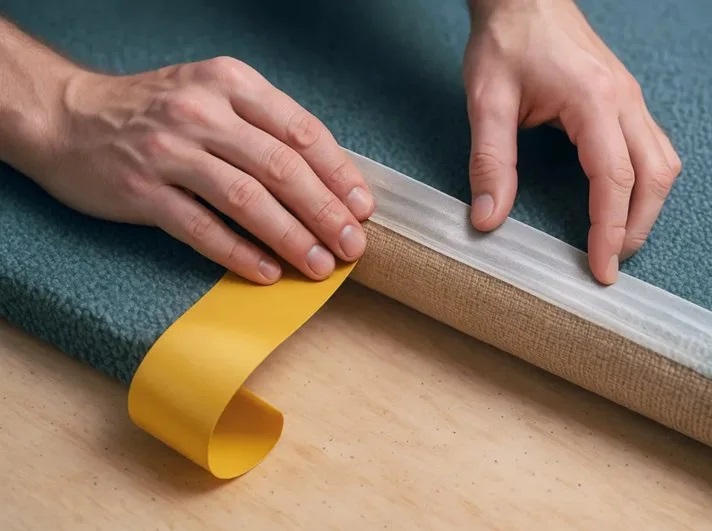
The high-tack rubber adhesive can bond selected lightweight trim, panels, display components, decorative strips, and non-load-bearing interior parts.
Suitable substrates may include metal, rigid plastic, wood-based panels, glass, coated board, and selected painted or finished surfaces.
Painted walls, drywall, weak coatings, porous stone, and fragile decorative finishes require careful testing. The bond may be stronger than the paint layer, paper facing, or surface coating, which can lead to damage during removal.
For visible surfaces, buyers should evaluate both initial adhesion and removability before approving the product.
Other possible applications include:
· Corrugated-board lamination
· Display and point-of-sale assembly
· Lightweight component positioning
· Temporary production fixing
· Non-structural panel bonding
· Converted adhesive shapes
· Bonding work where reduced stretching is required
This is a double sided bonding and laminating tape. It should not be confused with single-sided filament strapping tape used for carton closure, pallet reinforcement, pipe bundling, or export packaging.
The fiberglass reinforcement helps the tape resist distortion in both machine and cross directions.
This is useful when the material is:
· Slit into narrow rolls
· Applied in long strips
· Die-cut into pads or shapes
· Laminated to flexible foam
· Handled before final bonding
· Exposed to light pulling or assembly stress
The reinforcement improves dimensional stability, but it does not turn the tape into a structural fastening material.
Breaking strength and peel adhesion describe different aspects of performance. A tape can have high tensile strength while still failing because of poor surface preparation, low surface energy, plasticizer migration, inadequate pressure, or continuous peel stress.
For that reason, buyers should not select this product by tensile strength alone.
The synthetic rubber pressure-sensitive adhesive provides fast initial grab on many common industrial substrates.
It is generally suited to room-temperature and moderate-temperature bonding where parts need to remain in position soon after application.
The adhesive needs close contact with both surfaces. Firm and even pressure should be applied after placement, particularly on textured or slightly uneven materials.
High initial tack does not automatically prove long-term holding power. Heat, humidity, UV exposure, vibration, compression, material rebound, and continuous loading can all affect the final bond.
For low surface energy plastics such as PE and PP, silicone rubber, fluoropolymers, flexible PVC, EPDM, neoprene, and plasticized materials, application and aging tests are required.
The choice of release liner affects converting and application more than the basic adhesive function.
The glassine paper liner used on D920 is suitable for manual application, standard slitting, and selected kiss-cutting or die-cutting processes. It provides a practical option for foam strips, mats, profiles, decorative parts, and general industrial bonding.
A PET film liner may be preferred where the process requires:
· Higher liner tear resistance
· Better dimensional stability
· More controlled web tension
· Automated lamination
· Smaller or more complex die-cut parts
· More stable handling at higher converting speeds
The PET liner does not automatically provide a lower release force or cleaner release. Release performance depends on the liner coating, adhesive system, storage, converting conditions, and actual release specification.
|
Tape Construction |
Typical Use |
|
D920 with glassine liner |
Manual application, standard slitting, general die-cutting, foam and profile bonding |
|
Filament tape with PET liner |
Automated lamination, higher web tension, stronger liner handling |
|
Tissue-carrier double sided tape |
General light-duty bonding where fiberglass reinforcement is unnecessary |
|
PET-carrier double sided tape |
Thin, stable bonding on smoother surfaces |
|
Double sided foam tape |
Gap filling, cushioning, surface irregularity, and stress distribution |
Our double sided tape comparison articles provide more detail on choosing between liner, carrier, adhesive, and reinforcement structures.
|
Item |
Specification |
|
Product Code |
D920 |
|
Product Type |
Bi-Directional Double Sided Filament Tape |
|
Reinforcement |
Fiberglass filaments in machine and cross directions |
|
Adhesive Type |
Synthetic rubber pressure-sensitive adhesive |
|
Release Liner |
Glassine paper |
|
Color |
Clear with visible fiberglass reinforcement |
|
Tape Thickness |
0.20 mm |
|
Peel Strength |
25 N/25 mm |
|
Breaking Strength |
300 N/25 mm |
|
Elongation at Break |
6% |
|
Standard Roll Length |
50 m |
|
Custom Widths |
Available on request |
The values above are typical manufacturer data for product selection. Test direction, substrate, dwell time, test speed, and acceptance limits should follow the approved technical data sheet or agreed inspection specification.
The 0.20 mm thickness should be confirmed as either tape thickness excluding the liner or total construction thickness before it is used as a purchase specification.
Where machine-direction and cross-direction strength are important, separate MD and CD values should be confirmed before order approval.
Apply the tape to surfaces that are clean, dry, and free from oil, dust, release agents, moisture, polishing compounds, and loose coatings.
Firm pressure is important because a pressure-sensitive adhesive needs full contact with the substrate. On textured surfaces, the adhesive must wet the surface rather than bridge across raised areas.
For better results:
· Clean both bonding surfaces before application
· Avoid touching exposed adhesive
· Apply firm and even pressure
· Keep the tape free from wrinkles
· Allow the bond to develop before loading
· Avoid immediate peel or rebound stress
· Test tight curves and small-radius profiles
· Confirm compatibility with coated or treated surfaces
Slightly textured surfaces may be suitable if adequate adhesive contact can be achieved. Deeply rough, porous, irregular, or gap-containing surfaces may require a thicker foam tape or another bonding method.
Our adhesive bonding troubleshooting guides cover weak adhesion, edge lift, splitting, residue, surface contamination, and other common bonding problems.
This tape is designed for bonding, lamination, decoration, foam attachment, and semi-permanent non-structural fixing.
It should not replace screws, clips, staples, rivets, welding, or other mechanical fasteners in:
· Load-bearing assemblies
· Structural joints
· Overhead installations
· Safety-critical components
· Parts subject to high peel stress
· Components where failure could cause injury or damage
It is also not intended for:
· Oven curing
· High-temperature processing
· Powder coating cycles