info@jxgreentape.com
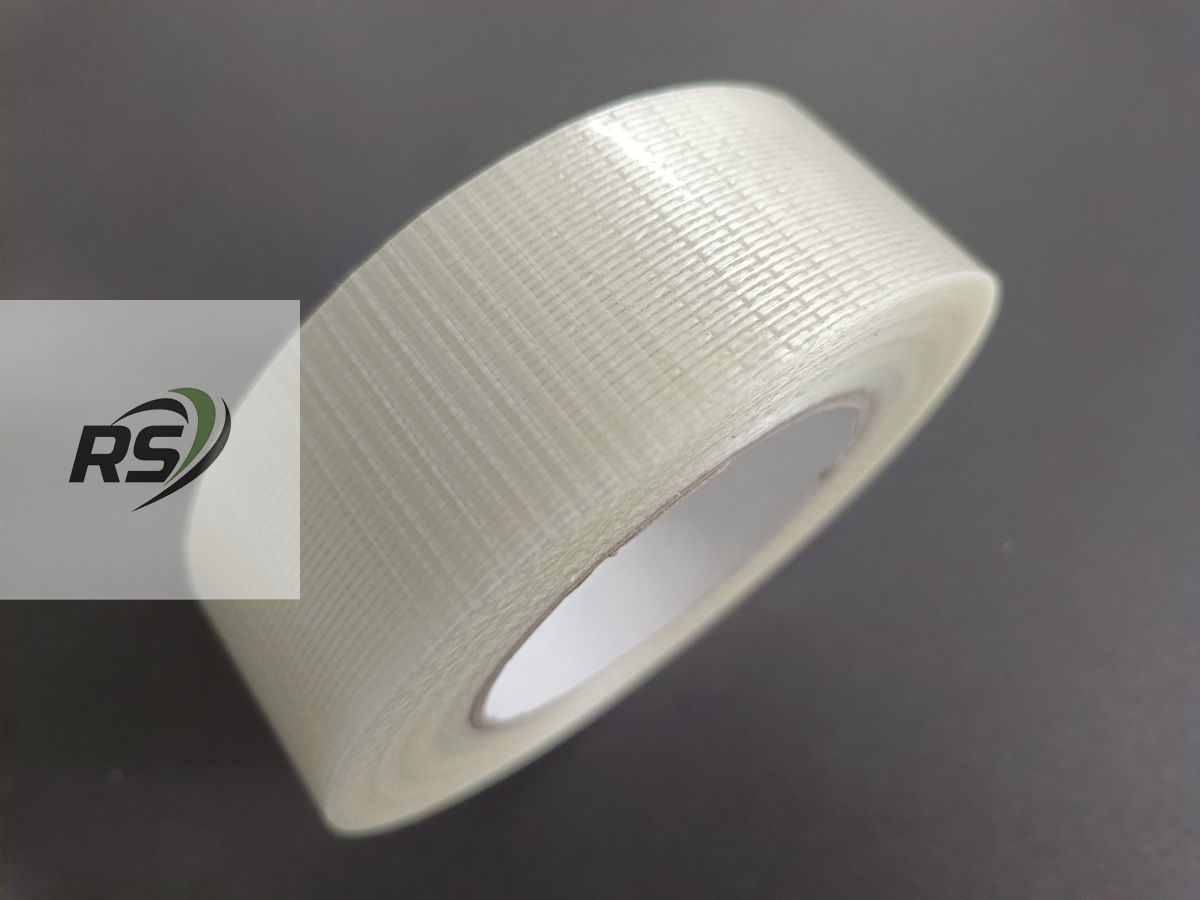
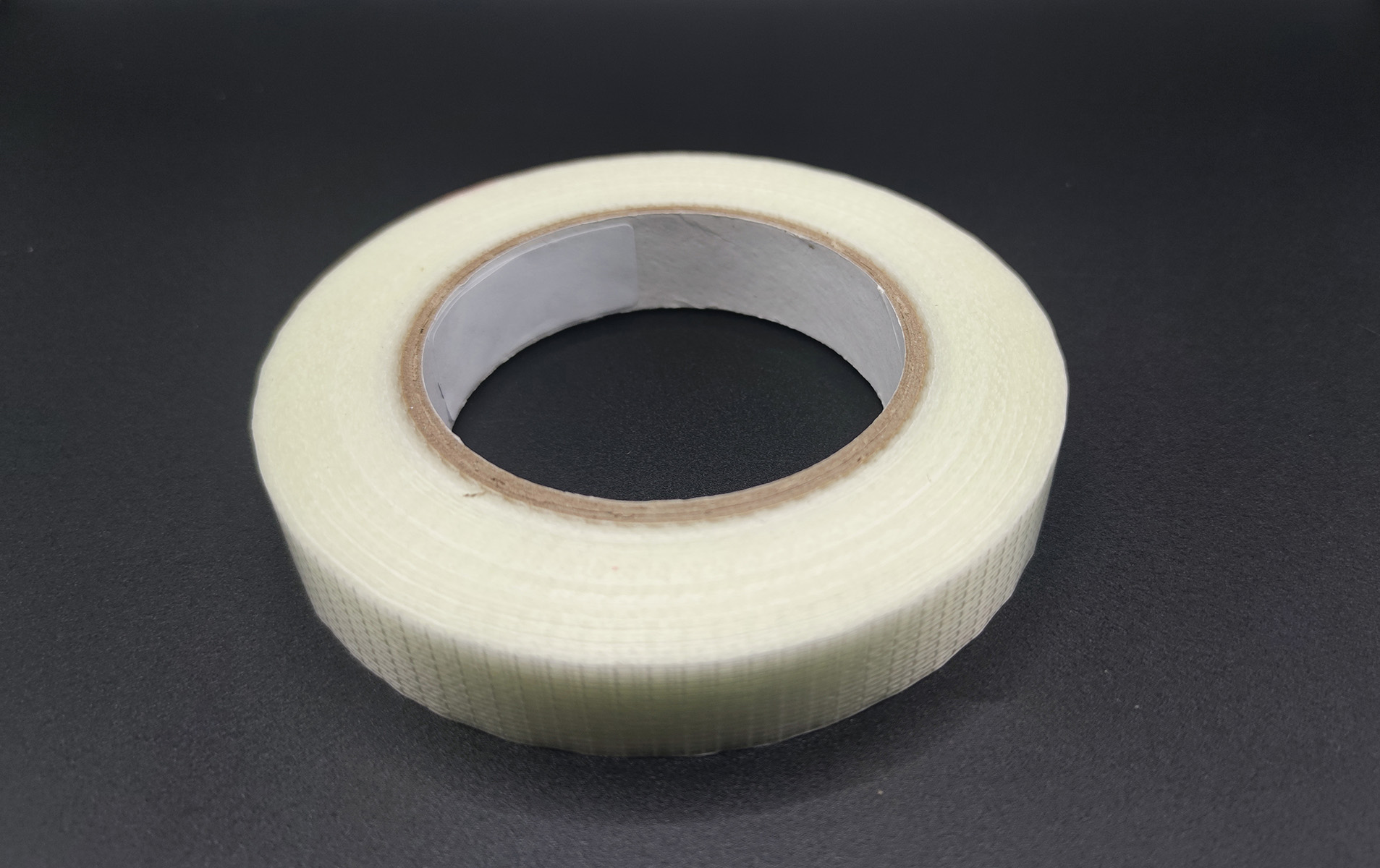
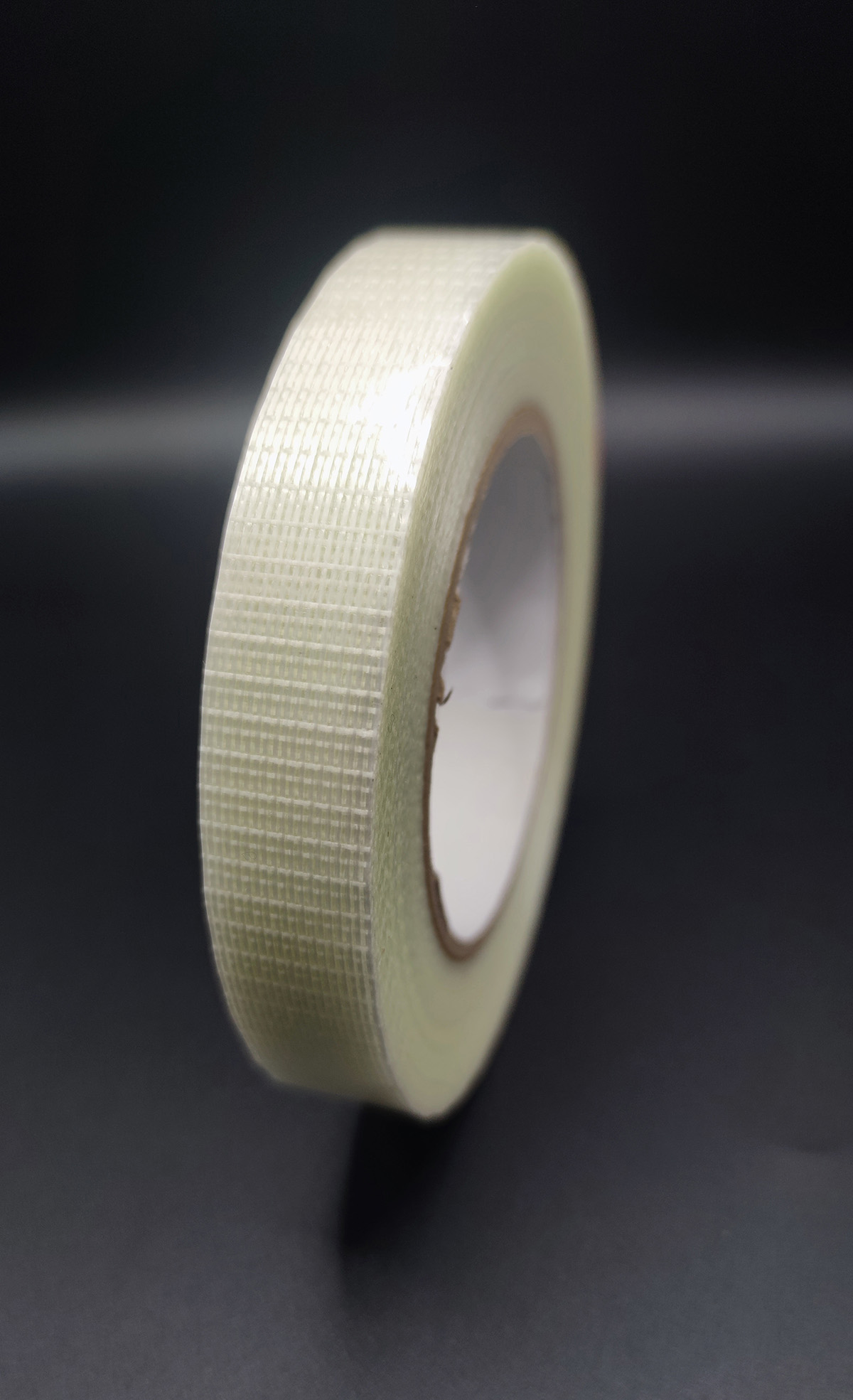
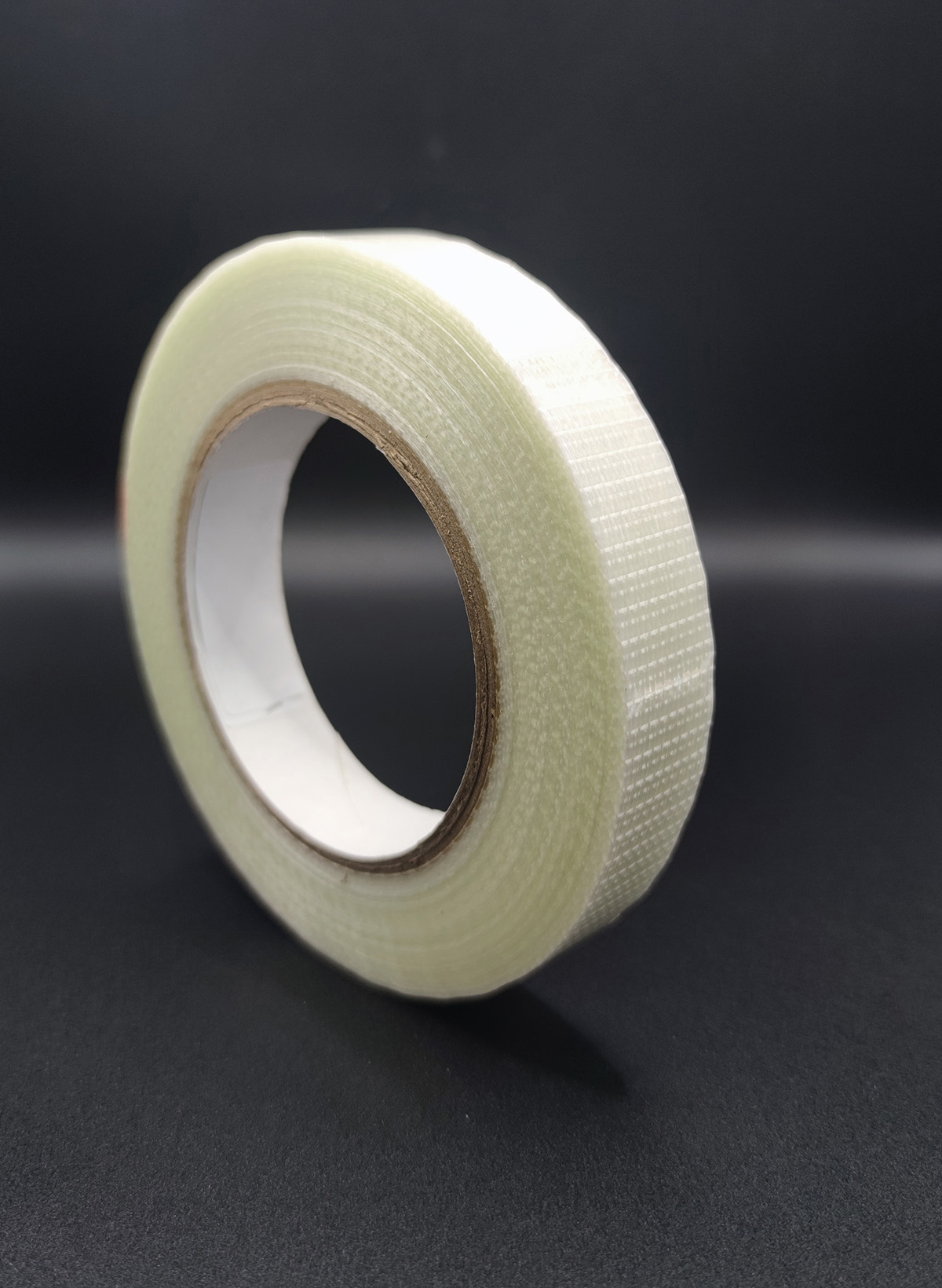
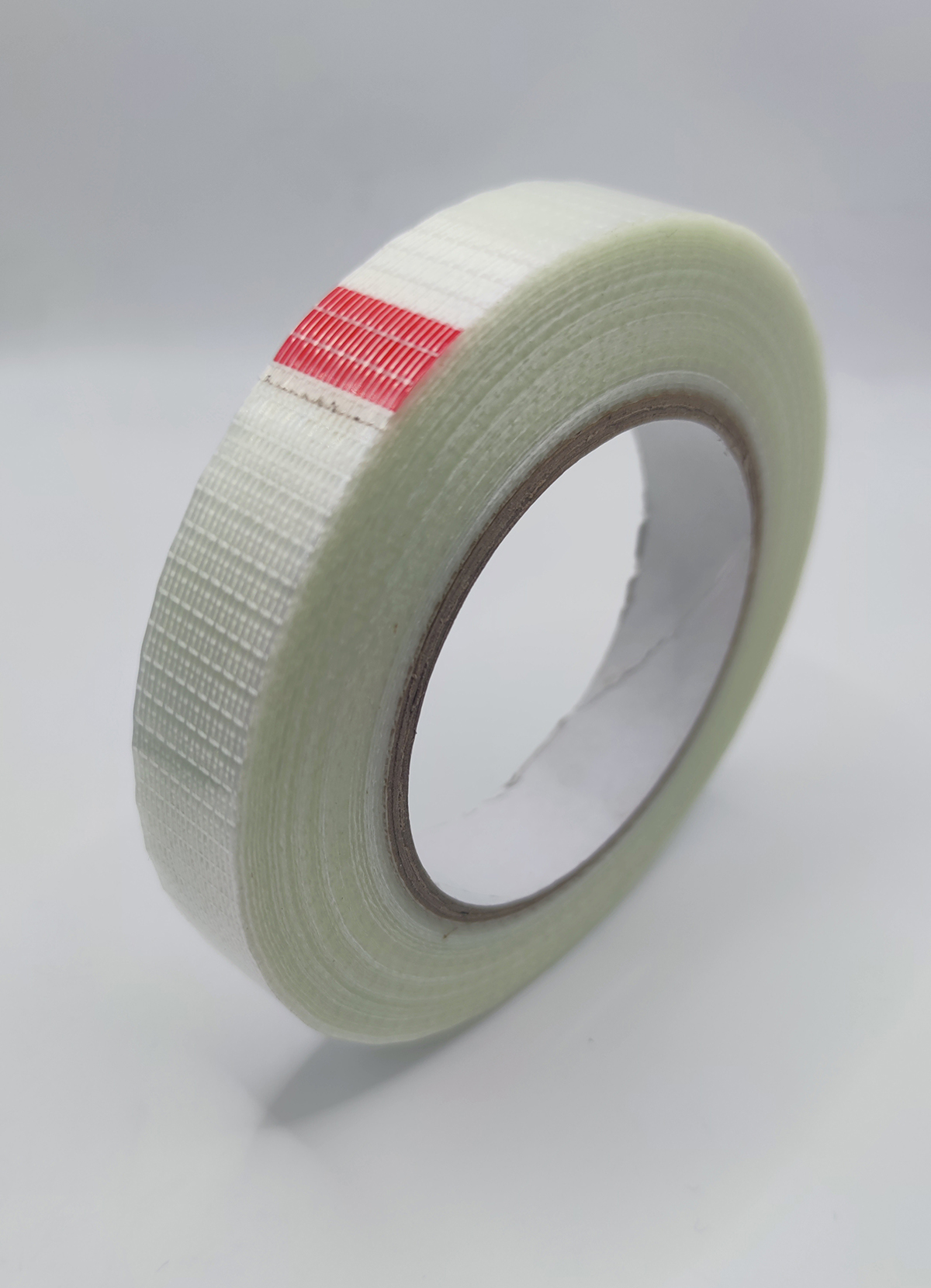
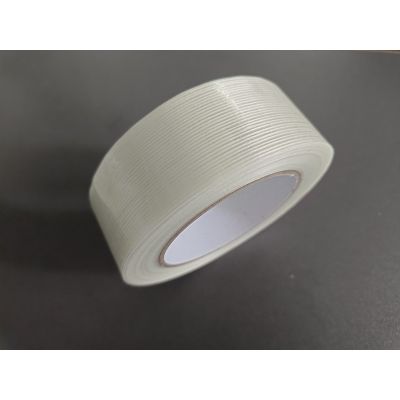
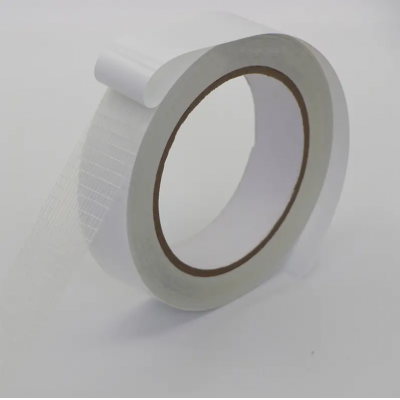
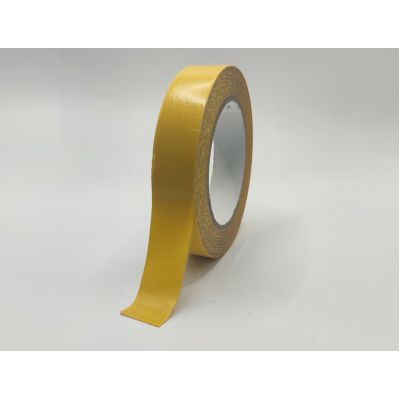
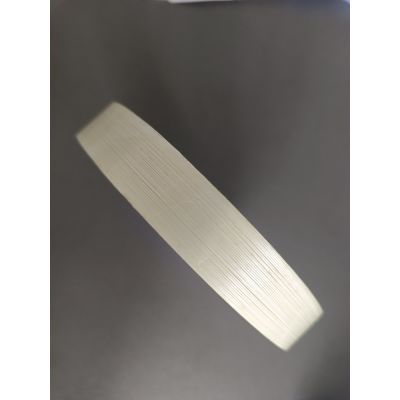
J-3702M is a bi-directional filament strapping tape made with PET film, fiberglass reinforcement, and synthetic rubber adhesive. It is designed for heavy-duty packaging, carton reinforcement, appliance fixing, furniture protection, and industrial material bundling.
Compared with mono filament tape, its bi-directional reinforcement helps improve tear resistance when packages, carton edges, or irregular bundles face stress from different directions. For surface-sensitive products, buyers should test residue and removal performance before bulk use.
J-3702M is a PET film strapping tape reinforced with fiberglass in two directions. It is used for heavy cartons, appliance packaging, temporary fixing and industrial bundling where ordinary carton tape lacks the required mechanical support.
The tape is not selected simply because it has a high tensile value. In actual packing work, the load may pull across a carton corner, twist a bundle, move a long component or tear through a weak flap. J-3702M is intended for these less predictable load patterns, where reinforcement in more than one direction can be useful.
The synthetic rubber adhesive provides initial tack on many common packaging surfaces. The final result still depends on the surface condition, tape width, wrap pattern, load movement and time in storage or transport.
For applications involving cartons, pipes, profiles and irregular industrial parts, the wider Industrial Packaging Solutions range provides related material and packaging options.
|
Attribute |
Specification |
|
Product |
Bi-Directional Filament Strapping Tape |
|
Product ID |
J-3702M |
|
Backing |
PET film with bi-directional fiberglass reinforcement |
|
Adhesive |
Pressure-sensitive synthetic rubber |
|
Total thickness |
0.14 mm |
|
Adhesion to steel |
20 N/25 mm |
|
Tensile strength |
600 N/25 mm |
|
Elongation at break |
6% |
|
Recommended operating temperature |
Up to 70°C* |
|
Standard roll length |
50 m |
|
Width |
Custom widths available |
|
Main applications |
Carton reinforcement, appliance packing and industrial bundling |
*Actual performance depends on the surface, load, dwell time, storage temperature, transport conditions and application method.
|
Property |
J-3702M |
|
Backing |
PET film + bi-directional fiberglass reinforcement |
|
Adhesive |
Synthetic rubber |
|
Total thickness |
0.14 mm |
|
Adhesion to steel |
20 N/25 mm |
|
Tensile strength |
600 N/25 mm |
|
Elongation at break |
6% |
|
Recommended operating temperature |
Up to 70°C |
|
Standard roll length |
50 m |
|
Available width |
Customizable |
The figures shown are typical product data unless otherwise stated in the agreed specification. Test substrate, conditioning, test direction and test method should be confirmed in the current TDS.
The 20 N/25 mm adhesion value is a comparison value obtained on steel. It should not be treated as a direct prediction of adhesion to corrugated board, painted metal, plastic, wood or powder-coated surfaces. For tensile strength, the relevant test direction should also be confirmed where machine-direction and cross-direction performance is important.
The 6% elongation value indicates relatively low stretch under tensile loading. It helps explain why the tape can maintain bundle tension, but it does not determine the complete load capacity of a package.
Mono filament tape is often a sensible choice when the main load follows one straight direction. For example, a long, regular bundle may only need reinforcement along its length. In that situation, Mono Filament Tape may provide a simpler and more economical solution.
J-3702M is more suitable when the load changes direction or the package does not behave like a straight bundle. Common examples include:
· Carton corners and cross seams
· Irregular bundles
· Long parts that twist during lifting
· Appliance components with several fixing points
· Packages exposed to vibration and stacking pressure
· Materials that tend to pull across the tape edge
Bi-directional reinforcement does not make the tape suitable for every heavy-duty load. It improves the way the tape distributes stress; it does not replace correct carton design, edge protection or mechanical strapping where those are required.
A carton rarely fails in the middle of a clean, undamaged panel. More often, the weak point is a seam, corner, bottom flap, handle opening or area that has already been compressed during handling.
J-3702M can be used across selected weak points to:
· Reinforce carton seams
· Support corners
· Hold edge protectors in place
· Secure bottom flaps
· Reinforce hand holes
· Add cross strips to heavy cartons
· Hold a package together before stretch wrapping
The tape should be selected together with the carton grade and package weight. If the board is damp, crushed or too weak for the stacking load, adding a stronger tape may only postpone the failure.
For palletized export cartons, consider the tape together with carton construction, edge boards, stretch film, pallet pattern and stacking pressure. The tape is part of the packaging system, not a substitute for it.
J-3702M can be used for temporary fixing and protective holding during the packing of appliances, metal products and finished equipment.
Typical examples include:
· Holding appliance doors or removable panels
· Securing accessories inside a carton
· Fixing protective boards or edge guards
· Preventing components from moving during transport
· Reinforcing packaging around corners and openings
The adhesive performance and removal result deserve equal attention here. Painted steel, plastic trim, laminated panels and powder-coated surfaces can react very differently from a clean steel test panel.
If the tape will remain on the product during warm storage or ocean transport, test it after the intended dwell time. Inspect for adhesive transfer, ghost marks, coating lift, discoloration and difficult removal. A short room-temperature test is not enough for a surface-sensitive appliance.
The tape can support the packaging of furniture panels, metal frames, wooden rails, flat-packed parts and other long components. It may hold edge protection, keep panels together or reduce movement before the outer package is closed.
Dust and unfinished wood are common causes of poor adhesion. Saw residue, moisture, rough fibers and porous surfaces reduce the area that can actually contact the adhesive. On these materials, the practical solution may be better cleaning, more contact area or a different packing method rather than simply using more tape.
For finished furniture or coated metal, evaluate removal after the actual packing period. If the product will be unpacked by a distributor or end user, visible marks can become a greater problem than the original holding failure.
J-3702M can be evaluated for pipes, rods, tubes, profiles and other long materials that need temporary bundling or handling support.
These applications require more than a tensile break test. A smooth round bundle may slowly move even when the tape does not break. The relevant questions are:
· Does the bundle loosen after standing?
· Does the tape creep under its own weight?
· Does the surface allow sufficient contact?
· How many wraps are required?
· Does the tape cut into a sharp profile?
· Will the bundle be lifted, rolled or dragged?
For heavier bundles or sharp-edged metal, combine the tape with suitable edge protection or mechanical strapping. The right width and wrap pattern often have more influence on performance than a small difference in tensile strength.
J-3702M can be used to hold accessories, profiles, parts and protective materials during internal handling or shipment.
The bonding surface should be checked before application. Anti-rust oil, cutting fluid, release agent and dust can reduce the initial bond. A clean steel test result does not represent a surface covered with machining residue.
If the tape appears to “lose adhesion,” inspect the actual failure:
· Did the adhesive peel from the surface?
· Did the PET backing break?
· Did the fiberglass reinforcement split?
· Did the bundle slide under shear?
· Did the surface coating lift?
· Did the tape leave transfer after removal?
This distinction matters because the solution may involve surface cleaning, a different tape width, more overlap, a change in wrap direction or a different adhesive grade. The same failure symptoms can have different causes, which is why the relevant Failure Analysis should begin with the actual load and surface rather than the tape name alone.
The synthetic rubber adhesive is selected for initial tack and general industrial packaging work. Actual performance depends on the substrate and the time the tape remains in place.
Corrugated board, coated paper, painted steel, plastic housings, wood and powder-coated metal should not be treated as equivalent surfaces. On a porous carton, the adhesive may pull fibers from the board. On painted metal, the concern may be residue or coating damage. On smooth plastic, the concern may be lower adhesion or slow edge lifting.
For temporary fixing, test the tape after the real dwell time. For bundling, check whether the tape holds under shear and does not creep while the bundle is stored. For removal-sensitive products, record the removal angle and inspect the surface under normal lighting as well as oblique lighting for ghost marks.
J-3702M is intended for normal packaging, warehouse and transport conditions up to approximately 70°C, subject to the actual load and dwell time.
It is not a high-temperature process tape for:
· Powder coating
· Oven baking
· Solder masking
· High-temperature paint processing
· Motor winding
· Transformer insulation
· Applications requiring certified electrical or thermal performance
A warm container or warehouse may expose the tape to heat for hours or days. That condition should be tested separately from a short temperature exposure in a laboratory.
|
Selection factor |
J-3702M Bi-Directional Tape |
Mono Filament Tape |
|
Reinforcement |
Fiberglass in two directions |
Mainly one-direction reinforcement |
|
Best starting point |
Irregular or multi-directional stress |
Straight-line tensile loading |
|
Typical use |
Carton corners, cross reinforcement, irregular bundles and appliance packing |
Regular bundles, pipes and applications mainly loaded along the tape length |
|
Main selection issue |
Stress distribution and tear resistance |
Longitudinal tensile strength and cost |
|
Application check |
Corners, twisting, cross-direction movement |
Wrap direction, tension and overlap |
The decision should start with the current failure. If a mono tape breaks along a straight load path, changing width or wrap pattern may be enough. If the package tears around corners, twists during handling or shifts in several directions, J-3702M is a reasonable sample candidate.
Broader comparisons between PET, fiberglass-reinforced and other industrial tape constructions can be reviewed in Material Comparisons.
J-3702M is supplied in standard 50 m rolls. Custom widths and lengths can be discussed according to the application and production requirement.
Common quotation details include:
· Tape width
· Roll length
· Core size
· Roll diameter
· Carton quantity
· Private-label packaging
· Printed carton marks
· Sample packaging