info@jxgreentape.com
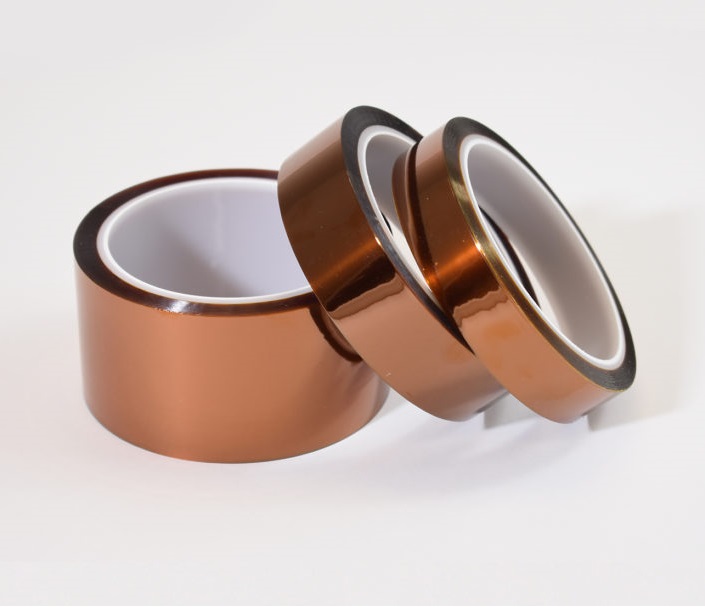
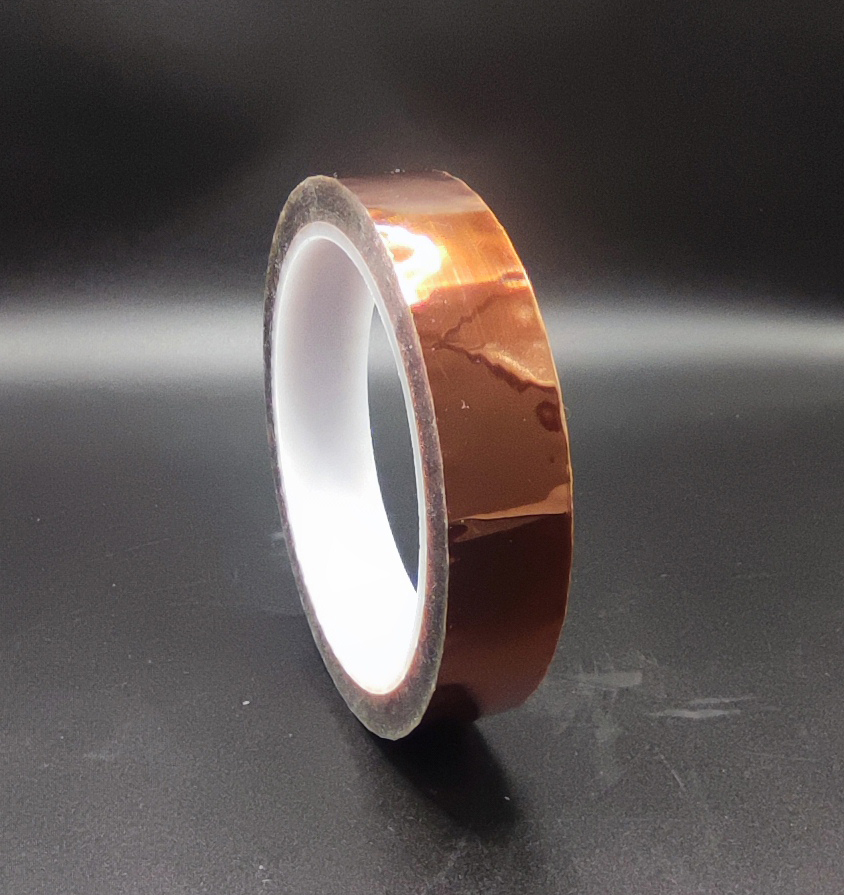
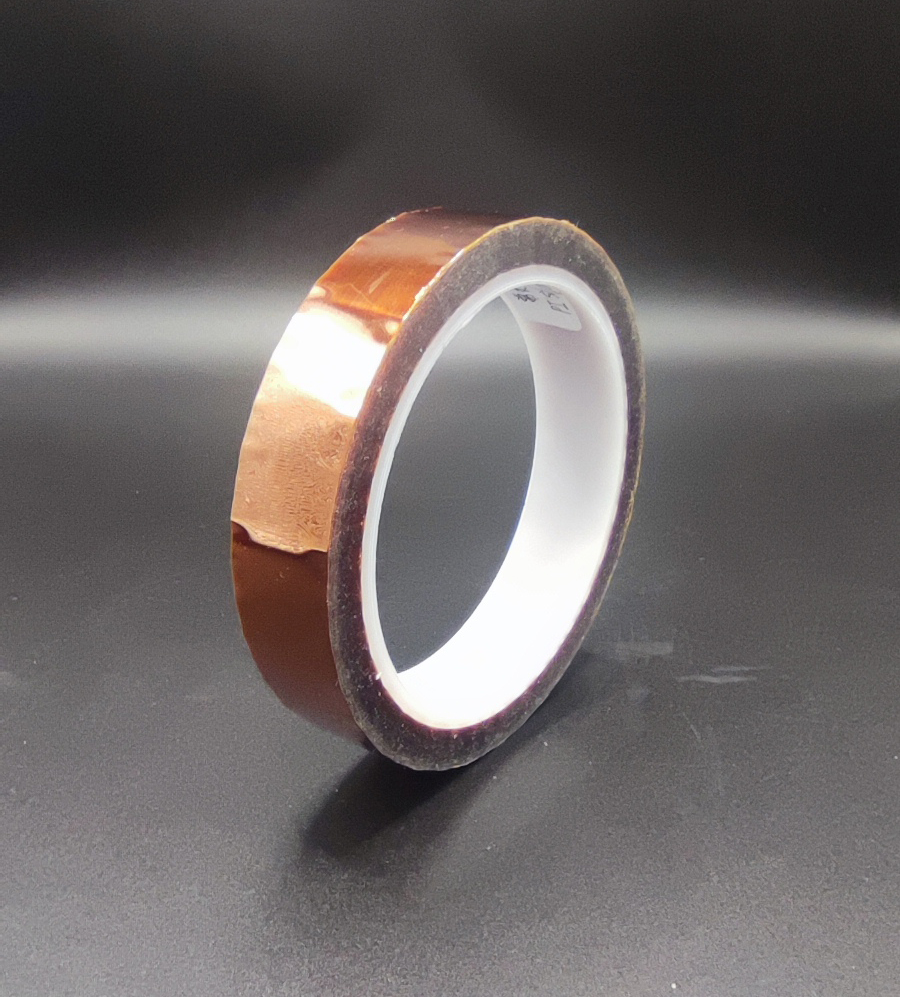
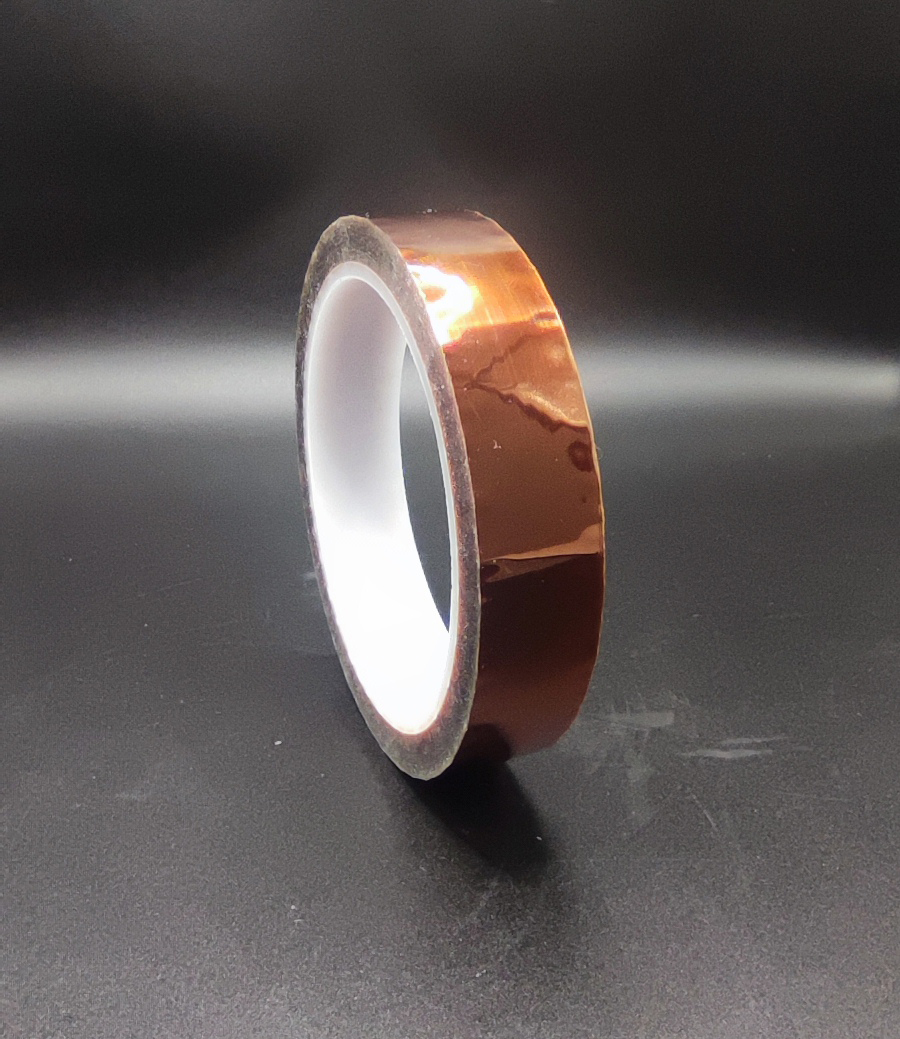
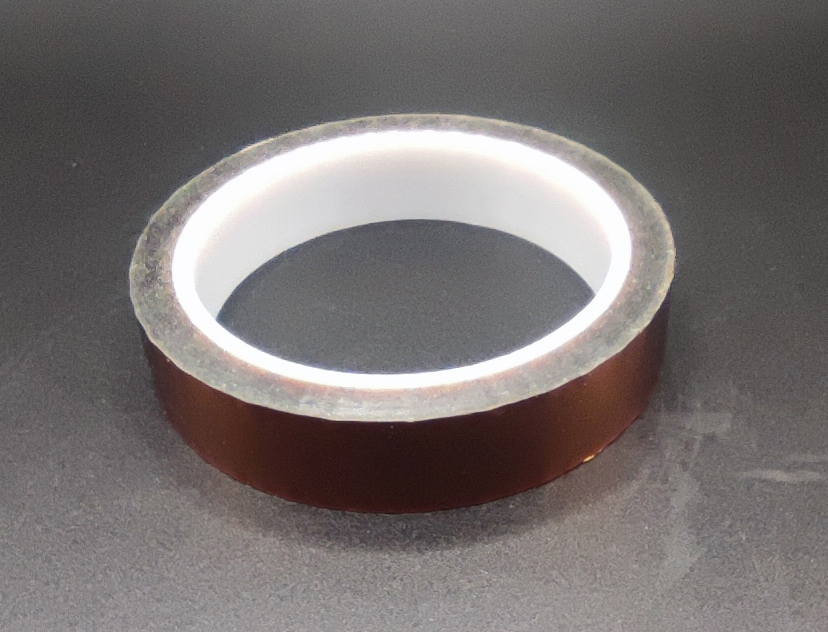
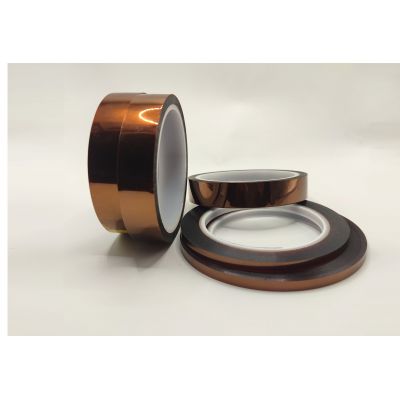
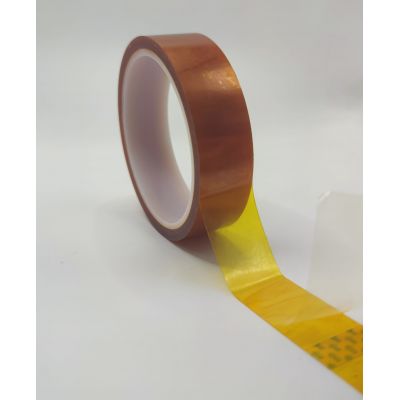
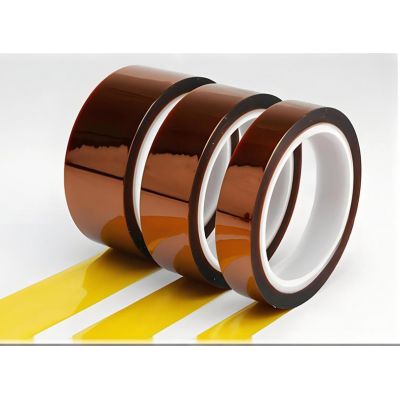
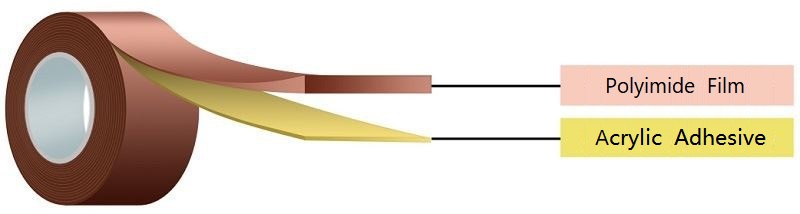
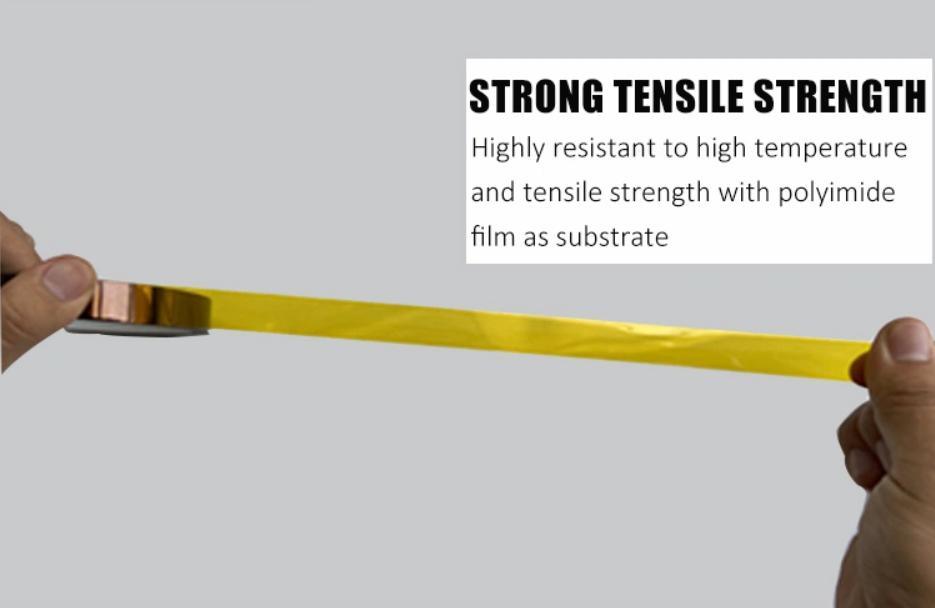
J-610 uses polyimide film backing coated with acrylic pressure-sensitive adhesive. It is available in 0.06 mm and 0.08 mm total thickness, with 155°C temperature resistance, strong adhesion, good tensile strength, and electrical strength of ≥4.0 kV. This acrylic adhesive polyimide tape is suitable for motor insulation, transformer loop packing, coil fixation, electrical component protection, die-cut insulation pads, and medium-temperature applications where buyers want a non-silicone adhesive system.
J-610 Kapton Tape with Acrylic Adhesive is a polyimide electrical tape designed for medium-temperature insulation, coil fixing, transformer wrapping support, die-cut insulation parts, and applications where non-silicone adhesive contact is preferred. It is not positioned as a 260°C solder masking tape. For high-temperature PCB masking, silicone adhesive Kapton tape should be evaluated separately.
Acrylic Adhesive Polyimide Tape for Medium-Temperature Insulation
Many buyers search for Kapton tape because they need heat resistance and electrical insulation. But not every Kapton-style tape is meant for the same job. The adhesive system changes the tape’s real behavior. J-610 is an acrylic adhesive polyimide tape, not a silicone adhesive solder masking tape.
That difference matters. Acrylic adhesive is usually selected when the buyer needs medium-temperature insulation, stronger room-temperature bonding, die-cut processing, or non-silicone adhesive contact. It can be useful in electrical insulation, coil fixing, motor winding support, transformer wrapping support, label protection, and selected battery or electronic component applications.
The main value of J-610 is not maximum temperature. The value is a stable acrylic adhesive system combined with polyimide film for applications where silicone adhesive is not preferred or not necessary. If your process requires reflow soldering, wave soldering, powder coating, or repeated high-temperature masking close to 260°C, a Kapton tape silicone adhesive grade is usually a better starting point.
|
Item |
J-610 |
J-610 |
|
Adhesive Type |
Acrylic |
Acrylic |
|
Total Thickness |
0.06 mm |
0.08 mm |
|
Adhesion to Steel |
7 N/25mm |
7.5 N/25mm |
|
Tensile Strength |
40 N/10mm |
80 N/10mm |
|
Elongation at Break |
≥55% |
≥55% |
|
Temperature Resistance |
155°C |
155°C |
|
Electrical Strength |
≥4.0 kV |
≥4.0 kV |
|
Standard Length |
33 m |
33 m |
Values above should be treated as typical product information unless confirmed by the final TDS, test report, or agreed purchase specification. Final performance depends on substrate, pressure, dwell time, temperature, removal timing, and storage condition. Electrical strength should be confirmed according to the customer’s insulation design and safety requirement before production approval.
The 155°C temperature resistance refers to the finished acrylic adhesive tape grade, not only to the polyimide film backing. Polyimide film itself can tolerate much higher temperatures, but adhesive tape performance is controlled by the adhesive system, coating thickness, application pressure, and actual exposure time.
This is where many sourcing mistakes happen. A buyer may ask for “Kapton tape” and assume every amber polyimide tape performs like high-temperature silicone adhesive tape. That is not correct. J-610 is better understood as a medium-temperature polyimide electrical tape with acrylic adhesive.
For motor insulation, transformer loop packing, coil fixation, and electrical component protection, 155°C may be suitable depending on the design and process. For solder bath masking, reflow protection, or gold finger masking, the buyer should evaluate silicone adhesive Kapton tape first. If your team is comparing temperature ranges, residue behavior, and adhesive choices, our material comparisons page can help clarify the trade-offs before sample approval.
Acrylic adhesive and silicone adhesive are not simply “cheap” and “expensive” versions of the same tape. They are different adhesive systems.
Acrylic adhesive polyimide tape is useful when non-silicone contact is preferred, or when the application involves medium-temperature insulation, die-cut parts, label protection, coil fixing, transformer wrapping, or electrical component holding. Acrylic adhesive may also be considered when silicone transfer is a concern in later coating, bonding, or surface-sensitive processes.
Silicone adhesive Kapton tape is usually the stronger choice when the process involves higher heat exposure, PCB solder masking, reflow soldering, wave soldering, powder coating masking, or other short-cycle high-temperature masking jobs. Silicone adhesive generally handles higher temperatures better, but silicone transfer or contamination can be a concern in some downstream processes.
So the right question is not “Which Kapton tape is better?” The better question is: what temperature will the tape see, what surface does it contact, will it be removed, and does the process allow silicone adhesive? For broader sourcing checks, our industrial tape buying guides can help purchasing teams compare adhesive type, sample testing, and supplier qualification before bulk orders.
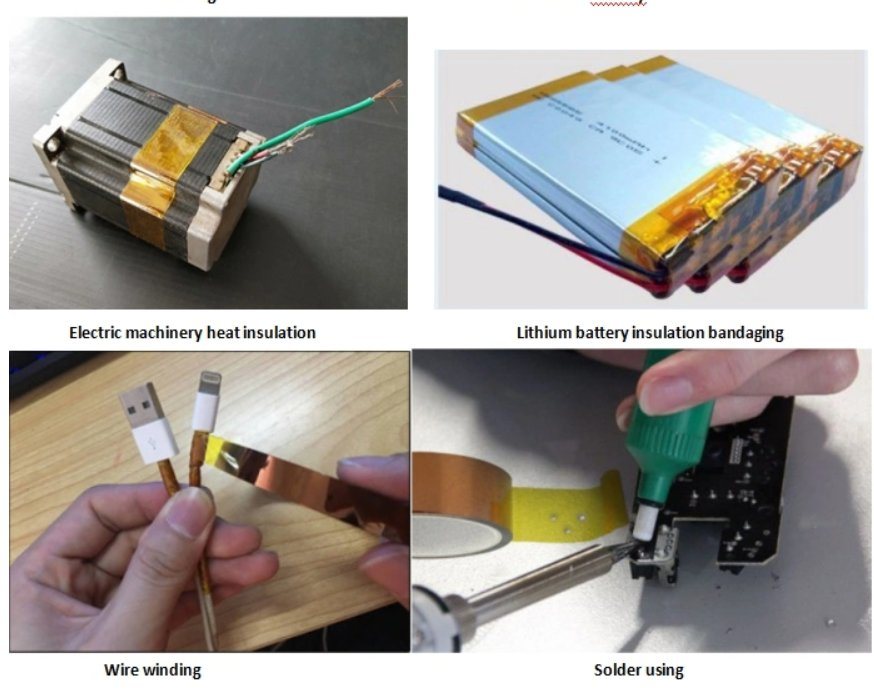
J-610 is suitable for medium-temperature electrical insulation and fixing applications. Common uses include motor insulation, transformer loop packing, coil fixation, wire and component protection, insulation wrapping support, and die-cut polyimide insulation parts.
In motor and coil applications, acrylic adhesive polyimide tape can help hold insulation layers, protect winding areas, and support local fixation. It should not be treated as the complete insulation system by itself. The customer’s full electrical, thermal, and aging design must still be validated.
For transformer-related work, J-610 may be tested for loop packing, local insulation support, external wrapping support, and coil fixing. If the tape is exposed to varnish, oil, resin, drying, or long-term thermal aging, compatibility should be checked under the exact process condition. For larger insulation system decisions, our electrical insulation solutions page explains how tapes fit with thermal class, dielectric needs, and application position.
J-610 can also be converted into die-cut insulation pads, washers, component protection pieces, and local electrical barriers. Die-cut polyimide tape is useful when buyers need repeatable part shape, clean edges, and easier assembly than hand-cut tape. If the application requires bonding between two surfaces instead of single-sided insulation or protection, double sided Kapton tape may be the more suitable product family.
J-610 should not be promoted as a universal high-temperature masking tape. Some applications need another product grade.
For PCB solder masking, reflow soldering, wave soldering, or gold finger protection, silicone adhesive Kapton tape is usually more typical. J-610 may work in selected medium-temperature electronic insulation tasks, but it is not the default choice for high-temperature solder masking.
For ESD-sensitive production, ordinary acrylic adhesive polyimide tape is not the same as low-static or ESD Kapton tape. If the concern is electrostatic charge during unwind or removal near sensitive components, a specific ESD grade should be evaluated.
For aerospace, optical, medical, or high-reliability automotive applications, do not approve J-610 based only on this product page. Those applications may require special testing, outgassing review, flame-retardant documentation, biocompatibility review, or customer-specific qualification. We do not recommend claiming those uses unless supporting documents are available for the exact product grade.
For chemical exposure, avoid broad claims such as “resistant to all chemicals.” Polyimide film and acrylic adhesive may show useful solvent or aging resistance in some environments, but chemical compatibility depends on the solvent, concentration, temperature, dwell time, pressure, and removal requirement. If the current tape leaves residue, lifts, hardens, or loses adhesion after heat aging, review our high-temperature tape failure analysis before changing only the thickness or supplier.
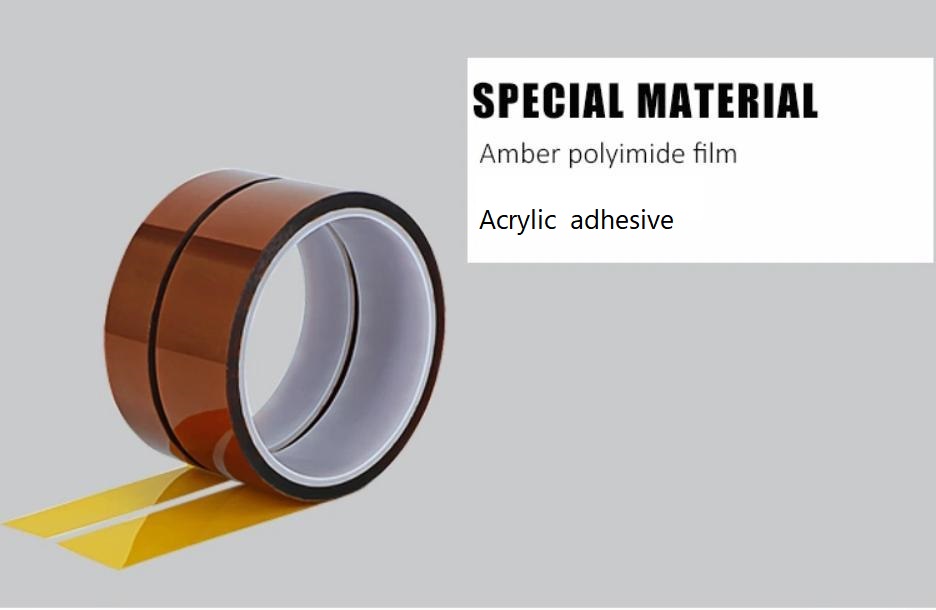
J-610 can be supplied in standard rolls, custom slit widths, and die-cut formats. Standard length is 33 m, and common total thickness options include 0.06 mm and 0.08 mm. Custom width slitting is available for electrical insulation, motor and coil fixing, component protection, and assembly work.
For die-cut parts, buyers should provide drawings, tolerances, liner requirements, part spacing, packing method, and whether operators need a pull tab or easy-release design. Small insulation parts can fail in production not because the tape is wrong, but because the liner is hard to remove, the tolerance is too tight, or the part is difficult for operators to place consistently.
For small die-cut insulation parts, handling design is often as important as adhesive performance. If operators need to remove many pieces during assembly, an easy-pick tab, suitable liner release, or sheet layout can reduce placement errors and speed up production. For automatic or semi-automatic assembly, roll format, part spacing, liner direction, and waste removal should be confirmed before mass production. A part that looks correct on a drawing may still be difficult to peel, align, or place if the liner and packaging format are not planned properly.
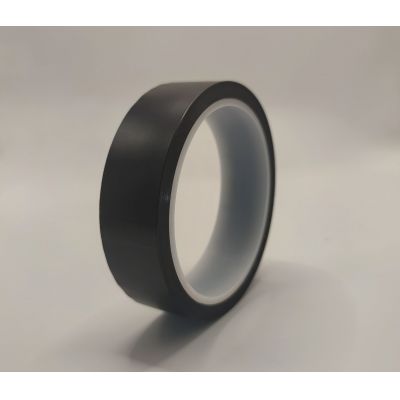
If black color, special shape, roll format, or sheet format is required, confirm availability before sampling. Do not assume every thickness, color, and adhesive format is in stock. MOQ and lead time depend on width, thickness, converting requirement, and current material availability.
A useful RFQ should include more than width and quantity. Please send the application, operating temperature, dwell time, substrate, surface condition, whether silicone-free contact is required, thickness target, insulation requirement, residue requirement, and whether the tape is temporary or permanent.
For motor, coil, or transformer applications, include the position where the tape will be used and whether it contacts varnish, oil, resin, or other insulation materials. For die-cut parts, send drawings and tolerances. For residue-sensitive applications, explain the removal timing and any cleaning process after removal.
This information helps us recommend a J-610 roll or die-cut sample for validation. It also prevents a common mistake: approving a tape by color or catalog temperature while ignoring adhesive chemistry and real process exposure.
Why choose acrylic adhesive polyimide tape instead of silicone adhesive Kapton tape?
Choose acrylic adhesive polyimide tape when non-silicone contact, medium-temperature insulation, die-cut processing, or specific fixing applications are more important than maximum high-temperature masking. For reflow, wave soldering, or 260°C masking, silicone adhesive Kapton tape is usually a better starting point.
Can J-610 be used for PCB solder masking?
J-610 is not the default choice for PCB solder masking, reflow, or wave solder protection. It is rated at 155°C and is better positioned for medium-temperature insulation and fixing work. For high-temperature PCB masking, evaluate a silicone adhesive Kapton tape grade.
What does the 155°C temperature resistance mean?
It refers to the finished acrylic adhesive tape grade, not only the polyimide film backing. Actual performance depends on dwell time, pressure, substrate, removal timing, and heat cycle. Buyers should test the tape under real process conditions before approval.
Does acrylic adhesive Kapton tape leave residue after heat?
Residue depends on temperature, dwell time, substrate, surface cleanliness, pressure, and removal method. J-610 should be tested after actual heat aging on the customer’s real surface. Avoid approving any tape only from room-temperature adhesion data.
Can J-610 be die-cut into insulation parts?
Yes. J-610 can be die-cut into insulation pads, washers, local electrical barriers, component protection pieces, and custom polyimide parts. Send drawings, tolerance requirements, liner format, part spacing, and packaging method before sampling.
Is J-610 suitable for battery, motor, or transformer applications?
It may be tested for battery fixing, motor insulation, coil fixation, transformer loop packing, and medium-temperature insulation support. It should not replace the full insulation system. Oil, varnish, electrolyte, resin, pressure, and aging exposure must be validated by the buyer.
Send your application, operating temperature, substrate, insulation requirement, silicone-free requirement, thickness target, and die-cut drawing if available. We can review the application and recommend a J-610 roll or die-cut sample for validation before bulk ordering.
For OEM buyers, electrical insulation processors, electronics assemblers, and distributors, we support custom width slitting, die-cut converting, roll supply, sheet format, and application-based sample recommendations.