
info@jxgreentape.com
PCB masking problems usually show up in small places: a tape edge lifts near a gold finger, residue appears after reflow, a thermocouple shifts during profiling, or a masked area is not repeated accurately from board to board.
In these cases, the question is not only whether the tape can “resist high temperature.” A useful PCB masking tape also needs clean removal, stable adhesion, dimensional stability, and a controlled masking edge.
Polyimide tape, often called Kapton tape, is commonly used for SMT masking, reflow soldering, wave soldering, gold finger protection, thermocouple attachment, and temporary protection during electronic assembly. For static-sensitive assemblies, low-static or ESD polyimide tape may also be considered when tape handling or removal could create electrostatic risk.
PCB masking tape is usually expected to do four things well: stay stable under heat, hold a clean edge, remove without residue, and avoid shifting during handling.
A tape that survives temperature can still fail if it lifts at the edge, leaves adhesive on contacts, or moves during reflow profiling. That is why the process matters as much as the tape name.
For static-sensitive assemblies, low-static or ESD polyimide tape may be considered, but it should be selected based on actual component risk and handling conditions, not as a default requirement for every PCB masking job.
|
Application |
Main Concern |
Typical Tape Focus |
|
SMT masking |
Heat exposure and clean removal |
Polyimide tape with stable adhesive behavior |
|
Reflow soldering |
Residue after heat and tape movement |
Heat-aged removal and adhesive balance |
|
Wave soldering |
Edge lift, solder wicking, and contact protection |
Strong edge seal and stable adhesion |
|
Gold finger masking |
Solder leakage and contact contamination |
Precise edge control and clean removal |
|
Reflow profiling / thermocouple attachment |
Holding during profiling without residue |
Adhesion balance after heat exposure |
|
Repeated masking shapes |
Placement variation and labor consistency |
Die-cut Kapton tape or custom polyimide shapes |
|
Static-sensitive assembly |
Electrostatic risk during handling or removal |
Low-static / ESD polyimide tape when needed |
This table is only a starting point. The final choice should be checked against the actual board finish, soldering process, masking area, and removal requirement.
For reflow soldering, the main issue is often what happens after heat exposure: residue, adhesive transfer, tape shrinkage, or difficult removal.
For wave soldering and gold finger masking, edge control becomes more important. A small lifted edge can create a path for flux or solder, especially near connector contacts or plated areas.
For reflow profiling and thermocouple attachment, the tape must hold the wire in place without leaving contamination after profiling.
For repeated shapes, the problem may not be the tape material at all. It may be placement repeatability. In that case, die-cut Kapton tape can reduce manual variation and make inspection easier.
For lower-temperature, shorter-duration, or non-soldering masking steps, green polyester tape may be enough. For higher heat, sharper edge control, or cleaner removal after soldering, polyimide tape is usually the safer starting point.
Use the guides below based on the problem you are trying to solve.
Start here if you need a general selection guide for polyimide tape thickness, adhesive type, heat exposure, and insulation use.
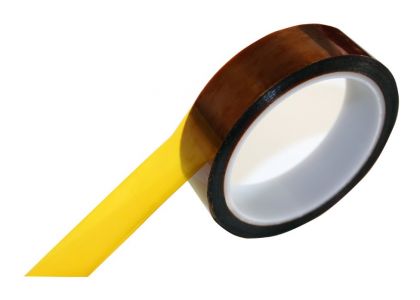
Read this if your application involves reflow profiling, thermocouple attachment, soldering, or heat-aged residue concerns.
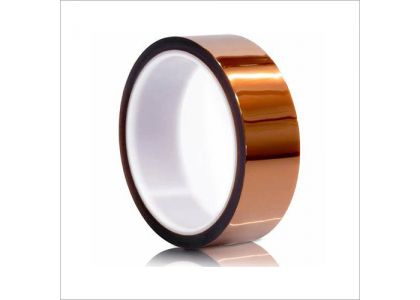
Use this guide if you are deciding whether the process really needs polyimide tape, or whether polyester masking tape may be enough.
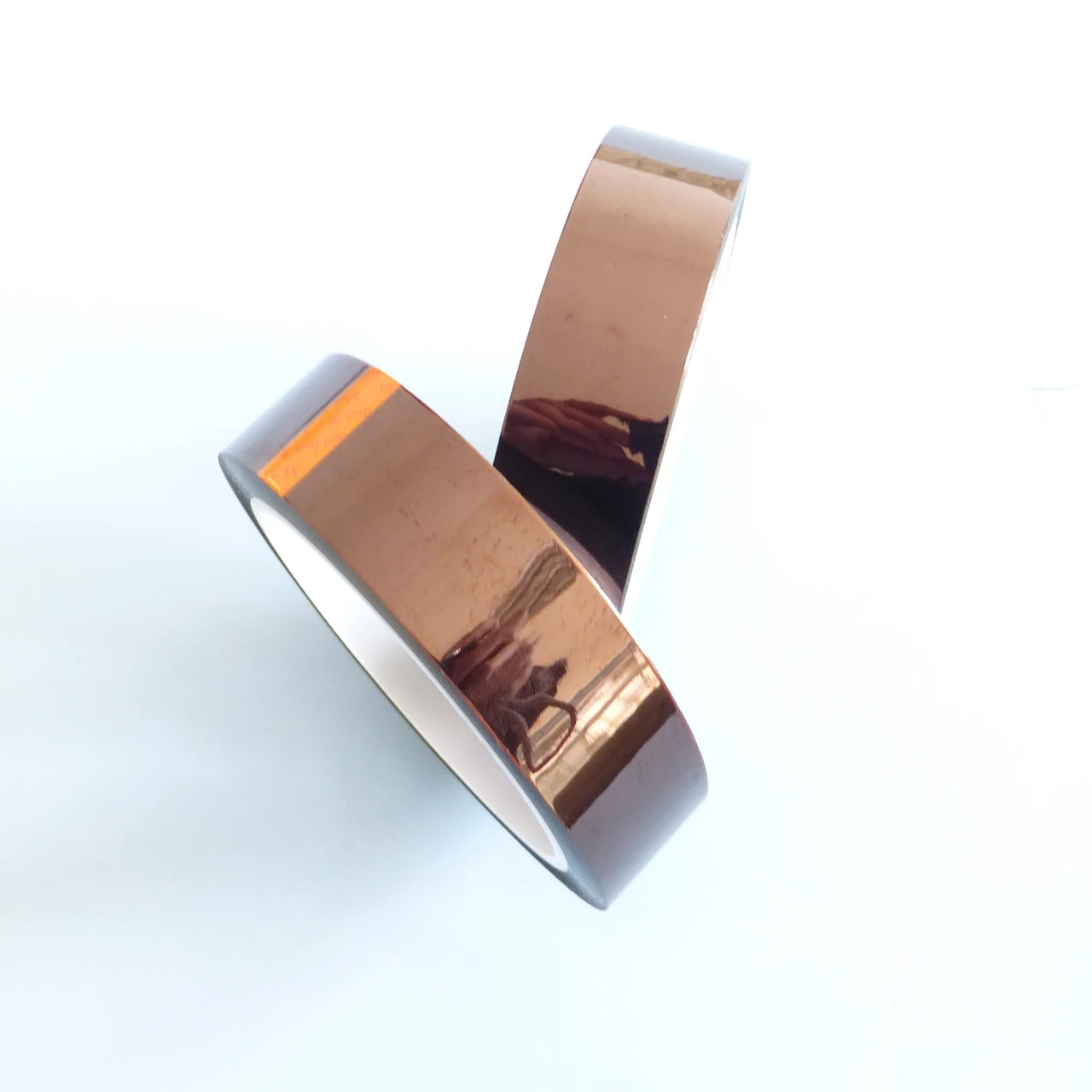
Read this if the main problem is gold finger protection, edge lifting, solder wicking, or contact contamination.
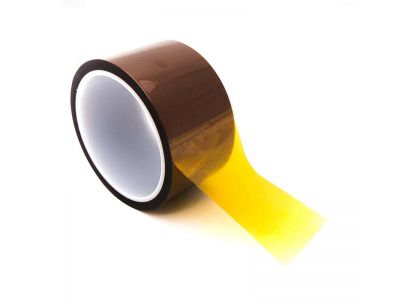
Use this guide if repeated masking shapes, small pads, connector areas, or manual placement variation are slowing the line or causing inconsistent results.
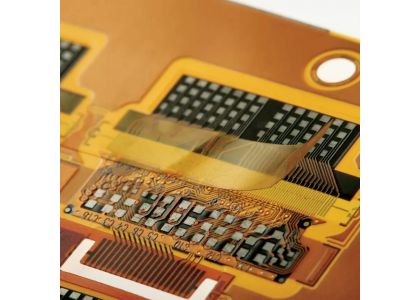
You do not need a complete specification before asking for samples. A PCB photo, masking area, current tape width, process step, and main problem are usually enough for an initial recommendation.
If available, also share whether the tape is used in reflow, wave soldering, gold finger masking, thermocouple attachment, temporary protection, or die-cut masking. This helps the supplier decide whether standard polyimide tape, low-static polyimide tape, or custom die-cut Kapton tape should be tested first.
Need help choosing polyimide tape for PCB masking?
Send us your PCB photo, masking area, soldering process, current tape issue, required width or shape, and clean-removal requirement. If the application involves repeated small shapes, gold fingers, test pads, or connector areas, we can also review whether custom die-cut Kapton tape is a better option than standard rolls.