
info@jxgreentape.com
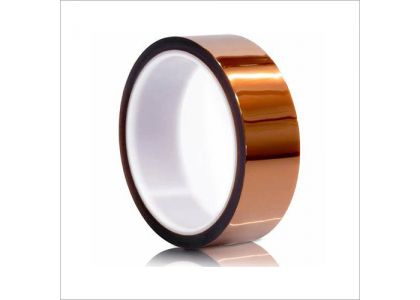
The tape looked fine before the board entered the reflow oven. The thermocouple was pressed down, the edge seemed flat, and the profile run started as usual. The issue only appeared later: the junction had shifted slightly, one corner of the tape had curled, and a small amount of adhesive residue was sitting near a connector.
For an SMT line, that is no longer just a tape issue. It can become a profiling issue, a cleaning issue, and sometimes a production delay.
That is why Kapton tape for soldering should not be judged only by heat resistance or how sticky it feels on the roll. In reflow profiling, the real test comes after heat exposure. Can the tape hold the thermocouple in place? Can it remove cleanly? Does it leave residue near pads, contacts, or gold fingers? Does the same result repeat after more than one thermal cycle?
Kapton tape, more accurately polyimide tape, is widely used for reflow profiling, thermocouple attachment, temporary solder masking, and high-temperature protection during electronics assembly. It is useful because it is thin, heat resistant, flexible, and easy for operators to apply quickly.
But “useful” does not mean “automatically safe for every process.” The tape still needs to be checked against the real board, real profile, and real removal method.
A tape that survives the oven has only done part of the work. For reflow profiling and soldering support, staying attached is important, but clean removal is just as important.
This is where some buyers get caught. They run a quick test, see that the tape did not fall off, and approve the roll. Then production starts, and the problems become more visible: adhesive transfer, harder peeling after cooling, small stains near plated areas, or operators spending extra time with IPA wipes.
In PCB assembly, small residue can create a big headache. If it is near a connector, test point, gold finger, or exposed pad, someone has to decide whether the board is acceptable, whether it needs cleaning, or whether the cleaning itself creates more risk.
So the better question is not:
“Does this Kapton tape stick?”
The better question is:
“After the actual reflow cycle, does it come off cleanly from the actual board surface?”
That one change in thinking makes the selection process much more practical.
Room-temperature tack feels reassuring. A tape that grabs the board strongly seems like the safer choice. In reflow work, that can be misleading.
The adhesive changes under heat. A tape may feel strong before reflow but become harder to remove after the cycle. Another tape may feel less aggressive at room temperature but peel more consistently after heat exposure.
This is one reason silicone adhesive polyimide tape is commonly preferred for high-temperature soldering and reflow profiling work. Silicone adhesive tends to remain more stable during short high-heat exposure, which can support cleaner removal and more predictable peel behavior.
Acrylic adhesive polyimide tape may still be suitable for limited or lower-risk exposure, especially where cost or initial tack is a priority. But it needs careful post-heat checks. The buyer should look for peel force drift, adhesive hardening, residue, and whether cleaning becomes necessary after repeated profiling runs.
This does not mean every silicone adhesive tape is good, or every acrylic adhesive tape is bad. That would be too simple. Adhesive formulation, coating weight, backing thickness, curing control, storage condition, and process exposure all matter.
For serious reflow profiling, the roll should not be approved from touch feel alone. It should be approved after heat.
Thermocouple attachment looks simple until the reading is wrong.
During a reflow profile, the board is exposed to airflow, heat expansion, cable pull, and movement through the oven. The tape may still be attached, but the thermocouple junction can shift slightly during soak or peak. That small movement can affect peak temperature readings and time-above-liquidus data.
This is why creep resistance matters. A tape that feels strong at room temperature may relax under sustained heat. If the edge lifts or the adhesive softens, the wire can move. The profile may still look believable, but it may not reflect the real temperature at the intended point.
For thermocouple attachment, a good trial should check:
· whether the junction stays flat against the target location
· whether the tape edge lifts under oven airflow
· whether the wire pulls the tape during movement
· whether the tape removes cleanly after cooling
Kapton tape is often used because it is fast and convenient. For strict engineering validation, high-temperature solder or conductive epoxy may provide better thermocouple contact in some cases. But when a team chooses tape for practical production reasons, the attachment method should still be tested honestly.
Many production teams use mid-width Kapton tape strips for oven mapping and thermocouple attachment. Around 20 mm is a common starting point in many shops, but it should not be treated as a magic number.
If the strip is too narrow, the edge may lift or curl under airflow. It may also fail to control the thermocouple wire well enough. If the strip is too wide, it can add unnecessary thermal mass or shield part of the board surface from heat. That can affect the profile reading, especially around small components or tight board areas.
A better approach is simple: test the width, not just the tape type.
For tight locations, a narrow strip may be easier to place. For general oven mapping, a mid-width strip may give better stability. For stronger holding, a wider piece may help, but only if the extra coverage does not interfere with the measurement.
The goal is not to use the widest tape possible. The goal is to hold the junction in place without changing the heat behavior you are trying to measure.
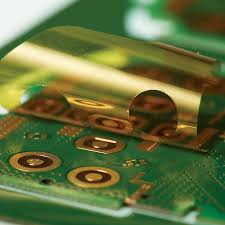
Double-sided Kapton tape sometimes comes up when a buyer wants stronger holding. It sounds logical: if one adhesive side is not enough, two sides should hold better.
In reflow profiling, that can create a new problem.
Double-sided tape has more adhesive in the construction. After heat exposure, that can increase the chance of adhesive splitting, residue transfer, uneven peel behavior, or difficult removal after cooling. One side may bond more strongly than the other, and the removal force may not behave the way the operator expects.
That does not mean double-sided Kapton tape has no place. It may be useful for fixture bonding, temporary mounting, spacing, or holding work outside the harshest thermal zone. But for direct thermocouple attachment in peak reflow areas, or for clean-removal PCB masking near sensitive surfaces, it should not be the first shortcut.
If residue is already a concern, adding another adhesive layer rarely makes the process easier.
A little residue may not look serious on a sample board. In production, it can cost real time.
Residue near pads, connectors, gold fingers, plated contacts, or test points can trigger inspection questions. Operators may need to clean the board. Engineers may need to decide whether the cleaning method is safe. If the board later goes into conformal coating, bonding, or another sensitive process, adhesive contamination becomes even more important.
Residue after reflow can come from several causes:
· adhesive aging under heat
· repeated thermal cycles
· excessive dwell time
· flux interaction
· incompatible surface finish
· removal at the wrong cooling stage
· too much peel force after heat exposure
The surface matters. A tape that removes cleanly from glass or stainless steel may not behave the same on solder mask, ENIG, HASL, copper, or plated contacts.
That is why clean removal should be checked on the actual board surface. If the tape needs wiping after every run, the real cost is not only the tape price. It is labor, inspection, cleaning risk, and possible production delay.
A weak tape trial asks only one question:
“Did the tape survive the oven?”
A useful trial asks more practical questions:
“What happened after the full process, and can operators repeat the result?”
For Kapton tape used in soldering or reflow profiling, the test should copy the real line as closely as possible. Use the actual PCB surface. Use the real temperature profile. Apply the tape with normal operator pressure. Remove it after the same cooling time used in production. Do not test only one perfect sample under ideal conditions.
Useful checks include:
· edge lift after heat exposure
· thermocouple movement
· peel force change after cooling
· visible residue or adhesive transfer
· discoloration or staining
· whether wiping is required
· repeatability across several boards
If quantitative comparison is needed, peel adhesion can be referenced using recognized pressure-sensitive tape methods such as ASTM D3330. Tape thickness can be checked with ASTM D3652, and tensile strength or elongation can be compared with ASTM D3759. These tests are useful, but they do not replace the actual PCB process trial.
The board does not care how good the datasheet looks if the tape fails after the oven.
Most tape failures are not dramatic. They usually show up as small changes that slowly create production cost.
One common pattern is post-heat peel change. The tape works during a short trial, but after longer dwell time or repeated cycles, it becomes harder to remove. Cleaning time increases, and the issue slowly becomes a process problem.
Another pattern is thermocouple movement. The tape looks attached, but the junction shifts during the profile because of airflow, cable pull, or adhesive relaxation. The profile data may still look clean, but the measurement point is no longer exactly where the engineer intended.
Edge lift is also common. This can happen near connectors, uneven surfaces, small boards, or tight component layouts. Once the edge opens, heat and flux exposure may create residue or poor masking.
Double-sided tape failure is less common as a standard case, but it is a real misuse risk. If double-sided tape is placed in a peak reflow area, one adhesive layer may split or transfer during removal.
The pattern behind these issues is the same: the tape was judged before the process, not after it.
A buyer does not need to write a long engineering report just to request tape samples. In most cases, a few clear details are enough.
A practical sample request can include:
· application: reflow profiling, thermocouple attachment, or temporary solder masking
· preferred tape type: silicone adhesive polyimide tape, if required
· roll width or slit width needed
· clean removal after reflow required
· board surface or sensitive area, if known
· sample quantity for production trial
· RoHS, REACH, or CoC requirements, if needed
That is usually enough for the supplier to suggest a reasonable starting construction.
More detailed information, such as exact dwell time, surface finish, removal method, or residue inspection criteria, can be discussed during sample approval. It does not always need to be in the first inquiry.
The goal is not to make purchasing complicated. The goal is to avoid vague requests like “high temperature Kapton tape” when the real need is clean removal after reflow profiling.
Kapton tape can be useful for soldering, reflow profiling, thermocouple attachment, and temporary high-temperature masking. But the right tape is not the one that only feels sticky before the oven.
For reflow work, the important part is what happens after the full thermal cycle. Does the thermocouple stay where it should? Does the tape peel cleanly? Is there residue near pads or connectors? Does the result repeat on several boards?
Silicone adhesive polyimide tape is often a safer starting point for repeated or higher-temperature profiling work, but it still needs validation on the actual board. Acrylic adhesive systems and double-sided constructions may work in selected cases, but they should be checked carefully before production approval.
In practice, the strongest selection method is straightforward: choose the tape for the full cycle, not for the first touch.
Is Kapton tape enough for holding thermocouples during reflow profiling?
It can be enough for many practical profiling tasks, especially when speed and flexibility matter. For stricter measurement accuracy, high-temperature solder or conductive epoxy may be considered. If tape is used, check whether the junction stays in place during the actual profile.
Why does Kapton tape look fine before reflow but leave residue after removal?
Heat changes adhesive behavior. Residue may come from adhesive aging, long dwell time, repeated cycles, flux interaction, surface incompatibility, or removal timing. A room-temperature peel test does not prove clean removal after reflow.
Should we choose stronger tack or cleaner removal for reflow profiling?
Do not choose by tack alone. Strong initial adhesion may help prevent edge lift, but excessive peel force after heat can create residue or slow removal. For reflow work, stable holding and clean post-heat removal need to be balanced.
Is 20 mm Kapton tape always the best width for thermocouple attachment?
No. Around 20 mm is a common starting point in many production settings, but the best width depends on board layout, airflow, thermocouple wire size, and the measurement location. The width should hold the junction without shielding too much heat.
When should double-sided Kapton tape be avoided in reflow work?
Avoid it as the first choice for peak-zone exposure, direct thermocouple attachment, or areas where clean removal is critical. Two adhesive layers can increase the risk of adhesive splitting, transfer, or residue after heat.
What should buyers test before approving Kapton tape for production?
Test edge lift, thermocouple movement, peel behavior after cooling, visible residue, discoloration, cleaning need, and repeatability across several boards. The test should use the actual board, actual profile, and normal operator removal method.