
info@jxgreentape.com
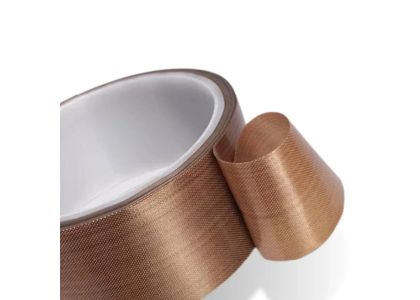
Effective insulation around the hotend and the heat-break is not a luxury — it directly affects print quality, component longevity and safety. The heat-break is the thermal choke between the combustion-level temperatures at the nozzle and the cooler filament feed above; improper control of heat flow causes jams, heat creep, inconsistent extrusion and premature thermistor or heater failure.
Many workshops now buy Heat Seal Release Tape or specialized PTFE products to wrap and insulate the heat-break region or to isolate the hotend from airflow during high-temperature prints. If you source from a regional supplier, you might work with Teflon Glass Cloth Tape china vendors for competitive PTFE Glass Cloth Tape price options; alternatively, direct relationships with a PTFE Coated Fiberglass Cloth Tape producer or PTFE Coated Fiberglass Cloth Tape china suppliers give access to custom widths, adhesive choices and clean-room slitting. For larger operations or repair shops that export branded maintenance kits, partnering with a reliable PTFE Coated Glass Cloth Tape exporter ensures you can ship consistent replacement kits worldwide.
This article focuses on technical choices and practical steps. It’s aimed at maintenance techs, makerspace managers and small OEMs who want to select the right Teflon adhesive tape, apply it safely, and integrate it into maintenance SOPs while keeping spares, costs and vendor reliability under control.
Understanding the failure modes reveals why a tape solution can be effective.
Heat creep and filament softeningWhen heat transfers upward beyond the intended thermal barrier, filaments — particularly PLA or softer blends — can soften in the feed zone and jam. Heat creep is exacerbated by slow filament feed, high ambient temperatures, and poor heat-break design.Airflow perturbations and cooling inefficiencyForced convection coolers and fans that vary by speed can create uneven cooling across the heat-break, causing asymmetric thermal profiles and extrusion inconsistency.Mechanical wear and contaminationHotends in contact with printed parts or in dusty environments accumulate debris; exposed threads and fins can trap particles that later lodge against filament or thermistor wires.Thermal cycles and adhesive degradationMaterials adjacent to the hotend see repeated cycles: preheat, maintain, cool. Many adhesives and tapes degrade under this cycling if they are not designed for high temperatures or for contact with hot oils and fluxes (where applicable).Design aim: a tape solution must reduce conductive heat transmission up the filament path, withstand repeated thermal cycles and avoid shedding residues that could foul the filament or nozzle.
PTFE-coated glass-cloth tapes combine three useful elements for hotend insulation:
Low surface energy PTFE faceThe PTFE surface resists sticking and fouling. Oils, residues and molten filament that touch the PTFE face are less likely to adhere permanently, making cleanup easier and reducing the chance of transferring contaminants to the filament path.Glass cloth carrierThe woven glass-cloth provides structural stability under wraps and resists abrasion from cables, tool contact or vibration. It is dimensionally stable and tolerates repeated removal and reapplication better than thin films.Engineered adhesive/interlayerHigh-temperature adhesives (silicone-based, fluorosilicone, or heat-stable acrylics chosen for user environment) bond the tape to the heat-break or heater block shrouds sufficiently for performance yet, if selected correctly, can be removed cleanly during maintenance.Advantages in practiceThermal barrier: the composite thickness reduces conductive heat transfer along the outside of the heat-break.
Protective layer: prevents direct contact between tools and the heat-break fins, reducing wear.
Ease of maintenance: PTFE face and robust cloth backing facilitate repeatable on/off wraps without immediate degradation.Given these benefits, many repair shops source PTFE Coated Fiberglass Cloth Tape from dedicated producers. For small-batch purchases, search local Teflon Glass Cloth Tape distributors; for volume kits or private-label repair spares consider negotiating with a PTFE Coated Fiberglass Cloth Tape producer or using a PTFE Coated Fiberglass Cloth Tape china suppliers network for competitive per-unit costs.
Selecting the right tape construction matters as much as selecting PTFE vs. other materials. Key variables and recommended specs:
PTFE topcoat thickness and surface finishThicker PTFE layers improve release and resist filament residue. For hotend use, a PTFE coat in the 10–25 µm range is a sensible starting point; heavier coats increase stiffness but enhance release.Glass cloth weave and weightHeavier cloths (200–400 g/m²) resist abrasion and handling. Tight weaves reduce fraying risk, important for small-diameter wraps around heat-breaks where loose fibers could enter the filament path.Adhesive family and coat weightSilicone-modified adhesives: high-temp tolerant and low-residue; widely used where periodic removal is required.
Fluorosilicone adhesives: offer enhanced chemical resistance (if you use cleaning solvents) and good thermal stability.
High-temp acrylics: cost-effective, but ensure the specific formulation resists softening at your maximum hotend temps.Interlayer constructsA thin adhesive interlayer laminated under the PTFE can improve shear retention without increasing surface transfer. This is beneficial where there’s torsional or vibratory load from filament movement.Backing vs. liner optionsLinered pre-cuts: useful for kits (reduces handling).
Linerless rolls: more economical for shop stocks — but handle with care to avoid contamination.Recommended minimum test data to request from vendorsThermal stability: TGA showing decomposition onset and recommended continuous-use temperature.
Adhesive transfer after a standard heat-cycle similar to your use case (e.g., three cycles to 250 °C).
Peel strength to the intended metal (stainless steel heater shroud / aluminium heat sink) and post-cycle retention.Practical specification example to include in an RFQ: “Provide PTFE-coated glass-cloth tape with PTFE coat ≥12 µm, glass cloth ≥200 g/m², silicone-based adhesive rated for continuous exposure to 200 °C with <0.1 mg/cm² adhesive transfer after three 15-min cycles to 240 °C. Include 10 pre-cut strips (5 mm × 120 mm) and roll samples.”
Applying tape near the hotend requires care — both for operator safety and material performance.
Preparation stepsCool the hotend to safe-to-touch temperatures per manufacturer specs. If you must apply tape at elevated temperature for better adhesion, follow local SOPs and use heat-resistant gloves.
Clean the surface: remove oils, loctite residue and particulate with a compatible solvent (e.g., IPA). Ensure the surface is dry before applying.Application techniqueCut pre-sized strips to avoid excess handling. Typical hotend/heat-break wraps use narrow strips (5–12 mm) for fine control.
Apply with minimal tension to avoid deformation of the heat-break geometry. Use a small silicone roller or finger pressure to seat the tape.
Overlap edges slightly (1–2 mm) and orient seam away from filament path and moving parts.ToolingUse stainless or ceramic tweezers for placement in tight zones; avoid metal tools that may scratch or nick PTFE.
Pre-slit, labeled kits speed field repairs and reduce operator error. For repair shops, ordering pre-cut kits from a PTFE Coated Fiberglass Cloth Tape producer is efficient.Safety notesDo not apply tape while hotend is at operating temperature unless you have qualified the adhesive for that condition and use proper PPE. Heat can off-gas adhesives or cause burns.
Ensure cables and thermistor leads are not trapped under tape in ways that may affect readings.Removal and replacementReplace wraps during scheduled maintenance windows. Remove slowly at a low angle to reduce adhesive transfer; use recommended cleaners if residue remains. Keep replaced strips as retained-samples linked to lot number for supplier follow-up.
Wrapping the heat-break changes the local thermal profile; understand how this interacts with your filament and cooling design.
Impact on heat dissipationThermal insulation reduces convective cooling around the heat-break. If your extruder design relies on a certain airflow pattern (e.g., part-cooling or radial fans), a wrap may necessitate fan speed adjustments to avoid excessive heat migration.Filament-specific considerationsPLA / PETG: generally benefit from reduced heat creep in filament paths; wraps can improve print reliability in warm environments.
Nylon / TPU: temperature-sensitive materials that soften or stick easily benefit from stable feed zones; a PTFE wrap helps maintain filament integrity.
ABS / High-temp filaments: these are less prone to heat creep but may require higher nozzle temps; ensure adhesive selection tolerates peak temps.Heat sink geometry and wrap strategyDo not block designed fin airflow that the heatsink requires. Wrap only the solid surfaces or use perforated strips to preserve cooling while augmenting insulation.
For custom hotend designs, consider partial wraps that target problematic hot spots (junctions, threads) rather than full shrouds.Calibration after wrap installationRe-run extrusion checks and relevel if necessary. Monitor temperature stability and thermistor readings to detect insulation-induced artifacts (e.g., slower cool-down or slightly higher stable temp).
A practical maintenance cadence keeps wraps effective and safe.
Inspection routineCheck wraps weekly on heavy-use machines; look for fraying, adhesive seepage, discoloration or burn marks.
Run a quick extrusion test and verify no chatter or filament slip occurs.Replacement interval guidanceFor moderate-use printers (consumer-level), consider replacing tape wraps every 6–12 months or earlier if damage appears.
For production-grade continuous printers, replace every 1–3 months depending on thermal cycles and observed wear.Safe removal procedurePower down and cool to safe temp. Use a low-angle peel and, if necessary, apply gentle solvent to the tape edge to ease release. For silicone-based adhesives, IPA is usually safe; for stubborn residues, consult the tape vendor’s recommended cleaner.
Clean the surface and inspect threads and O-rings for wear; re-torque any fasteners per manufacturer specs.Waste handlingCollect used PTFE cloth strips in non-reactive containers and follow local waste disposal guidelines. Some vendors accept used materials for recycling; ask your PTFE Coated Glass Cloth Tape exporter or local distributor.
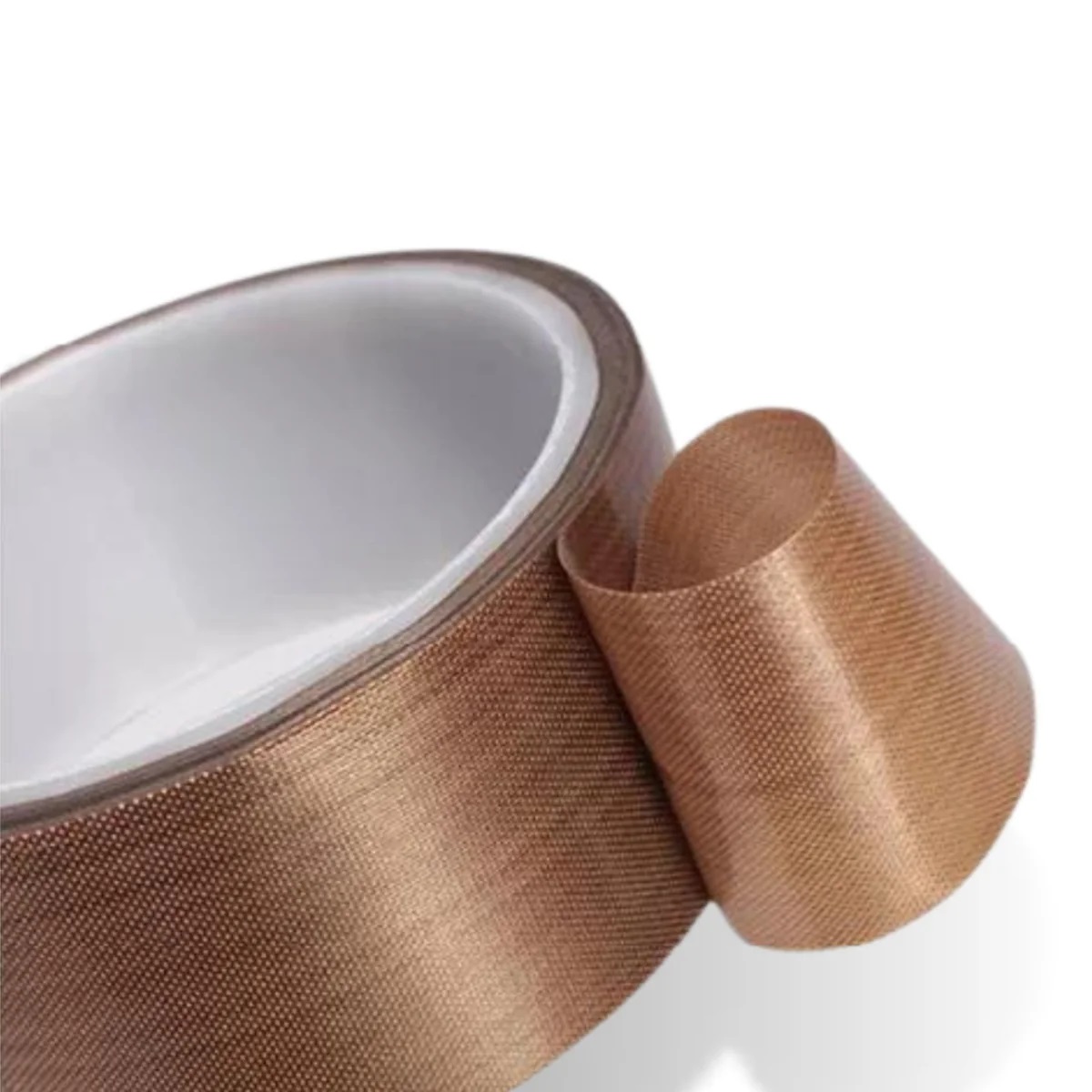
Maintenance shops and maker networks have several sourcing options. Evaluate suppliers on technical and commercial criteria.
Supplier types and when to use themLocal distributors: fast delivery and small MOQ — good for workshops that need quick spares. Look for Teflon Glass Cloth Tape distributors with technical support.
Direct producers: PTFE Coated Fiberglass Cloth Tape producers can provide customization, pre-cut kits and better per-unit pricing at higher volumes. Ideal for branded maintenance kits.
China suppliers/exporters: PTFE Coated Fiberglass Cloth Tape china suppliers and PTFE Coated Glass Cloth Tape exporters often offer lower unit costs and PTFE Glass Cloth Tape price advantages for bulk buys, but consider lead time and sample validation.Pricing considerationsPTFE Glass Cloth Tape price varies by PTFE thickness, cloth weight, adhesive type and slitting. Expect higher prices for silicone-based adhesives and clean-room slitting.
Negotiate PTFE Glass Cloth Tape wholesale price when committing to regular replenishment or OEM bulk PTFE Glass Cloth Tape orders. Include acceptance tests as purchase conditions.Procurement checklist for RFQRequired PTFE coat thickness, cloth weight and adhesive family.
Sample requirement: 10 pre-cut strips and two rolls for lab validation.
Test data: TGA, peel post-thermal cycles, adhesive-transfer mg/cm².
Slitting and labeling: pre-cut kit options and MOQ.
Lead time and retained-sample policy.Vendor reliability and QAVerify the vendor’s retained-sample policy and batch traceability.
Ask for third-party lab reports if you will be distributing replacement kits commercially.
Case 1 — Makerspace with recurrent PLA jams (simulated)
A busy makerspace experienced PLA jams at the heat-break during summer months. After trialing a PTFE Coated Fiberglass Cloth Tape product with silicone adhesive from a local Teflon Glass Cloth Tape distributors partner, they saw a 70% reduction in heat-creep incidents. They then buy Heat Seal Release Tape kits in bulk and implemented an SOP for wrap replacement every 6 months. (Simulated example.)
Case 2 — Small-run enclosure manufacturer (realistic-style)
A small manufacturer producing thermal enclosures for electronics had repeated nozzle clog-related downtime. Adopting a pre-cut PTFE glass-cloth wrap from a PTFE Coated Fiberglass Cloth Tape producer, they standardized maintenance across three shifts. They negotiated better PTFE Glass Cloth Tape price via an OEM bulk commitment and reduced downtime by 40%. (Realistic-style example.)
Case 3 — Repair shop exporting kits (simulated)
A repair shop packaged hotend maintenance kits for online sales. They sourced pre-cut strips from a PTFE Coated Glass Cloth Tape exporter with clean-room slitting and labeled kits per model. The supplier’s documentation allowed the repair shop to pass customer QA quickly and scale to international shipping. (Simulated example.)
Failure: adhesive migration into filament pathCause: wrong adhesive or excessive coat weight, high temp spikes.
Fix: switch to a low-transfer silicone adhesive, reduce adhesive coat weight, validate with lab thermal cycles.Failure: wrap slippage under vibrational loadCause: insufficient initial contact pressure during application or inadequate peel strength.
Fix: reapply with roller, consider a slightly higher peel adhesive grade, add mechanical clip support where safe.Failure: fraying or loose fibers contaminate nozzleCause: poor slitting or low-quality weave.
Fix: require clean-room slitting, switch to tighter-weave cloth, inspect edges and seal if necessary.Failure: adhesive embrittlement after repeated cyclesCause: adhesive chemistry not rated for number of cycles or peak temp exceeded.
Fix: alternate vendor adhesive (fluorosilicone) and re-run thermal cycling tests.
Define acceptance before you start.
Pilot planningSelect candidate tapes (local distributor roll, producer pre-cut kit, exporter-sourced sample).
Define test matrix: number of cycles, peak temps, filament types, and mechanical abrasion steps.
Metrics: rate of jams, adhesive transfer mg/cm², wrap integrity after cycles, time-to-remove, and residue on filament.Qualification stepsRun pilot with your typical prints for at least 200 print-hours spread across machines.
Document maintenance actions and link to lot numbers; require supplier retained-sample access for any failures.
If successful, formalize procurement terms: MOQ, lead times, wholesale pricing tiers and retained-sample policy.
Sample SOP excerpt — apply wrapPPE: heat-resistant gloves if applying near warm components.
Clean surface with IPA and lint-free wipe.
Use pre-cut strip; apply with minimal tension; seat with a silicone roller.
Leave small tab for removal if desired.Sample SOP excerpt — remove and replacePower down and cool per manufacturer spec.
Peel back slowly at low angle; apply solvent at edge if necessary.
Clean surface; inspect threads and sensors; install new strip per application SOP.Inventory suggestionKeep one month’s supply per machine for shops with continuous use; for small makerspaces, one quarter’s supply is reasonable. Negotiate PTFE Glass Cloth Tape price discounts for predictable orders or OEM bulk PTFE Glass Cloth Tape contracts if you rebrand kits.