
info@jxgreentape.com
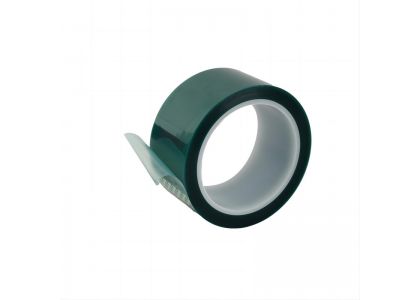
In powder coating, even microscopic adhesive residue can lead to surface defects, corrosion undercoats, or poor paint adhesion—issues unacceptable in aerospace, automotive, and medical device production. Selecting best powder coating tape or premium quality Green High Temp Masking Tape with silicone adhesive is the first defense against residue. A Michigan automotive supplier reported a 27% drop in rework costs after switching to a silicone‐based system and refining their removal timing. In contrast, rubber‐based tapes often smear when exposed to bake cycles, requiring aggressive cleanup that can damage substrates.
Silicone adhesives—used in most best powder coating tape offerings—maintain clean release up to 425 °F (218 °C), whereas rubber adhesives degrade and leave sticky films.
Tapes like 3M™ Polyester 8991/8992 and Tesa® 50620 are rated to 392–500 °F, allowing a 10–15% derate margin during the actual cure cycle to prevent adhesive breakdown.
Contaminants—oils, dust, or oxidation—force tapes to over‐adhere, increasing residue risk. Thorough degreasing and drying are non‐negotiable steps before applying customized powder coating tape.
Warm-Peel Timing: Remove tape when parts cool to ~100–120 °F (38–49 °C) to exploit differential contraction between coating and adhesive, facilitating a clean release.
Angle and Speed: Peel back at a consistent 45° angle at a controlled, steady speed to avoid adhesive fracture and boarder tear‐offs.
Post-Removal Cleaning: For stubborn spots, use mild citrus‐based solvents rather than harsh chemicals to safeguard the underlying coating.
A racing team coating carbon‐fiber helmet shells cut edge‐tear incidents by 90% after adopting these powder coating tape removal best practices.
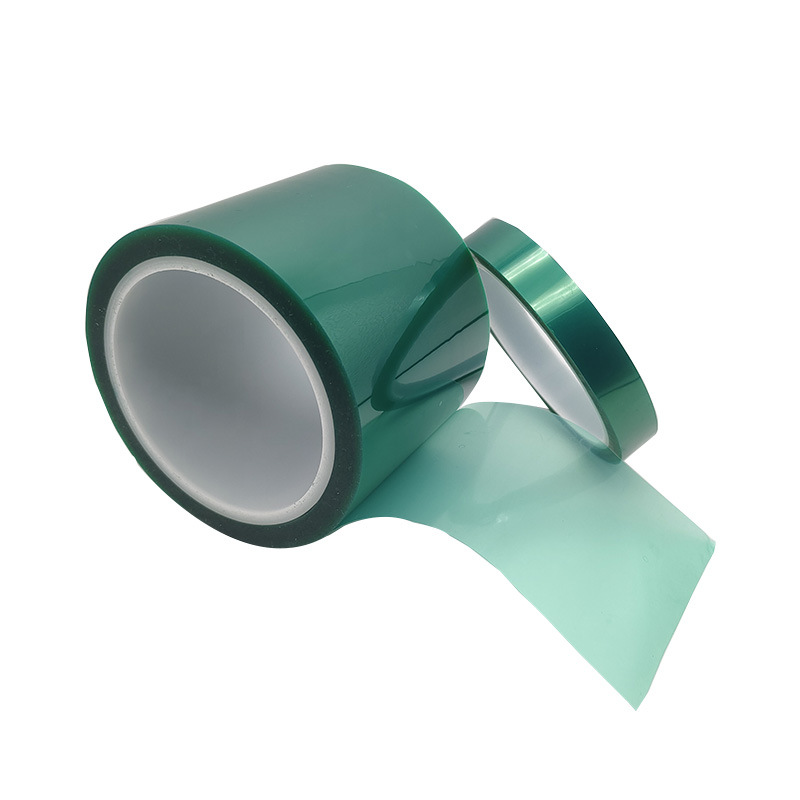
An aerospace contractor coating turbine blades with ceramic powders struggled with adhesive smear until they trialed six tapes. Their final choice—a OEM bulk powder coating tape featuring a polyimide backing and proprietary “cold‐peel” silicone adhesive—achieved zero residue across 10,000+ blades and cut post‐processing labor by 15% .
Laser-Scribed Die-Cuts: Pre-cut patterns (e.g., from MaskingSupply or Tesa® 60412) reduce manual handling, contamination, and waste when using customized powder coating tape.
Anti-Static Backings: For electronics enclosures, static‐dissipative tapes avert adhesive migration caused by ESD events.
Automated Peelers: Robotic arms programmed with precise peel angles and speeds ensure uniform removal in high‐volume settings, improving consistency with premium quality Green High Temp Masking Tape.
A medical device manufacturer saw a 40% reduction in residue‐related defects by integrating laser‐guided applicators and clean‐release adhesives.
Ignoring Tape Ratings: Exceeding the recommended bake temperature (by failing to derate by 10–15%) causes adhesive degradation and residue.
Poor Storage Conditions: Storing tapes in humid or warm environments degrades adhesives, leading to smear upon removal.
Uneven Application: Quick, “eyeball” mask placement leads to air bubbles and inconsistent adhesion; always use proper tools (rollers, applicators) for uniform bonding.
Substrate Incompatibility: Always verify that the tape’s adhesive chemistry is compatible with your substrate and powder coating formula to prevent chemical reactions and residue.
By combining high‐performance tape formulations, precise removal protocols, and cutting‐edge innovations, you can ensure truly residue‐free surfaces and achieve flawless finishes in even the most demanding powder coating operations.