
info@jxgreentape.com
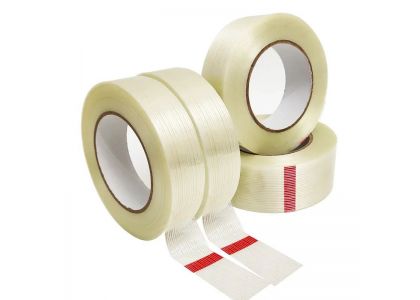
In demanding electrical and thermal environments, filament insulation tape and filament insulating tape play a vital role in ensuring long-term system reliability. Engineered with high-strength filaments embedded in a durable backing and adhesive system, these tapes offer excellent abrasion resistance, dielectric stability, and thermal endurance. Whether used for wrapping coils, bundling wire harnesses, or sealing HVAC ductwork, the right insulation tape delivers both mechanical integrity and electrical protection—reducing the risk of failure and extending system lifespan.
Core Composition and Material Structure
A typical filament insulation tape comprises three engineered layers:
Backing Material: PVC, polyester, or polyimide films provide dielectric isolation and dimensional stability across a wide temperature range.
Filament Reinforcement: Continuous glass or polyester filaments, 5–15 µm in diameter, are tensioned to create a robust internal grid structure, similar to microscopic rebar.
Adhesive System: Acrylic, silicone, or rubber-based adhesives are tailored for optimal initial tack, long-term adhesion, and temperature resistance.
This composite design integrates the electrical insulation properties of traditional tapes with the tensile strength found in filament strapping tape, making it ideal for high-performance applications.
Dielectric Performance and Industry Standards
Engineers select filament reinforced tape based on its electrical and mechanical performance:
Dielectric Strength: Typically exceeds 5 kV/mm as per IEC 60454-2, ensuring reliable insulation in high-voltage environments.
Tensile Strength: Verified by ASTM D3759 with values ranging from 150 to 300 N/cm, supported by filament reinforcement that halts tear propagation.
Tear Resistance: ASTM D1004 shows enhanced resistance to tear initiation and propagation thanks to the embedded filament matrix.
Compliance with UL 510 and CSA C22.2 standards further qualifies filament electrical tape for use in industrial and commercial installations.
Thermal Resistance and Temperature Ratings
The thermal capabilities of insulation filament tape depend on the adhesive and backing chemistry:
Standard Grades: Withstand –40 °C to 120 °C, suitable for routine electrical and HVAC uses.
High-Temperature Grades: Featuring silicone adhesives and polyimide backings, can tolerate up to 200 °C for intermittent exposure.
Aging Resistance: UV-stabilized backings combined with acrylic adhesives maintain adhesion and insulation properties under prolonged thermal stress.
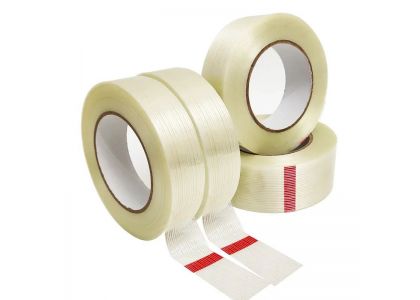
When specifying a filament insulation tape roll, match the rated thermal performance to the application’s peak operating conditions to avoid adhesive bleed or embrittlement.
Electrical System Applications
Filament insulating tapes are widely used in critical electrical systems:
Wire Harness Bundling: Offers abrasion protection and dielectric separation, even in high-vibration settings.
Coil Wrapping: Prevents winding layer displacement in motors and transformers, enhancing thermal cycle resistance.
Busbar Insulation: Delivers mechanical robustness and dielectric reliability in switchgear systems.
A major motor manufacturer reported a 30% reduction in coil failures after switching from standard PVC tape to filament electrical tape during thermal testing.
Thermal Management Use Cases
Beyond electrical insulation, filament tapes are increasingly used for heat control in industrial settings:
HVAC Duct Sealing: Provides airtight, long-lasting seals on both metal and fiberglass ductwork.
Furnace Door Seals: High-temperature variants withstand thermal cycling without losing structural integrity.
Pipe and Duct Wraps: Reinforced tapes ensure continued insulation and physical durability on exposed piping.
One HVAC contractor significantly reduced maintenance callbacks—by 50%—after transitioning to filament reinforced tape for rooftop duct sealing projects.
Selection Criteria and Ratings Guide
To choose the correct filament tape, consider:
Voltage Rating: Always exceed the system's maximum expected voltage with a safety margin.
Mechanical Load: Ensure tensile and tear values are higher than the stress levels encountered during installation and operation.
Temperature Range: Match adhesive and backing materials to the application’s continuous and peak temperatures.
Roll Dimensions: Standard widths range from 12 mm to 96 mm; custom slitting available.
Review datasheets for compliance with IEC, UL, and CSA certifications before final selection.
Installation and Handling Best Practices
To ensure optimal results when using filament packing tape or insulation variants:
Surface Preparation: Apply tape to clean, dry surfaces free from oil, dust, or other contaminants.
Tension Control: Use consistent moderate tension—30–50% elongation—to embed filaments properly.
Layering Technique: Overlap each pass by 50% to ensure full coverage; consider multiple layers for high-voltage systems.
Environmental Protection: Apply UV-resistant sleeves or overcoats when used outdoors.
Correct handling preserves the tape’s mechanical and dielectric properties during operation.
Sustainability and End-of-Life Options
While filament tapes often combine multiple materials, making recycling difficult, some manufacturers are introducing take-back programs and bio-based backing films. Lifecycle assessments indicate that longer service life helps offset environmental costs compared to traditional PVC-only products. Companies should engage suppliers about recycling programs or eco-certifications to align with corporate sustainability goals.
Final Insights
By incorporating filament insulation tape into both electrical and thermal systems, engineers can significantly improve safety, performance, and durability. With its engineered combination of dielectric films, filament reinforcements, and advanced adhesives, this material meets stringent technical requirements across industries. Proper product selection—based on mechanical, thermal, and electrical factors—can reduce failure rates, extend system life, and lower long-term maintenance costs.