
info@jxgreentape.com
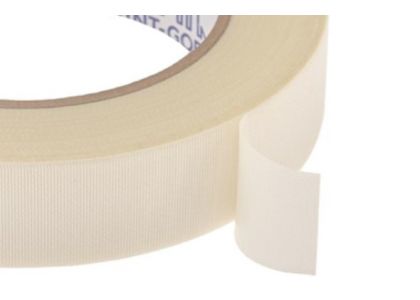
Glass-cloth adhesive tape pairs a woven fiberglass backing with engineered adhesives to provide mechanical reinforcement, thermal protection, and electrical insulation in demanding environments. In specification work I’ve handled, the most common cause of field failures is not the tape itself but a mismatch between claimed ratings and actual installation conditions. This article concentrates on the measurable specs, verification steps, and procurement practices that engineering and procurement teams need to avoid those failures.
Glass-cloth tape is used for electrical insulation, abrasion protection, thermal shielding, seam reinforcement, and temporary masking. Different backing constructions (plain woven, PTFE-impregnated) and adhesive systems (silicone, acrylic) change performance significantly—so treat “glass cloth tape” as a family of products rather than a single solution. When comparing suppliers, always ask for a TDS (Technical Data Sheet) and SDS (Safety Data Sheet) and validate key claims with samples under the actual operating conditions of your project.
Common electronics uses include:
Motor and transformer insulation: used as slot liners, interlayer tape, or phase separators—often applied in multiple plies and combined with varnish impregnation. Verify dielectric strength and varnish compatibility.
Thermal protection and high-temp masking: PTFE- or silicone-treated variants can withstand higher temperatures and repeated cycles; confirm both continuous and short-term peak ratings.
Harness protection and abrasion resistance: woven backing resists cuts and wear in cable bundles and assemblies.
Selection checklist for electronics:
Continuous operating temperature (choose a rating that provides margin above your expected peak).
Dielectric properties / certification (request UL or IEC test report IDs).
Backing thickness & tensile strength (to resist handling and winding).
Adhesive compatibility with varnishes, resins, or potting compounds used in your process.
Always run a small production trial and record insulation resistance and adhesion after the process cycle.
In construction and infrastructure, glass-cloth tape is commonly used for sealing HVAC ducts, reinforcing joints, wrapping pipe insulation, and weatherproofing exposed seams. Key application notes:
Outdoor/coastal exposure: choose tapes with verified UV and salt-spray resistance (ask suppliers for accelerated weathering or salt-spray data, e.g., ASTM B117 results).
HVAC and conduit sealing: confirm adhesion to common insulation facings such as foil, kraft paper, and polyethylene.
Mechanical reinforcement: woven backing improves tear resistance when used for repair or retrofit.
For contracts, define functional acceptance tests (for example: adhesion after 1,000 hours cyclic humidity or no cracking after X thermal cycles) and include them as part of procurement conditions.
When qualifying a product, request explicit values and test methods. Typical parameters to specify:
Continuous operating temperature (°C / °F): specialty PTFE/silicone variants: 150–260°C; confirm continuous vs. short-duration peak ratings.
Tensile strength & elongation: prevents tearing during handling/installation.
Dielectric strength (kV/mm) & volume resistivity: request test method and report (IEC/ASTM).
Adhesion to key substrates (N/cm)—specify test method (e.g., ASTM D3330).
Chemical resistance & aging data: resistance to oils, solvents, UV, and salt spray—request accelerated aging results.
Ask suppliers to complete a compliance table linking each property to a test method and report reference.
Common challenges: raw material price volatility, longer lead times for specialty formulations, and variability in claimed performance across manufacturers.
Practical procurement actions:
Sample and validate early: do not approve bulk orders without on-site or lab testing against your acceptance criteria.
Require traceable test documents: TDS, SDS, and third-party or in-house test reports with report numbers and dates.
Include acceptance tests in contract terms: e.g., perform adhesion and dielectric tests on random samples from production lots.
Define acceptable substitutes and pre-approve secondary suppliers to reduce disruption risk.
These steps convert supplier claims into verifiable evidence and reduce the chance of costly rework.
Purchase Request Checklist (paste into RFQ / PO)
Provide TDS and SDS; include test report IDs and issue dates.
Confirm continuous and peak temperature ratings (state both values).
Provide dielectric strength test method and result (include report ID).
Supply adhesive peel strength to target substrates (steel / foil / polyethylene) with test method (e.g., ASTM D3330).
Include one sample per lot for our in-house acceptance testing (adhesion, dielectric, accelerated aging).
State lead time, minimum order quantity, and available alternative formulations.
How to use: paste the checklist into your RFQ or purchase order template and ask the supplier to complete any blank fields (report numbers, dates). Bolded items are the non-negotiable evidence points we require for acceptance.
Glass-cloth tape is a versatile, high-value material across electronics, construction, and industrial manufacturing. Its real-world performance depends on exact backing construction and adhesive formulation—not on generic product names. To achieve reliable outcomes, move procurement conversations away from marketing claims and toward measurable parameters, verifiable test reports, and small-scale validation under the real conditions your project will see.