
info@jxgreentape.com
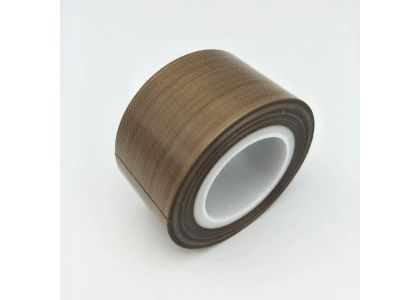
In laboratories and chemical-process plants, surface compatibility with aggressive cleaners and disinfectants is non-negotiable. The wrong liner or protective tape becomes a contamination source, shortens equipment life, or forces frequent, costly interventions. For that reason many engineers specify premium quality Teflon Glass Cloth Tape or similar PTFE-lined materials on heat-seal jaws, instrument housings, bench edges and cable runs. These materials combine a chemically inert Teflon surface with the dimensional stability of glass cloth, delivering both repeatable performance and predictable maintenance intervals. If you plan to buy PTFE Coated Glass Cloth Tape for a facility, this guide explains the technical reasons, the practical benefits and the buyer-side checks quality teams should demand.
A high-performance Teflon glass-cloth tape is not just “Teflon glued to glass.” Leading products are engineered across several axes:
Thermal stability: continuous-use temperatures typically up to ~260°C (500°F); short-term peaks tolerated above this depending on construction.
Chemical inertness: resistance to acids, alkalis, alcohols, solvents and sterilants common in lab washdowns.
Low surface energy: prevents adhesives, residues and biological films from bonding to tooling or package surfaces.
Mechanical strength and tear resistance: glass-fiber core carries tensile loads and resists abrasion.
Clean removal and low residue: adhesives and constructions designed to minimize transfer after extended service.
When you specify PTFE Coated Fiberglass Cloth Tape, request datasheets that quantify these attributes (TGA/DSC, continuous-use temp, ASTM peel, abrasion cycles and chemical-resistance tables).
Putting the features into operational language: a properly selected PTFE-cloth liner reduces cleaning frequency, preserves tooling finish and lessens the use of aggressive solvents. That matters in three concrete ways:
Uptime: fewer unscheduled stops for jaw cleaning or component rework.
Compliance: less residue means easier evidence collection for hygiene audits and regulatory inspections.
Cost: longer liner life and reduced solvent consumption lower total cost of ownership.
These gains are measurable. Facilities that shift from generic polymer liners to premium quality Teflon Glass Cloth Tape typically report lower maintenance hours per month and improved process repeatability.
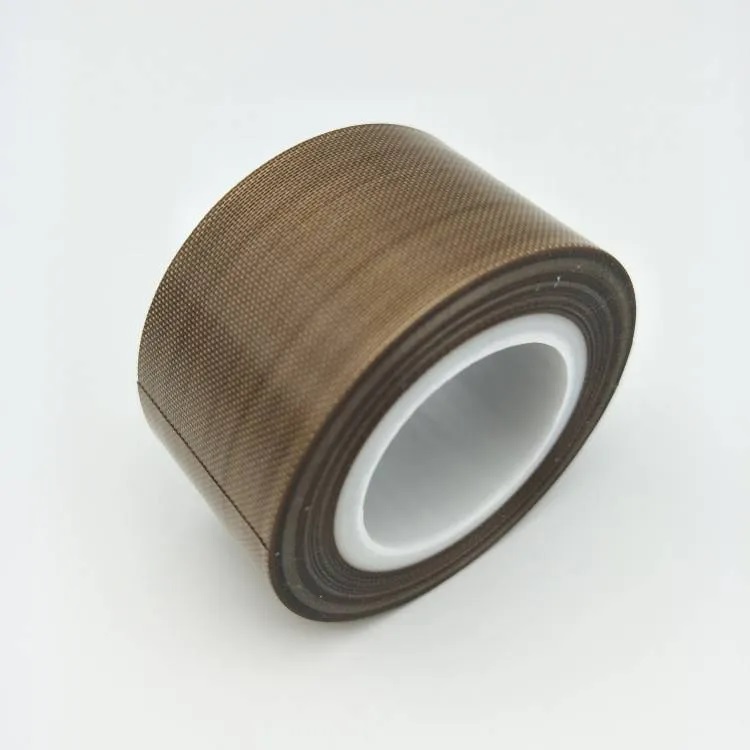
Chemical washdown environments challenge adhesives and substrates in two ways: repeated wetting/drying cycles, and routine exposure to strong disinfectants (peracetic acid, sodium hypochlorite, quaternary ammoniums) or solvent cleaners. The PTFE surface is chemically inert and resists swelling, while the fiberglass backing provides structural resilience. Combined, PTFE Coated Fiberglass Cloth Tape tolerates repeated pressure washing and immersion without delaminating or shedding particles — essential where sterility and product integrity are critical.
Procurement should treat this as an engineering purchase, not a commodity buy. Follow these steps:
Define the service envelope: temperatures, expected chemical exposures, cycle counts, and any regulatory needs (food contact, USP, FDA, or medical standards).
Request technical packs: TGA/DSC, continuous-use temperature, ASTM D3330 peel tests (before/after aging), ASTM D4060 abrasion results, and adhesive-transfer mass after bake.
Ask for pilot rolls and pre-slitted options to match your jaw geometry. Small pilots de-risk full rollout.
Validate documentation: ISO 9001, COAs per lot, retained-sample policy and QC test reports.
Negotiate supply terms: MOQ, lead time, and acceptance criteria (AQL) with remedies for nonconforming lots.
If you buy PTFE Coated Glass Cloth Tape purely on price, you risk upstream failures and hidden costs. Buy on data and traceability.
Case A — Food-grade vacuum pouch line (anonymized, realistic)
Problem: Frequent micro-leaks and line stops for jaw cleaning, leading to product rejections and lost throughput.
Action: Engineering replaced generic liners with PTFE Coated Fiberglass Cloth Tape pre-slit to jaw width; pilot run captured cleaning time and seal-failure metrics.
Result: Seal failures dropped 78% on the pilot line, cleaning stops fell from three per shift to one, and the plant reduced solvent-based cleaning by 60%. The supplier’s COA and retained-sample policy supported HACCP documentation.
Case B — Chemical research lab fume-hood fixtures (simulated-representative)
Problem: Repeated exposure to aggressive solvents degraded fixture liners and produced particulate contamination.
Action: Lab operations installed premium quality Teflon Glass Cloth Tape on bench edges and clamping surfaces and adopted scheduled inspections.
Result: Liner life extended from weeks to months; particulate counts during sensitive assays dropped measurably; operators reported easier cleaning and fewer solvent swaps.
Case C — Medical device packaging (anonymized)
Problem: Seal inconsistency during sterilization cycles led to occasional package failures post-sterilization.
Action: Packaging validation team specified skived PTFE glass-cloth liners and required sterilization-cycle testing and peel-strength data after autoclave exposure.
Result: Post-sterilization seal integrity passed batch testing consistently; the medical OEM added the tape supplier’s data to its Design History File for regulatory review.
Quality and traceability matter most in regulated or clean-room contexts. Require the following from any prospective supplier:
Material datasheet with TGA/DSC and recommended continuous-use temperature.
Adhesive performance reports: peel and shear, before and after thermal/chemical aging.
Chemical resistance table that maps your disinfectants and solvents to observed performance.
Lot-based COA and retained-sample policy (retain a roll/sample per LOT for 12–36 months).
Certifications: ISO 9001; for food/medical uses, request relevant declarations (FDA, USP, food-contact).
Pilot support: pre-cut slits, sample kits, and small MOQ options.
Technical support: application guides, recommended storage and installation practices.
Document these items in the procurement file so quality and regulatory teams can review them quickly.
A simple, low-risk deployment plan:
Identify one representative line or bench area and define KPIs (stops/day, cleaning minutes, seal failures per 10k units).
Order pilot rolls from two vetted PTFE Coated Fiberglass Cloth Tape suppliers; ensure COAs and lot numbers accompany deliveries.
Run a 2–6 week pilot capturing KPI changes and any adhesive transfer measurements.
Evaluate results with QA: inspect retained samples, confirm residue levels and verify cleaning frequency reductions.
Approve supplier for scale only after satisfying QA threshold and negotiating supply terms (AQL, lead time, replacement policy).
Document SOPs for installation, storage and preventive replacement intervals.