
info@jxgreentape.com
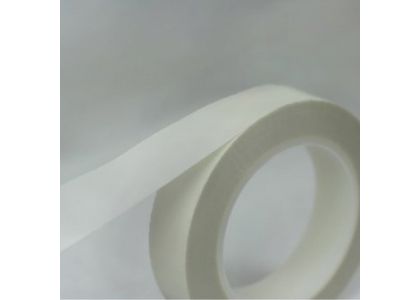
When buyers compare glass cloth adhesive tape, “grade” usually isn’t a marketing label—it’s a shorthand for backing construction, adhesive system, coating control, and batch consistency. If you only compare unit cost, the risk is that the tape passes a quick sample test but drifts in real production: heat cycling, vibration, abrasion, oil exposure, or electrical insulation stress.
Whether you’re sourcing from an OEM bulk glass cloth tape supplier or checking glass cloth electrical tape wholesale price across multiple vendors, the fastest way to stay on budget is to define your operating conditions first, then match the grade to those conditions.
Suppliers may describe many “grades,” but for procurement engineers the decision normally comes down to a few measurable variables. If a vendor can’t show data for the items below, the grade is effectively unknown.
Budget matters, but price alone doesn’t describe value. Glass cloth electrical tape wholesale price is usually driven by adhesive chemistry, backing thickness, coating weight, quality control level, and order volume. Two products can look similar on a datasheet yet behave very differently after heat aging or under oil and vibration.
Bulk orders from an OEM bulk glass cloth tape provider can reduce unit cost, but buyers should treat the first PO as a qualification step. In many plants, the real cost isn’t the roll price—it’s rework time, residue cleanup, insulation failures, or line interruptions caused by performance drift.
A practical rule in procurement: if the application is safety-critical, high temperature, or electrical insulation related, require performance evidence before optimizing price.
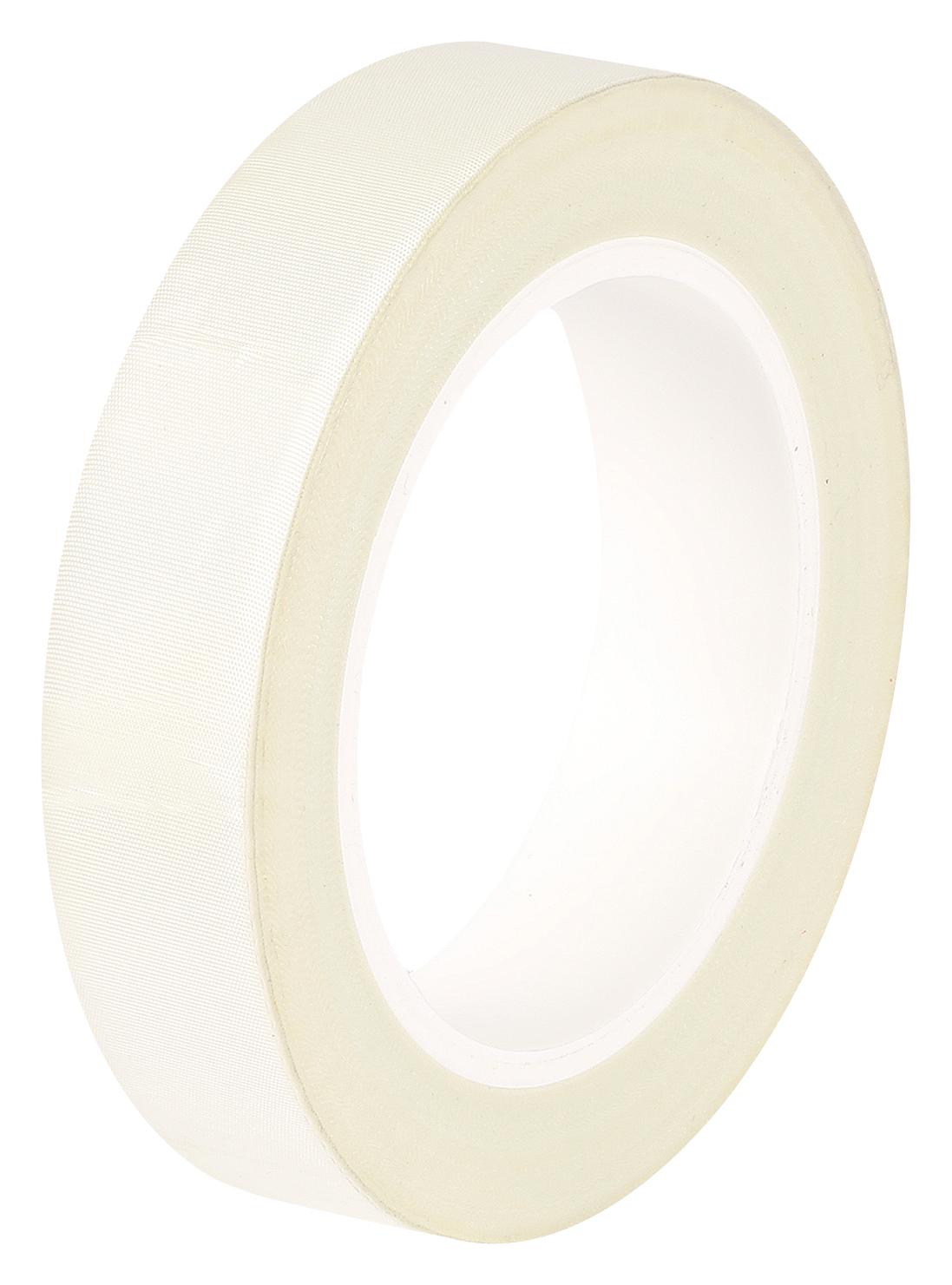
Instead of “good/better/best,” it’s more useful to match grade to operating stress. Here’s a procurement-friendly way to frame it:
If you’re unsure, don’t guess—request samples and define a simple validation plan: initial adhesion, heat aging, thermal cycling, residue check, and any electrical tests relevant to the application.
These aren’t “feel-good success stories.” They’re common patterns buyers see when qualifying tape grades.
Scenario 1: Solar equipment assembly (heat exposure + process consistency)
A manufacturing line uses glass cloth tape in a process step that sees elevated temperature and repeated heating. The low-cost tape initially holds, but after several cycles operators see edge lifting and cleanup issues that slow down the line. The fix usually isn’t “buy the most expensive tape.” It’s specifying a grade with verified heat-aging behavior and consistent coating control, then confirming performance with a short thermal cycling and post-aging adhesion check before scaling purchase volume.
Scenario 2: Electronics assembly (insulation reliability + residue control)
An assembler sources through an OEM bulk glass cloth tape supplier to control cost, but the internal acceptance criteria include dielectric-related checks and residue sensitivity on certain substrates. The qualification focuses on: backing thickness consistency, adhesive system disclosure, and a supplier package that includes traceability and a stable COA. In practice, this is where a vetted glass cloth silicone tape manufacturer matters—not as a marketing phrase, but as a supplier that can repeatedly hit the same construction and provide predictable documentation.
Before you optimize glass cloth electrical tape wholesale price, lock down the grade using questions that prevent bad surprises:
Buyers who do this typically avoid the classic trap: saving pennies per roll and paying later in rework, downtime, or warranty risk.
Glass cloth electrical tape wholesale price should always be evaluated together with adhesive system, backing thickness, coating consistency, and supplier process control. Lower price tapes may work for light-duty applications, but for electrical insulation, high temperature exposure, or continuous production environments, performance stability often has a bigger impact on total cost than unit roll price.
Silicone adhesive systems are generally preferred for continuous high temperature environments and thermal cycling conditions. Acrylic systems may offer strong initial adhesion and good cost efficiency in moderate temperature environments. The correct choice depends on actual operating temperature, exposure duration, and substrate compatibility.
Sourcing from an OEM bulk glass cloth tape supplier is typically preferred when you require customized construction, stable long-term supply, or large production volume pricing. For critical applications, buyers should still verify quality documentation, batch consistency, and sample validation before scaling volume orders.
A reliable glass cloth insulation tape factory should typically provide certificate of analysis (COA), material specifications, thickness tolerance data, and basic performance test results such as adhesion and temperature resistance. For electrical or regulated industries, buyers may also request compliance documentation depending on application requirements.
Beyond price and sample performance, buyers should evaluate production consistency, traceability system, coating process stability, and ability to reproduce the same construction across batches. Long-term supply reliability is often more important than short-term cost savings in automated or high-volume production environments.