
info@jxgreentape.com
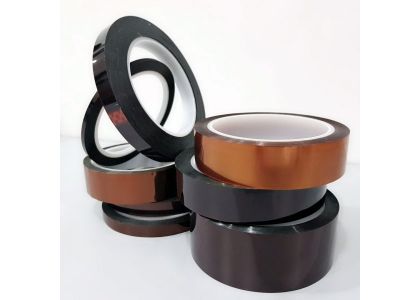
The aerospace industry's relentless pursuit of reliability and safety has made material selection one of the most critical aspects of spacecraft and aircraft design. High quality polyimide tape has emerged as an indispensable component in this demanding field, particularly due to its extraordinary ability to maintain performance under extreme thermal and mechanical stress. This specialized material, known for its exceptional dielectric strength, mechanical durability, and thermal resistance, serves multiple essential functions in aerospace applications—from insulating delicate electrical components in satellites to protecting sensitive surfaces during thermal coating processes in aircraft assembly.
The unique properties of advanced polyimide film make it ideally suited for environments where temperature fluctuations can range from cryogenic conditions in space to intense heat during atmospheric re-entry. Unlike conventional materials that might degrade, crack, or lose adhesion under such conditions, premium-grade polyimide tapes maintain their structural integrity and protective capabilities. This reliability is why aerospace engineers increasingly depend on OEM bulk PI tape solutions that offer consistent performance across large production runs. The ability to source these materials from trusted suppliers with stringent quality control processes ensures that every component meets the rigorous standards required for aerospace certification and long-term mission success.
Thermal cycling represents one of the most significant challenges in aerospace engineering, testing materials beyond their normal operational limits. Aerospace vehicles and equipment must withstand repeated exposure to extreme temperature variations that can cause conventional materials to fail through expansion, contraction, fatigue, or loss of functional properties. For instance, low Earth orbit satellites may experience temperature swings from -150°C to +120°C multiple times during each orbit, while hypersonic aircraft surfaces can reach temperatures exceeding 500°C during high-speed flight.
These conditions demand materials that not only survive but perform consistently throughout the thermal cycles. High quality polyimide tape excels in this environment due to its unique molecular structure and engineered properties. The material exhibits an extremely low coefficient of thermal expansion, meaning it maintains its dimensions and mechanical properties across the temperature spectrum. Additionally, the advanced adhesives used in these tapes are specifically formulated to maintain bond strength without oozing, cracking, or becoming brittle. This performance is critical for applications where material failure could compromise mission success or vehicle safety, making thermal cycling resistance a fundamental requirement for aerospace-grade polyimide products.
The qualification process for aerospace materials represents one of the most rigorous testing regimes in any industry. High performance polyimide tapes must undergo extensive evaluation to demonstrate their suitability for critical applications. This testing includes thermal vacuum exposure, outgassing measurements, radiation resistance assessment, and mechanical property verification under simulated mission conditions. Materials that pass these tests receive certification under standards such as MIL-P-87131, ASTM E595, and various NASA requirements, providing engineers with confidence in their performance and reliability.
The qualification process specifically evaluates how OEM bulk PI tape products behave under harsh thermal cycling conditions. Test specimens undergo hundreds or thousands of cycles between temperature extremes while monitoring for changes in adhesion strength, dimensional stability, electrical insulation properties, and physical appearance. This thorough validation ensures that the tapes will perform as expected throughout the spacecraft or aircraft's operational lifetime. Manufacturers offering aerospace-qualified products typically provide comprehensive documentation including material composition data, test certificates, and lot traceability—all essential elements for aerospace customers who must maintain rigorous quality assurance records for certification and audit purposes.
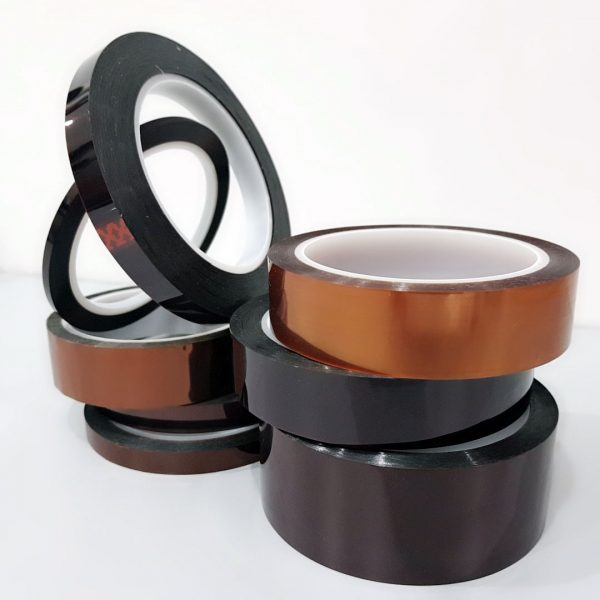
While standard high quality polyimide tape products serve many applications, the unique requirements of aerospace projects often demand customized solutions. Customized kapton tapes can be engineered with specific characteristics to address particular challenges in aerospace design and manufacturing. These customizations might include adjusted thicknesses for weight reduction in satellite applications, specialized adhesive formulations for bonding to particular substrates, or enhanced thermal conductivity for improved heat dissipation in electronic assemblies.
The customization process typically begins with a detailed analysis of the application requirements, including operational temperature range, environmental exposure conditions, mechanical stress factors, and compatibility with other materials. Tape manufacturers then engineer solutions that might incorporate unique features such as reinforced edges for improved handling, custom die-cutting for specific component shapes, or surface treatments for enhanced adhesion to challenging substrates. The ability to obtain these Customized kapton tapes in production quantities through OEM bulk PI tape arrangements allows aerospace companies to implement optimized solutions without compromising on supply chain reliability or cost-effectiveness, ultimately contributing to improved performance and reliability of the final aerospace systems.
Establishing a reliable supply chain for aerospace-grade polyimide materials requires careful consideration of multiple factors beyond basic product specifications. Aerospace manufacturers must evaluate potential suppliers based on their quality management systems, production capabilities, technical support offerings, and track record in serving the aerospace industry. OEM bulk PI tape arrangements with qualified suppliers provide numerous advantages, including consistent material quality across production batches, volume-based pricing efficiencies, and priority access to production capacity during periods of high demand.
When selecting supply partners for high quality polyimide tape, aerospace companies typically look for manufacturers with ISO 9001 certification, AS9100 compliance, and familiarity with NASA and ESA material requirements. These suppliers must demonstrate robust quality control processes, including raw material verification, in-process testing, and comprehensive final inspection protocols. Additionally, leading suppliers offer technical support services that can assist with material selection, application engineering, and troubleshooting—valuable resources that help aerospace customers optimize their use of polyimide tapes and avoid potential issues during manufacturing or operation. The growing trend toward global supply chain diversification has also made international partnerships increasingly common, with many aerospace companies working with established polyimide film producers in different regions to ensure supply continuity and access to the latest material technologies.
The practical implementation of high quality polyimide tape in aerospace systems demonstrates its critical importance across multiple applications and vehicle types. These real-world uses highlight how the material's unique properties address specific challenges in aerospace design and operation:
Case 1: Satellite Electrical Insulation Systems
A leading satellite manufacturer faced challenges with electrical insulation in their power distribution units, which experienced temperature variations from -80°C to +120°C during normal operation. Conventional insulating materials showed signs of degradation after accelerated thermal cycling tests, risking potential short circuits in critical systems. The engineering team implemented a high quality polyimide tape with specialized silicone adhesive that maintained excellent dielectric strength and physical properties throughout the thermal range. The solution provided reliable insulation for bare conductors and electrical connections throughout the satellite's operational lifetime, contributing to the mission's success without any electrical failures reported over five years of operation.
Case 2: Thermal Protection in Launch Vehicle Avionics
During rocket launch, avionics compartments experience extreme vibration and rapidly increasing temperatures that challenge component mounting and thermal management systems. A aerospace avionics supplier developed a thermal protection system using Customized kapton tapes with enhanced reflectivity and high-temperature adhesion properties. These tapes served multiple functions: securing wiring harnesses against vibration-induced fatigue, providing thermal reflection to reduce heat transfer to sensitive components, and maintaining their protective properties despite exposure to rocket exhaust gases and aerodynamic heating. The customized tape solution survived multiple test launches and ultimately became part of the standard thermal protection specification for the launch vehicle series.
Case 3: UAV Sensor Integration and Aerodynamic Surfacing
A developer of high-altitude unmanned aerial vehicles (UAVs) needed to integrate numerous environmental sensors into wing surfaces without compromising aerodynamic performance or adding significant weight. The solution involved using ultrathin polyimide film tapes specifically engineered for this application. These tapes provided secure mounting for temperature, pressure, and airflow sensors while maintaining smooth surface contours essential for aerodynamic efficiency. The material's resistance to UV radiation, moisture, and temperature extremes ensured reliable sensor operation throughout extended missions at altitudes exceeding 60,000 feet. The success of this application demonstrated how advanced tape solutions can enable innovative sensing approaches without requiring structural modifications or compromising vehicle performance.
The selection of high quality polyimide tape for aerospace applications involves careful evaluation of multiple technical, operational, and supply chain factors. Engineers must consider not only the immediate performance requirements but also the long-term reliability implications and total cost of ownership. The material's compatibility with other system components, its behavior under all anticipated environmental conditions, and its compliance with relevant industry standards all play crucial roles in the selection process.
Beyond technical performance, aerospace companies must consider manufacturing and logistical factors when selecting OEM bulk PI tape suppliers. Production consistency, documentation completeness, and supply chain reliability become increasingly important as programs move from development to production phases. Established suppliers with experience serving the aerospace industry typically offer better support for these requirements, including change notification processes, material traceability systems, and capacity planning assistance. As aerospace systems continue to evolve toward higher performance and greater reliability, the role of advanced materials like Customized kapton tapes and engineered polyimide film will continue to grow in importance, making informed material selection and supplier partnership decisions increasingly critical to program success.