
info@jxgreentape.com
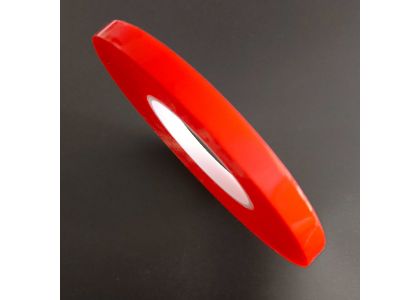
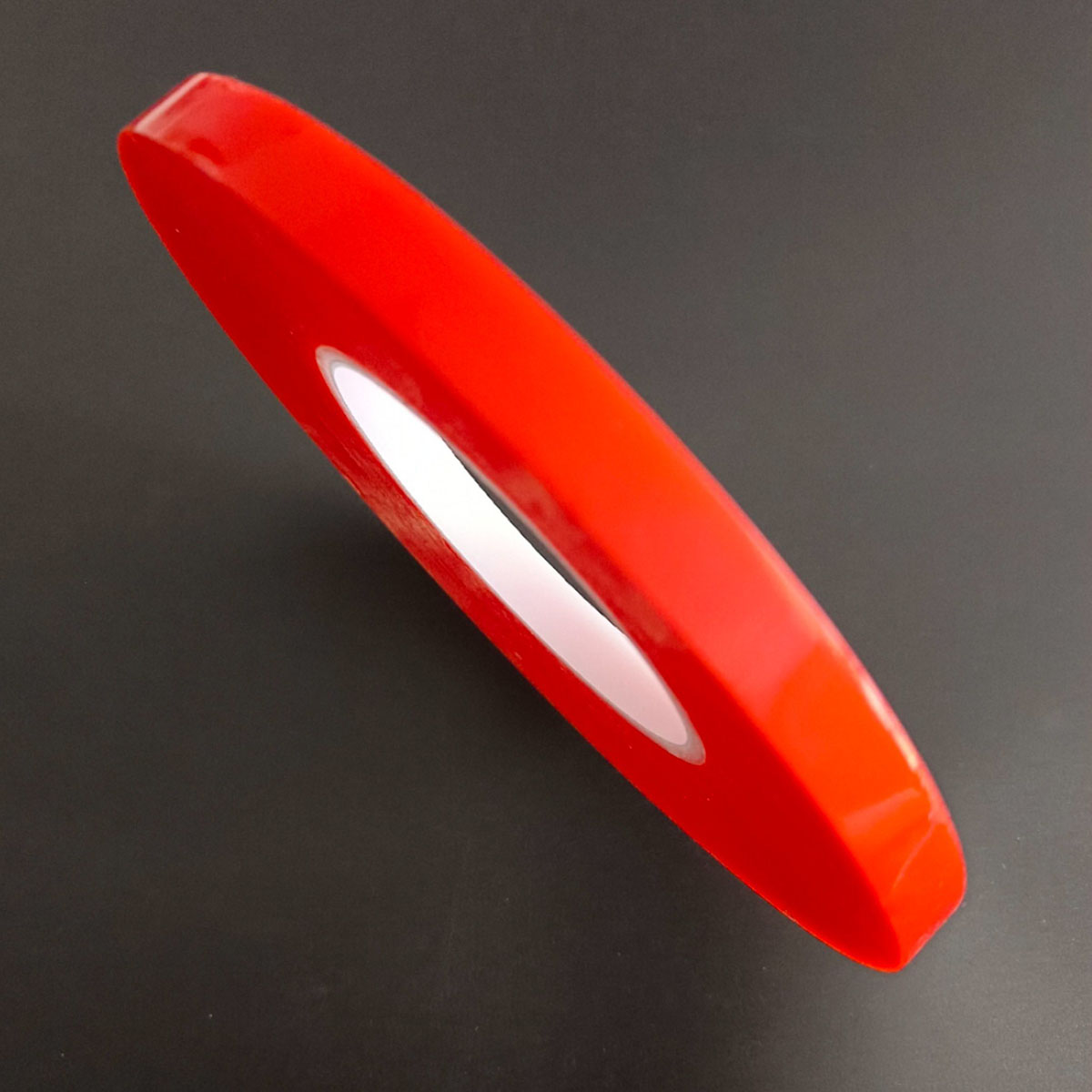
In today’s global supply chain, PET Mounting Tape is frequently evaluated alongside Double Sided Adhesive Tape during supplier qualification, because buyers need both performance consistency and documentation that supports regulatory reviews. For projects that require stable bonding on panels, nameplates, and assemblies, PET Double sided Bonding Tape is often selected for its dimensional stability and long-term shear behavior, while Acrylic Clear Heavy-Duty Double Sided Tape is considered when appearance and high-strength bonding are priorities. Working with a capable PET Mounting Tape supplier helps ensure that every roll delivered to the line matches the declared material system, verification records, and batch-to-batch controls.
Compliance expectations begin with a clear material definition and the evidence that supports it. For PET-based mounting products, the film provides mechanical strength and dimensional stability, and the acrylic pressure-sensitive adhesive (Acrylic PSA) provides durable bonding behavior that can remain stable under many industrial conditions. Buyers typically require both a material description and supporting documentation suitable for internal qualification and audits.
Qualification commonly relies on verifiable documentation and traceability:
Adhesive performance depends on substrate type, surface condition, dwell time after lamination, applied pressure, and environmental conditions during testing. Disclosing test conditions allows engineering teams to interpret results correctly and replicate verification on their own substrates and processes.
PET mounting constructions are typically evaluated using:
Acrylic PSA systems are widely used for mounting because they can provide strong long-term shear performance and resistance to UV and oxidation. Performance remains application-dependent: higher temperatures can increase creep risk, humid environments can change bonding behavior over time, and low-surface-energy plastics may require specific surface preparation or alternative constructions.
Consistency across repeat orders is supported by defined incoming checks, process monitoring for coating and lamination, and outgoing verification for key adhesion and mechanical properties. Lot identification and documented release practices strengthen traceability when customers require audit-ready records.
Document package is available, current, and version-controlled (TDS, SDS)
Material compliance documentation is available upon request (e.g., RoHS and REACH SVHC), with clear scope and document date
Lot/roll identification supports batch traceability back to production records
Coating, lamination, and slitting controls are defined and monitored
Sampling and acceptance criteria exist for key properties
Storage conditions and shelf-life are specified
A change-control procedure exists for material or process changes that may affect performance
|
Item |
What it indicates |
Typical reporting format |
|
PET film thickness |
Dimensional stability and handling |
μm (or mil) |
|
Total thickness |
Gap-filling and conformability |
μm (or mil) |
|
Adhesive type |
Aging behavior and shear stability |
Acrylic PSA |
|
180° peel adhesion |
Bond strength on a defined substrate |
N/25 mm (substrate + dwell time stated) |
|
Static shear / holding power |
Creep resistance under constant load |
time-to-fail (load + area + temperature stated) |
|
Temperature resistance |
Short-term exposure vs. long-term use |
°C with duration stated |
|
Humidity / aging durability |
Stability after environmental exposure |
condition + duration + criteria |
|
Residue behavior |
Rework impact after aging |
substrate + condition + removal notes |
|
Appearance (if relevant) |
Clarity, haze, visual defects |
qualitative + method stated |
In qualification-driven categories, the total cost of ownership is strongly affected by repeatability, rework rate, and line stability. Stable specifications, controlled processes, and traceability reduce sourcing risk across repeat orders.
International compliance and safety expectations are met through a clear material description (PET film with acrylic PSA), transparent datasheets with stated conditions, and documented quality controls that support traceability and consistency. Across mounting applications, performance should be communicated with reproducible metrics such as peel adhesion, holding power, environmental durability, and residue behavior. For appearance-sensitive bonding, clarity-related requirements should be specified alongside mechanical reliability.