
info@jxgreentape.com
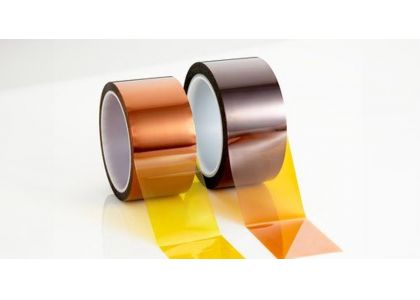
Electric motor windings are exposed to long-term thermal stress and repeated process cycles, so insulation decisions should be based on performance retention after aging rather than short-term temperature tolerance. During development, engineering teams often Buy kapton tapes for qualification builds, compare constructions to identify the Best polyimide tape for the target duty cycle, and then lock in Premium quality kapton tape once adhesion and dielectric retention are verified after curing and thermal cycling. When slot geometry or end-winding layouts require repeatable placement, Customized PI tape formats are commonly introduced to improve consistency and throughput without changing the underlying insulation system design.
A practical distinction matters early: Kapton film performance is not identical to Kapton tape performance. The polyimide film may remain stable at elevated temperature, but the tape’s reliability in winding builds is often limited by adhesive aging, laminate structure, and how the construction behaves after impregnation and oven cure. For this reason, engineers should treat Premium quality kapton tape as a construction choice (film + adhesive + thickness control), and treat Best polyimide tape as a system-fit decision validated after realistic exposure, not as a claim based on a single headline rating.
Thermal class logic is a useful design framework, but real motor environments add combined stresses that can overwhelm nominal ratings. Even if polyimide film is thermally capable, winding insulation typically experiences:
This is why teams frequently Buy kapton tapes specifically to test post-process behavior rather than to confirm that the film “survives heat.” In practice, the Best polyimide tape for a motor is the construction that maintains adhesion stability, flexibility, and dielectric margin after the exact manufacturing sequence (wrapping, forming, impregnation, cure) and after thermal cycling representative of service. If Customized PI tape is planned for automation or repeatable placement, the validation should include the same formatting method (die-cut, slit width, pre-form) because geometry can change stress concentration and edge wear behavior.
Across manufacturing feedback and field service, tape-related issues tend to follow recognizable patterns. Common failure modes include:
These issues are rarely caused by a single “overheat event.” More often, they result from using a construction outside its validated exposure window or selecting based on initial data without checking retention after aging. In this context, Premium quality kapton tape should not be interpreted as “higher temperature number,” but as consistent construction control that reduces variability in thickness, adhesive behavior, and residue tendency. Likewise, the Best polyimide tape is often the one that stays stable after cure and cycling, even if multiple candidates look similar on day-one test data.
Polyimide tape is typically a supplementary insulation element rather than the sole primary insulation in motor windings. Long-term dielectric integrity is usually achieved by the insulation system as a whole: enamel-coated conductors, slot liners, impregnation varnish/resin, and mechanical retention methods. Tape is applied where thin, dimensionally stable reinforcement or separation is needed.
Typical roles include:
Within these roles, Premium quality kapton tape is most relevant when consistency and post-cure behavior determine yield: thickness uniformity, edge quality, adhesive stability, and predictable interaction with varnish systems. When placement repeatability or automation is important, Customized PI tape can reduce trimming, improve fit, and reduce operator-dependent variability—provided the customized format is validated under the same exposure conditions as standard rolls.
Selecting tape for motor windings should be driven by process-specific validation rather than nominal temperature ratings alone. A practical qualification checklist mirrors the real manufacturing route and thermal duty cycle. Many teams Buy kapton tapes in small quantities specifically to run these checks before freezing the bill of materials.
Thermal aging evaluation
Expose samples at expected continuous operating temperature and dwell time. After exposure, check flexibility retention, cracking, discoloration, and dimensional stability.
Dielectric retention testing
Measure dielectric strength after aging rather than relying on initial values, because gradual degradation better reflects long-term reliability.
Adhesive behavior assessment
Evaluate peel and shear performance after thermal cycling and after contact with varnish/resin systems. Confirm the adhesive does not creep, embrittle, migrate, or leave residue after curing.
Mechanical interaction checks
Test samples in representative slot and end-winding geometries to observe abrasion, edge wear, displacement, and movement-related damage.
Using this approach clarifies selection: the Best polyimide tape is the candidate that maintains dielectric and mechanical behavior after the full exposure envelope. If your manufacturing line benefits from pre-cut or pre-formed parts, include Customized PI tape samples in the same test matrix rather than treating customization as a post-selection step.
During early development, teams often Buy kapton tapes in small quantities to minimize risk while validating real manufacturing and operating exposure. This phase is less about unit price and more about confirming that post-aging behavior aligns with insulation reliability targets. When the tape is used near end-winding turns, slot exits, or other high-stress regions, the cost of a wrong selection typically exceeds the cost of extra qualification samples.
A practical procurement flow is:
Define exposure envelope and acceptance criteria
Specify the continuous operating temperature range, expected thermal cycling, cure profile (time/temperature), and chemical contact (varnish/resin). Tie acceptance criteria to post-exposure outcomes such as adhesion stability, residue tendency, flexibility retention, and dielectric retention. These criteria help identify the Best polyimide tape for the motor’s real duty cycle.
Qualification sampling and pilot builds
Use a controlled sampling plan: multiple lots if possible, representative storage conditions, and the same winding and curing process used in production trials. Many programs Buy kapton tapes from more than one source initially so they can compare lot-to-lot behavior and rule out single-batch bias. If a candidate will later be supplied as Customized PI tape, include that format early to avoid requalification after geometry changes.
Scale-up with change control
Once frozen, production supply should prioritize repeatability. For winding applications, “equivalent on paper” materials can diverge after aging if adhesive formulation or coating thickness shifts. For that reason, locking a Premium quality kapton tape construction should include supplier change control, clear documentation, and a defined requalification trigger.
Incoming inspection aligned to failure risks
Incoming checks should reflect what actually fails in motors: thickness uniformity, adhesive consistency, edge quality, and residue/adhesion stability after a short simulated cure exposure. These checks help ensure that Premium quality kapton tape remains consistent lot to lot, and that the production material matches what was qualified.
Procurement considerations that support reliability include:
certificates of conformity, traceability, lot-based records, and a supplier process that can support repeat orders without unannounced changes. In many programs, establishing these controls is part of what separates a “works in prototype” tape from the Best polyimide tape for long-term production.
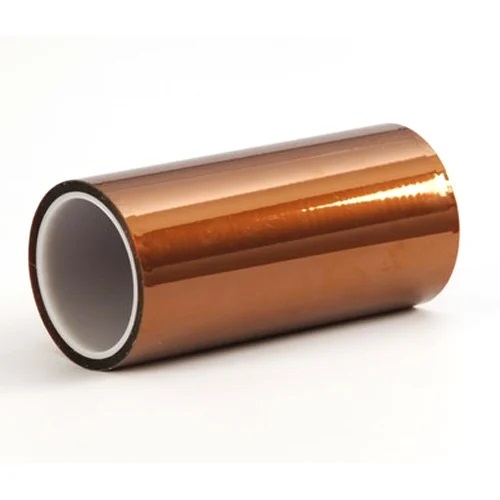
Standard roll formats are not always optimal for motor winding lines, especially when placement repeatability and throughput are critical. Customized PI tape can improve both production efficiency and insulation geometry consistency when customization is treated as a controlled manufacturing format rather than an afterthought.
Common Customized PI tape formats used in motor applications include:
The advantage is not simply convenience. In many winding processes, cutting and trimming introduce variability: edge defects, inconsistent overlap, and uncontrolled tension during placement. Customized PI tape helps reduce operator-dependent variation and improves repeatability, particularly in programs that are scaling volume or adding automation.
However, customization should not bypass qualification. If the production intent is to use Customized PI tape, the validation should include the customized shape because geometry affects edge wear, stress concentration at corners, and how adhesive behaves during cure. The Best polyimide tape in roll form can behave differently when supplied as pre-cut parts if the cut quality, edge condition, or handling method changes.
The following examples illustrate usage patterns without relying on unverifiable performance claims.
Polyimide tape can play a valuable role in motor windings when its use is aligned with validated exposure limits and insulation system design. Reliable outcomes are more likely when teams:
Buy kapton tapes for qualification first, then scale procurement only after acceptance criteria are met and change control is established
When selected and applied correctly, polyimide tape supports insulation reliability rather than defining it alone.
FAQ 1: Is Kapton tape suitable as primary insulation for motor windings?
In most designs, Kapton tape is not used as the sole primary insulation. It is typically applied as supplementary insulation alongside enamel coatings, varnishes, and slot liners. Selection of the Best polyimide tape should be based on performance retention after aging and process exposure, not only initial ratings.
FAQ 2: Why does adhesive behavior matter more than film temperature capability in motors?
Motor windings see long-duration heat, thermal cycling, and cure exposure. While polyimide film is stable, adhesive systems can embrittle, creep, or transfer residue over time. This is why evaluating Premium quality kapton tape as a full construction and validating after cure and aging is critical.
FAQ 3: When does it make sense to purchase in volume for motor projects?
It is usually appropriate to scale only after qualification confirms stability under expected operating and manufacturing conditions. Many teams Buy kapton tapes in small quantities for pilot builds first, then lock supply terms once acceptance criteria, lot consistency checks, and change control are defined.
FAQ 4: What advantage does die-cut or pre-cut polyimide tape offer over standard rolls?
Pre-cut or die-cut parts improve placement accuracy, reduce manual trimming, and support automation. These benefits reduce variability across production runs. When the production intent includes these formats, Customized PI tape should be included in qualification testing rather than introduced after material selection.
FAQ 5: How should suppliers be qualified for winding tape supply?
Supplier qualification should focus on lot consistency, documentation, and change control. A Premium quality kapton tape program typically includes defined acceptance criteria, traceability, and requalification triggers when materials or processes change.