
info@jxgreentape.com
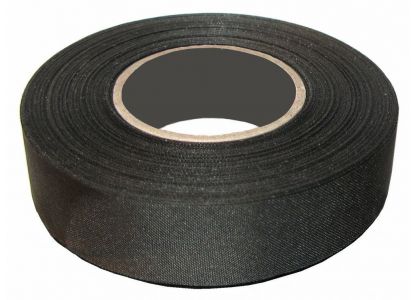
In several under-bonnet programs, early field issues were traced not to wiring design or connector selection, but to incorrect assumptions about temperature ratings on wire harness tape heat resistant materials. This question often arises when selecting electrical wire harness tape or automotive cloth wire harness tape for engine-bay routing, where published temperature ratings appear sufficient but fail to predict long-term performance.On paper, the selected wire harness fleece tape and automotive cloth wire harness tape met the specified temperature class. In practice, adhesive softening, edge lift, and long-term creep appeared within months. These failures forced revalidation cycles that could have been avoided if temperature ratings had been interpreted as conditional limits rather than absolute guarantees.
One recurring mistake is treating under-bonnet temperature as a single number. Engine compartments do not operate at a uniform temperature. Localized hot spots, transient heat spikes, and thermal gradients matter more than nominal ratings. In one ICE program, a harness routed near the turbo heat shield experienced brief temperature excursions well above the specified continuous rating. The polyester tape did not burn or melt, but adhesive migration caused bundle loosening, leading to chafing elsewhere. The tape technically survived the heat, yet functionally failed the application.
Under-bonnet specifications often cite maximum continuous temperatures, typically derived from laboratory aging tests. These values are useful for screening, but they rarely reflect real engine-bay exposure. In actual vehicles, tapes face cyclic heating, oil vapor, vibration, and constrained airflow. A high performance wire harness electrical tape rated for high temperatures may tolerate steady heat but degrade faster under repeated thermal cycling.
We observed this in a hybrid vehicle project where a polyester-based electrical wire harness tape passed continuous heat aging but failed after combined heat and vibration testing. Adhesive tack dropped significantly, allowing wraps to relax. The issue did not appear during short-term validation, only after extended durability testing. This raised internal debate: should the tape be rejected, or should routing and shielding be revised instead? Ultimately, the tape was removed from the approved list for that zone.
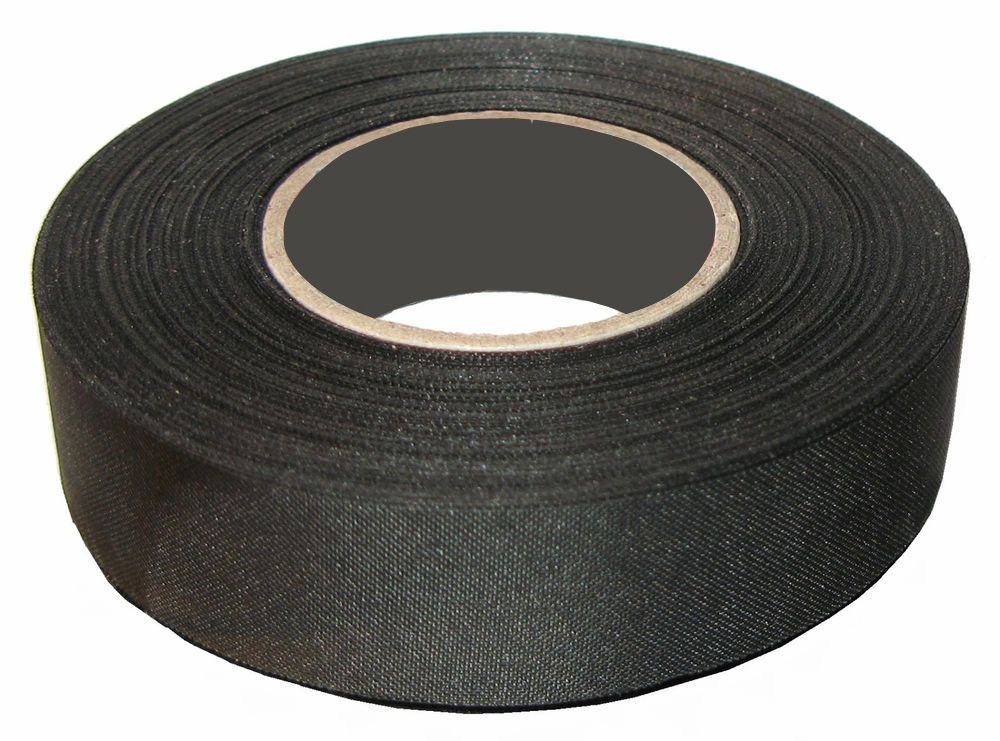
Polyester as a backing material generally maintains structural integrity at elevated temperatures. The adhesive system, however, becomes the limiting factor. In several supplier evaluations, we found that tapes with identical backing materials but different adhesive chemistries behaved very differently under heat. Some maintained peel strength but lost shear resistance, leading to gradual slippage. Others retained shear but hardened, increasing the risk of abrasion.
This distinction matters when specifying wire harness tape for car applications near exhaust components. In one commercial vehicle program, a polyester tape met the temperature rating requirement but showed adhesive bleed after prolonged exposure. The bleed contaminated adjacent components and triggered cosmetic complaints. Although the tape met the written specification, it was deemed unsuitable for that environment and removed from the sourcing strategy.
From an engineering standpoint, temperature rating alone does not define suitability. Functional survivability—maintaining wrap integrity, damping, and abrasion protection—must be considered. A wire harness tape heat resistant solution that survives heat but loses adhesion is no better than one that degrades visibly.
In one case, a supplier proposed a higher-rated tape to solve repeated edge lift issues. Bench testing showed improvement, but assembly teams reported increased stiffness and poorer conformability. Over time, this stiffness caused localized stress points and new wear marks. The “upgrade” solved one problem while creating another, illustrating why higher temperature ratings are not universally better.
Most validation protocols rely on accelerated heat aging at constant temperatures. While necessary, these tests do not capture combined effects. We found that adding low-amplitude vibration during heat aging revealed failure modes that static tests missed. However, such combined tests are time-consuming and not always feasible for every sourcing decision.
Field prototypes provide better insight, but results vary with routing quality. In one pilot build, two vehicles using the same wire harness fleece tape showed different outcomes due to slight differences in clamp placement. This variability complicates decision-making and explains why teams sometimes reach different conclusions using the same data.
From a procurement perspective, specifying higher temperature ratings increases cost and narrows the supplier base. For high-volume programs, this can introduce supply risk. In several projects, we adopted a tiered approach: higher-rated polyester tapes were restricted to zones with proven thermal stress, while standard automotive cloth wire harness tape was retained elsewhere.
This strategy reduced material cost without increasing field complaints, but it required tighter control over routing and installation. It also demanded clearer communication with suppliers to ensure consistent adhesive performance across batches.
Over multiple programs, one lesson remained consistent: temperature rating should be treated as a context-dependent requirement, not a standalone selection criterion. Procurement teams benefit from linking tape specifications to specific engine-bay zones rather than applying a blanket rating.
For long-term sourcing, this means qualifying polyester tapes based on combined performance envelopes—heat, adhesion, vibration—rather than headline numbers. Suppliers that can maintain consistent adhesive behavior at elevated temperatures become strategic partners, while others may remain limited to lower-stress applications.
In real projects, this approach reduced revalidation cycles and improved cross-functional alignment between engineering, quality, and purchasing. It did not eliminate all failures, but it made them more predictable—and easier to manage.
For teams selecting wire harness tape heat resistant solutions for under-bonnet environments, this perspective helps reduce revalidation cycles and avoid failures driven by misinterpreted temperature ratings rather than real performance limits.