
info@jxgreentape.com
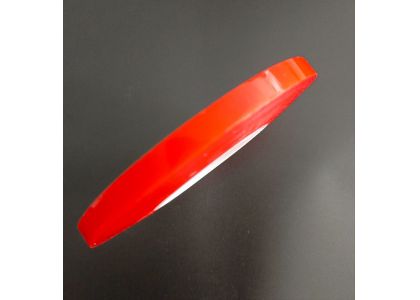
In today’s electronics manufacturing landscape—where devices grow more compact even as their capabilities expand—the demand for ultra-thin, high-strength bonding solutions has never been greater. PET double-sided tape delivers a virtually invisible adhesive layer that holds microchips and sensor arrays firmly in place while preserving slim form factors. Moreover, by weaving in semantic variants like “polyester film bonding tape” and “high-performance PET adhesive film.
Electronics makers are racing toward ever-smaller, multi-function modules. Consequently, traditional screws and clips are giving way to PET double-sided adhesives that bond delicate components without adding bulk. In particular, polyester film bonding tape offers rapid tack and lasting shear strength, ensuring micro-scale sensors remain stable during thermal cycling. Thus, these tapes have become cornerstones in next-generation circuit boards.
When circuit densities spike, even 50 microns of misalignment can spell functional failure. Advanced PET adhesive films form uniform bonds across tiny pads and flex circuits, minimizing thermal resistance and mechanical stress. As a result, manufacturers achieve:
Uniform adhesion on 0201-sized components
Reduced heat build-up, enabling higher clock speeds
Improved vibration tolerance, critical in mobile and automotive electronics
Robotic dispensing systems now apply OEM bulk PET double-sided tape with remarkable accuracy and repeatability. Consequently, production lines benefit from:
Faster cure cycles, cutting down cycle time
Consistent bond strength, reducing rework rates
Lower material waste, thanks to precise die-cut rolls
By streamlining adhesive application, these systems help factories meet stringent quality standards at scale.
Long-term reliability hinges on stable bonds under thermal, electrical, and mechanical stress. High-performance PET adhesive films routinely pass:
Thermal cycling tests from –40 °C to 150 °C
High-voltage insulation trials up to 5 kV
Shock and drop assessments per JEDEC standards
Moreover, custom PET double-sided tapes can be formulated with enhanced dielectric or flame-retardant properties, ensuring products withstand real-world conditions.
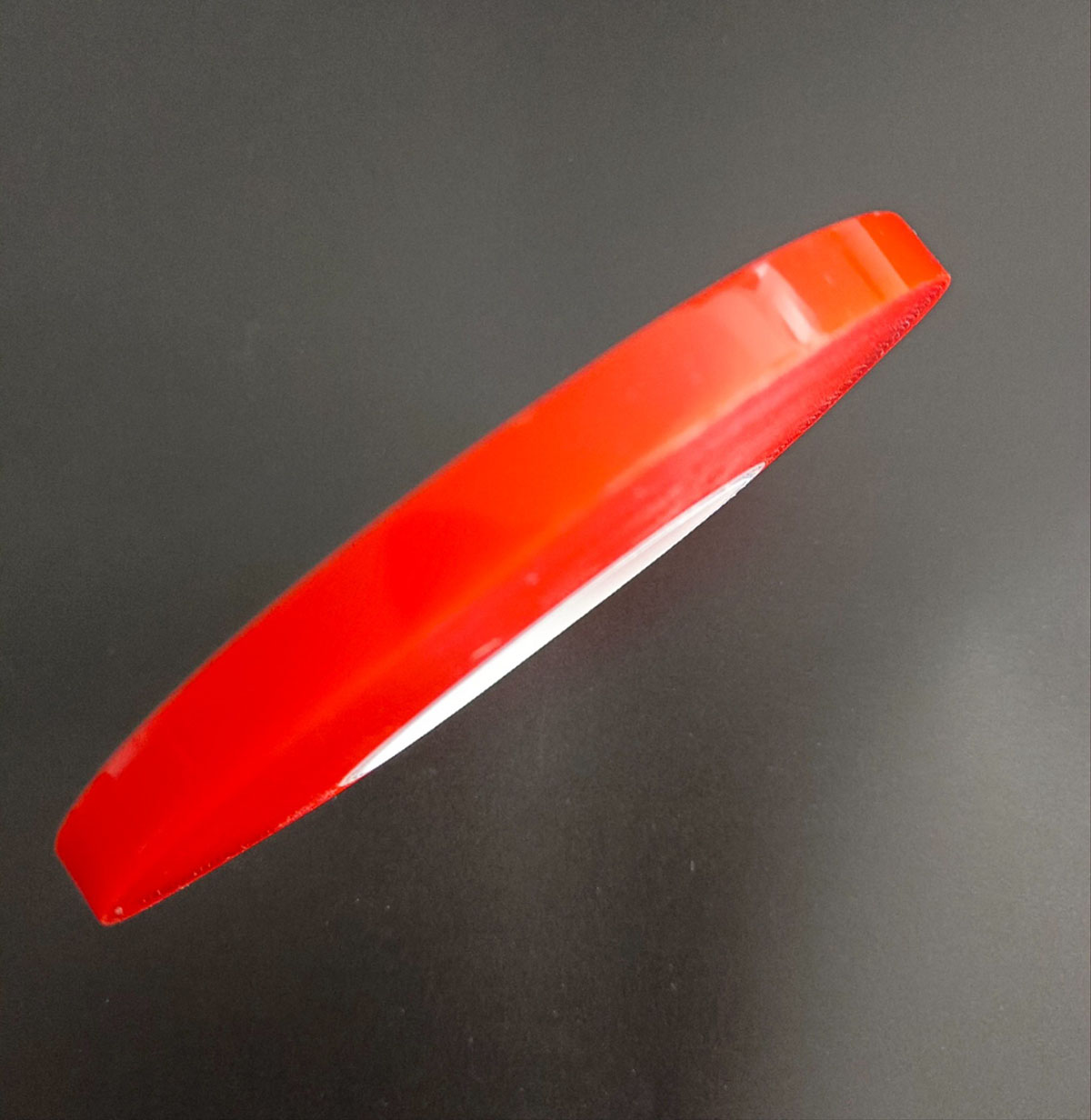
Replacing metal fasteners with polyester film bonding tape simplifies assembly and slashes part counts. Key advantages include:
Lower assembly costs through reduced manual operations
Bulk-order savings on OEM-grade PET rolls
Minimized scrap via roll-to-roll die cutting
Collectively, these factors shrink per-unit expenses and enhance overall return on investment.
The frontier of adhesive science points toward:
Ultra-fast curing tapes that set in seconds under UV or heat
Thermally conductive variants to channel heat away from hotspots
Bio-based polyester films for greener electronics
As innovation continues, PET double-sided solutions will evolve to meet tomorrow’s microelectronics challenges.
Leading OEMs report:
A 20% jump in assembly yields after switching to high-performance PET tape
A 30% reduction in field failures tied to improved vibration resistance
Smooth integration into pick-and-place lines without equipment modifications
Such real-world data underscores the value of choosing proven adhesive films.
Beyond pure bonding, PET adhesive tapes contribute to:
Enhanced thermal management, when paired with conductive backings
Improved electrical insulation, reducing crosstalk in dense arrays
Slimmer device profiles, enabling sleek consumer products
Ultimately, these tapes are as integral to device architecture as the semiconductors themselves.
Q1: What is PET double-sided tape?
A: It’s a thin polyester film coated on both sides with pressure-sensitive adhesive, offering strong bonding without adding bulk.
Q2: How is adhesion strength measured?
A: Typically via peel and shear tests: peel strength (N/cm) shows immediate tack, while shear strength (hours) indicates long-term stability.
Q3: Can PET tape handle high temperatures?
A: Yes—standard grades endure –40 °C to 150 °C, and specialized formulations can go even higher.
Q4: Is PET tape recyclable?
A: Emerging bio-based polyester films aim to improve end-of-life sustainability, though recycling availability varies by region.