
info@jxgreentape.com
In furnace applications, “sealing” can mean anything from stopping hot-air leakage at the outer shell to sealing near refractory edges where temperatures and thermal shock are much harsher. That heat-zone definition decides whether an adhesive-backed solution is viable, or whether you need a compression-style gasket.
Below is a practical comparison for furnace work: temperature exposure (continuous vs. intermittent), installation method (adhesive vs. compression), surface condition, maintenance intervals, and what typically fails first after repeated heat cycles.
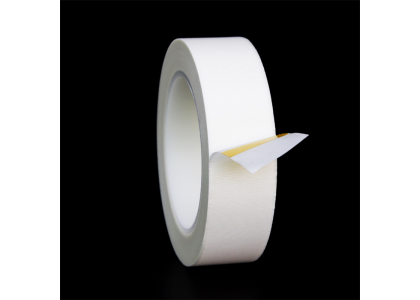
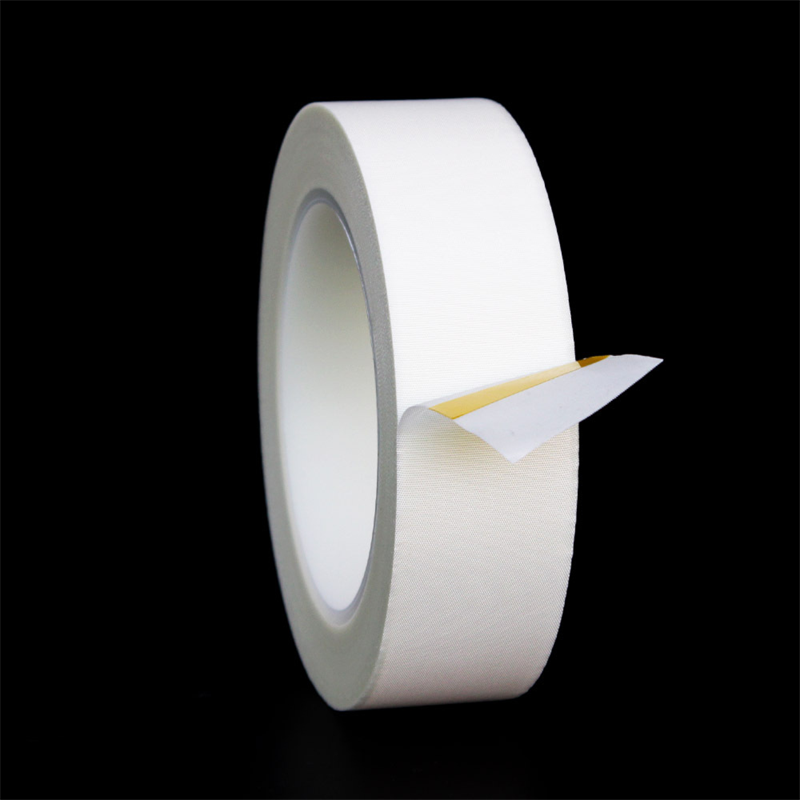
Glass cloth adhesive tape is made from woven fiberglass fabric coated with silicone or acrylic adhesive. Buyers choose it for strength, conformability, and clean application—especially where you need quick installation on curved surfaces.
Where it performs well
Temperature boundary (adhesive vs. backing) — the detail that protects your credibility
Typical quoted limits such as 232°C continuous and 288°C intermittent often reflect the adhesive system’s tolerance more than the fiberglass backing itself. In real furnaces, once the adhesive carbonizes, softens, or loses tack, the tape can lift or detach even if the fiberglass backing remains physically present. At that point, it may still act as a temporary barrier, but in sealing joints it typically won’t replace a compression gasket. Always verify with the supplier datasheet and post-heat aging results for your specific adhesive system and dwell time.
Common applications
For buyers comparing quotes from Glass cloth tape manufacturers or sourcing via glass cloth tape wholesalers, the practical takeaway is simple: glass cloth adhesive tape is a strong mid-temperature workhorse, but it is not a drop-in gasket for high-temperature furnace doors or refractory-adjacent joints.
Ceramic fiber tape is made from alumino-silicate ceramic fibers and may be reinforced with fiberglass or stainless steel filaments. It is widely used for furnace doors, flanges, and sealing points near refractory where continuous heat exposure is severe.
Why it’s used in furnaces
Handling note for maintenance teams
Ceramic fiber tape can shed fibers during cutting and installation, creating dust-control considerations and skin irritation risk. Facilities typically manage this with appropriate PPE and by following the supplier’s SDS and local safety requirements. It also behaves differently mechanically: if installers pull it like a standard tape—high tension, sharp jerks—it can fray or tear. For sealing, ceramic fiber tape usually performs best when installed as a compression seal (gasket-style), often with a retainer, clamp, or compression hardware depending on the joint design.
Typical applications
|
Feature |
Glass Cloth Adhesive Tape |
Ceramic Fiber Tape |
|
Max Temp Resistance |
232°C continuous, 288°C intermittent (often adhesive-limited) |
Up to 1260°C continuous (grade dependent) |
|
Material Composition |
Woven fiberglass with adhesive |
Woven ceramic fibers, optional reinforcement |
|
Flexibility |
High |
Moderate to low |
|
Thermal Conductivity |
Moderate |
Very low |
|
Surface Texture |
Smooth |
Coarse |
|
Primary Use |
Electrical insulation, duct sealing |
Furnace sealing, high-heat gasketing |
|
Installation Reality |
Relies on adhesive integrity |
Best under compression / mechanical fixing |
|
Failure Mode You’ll See First |
Adhesive aging → edge lift / detachment |
Fiber shedding / fray if mishandled; compression set over time |
|
Maintenance Practicality |
Fast to apply, easy on curved surfaces |
Needs proper compression method; more installation discipline |
This is the decision shortcut many procurement teams use: if the joint behaves like a gasket joint, treat it like a gasket joint. That usually points to ceramic fiber tape (often reinforced) plus a compression method, not adhesive-backed tape.
A cement processing facility saw repeated heat leakage around furnace access panels and recurring maintenance at the same points. The first attempt used Glass Cloth Adhesive Tape because it was easy to apply and available quickly through local glass cloth tape wholesalers.
Failure mode (what happened in service)
The panel area reached surface temperatures beyond what an adhesive-backed construction can reliably tolerate. After high-heat exposure, the adhesive layer degraded and carbonized, causing loss of adhesion and edge lifting. Hot spots on the access panel skin were consistently above the adhesive-rated range, and edge lift was observed after the early heat cycles. The problem was not “bad tape”—it was using an adhesive-backed tape as if it were a compression gasket.
Correction (what changed)
The facility switched to ceramic fiber tape reinforced with stainless steel and installed it using a compression approach appropriate for access panels (retainer/fasteners depending on design). In other words, they changed both the material and the sealing method.
Validation (how they checked it without relying on vague claims)
They used thermal imaging to compare hot spots and leakage patterns around the panel perimeter, and they tracked repeat maintenance visits to the same joint. Thermal images showed fewer perimeter leak hot spots, and repeat maintenance on the same joint dropped noticeably over the next operating period. The result aligned with what a correct gasket-style seal is designed to deliver: fewer leak points and fewer repeat interventions.
This is where procurement and maintenance reality meet: the terms buyers search (“furnace door seal,” “gasket,” “adhesive failure,” “thermal imaging hot spots”) are the same things that prevent expensive mistakes.
Engineer warning
If the sealing surface can exceed the adhesive system’s limit, don’t rely on glass cloth adhesive tape as the primary furnace seal. Use it for mid-temperature insulation tasks, duct sealing, bundling, and areas where flexibility and clean handling matter.
RFQ questions that keep both cost and risk under control
For purchasing strategy, Bulk glass cloth tape or mass supply glass cloth tape can be cost-effective when the application is within the right temperature zone. For sealing points that behave like gasket joints, prioritize the correct material and installation method first, then optimize sourcing through Glass cloth tape manufacturers and your supply chain.
Glass Cloth Adhesive Tape can be used around outer furnace shell areas or moderate temperature zones, but it is usually not suitable as a primary seal for furnace doors or refractory-adjacent joints. In high surface temperature areas, adhesive systems may degrade after repeated heat cycles. For furnace sealing applications that behave like gasket joints, ceramic fiber tape or compression-style sealing materials are typically more reliable.
In most adhesive-backed constructions, the adhesive layer typically fails before the backing material. After extended high-temperature exposure, adhesives may carbonize, harden, or lose tack, leading to edge lifting or detachment. Buyers should always confirm continuous temperature rating, heat aging performance, and post-heat adhesion retention with suppliers before bulk purchasing.
Ceramic fiber tape is generally preferred when sealing surfaces operate near refractory temperature zones, direct flame exposure, or sustained temperatures above typical adhesive limits. Bulk glass cloth tape and mass supply glass cloth tape are often better suited for insulation, bundling, or moderate heat shielding where flexibility and fast installation are important.
Procurement teams should verify temperature rating definitions (continuous vs intermittent), adhesive heat-aging performance, backing thickness consistency, and batch traceability. For furnace-related applications, buyers should also confirm whether the supplier has experience supporting high-temperature industrial environments and can provide documentation relevant to the intended temperature zone and installation method.