
info@jxgreentape.com
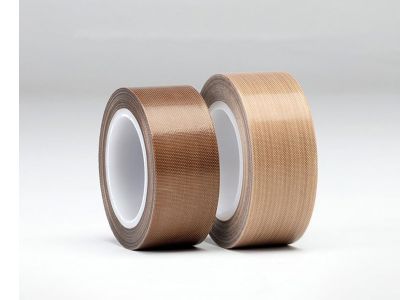
A persistent problem on one high-speed production line had been short, costly stops caused by edge-lift and adhesive creep at heated joints. The maintenance crew resolved it by switching to a role-based tape strategy: they applied a broad, pressure-sensitive wrap — 3 inch ptfe fiberglass self stick tape — as the primary layer; where large housings required fewer seams they used 5 ptfe tapes fiberglass; they secured edges with ptfe coated fiberglass fabric with silicone adhesive tape; insulated electrical connectors with ptfe fiberglass adhesive tape; and filled irregular weld toes using ptfe impregnated fiberglass tape. This practical, role-driven approach reduced repeated failures and made repairs faster and more predictable.
Manufacturing environments subject materials to heat, vibration, abrasion and chemical exposure. Narrow strips and inappropriate adhesives commonly leave seams vulnerable, which leads to recurring maintenance. 3 inch ptfe fiberglass self stick tape provides broad, consistent coverage that reduces seam counts and lowers installer variability. For very large surfaces or housings where seams would otherwise be numerous, 5 ptfe tapes fiberglass offers the continuity needed to limit potential weak points. Where geometry is complex, ptfe impregnated fiberglass tape smooths contours and eliminates micro-gaps; ptfe coated fiberglass fabric with silicone adhesive tape locks edges against abrasion; and ptfe fiberglass adhesive tape is selected where dielectric properties are critical.
Advances in PTFE formulation, carrier fabric engineering and adhesive technology have improved long-term performance. Modern 3 inch ptfe fiberglass self stick tape pairs a PTFE-coated fiberglass carrier with pressure-sensitive adhesives designed to resist cold flow and creep at elevated temperatures. Production advances for 5 ptfe tapes fiberglass — including better calendering and coating uniformity — produce tapes with consistent thickness and fewer weak spots. For seam sealing, formulations used in ptfe coated fiberglass fabric with silicone adhesive tape now offer improved shear resistance after many thermal cycles. These incremental material improvements collectively reduce the frequency of unplanned repairs.
Real-world deployments validate the material/role approach. In a packaging plant, replacing multiple narrow strips with 3 inch ptfe fiberglass self stick tape across conveyor supports reduced tape-related rework and shortened repair time. In a heavy-process facility, wrap continuity created by 5 ptfe tapes fiberglass lowered vapor ingress and related fastener corrosion. Teams that used ptfe impregnated fiberglass tape at weld toes found fewer moisture-driven delaminations; sealing seams with ptfe coated fiberglass fabric with silicone adhesive tape protected terminations from abrasion and grease exposure. Operators consistently report faster installs and clearer inspection outcomes.
Correct application is as important as material selection:
• Surface preparation — clean, degrease and remove loose coating; a contaminant-free substrate is essential.
• Primary wrap — apply 3 inch ptfe fiberglass self stick tape with steady tension and manufacturer-recommended overlap; avoid wrinkles and ensure firm adhesion.
• Wide-area coverage — where appropriate use 5 ptfe tapes fiberglass to reduce seam counts.
• Contour and fill — use ptfe impregnated fiberglass tape on weld toes and irregular geometries to eliminate voids.
• Lock terminations — bond ptfe coated fiberglass fabric with silicone adhesive tape over edges and high-wear zones.
• Electrical insulation — use ptfe fiberglass adhesive tape where dielectric performance or insulation resistance is required.
• Documentation — photograph installations, log material lot numbers and applicator details; set inspection intervals by risk.
Before a plant-wide rollout, qualify materials with representative tests: immersion in worst-case fluids, thermal cycling through expected service temperatures, peel and shear adhesion tests, and abrasion resistance checks. Keep sample coupons from accepted batches and record test outcomes. Acceptance criteria should be documented in procurement and QA.
Identify the asset and risk level.
Prepare the surface: solvent wipe or blast as required.
Apply 3 inch ptfe fiberglass self stick tape as the primary wrap with ~50% overlap (or follow manufacturer guidance).
Smooth transitions with ptfe impregnated fiberglass tape.
Finish edges with ptfe coated fiberglass fabric with silicone adhesive tape.
Use ptfe fiberglass adhesive tape on electrical terminations where insulation and dielectric properties matter.
Photograph, annotate lot numbers and schedule the next inspection.
Choosing the proper tape width and function reduces repair frequency and repair time. Fewer stops increase overall equipment effectiveness (OEE) and reduce emergency labor costs. Replacing multiple narrow strips with 3 inch ptfe fiberglass self stick tape often reduces application time and recurrence of edge lift events. Pairing the primary wrap with ptfe impregnated fiberglass tape and seam sealing with ptfe coated fiberglass fabric with silicone adhesive tape typically extends the service life between interventions.
Failures usually stem from poor prep, incorrect tension/overlap or skipping contouring steps. For example, using narrow tape where 3 inch ptfe fiberglass self stick tape is appropriate increases edge-lift risk. Not sealing terminations with ptfe coated fiberglass fabric with silicone adhesive tape leaves seams susceptible to abrasion or moisture ingress. Prevent these by training installers, providing concise checklists, and auditing initial installations.
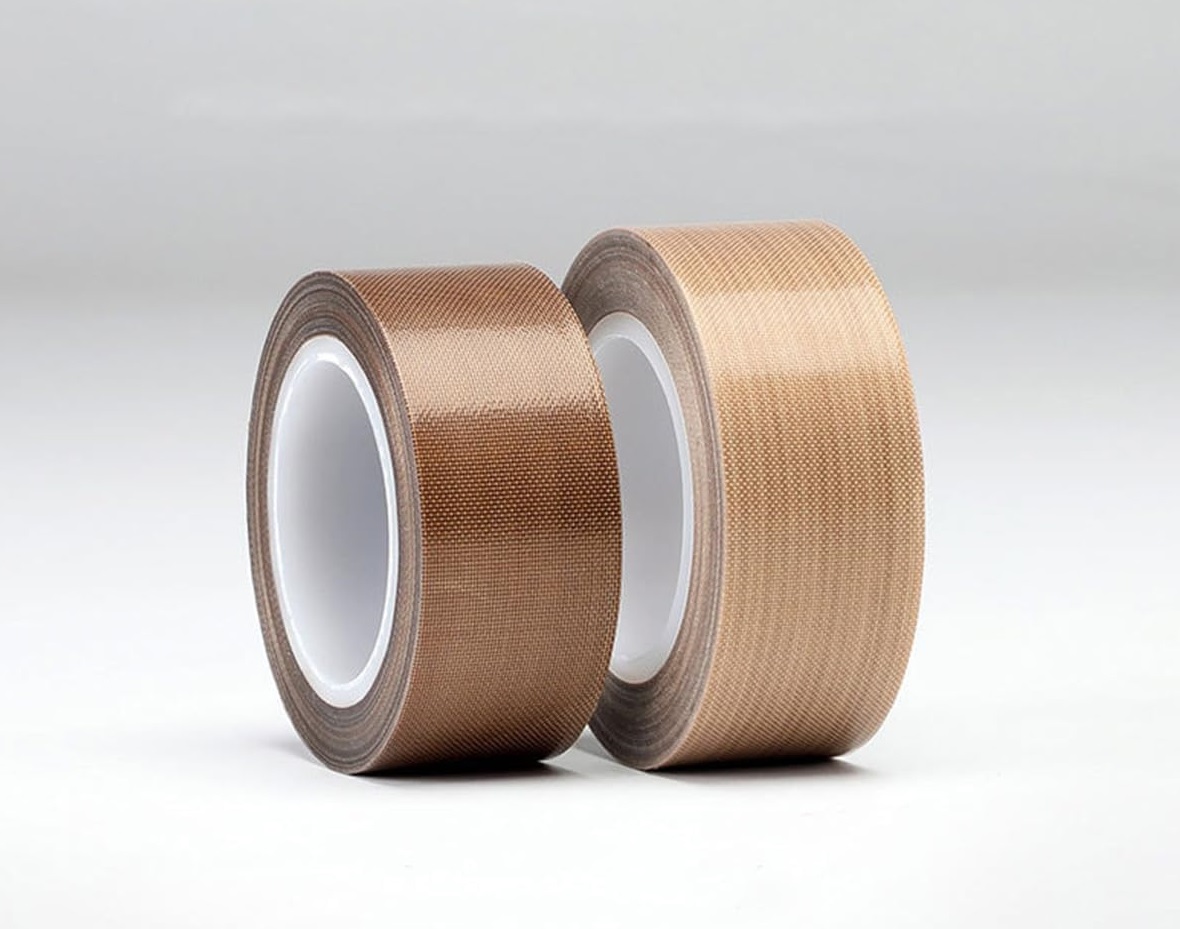
Require technical data sheets (TDS), safety data sheets (SDS), continuous-use temperature ratings and mechanical test reports. Demand sample coupons, perform on-site adhesion checks, and include a simple acceptance test in the purchase order. Maintain batch traceability and photographic records for every critical repair.
Adopt a risk-based cadence: monthly for high-exposure components, quarterly for medium-risk areas, and semiannually for low-risk runs. Key indicators: edge lift, discoloration, adhesive squeeze-out, seam widening, or signs of solvent attack. Record these against batch numbers to spot systemic issues early.
Training, Documentation and Onboarding
A short applicator training (1–2 hours) covering surface prep, wrap tension, overlap percentage, seam sealing with ptfe coated fiberglass fabric with silicone adhesive tape and documentation reduces variability. Require a photo log and a signed QA checklist for every repair.
At a mid-sized packaging plant, production losses averaged three unscheduled stops per month due to edge-tear at conveyor guides. After trialing 3 inch ptfe fiberglass self stick tape and using ptfe impregnated fiberglass tape to smooth transitions, the plant dropped to one unplanned stop every two months. The broader tape reduced seam counts and the contouring layer prevented moisture ingress at weld toes; repair time also fell because a single wide roll covered the whole region.
If an unscheduled stop costs $6,000 in lost throughput and overtime, reducing two stops per month by improved tape strategy yields annual savings exceeding $144,000 before secondary savings (fewer spares, logistics). That demonstrates how material selection pays back rapidly.
Automation of tape application—machines that control tension, overlap and speed—reduces human variability. Wider rolls like 5 ptfe tapes fiberglass suit automated equipment for large-surface wrapping. Research into adhesives with lower creep and embedded integrity sensors is promising for predictive maintenance.
Reducing downtime is a systems problem: match materials to roles and follow disciplined application and QA. Use 3 inch ptfe fiberglass self stick tape for broad, rapid coverage; 5 ptfe tapes fiberglass for large-surface continuity; ptfe impregnated fiberglass tape to smooth contours; ptfe coated fiberglass fabric with silicone adhesive tape to seal and protect seams; and ptfe fiberglass adhesive tape where dielectric performance is required. Standardize procurement, qualify materials, train applicators and document every repair to get repeatable, measurable uptime improvements.