
info@jxgreentape.com
When buyers look for , they usually are not asking for a definition. They are trying to solve a sourcing problem: where does this material actually fit, and what should be checked before ordering it for coil outer wrap, lead anchoring, interphase insulation, or crossover protection? That is the more useful starting point. This tape family remains common in transformer, motor, and coil insulation work because it combines mechanical strength, abrasion resistance, and electrical insulation in a format that is easy to apply. But it is not the answer for every insulation position, and one grade can behave very differently from another. Public technical datasheets from mainstream suppliers show that clearly.
That distinction matters even more when transformer supply is tight and buyers have less room for trial and error. Grid investment and electrification are keeping pressure on key electrical component supply chains, which means vague material language is more likely to cause delays, misquotes, or wrong substitutions. In practice, buyers do better when they focus on application fit rather than on broad claims like “high temperature” or “excellent insulation.”
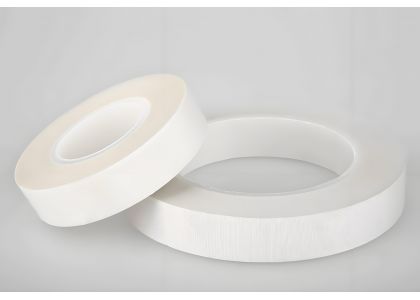
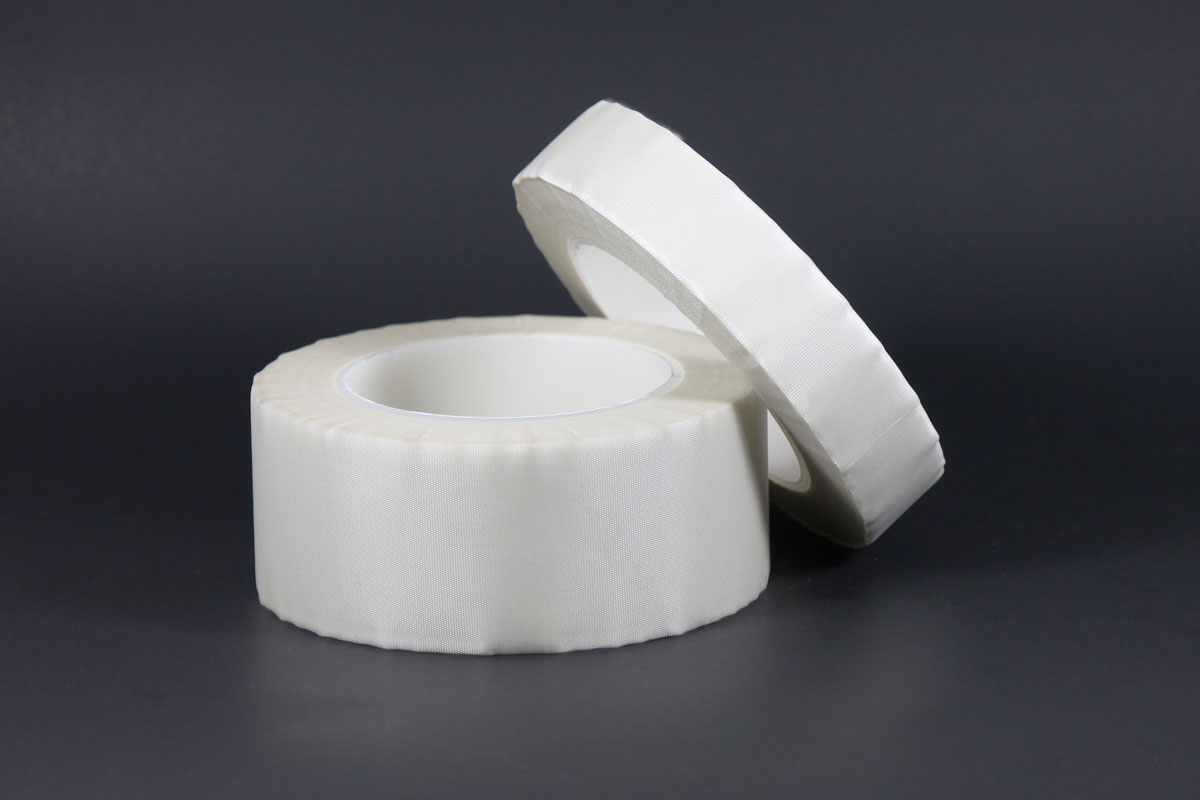
At a basic level, this is a fiberglass-backed pressure-sensitive insulating tape. The woven glass cloth gives the tape strength, dimensional stability, and heat resistance. The adhesive system affects handling, temperature capability, and compatibility with the process. Public product literature describes this product family for uses such as coil cover, anchor, banding, core, layer, crossover insulation, interphase insulation, and general holding of coils and transformers.
For B2B buyers, that short definition is enough. The real issue is that “glass cloth tape” only tells you the backing family. It does not tell you whether the grade uses silicone, acrylic, or rubber-based adhesive, whether it is a better fit for Class B, F, or H service, or whether it is appropriate for your exact transformer task. PPI’s electrical catalogue is a good example: glass cloth electrical tapes are offered with different adhesive systems and heat classes because they are not meant to be treated as a single standard product.
In transformer work, glass cloth tape is usually most useful as a supporting or protective part of the insulation system rather than as the sole main insulation.
This is one of the clearest use cases. Published supplier literature describes these tapes for coil cover, outer wrap, banding, and related winding applications. If the job calls for holding the winding package together, improving abrasion resistance, and keeping handling stable during assembly, this material makes sense.
Lead anchoring is another practical role. Public technical datasheets commonly refer to uses such as lead pad hold-down, lead anchor, insulation around motor or coil leads, and general holding of coils and transformers. Buyers sometimes miss this point: a tape that looks fine on a generic data sheet may still perform poorly if it cannot stay stable around bends, edges, or localized stress points.
PPI explicitly lists interphase insulation as a common application for several grades. This is one reason the material keeps showing up in transformer and coil builds even when other insulation materials are also used. It can provide electrical insulation together with useful mechanical reinforcement.
Published datasheets also refer to crossover insulation and related winding uses. Here, edge-tear resistance, conformability, and abrasion resistance often matter more than broad marketing claims. A tape that survives handling and stays in place at stress points is usually more valuable than one that only looks strong in a simplified temperature statement.
A common sourcing mistake is to treat this whole category as one interchangeable material. It is not.
Adhesive system matters. Public datasheets for mainstream grades show clear differences: some woven glass cloth electrical tapes use rubber thermosetting adhesive for 600-volt dry applications that need high mechanical strength, while others use silicone thermosetting adhesive and are listed for continuous operation up to 200°C, with uses such as transformer wrap, lead anchor, and end turns. Those are not minor variations. They affect temperature fit, handling, and long-term stability.
Thermal class matters too. PPI separates electrical glass cloth tapes into heat class B, F, and H variants depending on construction and adhesive system. So the better question is not “What is the temperature range of glass cloth tape?” It is “Which grade matches this insulation position, thermal target, and production process?”
And generic claims are not enough. Published product data shows that dielectric performance is quantified, not just described as “excellent.” Example datasheets for mainstream grades list dielectric strength values around 2725 V and 3000 V, depending on construction and adhesive system.Those numbers do not replace full insulation system design, but they are far more useful than broad adjectives.
Start with application position. Is the tape being used for outer wrap, lead anchoring, interphase insulation, or crossover protection? If the RFQ does not answer that, the supplier is partly guessing.
Then check thermal class. IEC 60085 makes it clear that electrical insulating materials and electrical insulation systems are not the same thing. A tape may have certain thermal capability, but that does not automatically define the class of the whole transformer insulation system. Buyers who only ask for “200°C tape” are often oversimplifying the job.
Next, ask for real electrical and mechanical data. That means dielectric breakdown voltage, thickness, adhesion, tensile strength, and the test method used. ASTM D1000 remains a key reference for testing pressure-sensitive adhesive-coated tapes used as electrical insulation, so it is a practical standard to review when comparing quotations or technical sheets.
Adhesive compatibility also deserves attention. PPI notes that certain precured thermosetting adhesive systems can show good resistance to solvents, impregnating resins, and cast resins, and that performance may improve further after full curing. That matters if the tape will go through varnish, resin, or demanding thermal cycles after application.
One of the most common mistakes is buying by temperature claim alone. “High temperature” without adhesive chemistry, heat class, and application context does not tell a buyer enough. Another mistake is assuming every glass cloth tape can do every transformer job.
A third problem is sending an RFQ that only says “glass cloth insulation tape” with width and thickness, but says nothing about application position, dielectric target, or thermal requirement. That is how wrong quotes happen.
There is also a comparison mistake buyers make all the time: treating this tape as a substitute for every other insulation tape. Sometimes it is the right answer. Sometimes it is not. If the design needs a thinner high-temperature film insulation solution, polyimide tape may fit better. If the operating temperature and mechanical demand are lower, polyester electrical tape may be enough. Good sourcing decisions compare materials by insulation job, not by habit.
For this product family, it is more useful to ask for concrete standards and test references than to ask vague questions about “international quality.” IEC 60454-3-8 is part of the IEC series for pressure-sensitive adhesive tapes intended primarily for electrical purposes, including woven fabric tapes based on glass. ASTM D1000 covers test procedures for pressure-sensitive adhesive-coated tapes used as electrical insulation. Depending on the market and product type, buyers may also ask for applicable UL-related records and supporting technical data.
The practical lesson is simple: ask the supplier which standard actually applies to the quoted grade, which test method was used, and whether the provided data is typical, minimum, or verified batch data. That gives you something concrete to compare.
A workable RFQ for transformer insulation tape should include the application position, target thickness, width and roll length, preferred adhesive system if known, dielectric requirement, expected operating temperature, relevant test or certification requirements, and whether the material will be exposed to varnish, resin, or similar post-assembly processing.
That sounds basic, but it changes quote quality a lot. A supplier can recommend a far better grade if they know whether you need lead anchoring in a dry transformer, crossover insulation on a coil, or a tougher outer wrap that must tolerate more abrasion during handling. In B2B sourcing, better input usually gets you a better recommendation faster.
This comparison only matters if it helps a buyer choose the right material for the actual insulation job.
Glass cloth tape usually makes more sense when you need mechanical support, abrasion resistance, and reliable wrapping performance around coils, leads, and edges. Polyimide tape becomes more attractive when the design needs a thinner high-temperature film insulation solution and space is limited. Polyester tape can be a sensible choice when thermal demand is lower and cost pressure is higher. ASTM D1000 itself lists fabric, polyester film, and polyimide film among the backing families used for electrical insulating tapes, which is one reason these comparisons come up so often in sourcing.
A simple rule works well here: compare by insulation function, not by material popularity. If the real problem is abrasion at the crossover, lead hold-down stability, or coil outer wrap strength, glass cloth tape deserves a serious look. If the real problem is fitting a thinner insulation layer into a hotter, tighter space, another material may be the better choice.
At minimum: thickness, dielectric strength, adhesive system, thermal class or operating temperature capability, tensile strength, and the test method used. ASTM D1000 is a common reference for testing pressure-sensitive insulating tapes.
Sometimes yes, sometimes no. It depends on the insulation job. Glass cloth tape is often stronger mechanically and useful for wrap, anchoring, and abrasion-prone positions. Polyimide may fit better where thinner high-temperature film insulation is needed, while polyester may be enough where thermal demand is lower.
Ask for the supplier’s technical data sheet, the actual test method used, and the applicable standard references. IEC 60085 helps frame thermal class in the wider insulation context, while IEC 60454-3-8 and ASTM D1000 are more directly relevant to pressure-sensitive electrical tapes.
State the exact application position, operating temperature, dielectric requirement, thickness, width, roll length, adhesive preference if known, and any process exposure such as varnish or resin. A generic request for “glass cloth electrical tape” is usually not enough to get the right recommendation.