
info@jxgreentape.com
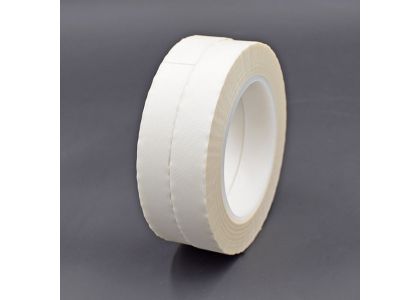
Glass cloth silicone tape is widely used in generator coil binding and end turn reinforcement because it provides a practical balance between electrical insulation performance, thermal stability, and mechanical reinforcement capability.
In generator operation, end turn areas experience continuous vibration, electromagnetic force loading, and repeated thermal cycling. The woven glass cloth backing provides structural constraint and mechanical strength, while silicone adhesive systems typically provide flexibility and long-term heat stability under cyclic temperature exposure.
However, material selection should always consider voltage class, VPI process design, and mechanical bracing structure. In many maintenance investigations, if end turn movement occurs after thermal cycling, the root cause is more often related to tension retention or installation method rather than nominal insulation temperature class alone.
For buyers sourcing through factory direct glass cloth tape channels or distributor supply networks, long-term performance consistency often depends on backing weave uniformity, coating thickness stability, and batch repeatability.
Many buyers focus primarily on insulation class ratings such as Class H (180°C). In real generator service conditions, long-term reliability is influenced by additional factors.
Generators rarely operate at constant temperature. Repeated heating and cooling cycles can affect adhesive elasticity, bonding stability, and mechanical restraint performance.
Glass cloth electrical tape used in high-voltage insulation systems must maintain dielectric strength after vibration exposure and long-term thermal aging.
Silicone adhesive systems are generally selected for high-temperature environments because they tend to maintain flexibility after heat exposure. However, long-term aging behavior depends on formulation design and operating cycle profile rather than adhesive family alone.
Tape performance must be evaluated as part of the full insulation system including varnish, resin, and slot liner materials.
In medium- and high-voltage generator manufacturing, vacuum pressure impregnation (VPI) is commonly used to strengthen insulation systems and remove air gaps.
During VPI cycles, resin must fully penetrate insulation reinforcement structures. If reinforcement materials restrict resin flow or create resin exclusion zones, trapped air pockets may form. In high-voltage insulation systems, voids can become electrical stress concentration points that increase long-term partial discharge risk.
Compatibility between glass cloth silicone tape and resin systems is process-dependent. Many manufacturers recommend validating resin wet-out behavior through coupon testing under actual VPI cycle parameters rather than relying only on material datasheets.
If insulation degradation appears after overhaul or rewind operations, root cause analysis often reveals impregnation void formation rather than base insulation failure.
In generator end turn reinforcement applications, mechanical properties can be equally important as electrical insulation performance.
Binding tape must maintain tension under vibration and electromagnetic force loading. Insufficient tensile strength can result in progressive loosening during operation.
Excessive stretch may allow binding relaxation after repeated thermal cycles. Low elongation materials may crack under dynamic loading.
Generator insulation clearance is typically limited. Thickness variation can affect coil installation clearance and insulation stack design.
Glass cloth tape manufacturers supplying generator insulation applications typically maintain controlled thickness tolerance to support predictable installation behavior.
Factory direct glass cloth tape sourcing often reduces procurement cost per roll and allows direct communication with manufacturing technical teams. This can be valuable when customized glass cloth insulation tape configurations are required.
Distributor supply channels remain important for:
Many generator OEMs use distributor supply for maintenance operations and OEM bulk glass cloth tape purchasing for production manufacturing lines.
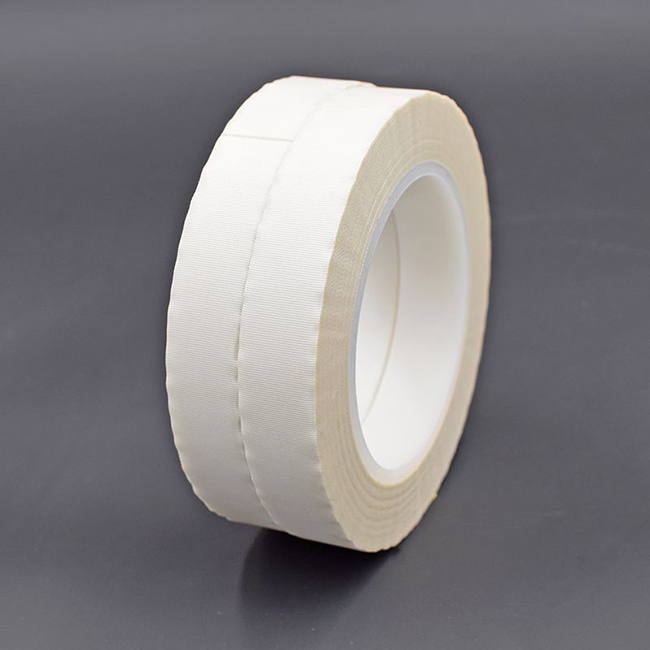
During generator overhaul and inspection cycles, one frequently observed field issue is gradual loosening of end turn binding after extended thermal cycling exposure.
Typical contributing operating conditions include:
Common field inspection findings may include:
Typical failure progression observed in maintenance environments:
Binding tension reduction → Coil micro-movement → Insulation surface wear → Increased local electrical stress risk.
Corrective actions often include:
If coil movement appears after thermal cycling, replacing suppliers alone rarely solves the issue. Installation process control and material selection usually must be reviewed together.
Post-maintenance validation typically includes visual inspection, vibration monitoring trends, and insulation condition monitoring rather than relying only on initial material specification data.
When sourcing glass cloth silicone tape for generator insulation reinforcement, procurement teams often request verification beyond standard datasheet values.
|
Parameter |
Why It Matters |
Typical Buyer Concern |
|
Dielectric Strength Test Method |
Electrical insulation reliability |
Test condition repeatability |
|
Tensile Strength Range |
Binding tension retention |
Long-term mechanical stability |
|
Elongation Range |
Stretch vs relaxation balance |
Thermal cycling behavior |
|
Thickness Tolerance |
Insulation stack clearance |
Assembly interference risk |
|
VPI Resin Compatibility |
Void prevention |
Partial discharge risk |
|
Thermal Aging Validation |
Long-term performance |
Heat cycling durability |
|
Batch Traceability |
Production stability |
Supplier consistency |
For buyers evaluating factory direct glass cloth tape versus distributor supply, technical support capability and test documentation availability are often more important than initial price.
Because it provides a balance of electrical insulation performance, thermal stability, and mechanical reinforcement required for vibration and thermal cycling environments.
Compatibility depends on tape structure and adhesive behavior. Validation under actual VPI processing conditions is recommended.
Customized tape is typically used when generator designs require specific thickness tolerance, tape width, or environmental resistance beyond standard industrial grades.
Buyers typically verify dielectric testing data, tensile strength performance, thickness tolerance, VPI compatibility, and batch consistency documentation.
For large volume purchasing, factory direct supply often reduces cost. However, technical support capability and validation testing access are equally important.
Thickness tolerance directly affects insulation stack clearance and assembly reliability, especially in high-power generator designs.
Void formation, insulation wear, and poor impregnation compatibility can increase local electrical stress and partial discharge risk.
OEM bulk glass cloth tape is typically used in stable production environments requiring consistent material supply and repeatable performance.