
info@jxgreentape.com
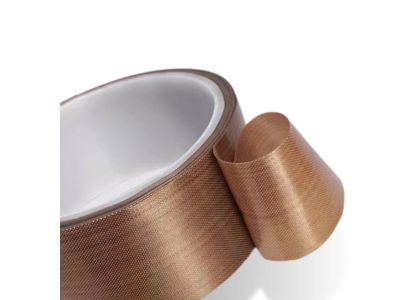
In heat sealing operations, the release surface on the sealer jaw has a direct impact on seal quality, machine uptime, and maintenance frequency. This is especially true for continuous sealers, vacuum sealers, and impulse sealers, where the tape must handle repeated heat, pressure, and surface wear without sticking to the packaging film.
PTFE glass cloth tape is widely used in these applications because it combines a non-stick PTFE surface with the mechanical strength of glass cloth reinforcement. Compared with simpler release materials, it generally offers better wear resistance, more stable performance during repeated sealing cycles, and cleaner release from heated sealing jaws.
For industrial buyers, the real question is not just whether PTFE tape is needed, but which tape construction is better suited to the equipment, temperature range, and production intensity involved.
Continuous and impulse sealing systems place repeated stress on the tape covering the sealing jaw. During operation, the material must resist heat, pressure, friction, and film adhesion at the same time. If the tape surface wears too quickly or allows buildup on the jaw, seal consistency often starts to suffer.
PTFE glass cloth tape works well in this role because the PTFE surface helps reduce sticking, while the glass cloth backing adds dimensional stability and wear resistance. This combination makes it a practical choice for sealing lines that run continuously or cycle frequently throughout the day.
For operators, this usually means less cleaning and fewer interruptions. For buyers and maintenance teams, it means a tape that is easier to match with real production conditions rather than just basic temperature claims.
PTFE glass cloth tape is used in sealing applications because it combines several properties that matter in daily production:
· Heat resistance: It is commonly used in high-temperature sealing environments and can maintain performance under continuous heat exposure.
· Non-stick release surface: The PTFE surface helps prevent film, adhesive, or residue from building up on the sealing jaw.
· Glass cloth reinforcement: Compared with plain PTFE film constructions, glass cloth backed tape generally offers better tear resistance, puncture resistance, and dimensional stability.
· Wear resistance: In repeated sealing cycles, the tape must hold up against friction and edge wear around the jaw area.
· Chemical resistance: It also performs well in environments where cleaning agents, oils, or other process materials may be involved.
In practice, these properties matter more than generic terms like “premium quality,” because most buyers care about wear life, cleaner release, and fewer sealing interruptions.
Not all PTFE tapes perform the same way on sealing equipment. In lighter-duty applications, PTFE film tape may be sufficient. But where repeated abrasion, edge cutting, or mechanical wear is more serious, PTFE glass cloth tape is often the more durable option.
The main difference lies in the backing construction. PTFE film tape is typically smoother and simpler in structure, while PTFE glass cloth tape uses glass cloth reinforcement to improve strength, puncture resistance, and dimensional stability. For sealer jaw release, this can make a noticeable difference in wear life and replacement frequency.
For that reason, tape selection should be based not only on temperature, but also on machine speed, jaw condition, pressure, and maintenance frequency.
When selecting PTFE glass cloth tape for sealing equipment, buyers should look beyond broad product descriptions and confirm a few practical details first.
Tape construction comes first. If the sealing jaw is exposed to repeated friction, edge wear, or heavy daily use, glass cloth reinforcement is often worth choosing over a simpler PTFE film construction.
Thickness also matters. A thicker tape may offer better resistance to abrasion and edge cutting, especially on sealing lines with frequent cycles or rougher jaw conditions. Thinner tape may still work in lighter-duty applications, but it is not automatically the better choice.
The adhesive system should also be checked carefully. In high-temperature environments, bond stability affects tape service life, especially when the tape is exposed to repeated heating and cooling cycles.
Finally, buyers should look at actual machine conditions rather than relying only on generic product claims. Jaw shape, operating temperature, sealing pressure, cycle frequency, and the type of packaging film all influence how the tape performs in real production.
For industrial buyers, the best tape is not simply the one with the broadest claims, but the one that matches the actual sealing process.
In heat sealing, tape problems usually show up in practical ways rather than in technical descriptions. Common issues include film sticking to the jaw, residue buildup, unstable sealing lines, premature tape wear, and more frequent cleaning stops.
When the tape construction does not match the sealing condition, even a small surface failure can affect output consistency. In many cases, the problem is not that PTFE tape is being used, but that the wrong PTFE tape construction has been selected for the job.
This is why buyers should not treat all PTFE tapes as interchangeable. In many production settings, the difference between a film-backed tape and a glass cloth reinforced tape shows up first in maintenance frequency and seal stability, not just in datasheet language.
On higher-volume lines, this difference becomes more obvious. A tape that wears too fast or cuts too easily may not look expensive at first, but it often leads to extra downtime, more frequent replacement, and less predictable sealing quality.
Bulk purchasing makes sense when the tape specification has already been validated on the machine. Before placing larger orders, buyers should confirm the following details clearly:
For repeat industrial use, ordering in bulk is not only about lowering unit cost. It is also about maintaining consistent tape performance across production batches and reducing supply interruptions.
If the application involves non-standard dimensions, repeated reordering, or tighter converting tolerance, it may also be worth confirming whether the supplier can maintain stable specification control over time. For many industrial buyers, this matters more than getting a low first quote.
The better sourcing channel depends on what the buyer actually needs.
If the application requires stable repeat supply, converting control, or non-standard dimensions, working directly with a manufacturer is often the better option. It usually makes communication easier when thickness, adhesive system, or slitting tolerance needs to be confirmed.
If the order volume is smaller or the goal is simply to test a product quickly, a wholesaler may offer more flexibility. In that case, buyers should pay extra attention to product consistency, traceability, and whether the supplied tape specification remains stable between batches.
The choice is not only about price. It is also about how much control is needed over product specification and long-term supply.
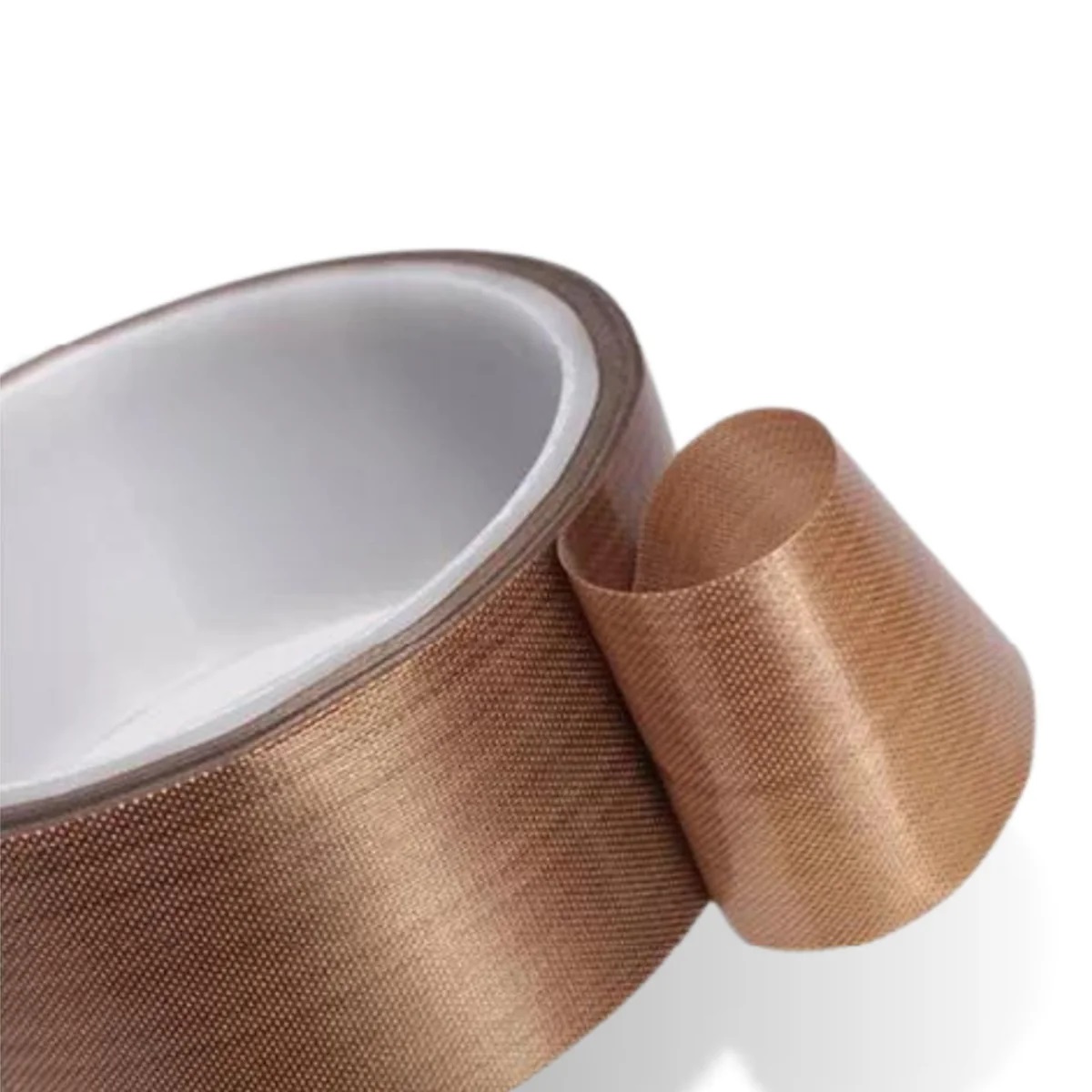
Tape thickness should be selected based on wear conditions, edge contact, sealing pressure, and replacement frequency. In many cases, thicker glass cloth constructions offer better resistance to edge cutting and abrasion, especially on high-cycle sealing lines.
Both provide a non-stick PTFE surface, but PTFE glass cloth tape is usually more durable in demanding sealing applications. It generally offers better dimensional stability and better resistance to tearing and puncture.
PTFE glass cloth tape is commonly used in high-temperature sealing environments, and many products are designed for continuous operation up to around 260°C. Actual service life will still depend on pressure, dwell time, jaw condition, and wear intensity.
Replacement is usually needed when the tape surface shows wear, edge damage, sticking, residue buildup, or when seal consistency starts to decline. In practice, replacement timing should be based on machine condition and sealing quality, not just fixed hours.
To speed up quotation and product matching, it is helpful to provide machine type, sealing method, jaw width, working temperature, film material, preferred thickness, and whether adhesive-backed or liner-supported tape is needed.
For sealer jaw release, PTFE glass cloth tape is not just a high-temperature tape. It is a wear surface that directly affects seal consistency, cleaning frequency, and maintenance rhythm.
That is why tape selection should not be based on temperature claims alone. Backing construction, thickness, adhesive system, and actual sealing conditions all matter. For buyers working with continuous or impulse sealing equipment, choosing the right tape can make daily production more stable and easier to manage over time.
If the application involves repeated heat, pressure, and abrasion, PTFE glass cloth tape is often the more dependable option than simpler PTFE tape constructions.