
info@jxgreentape.com
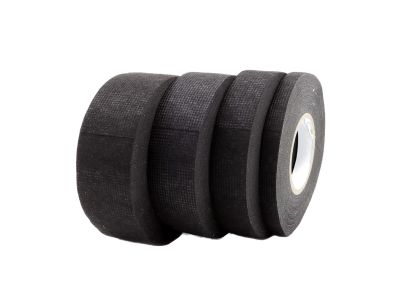
In several automotive interior programs, polyester-based harness tape was approved without incident during pilot builds. Visual coating appearance was clean, peel values were within target, and no adhesive residue appeared during short-term trials. The same material, sourced later from a different wire harness tape china factory, triggered line complaints within weeks of volume launch.
Operators reported adhesive transfer onto gloves and harness boards. In some stations, tape edges lifted after rework, even though the original application met process guidelines. These issues were not linked to a clear specification breach. Instead, they exposed how coating uniformity and adhesive behavior can shift subtly when supply moves between global vendors or production lines.
From a buyer’s perspective, these failures are frustrating because they occur after formal approval. From an engineering standpoint, they highlight that “uniform” on paper does not always translate to uniform in use.
Polyester tape coatings often appear visually consistent across suppliers. Thickness averages fall within tolerance, and surface gloss or color rarely raises alarms. However, uniformity at the micro level — particularly across roll width and length — varies more than most datasheets suggest.
In some projects using automotive wire harness tape, coating weight distribution fluctuated slightly from edge to center. These differences were insignificant in lab measurements but became relevant when tapes were torn or repositioned during assembly. Minor coating variations influenced how adhesive released from the backing, especially under angled peel conditions.
Global sourcing adds another layer. Different coating lines, even when using nominally identical formulations, can produce different flow behavior during drying. Buyers comparing suppliers across regions often underestimate how process control maturity influences consistency more than raw material selection.
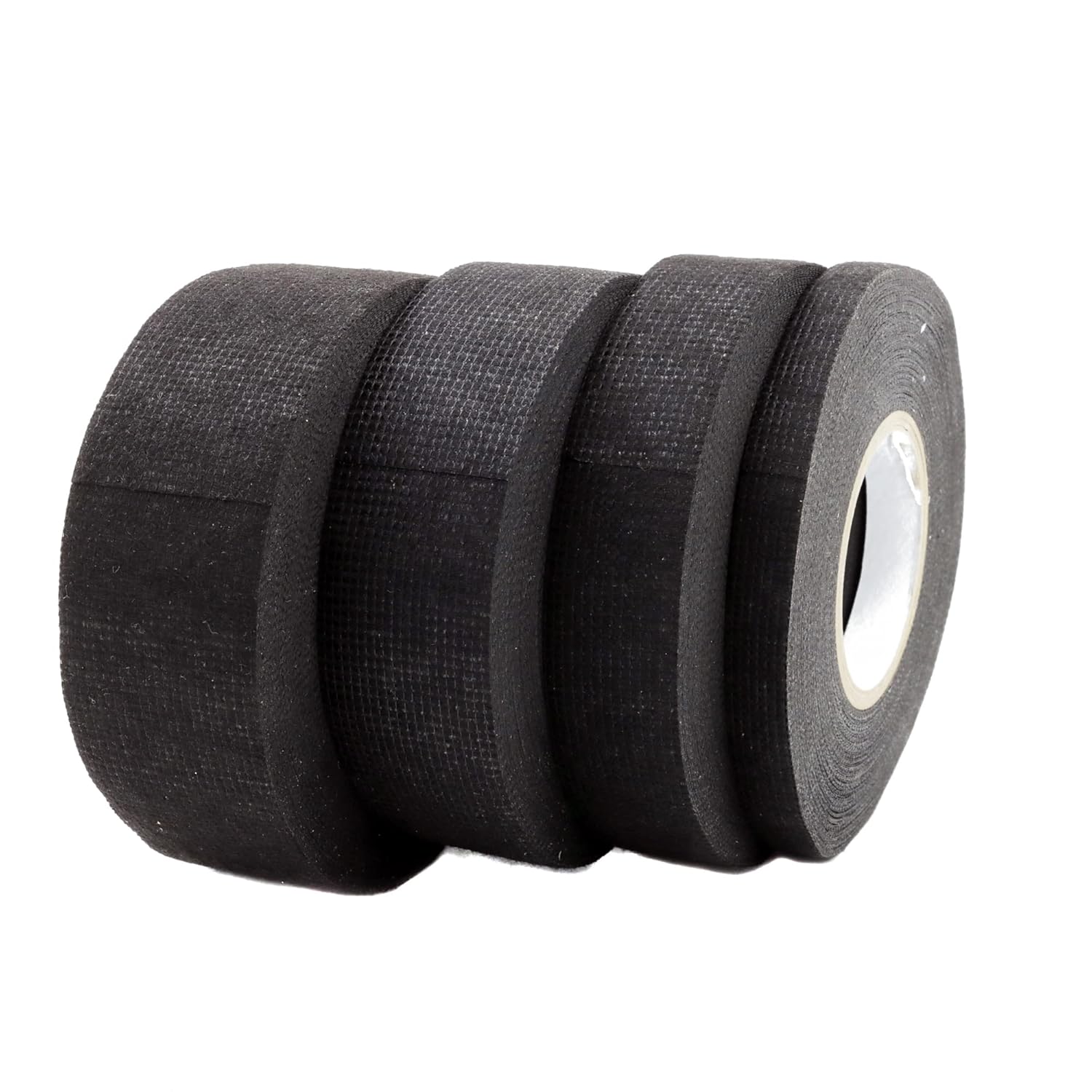
Adhesive transfer is one of the most common complaints associated with polyester harness tapes, yet it is poorly predicted by standard tests. In controlled peel tests, many industrial grade wire harness adhesive tape products perform similarly. The problem emerges under non-ideal conditions: uneven tension, partial removal, or repeated repositioning.
In one validation program, a tape from a wire harness electrical tape china wholesaler passed all incoming tests. During rework scenarios, however, adhesive residue accumulated on harness clips. This residue increased friction, leading to inconsistent wrap tension downstream.
What made this difficult to diagnose was timing. The issue did not appear during first application, nor during short-term aging. It surfaced after multiple handling cycles — a situation rarely simulated during supplier qualification.
Coating thickness, adhesive coat weight, and peel strength are often treated as primary indicators of quality. In practice, their relevance depends on application context.
Higher coat weights can reduce transfer in clean removal scenarios but may worsen residue during partial peel. Lower coat weights tear more cleanly but risk insufficient bonding on textured substrates. Engineers do not universally agree on optimal ranges, especially for high performance wire harness electrical tape used across mixed interior zones.
Temperature further complicates matters. Tapes marketed as heat resistant wire harness tape may perform well at elevated temperatures but show increased transfer at room temperature during rework. This contradiction often surprises procurement teams relying on thermal ratings alone.
The takeaway is not that these parameters are wrong, but that they are conditional. Evaluating them in isolation often leads to false confidence.
Experienced teams tend to supplement formal testing with practical comparisons. One method involves cross-vendor roll trials under identical line conditions. Instead of focusing on numeric results, engineers document qualitative behaviors: edge cleanliness, adhesive stringing, and residue visibility after removal.
Some buyers require side-by-side trials from multiple wire harness tape china manufacturers using identical harness layouts. In one case, a supplier was removed from the approved list after repeated adhesive transfer complaints, despite meeting all published specifications.
Another approach involves delayed evaluation. Rolls are applied, partially removed, and then rechecked after 24 to 72 hours. This simple step has uncovered transfer risks that standard peel tests missed, particularly in bulk programs sourcing electrical wire harness tape globally.
These methods are imperfect and time-consuming, but they align more closely with how failures actually occur.
Tightening coating uniformity requirements often increases cost or limits supplier options. Some vendors can meet aggressive consistency targets but struggle with capacity or lead time. Others offer stable supply but wider batch variability.
Procurement teams sourcing wire harness adhesive tape china wholesaler products frequently face this trade-off. Reducing supplier count simplifies logistics but increases risk if batch behavior shifts. Diversifying supply improves resilience but complicates validation and consistency management.
In several programs, buyers accepted slightly higher adhesive transfer risk in exchange for stable long-term supply, provided mitigation steps were defined. These decisions were not ideal, but they reflected operational realities rather than theoretical optimization.
Comparing polyester tape coating uniformity across global vendors is less about finding a “best” supplier and more about understanding variability sources. Teams that succeed long-term treat coating behavior as something to monitor continuously, not something solved at approval.
For buyers working with industrial grade wire harness adhesive tape across regions, the most reliable indicator of success has been transparency: clear feedback loops, batch traceability, and willingness to revisit assumptions when failures occur.
In the end, coating uniformity and adhesive transfer are not static attributes. They evolve with scale, process changes, and supply chain pressure. Recognizing this early allows buyers to make decisions that balance performance, cost, and risk — even when no option is perfect.