
info@jxgreentape.com
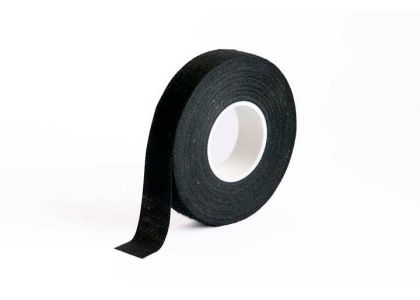
In several interior harness programs, hand tearability became a problem only after the tape had already passed incoming inspection and pilot builds. During early assembly trials, operators could tear pet fleece wire harness tape cleanly with one hand, maintaining consistent wrap tension and cycle time. Several months later, with full-volume deliveries underway, line feedback changed. Tear edges became irregular, operators started reaching for blades, and wrap consistency deteriorated.
In some cases, the same nominal specification was still being supplied. The purchase orders referenced the same drawings, and the supplier documentation showed no formulation change. Yet, real-world behavior had shifted. This pattern has appeared repeatedly in programs sourcing wire harness electrical tape china, particularly when volume ramps introduced new coating runs or backing fabric lots.
From a procurement standpoint, these complaints are often dismissed as “operator preference.” From an engineering standpoint, they tend to surface only after rework rates increase. The disconnect lies in how hand tearability is specified, verified, and monitored across batches rather than at approval time.
Hand tearability is rarely a single-material property. In fleece-backed constructions, it emerges from an interaction between backing fiber orientation, adhesive anchoring, coating weight distribution, and even edge trimming conditions. In early sampling, these variables are often tightly controlled. Once production shifts to mass supply, tolerance stacking becomes more visible.
One recurring issue is adhesive penetration variability. In industrial grade wire harness adhesive tape, deeper penetration into the fleece can improve long-term adhesion but reduce controlled tear propagation. In small batches, this may not be obvious. At scale, especially in reliable bulk wire harness electrical tape programs, even minor shifts in adhesive viscosity or fleece density can alter tear behavior significantly.
Another contributor is roll aging. Some fleece constructions stiffen slightly over storage time, especially under fluctuating warehouse conditions. Tear performance that appears acceptable immediately after production may change after several weeks in transit or storage. This is one reason why incoming inspection alone often fails to predict line behavior.
Engineers often focus on fleece thickness or tensile strength when discussing tearability. In practice, these parameters matter only under certain conditions.
Fiber alignment plays a role, but its effect depends on adhesive anchoring depth. A loosely bonded fleece may tear easily but produce uncontrolled fiber pull-out. A tightly bonded structure may resist tearing altogether. In some programs, wire harness cloth tape with slightly lower backing strength actually produced more consistent hand tear results because the tear path stabilized earlier.
Adhesive type also introduces trade-offs. Aggressive systems improve retention under vibration but can suppress tear initiation. Less aggressive systems tear cleanly but risk edge lift over time. Engineers do not universally agree on where the balance should sit, and acceptable ranges often vary by harness location and assembly method.
What matters most is recognizing that hand tearability is conditional. It is influenced by how the tape is applied, the operator’s technique, and even ambient temperature on the line. Treating it as an absolute property often leads to overspecification without solving the underlying variability.
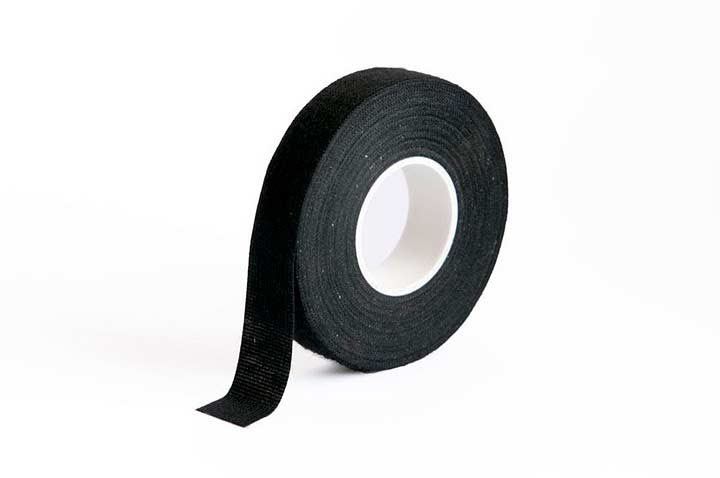
In programs where hand tearability has caused measurable downtime, teams have moved away from single-sample approval testing toward batch-level verification.
One common approach involves controlled tear testing across multiple rolls from the same shipment. Instead of measuring force values alone, engineers document tear edge quality, propagation consistency, and operator feedback under repeatable conditions. While subjective, this method has proven more predictive than laboratory tensile data alone.
Some teams combine this with aging simulation. Rolls are conditioned under elevated temperature and humidity before tear evaluation. In one interior program sourcing pet fleece wire harness tape, this approach revealed that tear behavior degraded after simulated transit exposure, prompting a revision of incoming acceptance criteria.
Another method involves cross-batch comparison. By maintaining reference rolls from previously approved lots, deviations become easier to identify. In one case, a batch from a wire harness electrical tape china supplier was rejected not because it failed specifications, but because its tear behavior deviated noticeably from the established baseline, triggering requalification before line disruption occurred.
These methods are not perfect. They require time, operator training, and documentation discipline. However, they align more closely with real assembly risk than single-point lab tests.
Improving hand tearability often introduces compromises elsewhere. Softer fleece structures tear more predictably but may offer less abrasion protection. Reduced adhesive anchoring improves tear initiation but can reduce long-term retention in high-vibration zones.
From a sourcing perspective, these trade-offs become visible when comparing samples marketed as premium quality wire harness adhesive tape against more cost-focused alternatives. In some cases, higher-cost materials deliver more consistent tear behavior. In others, mid-range constructions perform better once scaled.
Cost pressure also influences batch consistency. Suppliers asked to maintain aggressive pricing on reliable bulk wire harness electrical tape may adjust process parameters to improve yield, unintentionally affecting tear behavior. These changes are rarely communicated unless buyers explicitly link hand tearability to acceptance criteria.
Procurement managers often face a difficult decision: accept wider performance variability to maintain cost targets, or tighten specifications and absorb higher unit pricing. There is no universal answer, only context-specific judgment.
Hand tearability issues rarely remain isolated. Once they surface, they tend to trigger broader questions about supplier control, batch traceability, and communication. Programs that experience repeated variability often shift toward closer collaboration with suppliers, including shared testing protocols and clearer escalation paths.
In some cases, repeated deviations have led to suppliers being removed from approved lists, even when formal specifications were technically met. These decisions are seldom taken lightly. They reflect accumulated operational friction rather than single test failures.
For buyers sourcing wire harness electrical tape china, the lesson is not to avoid certain regions or suppliers, but to recognize that batch consistency must be actively managed. Validated batch testing, while imperfect, provides a practical bridge between laboratory approval and real-world assembly performance.
Over time, teams that treat hand tearability as a living parameter rather than a checkbox tend to experience fewer surprises during volume production.