
info@jxgreentape.com
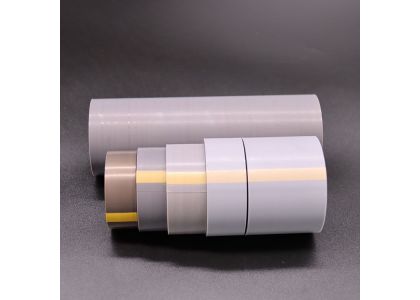
In chemical plants, offshore installations, and other aggressive-service sites, choosing the correct sealing and masking material is a technical decision with direct consequences for safety, uptime and lifecycle cost. Many engineering teams now prefer Premium quality pure PTFE adhesive tape because it offers long-term resistance to corrosive media, excellent thermal endurance, and low surface energy that limits fouling and simplifies cleaning. For large programs, procurement typically negotiates with a qualified PTFE adhesive tape Wholesaler or places a bulk order pure PTFE adhesive tape contract to guarantee lot-to-lot consistency. Where process conditions are unusual, teams may ask for custom PTFE film electrical tape or specialized adhesive chemistries to meet performance needs. Below we outline the material benefits, selection metrics, and practical steps to validate and implement PTFE adhesive solutions with low risk.
PTFE’s chemical structure gives it exceptional inertness: it resists acids, alkalis and many organic solvents that degrade other polymer films. When combined with a properly chosen adhesive system and manufactured under controlled tolerances, Premium quality pure PTFE adhesive tape becomes a reliable barrier that prevents corrosion initiation on flange faces, instrument housings, or exposed components. The payoff is tangible: fewer leaks, fewer emergency shutdowns, and lower replacement frequency for vulnerable parts. For regulated environments and critical assets, documentation is essential — request supplier test data, thermal analysis and batch traceability so every roll can be linked to performance records.
Several material attributes determine suitability for harsh-service applications:
• Chemical resistance — PTFE is inert to a broad range of reagents, minimizing film degradation and preserving seal integrity under continual exposure.
• Thermal stability — premium PTFE tapes withstand elevated continuous temperatures and brief excursions without adhesive migration or film embrittlement.
• Low surface energy — a non-stick surface reduces deposit accumulation, making cleandown quicker and more effective.
• Adhesive engineering — a high-quality silicone or heat-stable acrylic adhesive balances initial tack with minimal transfer when exposed to heat or solvents.
• Dimensional stability — low thermal shrinkage and creep keep gasket geometry and sealing pressure predictable across cycles.
When specifying material, demand quantitative figures: continuous-use temperature, TGA onset, peel strength (per recognized standards), shear dwell, and a chemical compatibility summary tailored to your process fluids.

Premium quality pure PTFE adhesive tape is used where corrosion and chemical attack are primary risks:
Expected, measurable benefits include reduced leak incidents (recorded as failures/month), longer gasket life (mean time between replacement), fewer cleaning hours per week, and lower part replacement costs. Capture baseline KPIs before adopting PTFE tape and compare them after pilot runs to quantify ROI.
Engineers often weigh PTFE against elastomers, metal foils, and other polymer films. Key comparative points:
PTFE is not universally cheapest, but where chemical compatibility, thermal resilience and low-maintenance operation matter, Premium quality pure PTFE adhesive tape delivers clear value. Validate with side-by-side trials when switching from an incumbent material.
Supplier selection is critical. A credible PTFE adhesive tape Wholesaler should provide:
In procurement, require a short technical RFQ that lists acceptance thresholds (peel range, allowable adhesive transfer after thermal cycling, maximum shrinkage). Tie payment milestones to successful pilot outcomes to mitigate supply risk.
Case 1 — Chemical processing plant (anonymized):
A mid-sized chemical plant experienced recurring flange gasket failures on a caustic steam line. Engineering replaced the liner with Premium quality pure PTFE adhesive tape. Over six months, leak incidents decreased by 60% and gasket replacement intervals extended by two production cycles. Records included supplier lot numbers and thermal test summaries used to support the change in maintenance reviews.
Case 2 — Offshore module maintenance (simulated but realistic):
During a turnaround, an offshore facility trialed pre-cut PTFE liners to protect instrument junction boxes from saline corrosion. The trial reduced post-turnaround corrosion findings by 70% and shortened inspection time windows, yielding measurable labor savings and fewer corrective actions.
Case 3 — High-temperature coating application (anonymized):
A mechanical parts manufacturer replaced conventional masking with a heat-resistant PTFE solution. The trial — backed by adhesion and thermal bake data from the PTFE adhesive tape Wholesaler — eliminated adhesive residue and cut cleaning cycles by nearly half, improving throughput and reducing scrap.
To implement safely and effectively: