
info@jxgreentape.com
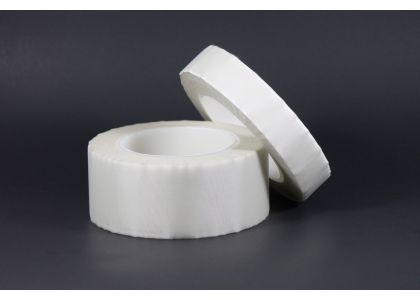
Glass Cloth Adhesive Tape is widely used where technicians need a balance between heat resistance, mechanical strength, and flexibility during installation. Compared with standard polyester or PVC tapes, glass cloth constructions maintain dimensional stability under elevated temperature exposure and mechanical stress.
Typical industrial use cases include:
Glass cloth tape manufacturers typically offer both acrylic and silicone adhesive systems. In general:
For procurement teams working with trusted supplier glass cloth tape sources, application environment matters more than datasheet headline numbers. Real performance depends on substrate condition, installation pressure, and exposure cycle pattern.
Glass cloth is abrasive due to fiberglass yarn construction. Standard steel cutting blades may dull quickly during repeated cutting, which increases the risk of fiber fraying along the tape edge.
For low-volume work:
Sharp industrial scissors or precision utility blades are usually acceptable
For repetitive cutting or production environments:
Carbide-edged cutting tools can improve edge quality consistency
Hot knife cutting may help reduce loose fiber edge formation by lightly sealing yarn ends
Technicians should avoid tearing tape by hand whenever possible. Hand tearing often causes uneven edges and loose fibers that can reduce effective bonding area or introduce contamination risk in electrical insulation environments.
Best cutting practice:
When evaluating supply sources such as glass cloth electrical tape wholesaler channels, edge stability during cutting is a practical performance indicator that often reflects backing weave quality and coating consistency.
In many industrial audits, adhesion failure is more frequently linked to surface contamination than to tape material defects.
Before applying glass cloth adhesive tape:
Isopropyl alcohol (IPA) is commonly used for general surface cleaning. However, contamination types vary. Heavy oil or silicone contamination may require alternative cleaning methods depending on substrate compatibility. Small-area testing is recommended before full-scale installation.
On low surface energy materials, adhesion performance can be limited regardless of adhesive grade. In these cases, technicians typically evaluate primer use or mechanical retention methods.
Glass cloth tape manufacturers usually provide adhesion data under controlled lab conditions. Real production environments should validate adhesion performance using actual substrates and operating conditions.
Glass cloth adhesive tape uses pressure-sensitive adhesive systems. Adhesion strength develops through pressure and time.
Key field practices:
Pressure-sensitive adhesives typically increase bonding strength after initial installation as adhesive flows into micro surface structure. Actual bonding curves depend on adhesive formulation and substrate surface condition.
Glass cloth silicone tape supplies used in high temperature environments still require correct pressure and surface preparation to achieve full performance.
Recommended cutting and installation setup:
For buyers sourcing mass supply glass cloth tape or Bulk glass cloth tape, technician tool compatibility should be part of process qualification, not just tape specification review
In electronics insulation assembly, one recurring failure pattern involves edge lifting of Glass Cloth Adhesive Tape used for PCB insulation shielding and harness protection.
Typical real-world contributing conditions include:
Observed failure sequence in production environments:
Edge lift → Micro air gap formation → Reduced insulation reliability → Rework or inspection failure risk.
Process corrections typically implemented:
Production teams often see measurable reduction in repeat edge-lift issues once installation process control is standardized, even when using the same tape material and supplier source.
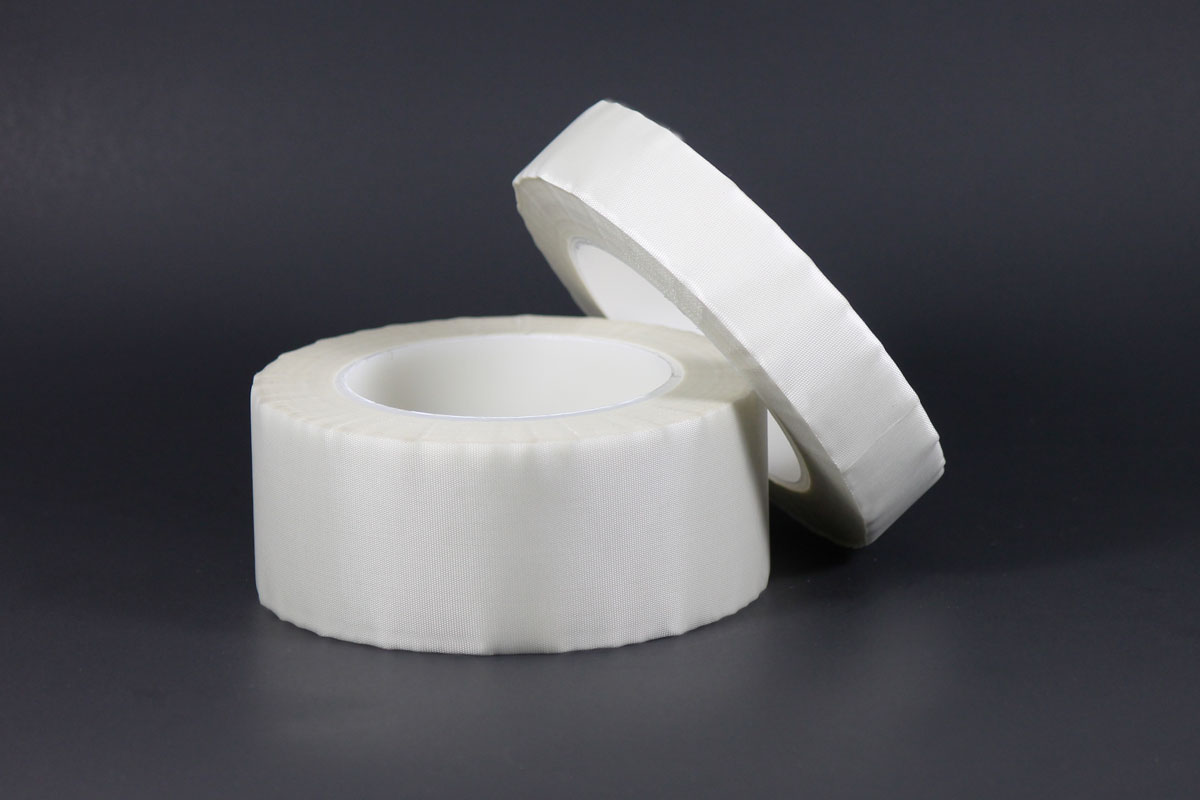
Improper storage conditions are one of the most overlooked causes of adhesive performance loss.
Recommended storage conditions:
Pressure-sensitive adhesives can slowly age under poor storage conditions. This may reduce initial tack and long-term bonding strength.
For buyers managing bulk inventory such as mass supply glass cloth tape or Bulk glass cloth tape, warehouse environmental control directly affects downstream application consistency.
|
Issue Observed |
Likely Root Cause |
Recommended Fix |
|
Tape edge lifting |
Low surface energy or contamination |
Re-clean surface and increase pressure application |
|
Frayed cut edges |
Dull cutting tools or tearing by hand |
Switch to sharp blade or controlled cutting tool |
|
Poor initial adhesion |
Low application pressure or cold tape |
Use roller pressure and allow temperature conditioning |
|
Adhesive residue after removal |
Overheating or adhesive mismatch |
Confirm adhesive type and removal temperature range |
|
Inconsistent bonding across surface |
Uneven pressure during application |
Standardize roller application procedure |
Avoid stretching glass cloth adhesive tape during installation. Stretching can cause edge lifting after relaxation.
Always test adhesion on real substrate samples before full production use.
If repeated lifting occurs, investigate process variables before switching suppliers.
These small process details often make larger performance differences than changing tape brands alone.
Most failures are process-related rather than material defects. Common causes include contamination, low application pressure, insufficient dwell time, or application outside recommended temperature conditions. Process validation is as important as tape specification selection.
Buyers typically compare adhesive system type, backing thickness consistency, heat aging performance, and batch repeatability. Reliable glass cloth tape manufacturers can provide performance documentation and stable production quality across multiple batches.
Glass cloth silicone tape supplies are typically selected for higher temperature environments or longer thermal exposure cycles. Selection should consider continuous temperature exposure, substrate compatibility, and mechanical stress level.
Yes, for standardized applications and stable specifications. For critical applications, buyers often validate samples and confirm performance data before scaling volume purchasing through glass cloth electrical tape wholesaler supply channels.