
info@jxgreentape.com
In demanding electrical environments—especially for wire harnesses operating under extreme heat and mechanical stress—the careful application of ptfe film tape, ptfe film adhesive tape, ptfe electrical tape, heat resistant ptfe film tape, and high temperature ptfe tape is essential for maintaining continuous, reliable insulation. Trusted by engineers and manufacturers worldwide, these high-performance tapes resist thermal breakdown, prevent electrical leakage, and extend the service life of wiring assemblies. This article examines their material advantages, reviews proven application techniques, and shares industry case studies that demonstrate their standout performance in high-temperature electrical insulation.
Modern wire harnesses in industrial and automotive applications are often subjected to harsh thermal conditions. PTFE film tape is engineered with high-performance polymers that provide exceptional thermal stability and electrical insulation properties. Its inherent chemical inertness and low dielectric constant make ptfe film adhesive tape an ideal choice in environments where traditional materials might degrade. Moreover, ptfe electrical tape is specifically formulated to maintain performance even when exposed to fluctuating temperatures. Engineers appreciate that heat resistant ptfe film tape not only withstands high operational temperatures but also ensures that the insulating barrier remains continuous and effective over the entire lifespan of the assembly. Additionally, high temperature ptfe tape variants are available for applications that require even greater thermal endurance, ensuring that the wiring remains safe and fully functional.
Achieving a flawless insulation system starts with proper surface preparation. It is essential to thoroughly clean and degrease wire harness components before applying ptfe film tape. Any residue can impair adhesion, compromising the overall insulation integrity. Once the surface is prepared, technicians use precise application techniques. For instance, ptfe film adhesive tape should be applied with steady, uniform pressure to eliminate air pockets and ensure a smooth bond. Using specialized tools such as soft rollers can further enhance the tape’s adhesion, especially on curved or uneven surfaces. The application of ptfe electrical tape typically involves wrapping the tape in a continuous spiral pattern, ensuring complete coverage and minimizing the risk of electrical leakage. In high-temperature environments, using heat resistant ptfe film tape is crucial as it guarantees that the tape maintains its structural integrity even under severe thermal stress. Finally, for the most critical areas, high temperature ptfe tape is applied to provide an extra margin of safety.
Numerous industries have adopted ptfe film tape solutions for their high-temperature electrical insulation needs. For instance, an automotive manufacturer reported that by switching to ptfe film adhesive tape for its wiring harnesses, the number of insulation failures dropped dramatically, resulting in fewer field recalls and improved vehicle safety ratings. Similarly, in aerospace applications, engineers have found that using ptfe electrical tape significantly reduces the risk of short circuits and improves overall system reliability. Feedback from maintenance teams indicates that heat resistant ptfe film tape consistently performs under extreme conditions, reducing downtime and lowering repair costs. In one case study, a leading electronics manufacturer documented that their adoption of high temperature ptfe tape led to a 20% increase in system longevity and a noticeable improvement in operational stability.
The cost-effectiveness of employing advanced insulation solutions like ptfe film tape is substantial. Although the upfront cost might be higher than that of conventional tapes, the reduction in maintenance, improved reliability, and extended service life result in significant long-term savings. Lower failure rates mean fewer production delays and a decrease in warranty claims. Additionally, the durability of ptfe film adhesive tape minimizes material waste, contributing to a more efficient and sustainable manufacturing process. Companies that invest in ptfe electrical tape report enhanced operational efficiency, as the tape’s performance translates directly into lower overall production costs and increased throughput in high-volume applications.
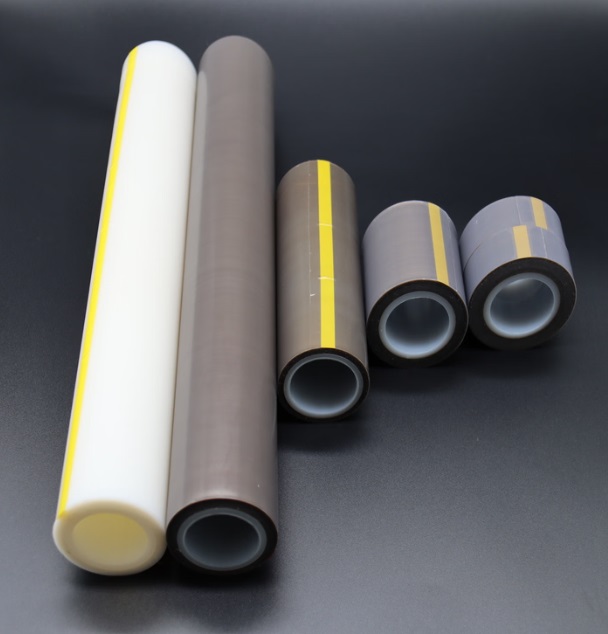
The evolution of PTFE-based masking solutions continues to advance as new formulations are developed. Researchers are exploring enhancements in the adhesive properties and thermal resistance of ptfe film tape. Recent breakthroughs have resulted in ptfe film adhesive tape variants that offer improved bonding strength while still allowing for clean removal when necessary. Innovations in manufacturing processes have led to more uniform and consistent ptfe electrical tape products, which translate into higher reliability in field applications. Future trends suggest that even more robust materials, such as heat resistant ptfe film tape and high temperature ptfe tape, will become available to meet the ever-increasing demands of high-performance electrical insulation.
For production engineers and procurement managers, selecting the right insulation tape is a strategic decision. Detailed product evaluations and rigorous testing must be performed to ensure that the chosen ptfe film tape meets the specific thermal and electrical requirements of the application. Establishing strong relationships with reliable suppliers of ptfe film adhesive tape can lead to better pricing and consistent quality. In addition, training technical staff in proper application techniques is essential to maximize the benefits of these advanced materials. Such strategic investments not only improve the performance of electrical systems but also contribute to lower operating costs and enhanced safety in the long run.
To fully leverage the benefits of advanced insulation tapes, companies should adopt a set of best practices. These include thorough surface preparation, precise application, and regular inspections to ensure that the insulation remains intact over time. The use of ptfe electrical tape in critical areas should be combined with routine performance tests to verify that the material withstands both thermal cycling and mechanical stress. Additionally, feedback from field operators can be used to continuously refine application methods and improve overall production quality. The integration of these practices results in a robust and reliable electrical insulation system that supports the safe operation of wire harnesses in even the most demanding environments.
Achieving truly robust insulation in high-temperature applications depends on both the right PTFE materials and meticulous implementation. By selecting the most appropriate PTFE tape variant—ranging from versatile film and adhesive grades to specialized heat-resistant and high-temperature formulations—and integrating them into comprehensive design, testing, and maintenance protocols, manufacturers can effectively protect wire harnesses from thermal and mechanical stresses. This holistic approach not only boosts operational uptime and reduces maintenance expenditure but also elevates safety standards and product reliability, affirming PTFE-based tape solutions as the premier choice for next-generation electrical insulation.