
info@jxgreentape.com
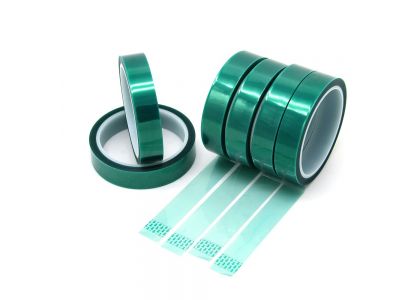
High-heat powder coating lines operate with narrow margins for error. Edge definition, predictable peel behavior, and clean release after curing are not cosmetic preferences—they directly affect rework rates, takt time, and downstream assembly. In this environment, Green High Temp Masking Tape is commonly specified alongside Powder Coating Masking Tape, Powder coat tape, and general Powder coating tape to control overspray and protect functional surfaces through elevated bake cycles. Many finishing teams pair Green polyester tape for broad coverage with quality Powder coat tape in critical edge zones, creating a masking system that balances heat resistance, adhesion stability, and removal consistency without disrupting line flow.
As powder coating programs mature, plants often move away from mixed general-purpose tapes toward purpose-built solutions. The shift is usually driven by process data rather than preference: fewer adhesive residues after cure, sharper boundaries on apertures and threads, and reduced variability across operators and shifts. When masking materials are selected as part of the process—not as consumables—finish quality becomes more predictable and easier to control.
Powder coating environments place simultaneous mechanical, thermal, and electrostatic demands on masking materials. Green high-temperature tapes are typically used in zones where airflow, part geometry, and curing temperature expose the limits of standard tapes.
Typical polyester powder cure windows range from approximately 180 °C to 205 °C, depending on film build and chemistry. Operators consistently report fewer edge defects when the tape’s adhesive system is engineered for this thermal envelope, particularly on parts exposed to sustained airflow and long dwell times.
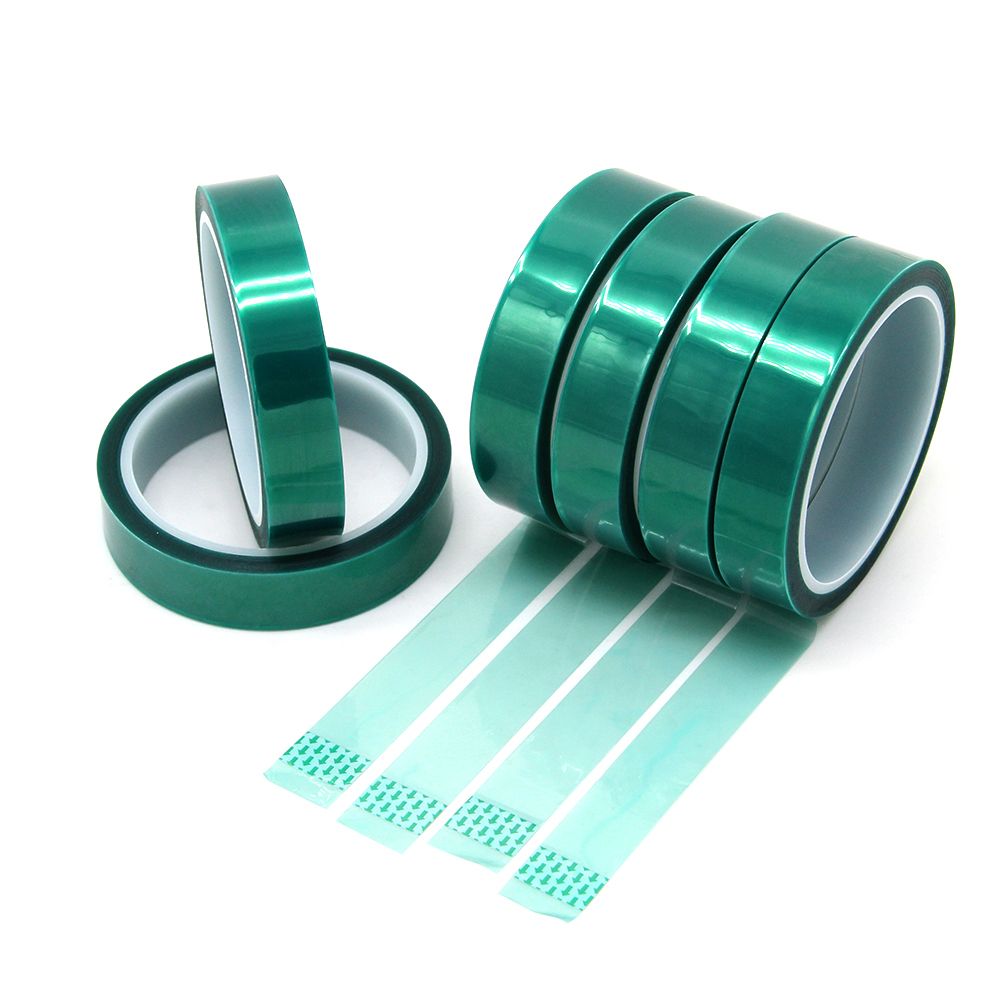
Supplier selection directly influences masking consistency over time. A capable partner delivers more than rolls of tape—they provide dimensional control, repeatable adhesive performance, and technical support when process conditions change.
When evaluating a Powder Coating Masking Tape source, finishing teams commonly run controlled trials using identical parts across multiple ovens. Performance is logged against clear criteria: adhesion after bake, peel smoothness, residue presence, and edge definition.
Key evaluation points include:
Scalability and lead time reliability
Plants with seasonal peaks require dependable replenishment of Powder coat tape without last-minute substitutions.In one U.K. appliance program, a finishing team completed five weeks of parallel trials across three ovens, measuring haloing on gloss whites and textured blacks. Switching from commodity rolls to validated quality Powder coat tape reduced finishing labor by 11% due to fewer touch-ups around control-panel cutouts. In Mexico, an agricultural equipment manufacturer favored a supplier offering roll-level barcodes and peel-force certificates, ensuring each batch of Green High Temp Masking Tape matched approved performance thresholds.
Customization aligns masking behavior with specific parts and workflows. It may involve tailored widths to match fixtures, modified adhesives for low-energy or textured surfaces, or reinforced carriers to navigate sharp radii without tearing.
Common customization drivers include:
Expanded temperature envelopes
Lines running hotter for thicker films benefit from adhesives designed to hold at peak temperature and still release cleanly.A European HVAC manufacturer requested quality Powder coat tape with slightly higher initial tack for textured galvanized housings. The customized tape reduced masking time by 12% and minimized edge creep in high-velocity spray zones. In the U.S., a bicycle component brand standardized a custom-width Green polyester tape for dropout slots and mounting interfaces, accelerating prep while reducing powder intrusion around precision bores.
OEM bulk programs often amplify these gains. Once custom Powder coating tape specifications are validated, procurement can scale orders without repeated qualification, maintaining continuity through product changes and maintenance shutdowns. Many plants report total cost-of-quality reductions of 8–15% after integrating customized Green High Temp Masking Tape into standard operating procedures.
Across industries, the value of Green High Temp Masking Tape is rarely theoretical. Its benefits become clear only when measured against rework rates, operator variability, and long-term process stability.
Across these cases, a common pattern emerges: validated masking selections aligned to oven profiles and surface preparation routines reduce labor churn and stabilize quality. Line managers consistently report faster operator training once SKUs are consolidated to a proven quality Powder coat tape standard for edges and a general-purpose Green polyester tape for coverage.
Manufacturing teams do not simply need tape; they need predictability. In powder coating, predictability means edges that hold during electrostatic deposition, adhesives that tolerate sustained heat, and removal behavior that does not compromise surface finish.
A well-designed masking strategy often combines Powder coating tape for general applications with Powder Coating Masking Tape specified for critical interfaces. Adding Green High Temp Masking Tape in zones exposed to the highest thermal load ensures edge quality survives the cure without introducing cleanup steps.
For procurement teams, this predictability translates into fewer emergency substitutions and more stable supplier relationships. For engineers, it enables tighter process windows and more confident optimization of spray parameters and oven profiles.
To maintain balance between performance and cost, teams should:Run sample trials that mirror production conditions, including identical oven curves, airflow, film build, and removal timing.
Confirm peel behavior and residue outcomes on smooth aluminum and textured steel, as surface energy differences often reveal adhesive limits.
Standardize on quality Powder coat tape for critical edges and Green polyester tape for broad masking zones to simplify SOPs.
Document results and link them to approved specifications so that future Powder coating tape purchases do not require repeated qualification.Customization should be evaluated when part geometry or throughput demands it. Custom widths reduce operator error, tuned adhesives improve stability on textured surfaces, and optimized liners prevent stretch along tight curves. Over time, tailored Powder Coating Masking Tape and Green High Temp Masking Tape solutions simplify workflows and reduce total cost-of-quality rather than increasing it.
Consistent finish quality in powder coating is rarely achieved by chance. It results from disciplined material selection, controlled trials, and alignment between procurement and process engineering. When masking materials are treated as process inputs rather than consumables, outcomes become more predictable.
Plants that standardize on validated Powder coat tape for edges and deploy Green High Temp Masking Tape where thermal stress is highest consistently report lower rework, cleaner audits, and smoother production rhythms. Adding Green polyester tape for broad coverage further simplifies operations without compromising quality.
For teams managing diverse geometries and cure profiles, the most effective approach is systematic: test under real conditions, document results, and scale only what proves stable. In doing so, masking becomes a quiet enabler of throughput and finish quality rather than a recurring source of variability.