
info@jxgreentape.com
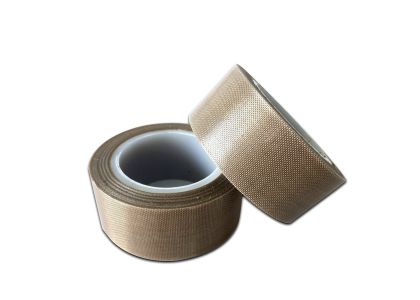
Excessive friction in medical assemblies causes sticking, increased scrap, and particle generation — all unacceptable in cleanroom manufacturing. PTFE-based tapes deliver a stable, low-friction surface that withstands common sterilization cycles (steam autoclave, EtO, and many chemical sterilants). Use ptfe fabric tape where you need a conformable low-friction interface; switch to high quality ptfe glass cloth tape where tear resistance and dimensional stability matter; and deploy ptfe coated fiberglass high temperature tape in zones exposed to repeated high-temperature sterilization.
Key decision rule for engineers: if the tape will remain in contact under load and through repeated sterilizations, prioritize thermal endurance and mechanical reinforcement over initial tack.
Effective PTFE tape performance comes from three design elements: a low-friction PTFE face, an engineered substrate (woven cloth or nonwoven) for strength and conformability, and an adhesive formulated for the process environment. Modern ptfe tape with adhesive variants include silicone adhesives for high-temperature or low-outgassing requirements and engineered acrylics for general-purpose fixation with controlled removability. Where assemblies flex or experience abrasion, silicone ptfe coated glass cloth tape combines adhesion stability with PTFE’s low-friction face and fabric reinforcement to limit edge lift and fray.
Practical tip: request datasheets showing continuous temperature rating, peel/ shear values after three autoclave cycles, and particulate generation test methods. Those numbers separate shelf-samples from production-ready materials.
Case — surgical instrument assembly: A precision instrument maker replaced polyimide liners on guide rails with a reinforced ptfe fabric tape in targeted wear zones. Outcome over a 6-week validation: smoother linear motion, a 35% reduction in cleanroom particulate counts at sampling points, and a drop in calibration adjustments. The team logged one unexpected failure — adhesive creep after repeated EtO exposure on a humid line. Corrective action: introduced a solvent wipe and brief thermal bake prior to application; subsequent runs passed acceptance criteria.
Case — disposable syringe production: Intermittent plunger sticking was eliminated after switching to a ptfe tape with adhesive matched to the PVC plunger’s surface energy and adding a controlled application roller. Process metrics: functional test pass-rate rose by 4 percentage points, and downstream packaging inspection time fell by 12%.
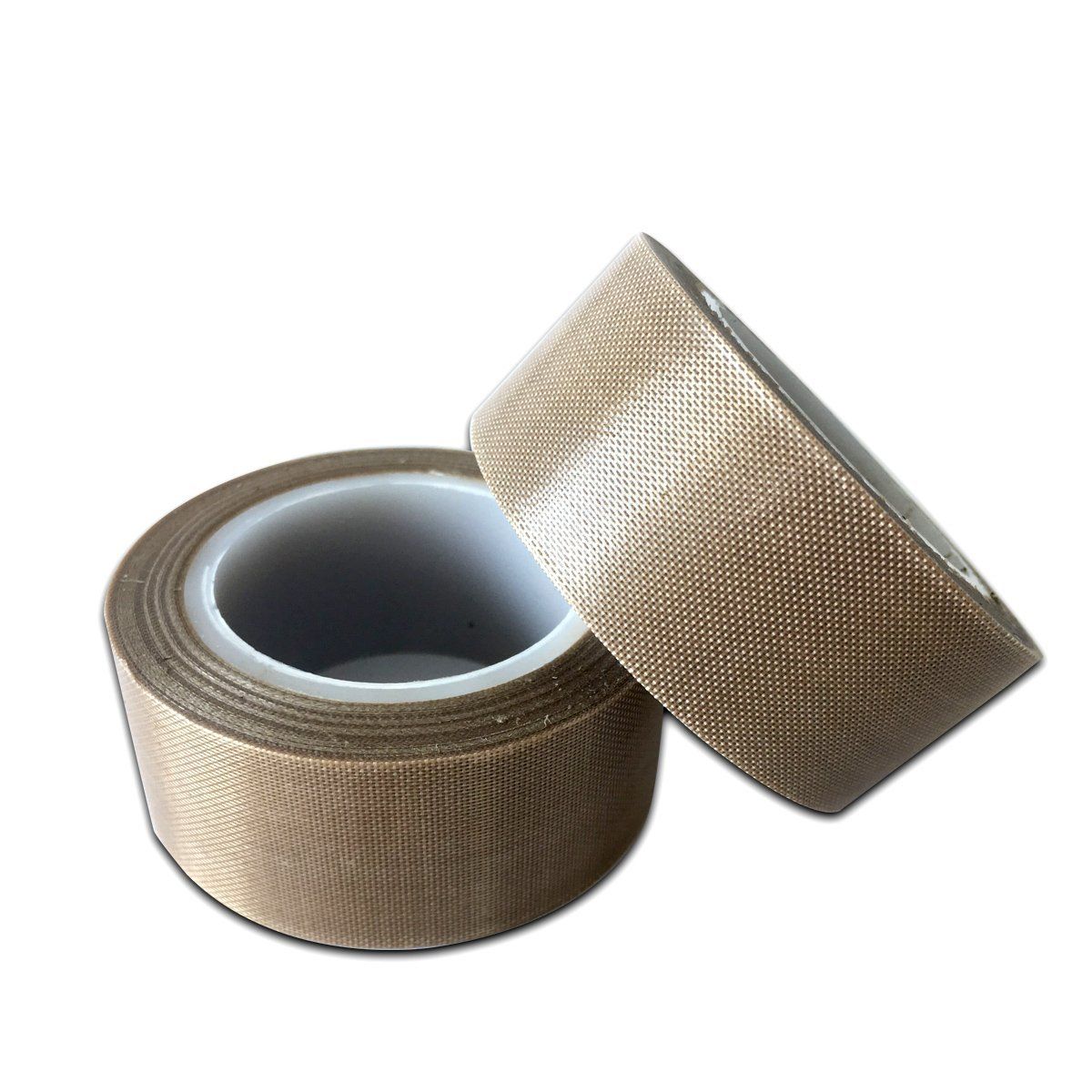
To achieve consistent, verifiable results:
• Surface preparation — remove oils and residues using a validated, non-residual solvent; target <2% surface moisture before application.
• Application method — use a controlled roller (specified pressure and speed) to ensure uniform bonding and eliminate trapped air. For precision zones use pre-slit widths matching machine guides.
• Thermal zoning — document which subassemblies see continuous heat and apply ptfe coated fiberglass high temperature tape only in those zones; mix tape variants within an assembly as required.
• Dynamic interfaces — specify silicone ptfe coated glass cloth tape or reinforced PTFE cloth at motion joints; define inspection checkpoints for edge lift or adhesive migration.
• Lifecycle management — log peel strength and visual checks during initial 30-day pilot; set replacement triggers based on wear markers rather than calendar days.
A short checklist and a two-week pilot validation protocol will avoid surprise failures during scale-up.
Using PTFE tapes properly reduces maintenance, warranty claims, and line stops. Lower friction and reduced wear extend part lifetime and cut spare parts spend. From a regulatory standpoint, choosing high quality ptfe glass cloth tape and validated ptfe coated fiberglass high temperature tape simplifies technical file documentation for FDA and EU MDR: show material specs, sterilization compatibility data, and validation test results to satisfy auditors.
Research into nano-enhanced PTFE fibers and surface-engineered composites aims to lower friction coefficients while improving wear resistance. Adhesive chemistry is also evolving toward adhesives that retain bond after repeated sterilization yet leave minimal residue. Treat PTFE tape as a modular element — mix reinforcement, adhesive type, and coating according to component function — and you’ll reduce lifecycle cost while meeting stricter sterility and durability requirements.
A:Do not rely only on generic chemical-resistance charts. For reactor or aggressive process environments, validation should follow process-specific coupon testing:
Many facilities also keep photo logs + supplier lot traceability for each test set. This creates defendable qualification evidence for QA audits and future supplier comparison.
A:Layered systems typically show clear advantage when more than one failure driver exists simultaneously, such as:
Single-layer PTFE tape may work in low-mechanical-stress chemical isolation scenarios, but once edge stress + thermal movement + chemical ingress combine, layered protection usually extends inspection intervals and improves repair predictability.
A:For critical chemical processing assets, buyers usually prioritize process consistency over headline temperature rating.
Key supplier capabilities to verify include:
In long lifecycle industrial assets, supply stability and traceability often impact downtime risk more than small differences in nominal material specs.