
info@jxgreentape.com

In PCB manufacturing, protecting sensitive circuitry during soldering demands a high-performance material like polyimide tape with silicone adhesive, which offers reliable adhesion under heat and resists chemical exposure. With a polyimide tape temperature rating up to 260 °C (500 °F), it remains dimensionally stable and leaves no residue even after prolonged exposure to reflow processes. Sourced through wholesale polyimide tape suppliers, these materials deliver cost-effective, bulk-accessible solutions without compromising on key dielectric and thermal properties. Renowned brands of kapton tape and specialized kapton masking tape further enhance masking precision on complex board layouts, facilitating clean edge definition and easy tape removal after thermal cycling.
The success of PCB masking depends on the ability of the tape to adhere securely and withstand high temperatures without compromising its masking capabilities. Polyimide tape with silicone adhesive is engineered to provide a strong, flexible bond that adapts to intricate board geometries. Its excellent thermal performance—as indicated by precise polyimide tape temperature ratings—ensures that the tape remains intact even under the intense heat of soldering processes.
For manufacturers looking to balance performance and cost, partnering with reliable wholesale polyimide tape suppliers is essential. These suppliers offer competitive pricing while ensuring that products meet rigorous quality standards. Products such as kapton tape and kapton masking tape are widely recognized for their durability and consistent performance, making them invaluable tools in achieving precise PCB masking.
Accurate PCB masking is critical for preventing solder bridges and ensuring high-quality electrical connections. The advanced adhesive properties of polyimide tape with silicone adhesive allow for rapid and precise application. This efficiency reduces setup time on production lines and minimizes the potential for errors, thereby increasing overall throughput. Furthermore, the controlled adhesive characteristics of kapton tape support a seamless masking process that contributes to higher assembly yields.
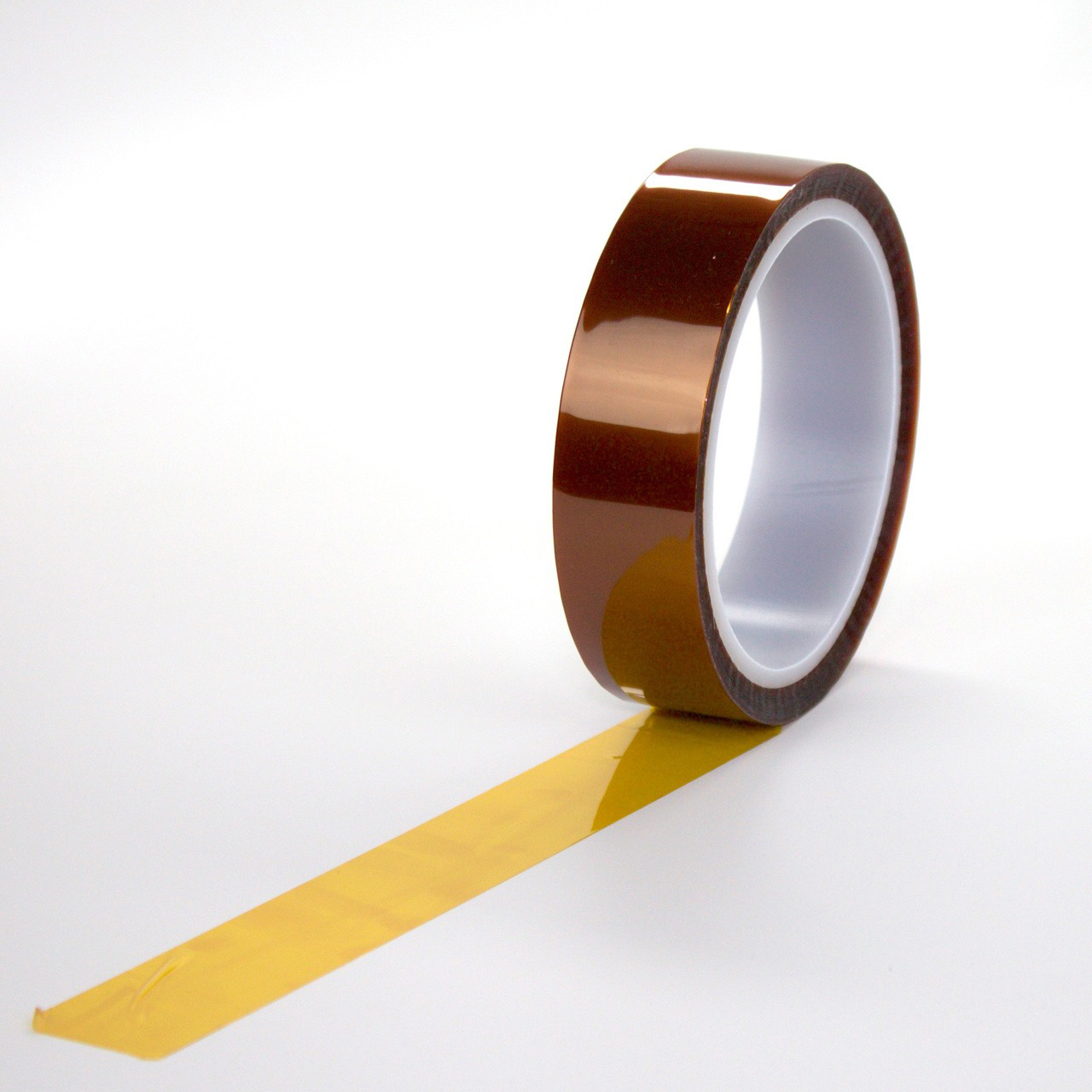
Feedback from leading electronics manufacturers highlights the tangible benefits of advanced PCB masking solutions. One prominent manufacturer reported that the implementation of polyimide tape with silicone adhesive led to a noticeable reduction in solder defects and improved overall board performance. Technicians emphasized that the thermal stability provided by the tape—supported by reliable polyimide tape temperature performance—was key to achieving consistent results.
Additionally, companies sourcing wholesale polyimide tape have observed that products like kapton masking tape simplify the masking process, reducing material waste and increasing operational efficiency. These real-world examples underscore the value of high-quality masking solutions in maintaining production quality and reliability.
Effective PCB masking requires careful attention to detail. Prior to applying polyimide tape with silicone adhesive, PCB surfaces must be meticulously cleaned to remove residues that could hinder adhesion. Applying the tape with consistent pressure and using precise alignment tools are critical steps that ensure a uniform masking layer. Regular inspections during production can help identify any areas where the tape may be deteriorating, allowing for timely reapplication and preventing potential defects.
Training sessions provided by suppliers of kapton tape and kapton masking tape further ensure that production teams are well-versed in the optimal techniques for applying these materials, thereby reinforcing overall product quality.
Investing in advanced PCB masking materials has a direct positive impact on production efficiency and cost-effectiveness. Improved masking leads to fewer rework cycles and higher assembly yields, ultimately reducing the overall cost per board. The durability of polyimide tape with silicone adhesive means that it can be used across multiple production cycles, contributing to long-term savings and a more stable manufacturing process.
As electronics designs become increasingly complex, the demand for advanced PCB masking solutions will continue to grow. Future innovations may focus on further enhancing the adhesive properties and thermal stability of tapes such as polyimide tape with silicone adhesive. Manufacturers who invest in the latest technologies and maintain strong supplier relationships will be well positioned to meet the evolving needs of the industry.