
info@jxgreentape.com
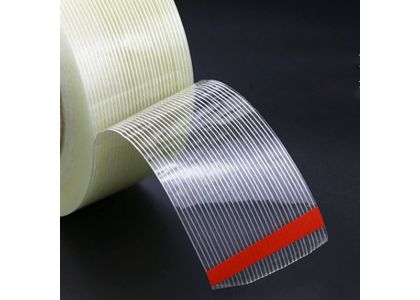
Filament tape is not hard to buy. It is easy to buy wrong.
Many packaging teams start with the headline number first. They compare strength, look at a few quotes, and assume the thicker or more expensive roll must be the safer choice. In real operations, that is often not where problems begin. A tape can look good on paper and still cause trouble because the reinforcement pattern is wrong, the adhesive behavior does not match the surface, or the tape simply does not fit the way the job is actually done.
If you are buying filament tape for industrial packaging, the better question is not “Which premium tape is best?” It is “Which grade fits this load, this surface, and this shipping risk in real packaging operations?”
This sounds basic, but this is where many teams go off track.
If you are bundling long items such as pipes, rods, conduit, or profiles, straight-line holding force matters a lot. In those cases, a uni-directional or mono-directional strapping tape often makes more sense than a product chosen only because it sounds stronger in marketing copy. IPG’s RP3 technical data sheet positions that grade as a uni-directional polyester strapping tape with reinforcements and a pressure-sensitive natural rubber adhesive, and lists applications such as palletizing, bundling pipes, steel coil tabbing, and bundling tubes, conduit, rods, and skis.
If your load may shift or take stress from more than one direction, cross-filament tape deserves a closer look. Public tesa 4591 product information describes it as a bi-directional filament tape designed for bundling, palletizing, and fixing, with good adhesion on several common industrial surfaces including corrugated board and PE/PP. That is exactly why cross-filament structures are often considered when a load does not behave neatly in one direction.
If the tape is mainly being used for temporary holding during manufacturing or shipping, removal behavior may matter as much as raw strength. 3M’s current 8915 technical data sheet describes the tape as a high-performance glass-filament-reinforced product designed to hold appliance parts together during manufacture and shipping, while 3M’s product page also highlights temporary holding and some clean-removal uses on certain surfaces. That is a different buying decision from heavy-duty export bundling or transport securing.
In other words, start with the actual job:
Each of these jobs has different tape requirements. Our industrial packaging solutions page breaks them down by application before you start comparing grades.
Once that is clear, the product list gets much easier to narrow down.
This is one of the most common mistakes.
Tensile strength matters. Public technical data sheets from major brands include tensile and elongation data for a reason, and 3M’s 8915 sheet references ASTM D3759 for tensile strength and elongation, along with ASTM D3330 for adhesion to steel and ASTM D3652 for thickness. But those numbers are not the whole story. 3M also states that technical data should be considered representative or typical only and not used for specification purposes by themselves.
On paper, the numbers may look fine. On the floor, that is often not the real problem. Packaging teams may run into poor unwind, weak bonding to the real surface, inconsistency between shifts, or a tape that is technically strong but awkward in the actual workstation. A lot of tape problems are not tape problems. They are process-fit problems.
Some buyers assume that if the shipment matters, the answer must be a custom filament tape.
Sometimes that is true. Often it is not.
In many packaging projects, the smarter move is to screen a few stock grades first, run a short line trial, and only then decide whether a custom build is necessary. That is usually faster, easier to justify internally, and less risky than jumping straight into a custom spec before the team understands the real failure mode.
A simple example: a pipe-bundling project may not need a custom tape at all if the real issue is directional holding and the team has only been testing the wrong tape structure. In that case, switching from a mismatched grade to a uni-directional strapping tape can solve the problem faster than opening a custom-development loop.
The same tape can behave very differently depending on whether it is used:
This sounds obvious, but it is often overlooked. A tape that performs well in a controlled sample test may still slow operators down or create inconsistency in production if unwind, roll handling, or application angle is never checked. If your operators hate the unwind, the spec sheet will not save the shift.
That is why line-fit matters almost as much as lab-fit.
One reason filament tape articles often go wrong is that they try to rank adhesive systems too simply.
That is not how industrial buyers should think about it.
Public product information shows that mainstream filament tapes use different adhesive systems. 3M’s 8915 uses a synthetic rubber resin adhesive system, while IPG RP3 uses a natural rubber adhesive. That alone is enough to show that the market is not divided into one neat “good adhesive” and “bad adhesive” story. The better question is whether the tape matches the substrate, handling, and transport conditions you actually have.
A more useful checklist looks like this:
For many buyers, the first wrong decision is not adhesive chemistry. It is choosing the wrong reinforcement pattern for the load.
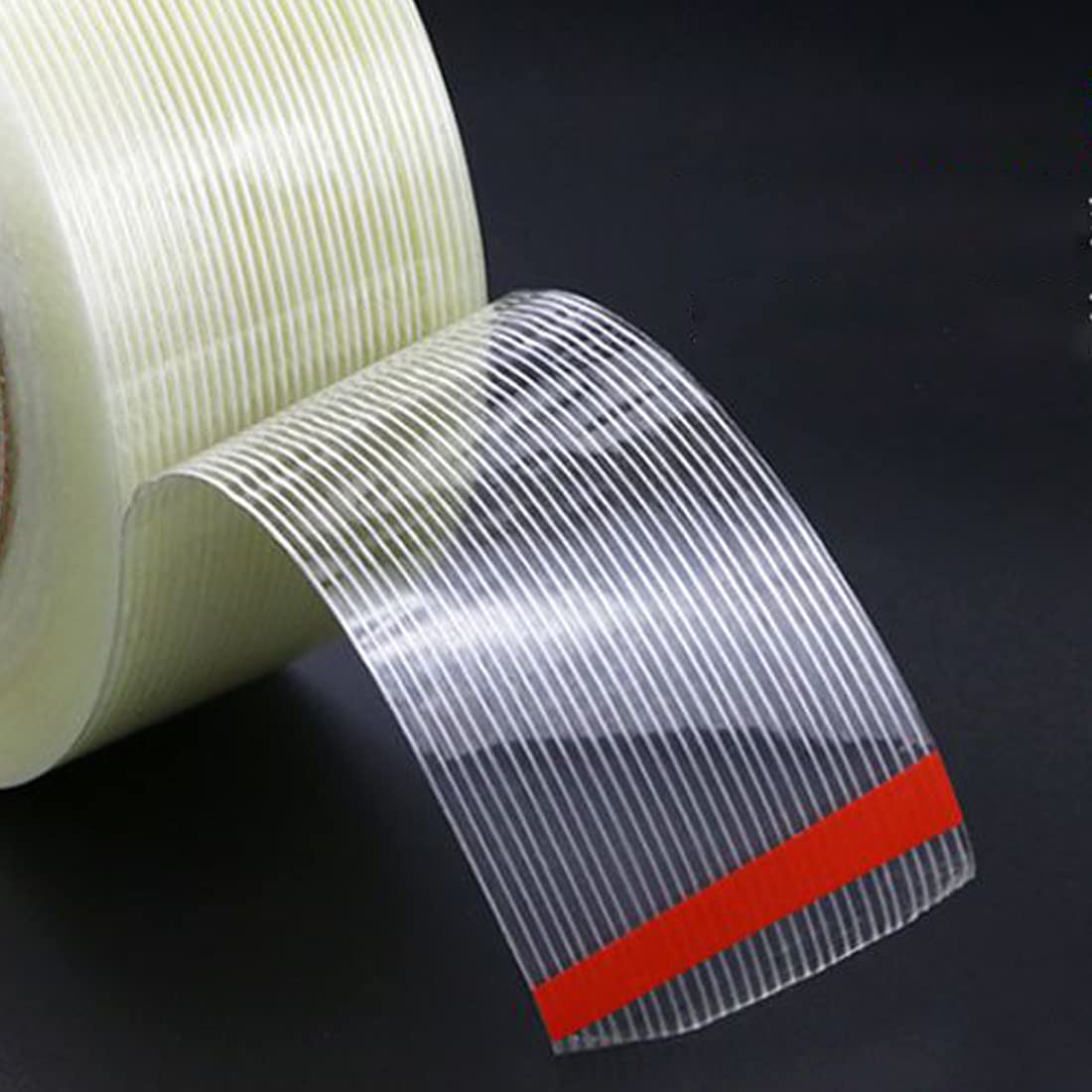
A supplier quote is not enough. If the order matters, ask a few direct questions early.
A real supplier should be able to answer clearly, not just send a generic brochure.
This affects how the tape handles load direction, side-shift, and impact.
Not in theory. In real applications.
At minimum, buyers should be able to review the technical data sheet. Depending on the market and customer requirements, compliance-related information may also matter. IPG’s own article information sheet notes that for its filament tape articles, an SDS is not required under OSHA because the product is considered an article under normal conditions of use, though the document is provided as a courtesy. That is the kind of practical documentation detail a serious buyer should understand early.
If a supplier pushes you straight into a large order without a sensible trial path, that is not a good sign.
It does not need to be fancy. It just needs to be honest.
A good first trial should answer a few basic questions:
A second simple example: a transport-securing job may look like a “buy the strongest tape” project at first. But if the real problem is side-shift from more than one direction, a cross-filament grade can make more sense than chasing a higher headline number on a uni-directional tape.
This is where many buyers save money. Not by chasing the lowest roll price, but by avoiding the wrong grade before it reaches a production order.
The right filament tape is not the thickest roll, the highest quoted strength, or the most expensive offer.
It is the grade that fits the load, the surface, the handling method, and the failure risk you actually have.
That is what good packaging teams buy.
Choose based on load direction. Uni-directional filament tape is often better for straight-line bundling. Cross-filament tape is often a better fit when the load may move or take stress from more than one direction. Public product literature from IPG and tesa reflects that difference in positioning.
Usually after stock grades have been screened and tested. Custom makes sense when standard products cannot solve a specific failure pattern, not just because the shipment is valuable.
Because real-world performance depends on more than tensile strength. Surface fit, unwind, application consistency, storage, and transport conditions all matter. Major manufacturers also note that technical data should be treated as representative or typical, not used alone as a final specification decision.
In practice, the terms can overlap in industrial packaging, especially for reinforced tapes used for bundling and securing. What matters more is the actual structure, reinforcement direction, adhesive system, and intended application listed in the product data sheet. IPG RP3, for example, is specifically presented as a uni-directional polyester strapping tape with reinforcements.
At minimum, ask for the technical data sheet. Depending on the project and market, you may also need compliance-related documents or product information that explains how the item is handled from a regulatory standpoint.
Test it on the real substrate, with the real application method, under realistic handling conditions. A short, practical line trial usually tells you more than a polished sales sample.
· 3M Scotch Filament Tape 8915 TDS: application positioning, adhesive system, and ASTM test references including D3330, D3652, and D3759.
· IPG RP3 TDS: uni-directional PET strapping tape, natural rubber adhesive, palletizing, bundling pipes, and steel coil tabbing.
· tesa 4591 Product Information: bi-directional filament tape for bundling, palletizing, fixing, and adhesion on several industrial surfaces.