
info@jxgreentape.com
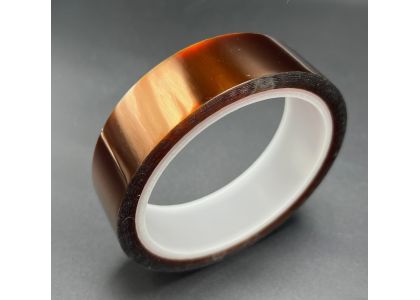
When a fiber-optic cable or an aerospace harness fails, consequences range from degraded signal performance to mission-critical system outages. That is why many engineers specify Premium quality PI tapes early in the design phase. These polyimide-based films provide a unique balance of thermal stability, electrical insulation and mechanical endurance. Whether you are deploying thousands of meters of cable in a data center or assembling harnesses for aircraft avionics, selecting the right Kapton tape or Polyimide film — and when required a Custom polyimide tape — reduces rework, simplifies assembly and increases long-term reliability.
This opening decision must be informed by test data and field experience. Good practice is to qualify materials (film and adhesive) under representative thermal, mechanical and chemical conditions before committing them to high-volume production.
Polyimide films and tapes have several attributes that make them particularly well suited to fiber optics and aerospace harnessing:
Thermal endurance: high glass transition and continuous-use temperatures—so materials do not creep or embrittle under elevated temperatures. Many engineering teams specify Premium quality PI tapes to maintain dielectric integrity in ovens, ovens and thermal cycling.
Electrical insulation: excellent dielectric strength per unit thickness, which helps maintain clearance and creepage margins in dense harnesses. This is why Kapton tape repeatedly appears on electrical insulation BOMs.
Dimensional stability and low outgassing: aerospace systems require materials with minimal volatile condensable materials; high-grade Polyimide film meets stringent outgassing limits used by space programs.
Chemical and solvent resistance: adhesives and films that tolerate fluxes, cleaning solvents and conformal coatings reduce the risk of delamination. A Custom polyimide tape can be specified with adhesive chemistry that balances clean removal and thermal tolerance.
Thin profile and mechanical protection: the tapes add protection without consuming valuable bundle cross-section — ideal for tightly packed fiber and copper runs.
Combined, these properties make polyimide an economical foundation for protective layers, cable splices, patch panels and harness supports.
In fiber optics, requirements are precise: microbends, tensile stress and contamination can all degrade signal quality. Effective use cases for Kapton tape include:
In each of these roles, the objective is the same: preserve optical attenuation and minimize maintenance over the life of the plant.
Aerospace harnesses demand materials that survive vibration, thermal cycles, fuels and hydraulic fluids. Key uses for Premium quality PI tapes in aerospace harnessing:
Phase and ground isolation: high dielectric strength Polyimide film provides consistent insulation in high-voltage sections of harnesses.
Thermal shields for harnesses routed near engines, heaters or avionics bays: wraps of Kapton tape protect cable jacket compounds and fiber jackets from heat spikes.
Abrasion and cut resistance: layered with a woven overbraid or overmold, polyimide films preserve harness integrity at penetration points and along tight bends.
Identification and assembly aids: Custom polyimide tape can be printed or color-coded for assembly sequencing while maintaining compatibility with thermal cycles.
Aerospace programs also require traceable supply chains and lot documentation; selecting a vendor that can supply test reports for each batch of Polyimide film is essential for certification and audits.
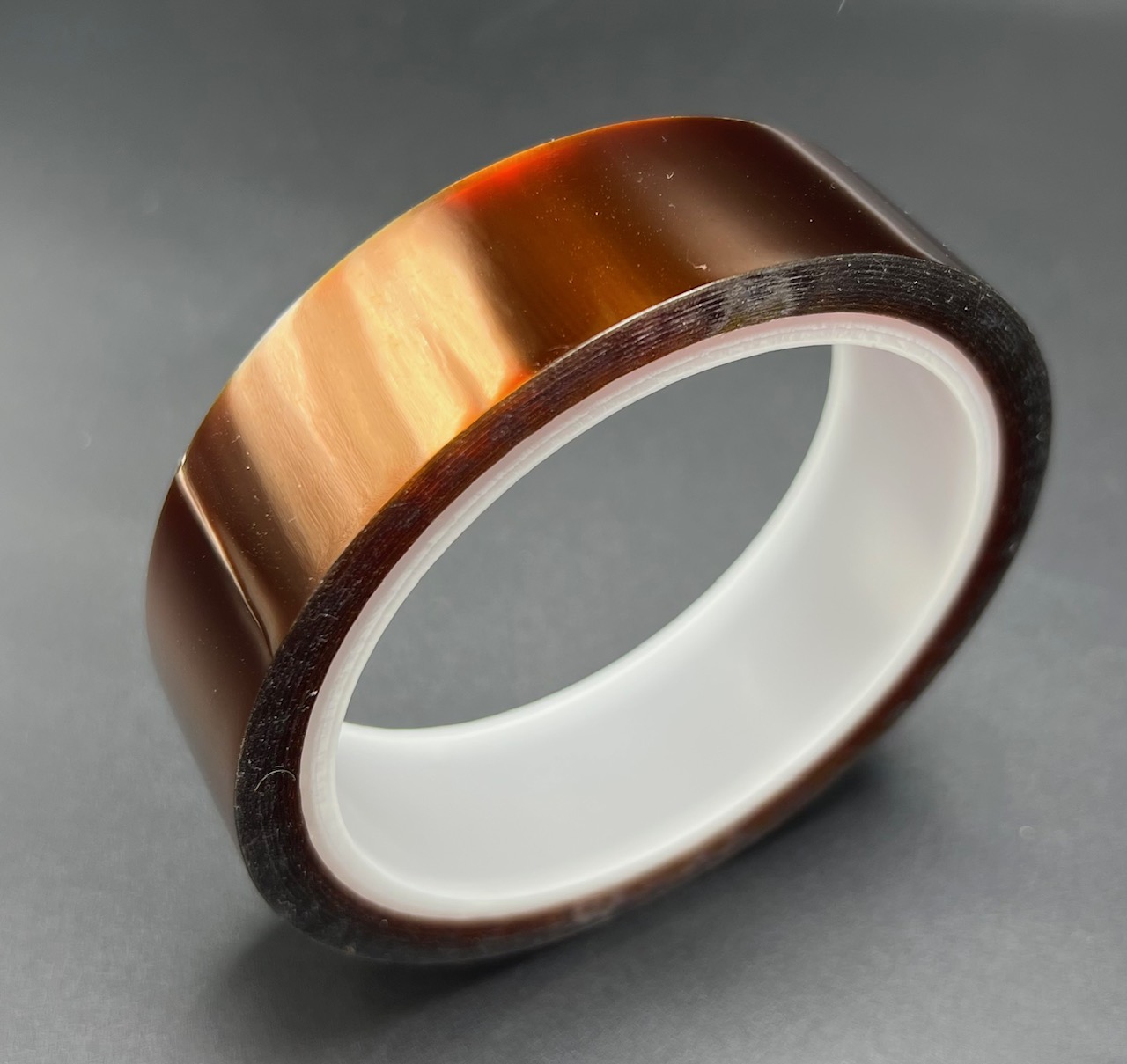
When evaluating materials, engineers should request and verify objective test data:
If the application is safety critical, demand independent or third-party test certificates. For bespoke installations, a Custom polyimide tape datasheet should include adhesive composition, recommended cure cycles, and removal characteristics to allow process engineers to design reliable assembly steps.
Selecting the right supplier matters as much as material selection:
Procurement teams that partner early with engineering often find cost savings through optimized roll widths, die-cut parts and reduced waste.
A regional telecom operator needed to upgrade a backbone through a high-temperature tunnel. Frequent splice failures were traced to localized heat exposure and bundle abrasion. The engineering team specified Kapton tape as a protective wrap over splice trays and along cable runs near heaters. After qualification trials using a Premium quality PI tape, splice loss events dropped 80% over 12 months. The operator reported reduced truck rolls and lower mean time to repair (MTTR).
An aerospace integrator required harness materials that met strict outgassing limits and could survive prolonged radiation and thermal cycling. They sourced Polyimide film and worked with a supplier to produce a Custom polyimide tape featuring a high-temperature silicone adhesive for specific connector interfaces. The harnesses passed vibration and thermal vacuum tests with margins exceeding mission requirements. The supplier’s batch certificates and traceability records were critical for the project’s flight acceptance.
Bringing Premium quality PI tapes, Kapton tape, Polyimide film and Custom polyimide tape into a project delivers clear technical benefits: thermal robustness, electrical insulation, and mechanical protection without excessive bulk. To realize those benefits in the field, follow a disciplined qualification program, demand transparent supplier documentation, and prototype early with the exact tape construction you intend to use.
Engineers who combine technical evaluation (TGA, dielectric and peel testing) with pragmatic procurement (pilot runs, lot traceability, and supplier audits) reduce risk and speed time to reliable deployment.