
info@jxgreentape.com
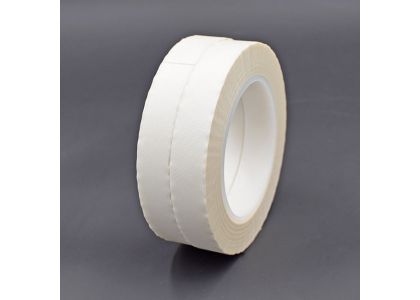
Most tape problems do not begin as dramatic failures. A worker notices one edge lifting near a warm motor. A maintenance team opens a control cabinet and finds sticky residue where the tape was supposed to stay clean. A wire bundle that looked fine during installation starts to loosen after heat, vibration, or repeated service. By the time someone asks whether PVC electrical tape was the right choice, the real cost is no longer the tape price.
That is where the comparison between glass cloth electrical tape and PVC electrical tape becomes practical. This is not about saying one tape is always better. PVC electrical tape still makes sense for general wrapping, marking, and low-risk insulation work. Glass cloth electrical tape becomes worth considering when heat, abrasion, dimensional stability, or mechanical support can affect safety and service life.
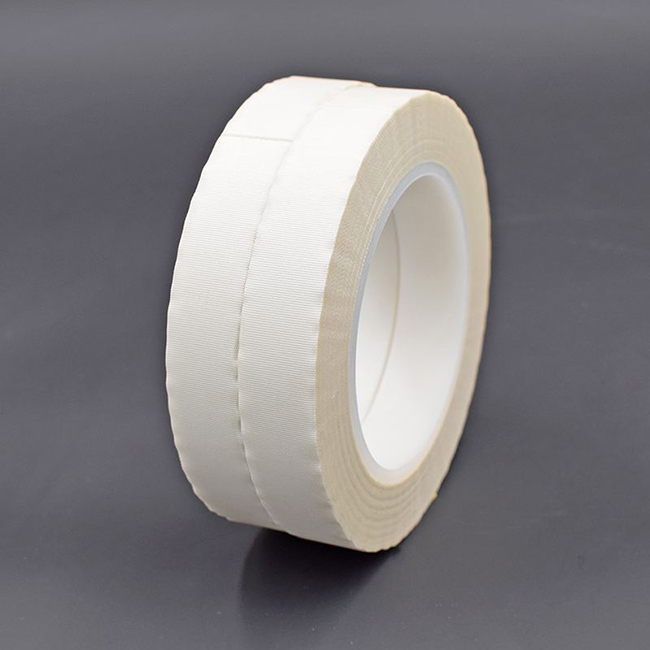
This article mainly compares glass cloth electrical tape with standard PVC electrical tape. PVC tape is usually selected for flexibility, hand application, lower cost, and everyday wrapping. Glass cloth tape uses a woven fiberglass backing, so it behaves differently. It is stronger, less stretchable, and usually selected when the tape must hold its shape under heat or mechanical stress.
PVC electrical tape should not be dismissed. For cable marking, temporary wrapping, light-duty wire bundling, or low-risk indoor maintenance, it may be enough. It is flexible, easy to stretch around irregular shapes, and usually easier to apply without tools.
The issue starts when PVC tape is used outside its comfort zone. In hotter areas, near motors, inside control cabinets, or around parts exposed to repeated service, buyers should be more careful. Depending on grade and working condition, film-based tape may soften, creep, shrink, lose tension, or leave adhesive residue. That does not make PVC tape “bad.” It simply means it should not be treated as a universal electrical insulation tape for every industrial environment.
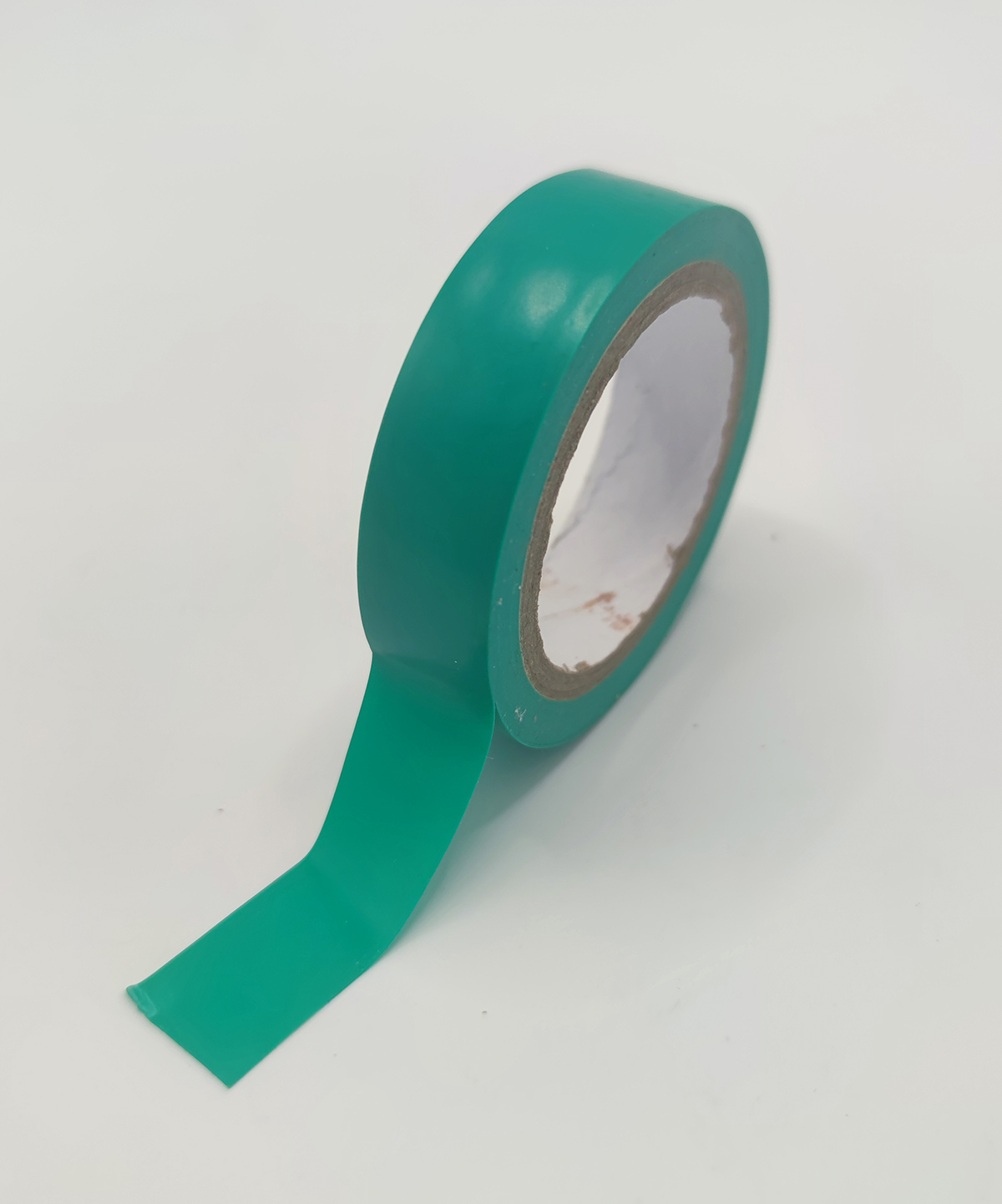
Glass cloth electrical tape is usually considered when the application needs more structure. The woven glass backing gives the tape mechanical strength and dimensional stability that PVC film cannot provide in the same way.
This matters in motor lead protection, coil wrapping support, transformer insulation assistance, high-temperature masking, control cabinet work, and certain appliance or industrial harness areas. The buyer is not only paying for adhesive. They are paying for a backing material that resists tearing, stretching, and movement better under demanding conditions.
The higher price can be reasonable when tape failure would create rework, downtime, contamination, or safety risk. But glass cloth tape still must be matched by adhesive type, thickness, surface, and service condition.
|
Factor |
PVC Electrical Tape |
Glass Cloth Electrical Tape |
Buyer Note |
|
Backing behavior |
Flexible and stretchable |
Stronger, less stretchable |
Choose by wrapping need and mechanical stress |
|
Heat exposure |
Lower-risk general work |
Better candidate for hotter areas |
Confirm the exact grade datasheet |
|
Abrasion resistance |
Moderate |
Usually stronger |
Test if edges or vibration are present |
|
Removal condition |
May leave residue |
Also depends on adhesive system |
Do not assume “clean removal” |
|
Application fit |
Marking, wrapping, light-duty insulation |
Motors, coils, cabinets, high-temp support |
Match actual system requirements |
Many sourcing mistakes happen because buyers ask only for “glass cloth tape” and ignore the adhesive system. The backing is important, but the adhesive decides how the tape bonds, ages, removes, and behaves on the actual surface.
Silicone adhesive glass cloth tape is commonly selected where heat resistance and cleaner performance after heat exposure are important. It may be a better starting point for high-temperature masking, oven exposure, or electrical insulation support where ordinary adhesive systems may struggle. Still, silicone adhesive is not magic. Adhesion on plastics, metals, varnished surfaces, powder-coated parts, or low-surface-energy materials should be tested before approval.
Rubber adhesive glass cloth tape can offer strong initial tack and useful holding power in many general electrical applications. It may work well when quick bonding is needed and the temperature demand is not extreme. But if the tape will remain under heat for a long period, the buyer should confirm aging behavior and residue risk.
Acrylic adhesive glass cloth tape may be considered for certain aging-resistant or cleaner-removal applications, depending on formulation. It should not be described as residue-free by default. Actual residue depends on temperature, dwell time, surface energy, pressure, and removal method.
Before approving a glass cloth electrical tape for industrial use, buyers should ask for more than a product name. For a broader sourcing framework, review our electrical insulation tape buying guide before comparing individual tape grades.
At minimum, review total thickness, backing thickness, adhesive type, peel adhesion, tensile strength, dielectric strength or breakdown voltage, temperature resistance, roll width, roll length, and slitting tolerance.
For regulated or customer-specified projects, ask what documents are available. That may include RoHS, REACH, UL-related information, flame-retardancy data, or test reports, but only if the exact grade actually supports them.
Two tapes can both be called glass cloth electrical tape but perform differently because of adhesive coating weight, fabric construction, curing process, or slitting quality. If the tape will be used in electrical insulation, request samples from the exact production grade, not a “similar” stock roll.
The most expensive problems often come from casual substitution. A buyer may replace glass cloth tape with PVC tape because the width looks similar and the unit price is lower. That might work for a simple wrap, but it can fail in heat or under mechanical load.
There is also a common misunderstanding around “temperature resistance.” A number on a datasheet is not the whole story. Useful performance depends on exposure time, pressure, surface type, electrical requirement, tape tension, and whether the application is temporary masking or long-term insulation support.
If the tape is used in a motor, transformer, or other critical electrical system, approval should be based on actual samples and application testing, not only on the product name.
If you are troubleshooting lifting, residue, or insulation tape failure after heat exposure, see our electrical insulation tape failure analysis.
For motor and coil work, glass cloth electrical tape can help with mechanical holding, lead protection, and insulation support. Confirm whether the tape will contact varnish, resin, oil, or other materials in the system. If the process includes heat curing or impregnation, test the tape through the same process before approval.
For transformer-related applications, glass cloth tape may be used for wrapping, fixing, or supporting certain insulation areas. It should not be presented as a replacement for the whole insulation design. Engineers still need to consider paper, film, varnish, resin, oil, creepage distance, and required test data.
In control cabinets and busbar-adjacent areas, the main concerns are heat, abrasion, clearance, and long-term stability. Glass cloth tape can be useful where ordinary tape may move or degrade, but poor surface cleaning, uneven pressure, or sharp edges can reduce performance.
For cable harnesses, some jobs need flexibility, noise reduction, or easy hand wrapping, where PVC or fabric harness tape may be more practical. Glass cloth tape is better reserved for higher heat or abrasion zones.
If the job is basic wrapping, color coding, or low-risk indoor wiring, PVC electrical tape may be the practical choice. If heat, abrasion, mechanical strength, or dimensional stability matters, glass cloth electrical tape deserves serious consideration. If the tape must be removed after heat exposure, test silicone and acrylic adhesive options under the real dwell time and surface condition.
If the tape is part of a long-term electrical insulation system, ask for data and samples before approving bulk orders. The best choice is not the tape with the most impressive description. It is the tape that survives the real application with the least risk.
For grade selection, send your working temperature, substrate, thickness requirement, adhesive preference, roll width, roll length, electrical requirement, expected service time, and whether the tape is used for temporary masking or long-term insulation support. Photos of the application area are also helpful.
A serious electrical insulation tape supplier should be able to discuss grade selection, sample testing, custom slitting, packaging, and document availability before asking you to place a large order. Share your application details, and ask for a suitable glass cloth electrical tape option for internal testing.
Is glass cloth electrical tape always better than PVC electrical tape?
No. Glass cloth electrical tape is stronger and more stable under heat or abrasion, but PVC electrical tape is still practical for general wrapping, marking, and flexible low-risk insulation.
When should I move from PVC electrical tape to glass cloth electrical tape?
Consider glass cloth tape when PVC tape starts to soften, shrink, lift, leave residue, or lose shape near heat, vibration, or sharp edges.
Should I choose silicone, rubber, or acrylic adhesive glass cloth tape?
Start with the application. Silicone adhesive is often considered for heat and cleaner performance after exposure. Rubber adhesive may offer stronger initial tack. Acrylic adhesive may suit some aging-resistant or cleaner-removal uses. Test the exact grade.
Can glass cloth electrical tape be used in motors or transformers?
It can be used for certain lead protection, wrapping, fixing, or insulation support jobs, but it should not be treated as a complete insulation system by itself.
What information should I send to a supplier before asking for a recommendation?
Send the working temperature, substrate, required thickness, adhesive preference, electrical requirement, roll width, roll length, expected service time, and whether the tape is used for temporary masking or long-term insulation support.