
info@jxgreentape.com
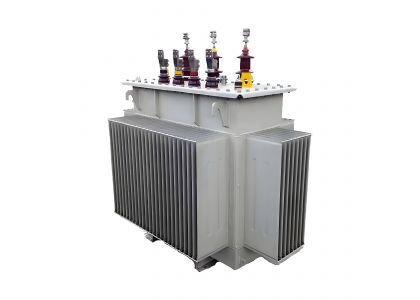
In power and distribution transformers, tape is not selected because it is simply “sticky.” It is part of a larger insulation and assembly system. Buyers may need adhesive tape to hold layer insulation in place, secure leads, band coils, wrap conductors, protect edges, or support insulation materials during winding, drying, impregnation, or final assembly.
This guide focuses on adhesive tapes for power transformer insulation materials, including distribution, dry-type, and oil-filled transformer applications. It is not mainly about small electronic transformers, PCB masking, or general shop-floor electrical tape. That distinction matters. A tape that works on a small coil may not be suitable near transformer oil, varnish, pressboard, glass cloth, winding conductors, or higher thermal stress.
The better question is not only “what is tape in transformers?” It is: what job must the tape perform, what insulation material does it touch, and what process will it see?
Adhesive tapes are used in several areas of transformer construction. In layer insulation, tape may help hold paper, film, or pressboard-based insulation in position during winding. For interwinding insulation, it may support separation between winding sections or prevent insulation parts from shifting before the next process step.
Conductor wrapping is another common area. The tape may provide local insulation support, abrasion protection, or mechanical holding where conductors, leads, or winding exits need extra stability. Lead securing is especially practical: a tape may not be the primary dielectric barrier, but it can keep a lead or small insulation component from moving during assembly.

Coil banding and mechanical fixation are also important. In these jobs, tensile strength, conformability, and long-term holding power can matter as much as electrical properties. Public transformer insulation suppliers also describe adhesive dielectric tapes for uses such as layer insulation, conductor bundling, lead securing, and oil-filled or dry-type transformer designs.
There is no single “transformer tape” for every job. Polyester film tape is often used where thin insulation, dimensional stability, and clean wrapping are needed. Some electrical transformer tapes are based on polyester film and are positioned for oil-filled transformer insulation applications, depending on adhesive system and product design.
Glass cloth tape or fiberglass tape is normally considered when heat resistance, abrasion protection, or mechanical durability is important. It may be useful around coil areas, leads, or locations exposed to friction during assembly. However, fiberglass tape still needs the right adhesive and process compatibility. A glass backing alone does not prove that the tape fits your transformer design.
Filament reinforced tape is different. It is useful when mechanical reinforcement is a key requirement, such as coil banding, lead holding, outer wrapping, or supporting insulation pieces during handling. It should not be treated as a universal replacement for dielectric insulation paper, aramid insulation, mica systems, or properly specified adhesive dielectric tape.
In power and distribution transformer insulation systems, buyers may also encounter specialty adhesive dielectric tapes, aramid-based insulation materials, mica-based insulation systems, and other engineered constructions. These are not interchangeable with general filament or fiberglass tapes. The right choice depends on the application position, transformer design, oil or varnish exposure, and the required insulation system.
If you are comparing polyester film, glass cloth, fiberglass reinforced, and filament reinforced constructions, see our material comparison for electrical insulation tapes before treating similar names as interchangeable.

Dry-type and oil-filled transformers do not expose tape to the same environment. In dry-type designs, buyers often pay close attention to thermal exposure, mechanical holding, resin or varnish processes, and how the tape behaves during coil assembly. The tape may need to survive heat, pressure, winding tension, and long-term vibration without lifting or embrittlement.
Oil-filled transformers add another filter: oil compatibility. The adhesive and backing must be evaluated for swelling, softening, adhesive migration, or loss of holding power in transformer oil. Some suppliers offer oil-resistant transformer tapes with thermosetting acrylic or other oil-compatible adhesive systems, but buyers should verify the exact product data and curing requirements before approval. Public supplier literature for oil-filled transformer tapes describes polyester film, polyester-glasscloth laminate, and glass-filament constructions using oil-resistant adhesive systems.
Do not select tape only by dielectric strength. A tape with good electrical data may still fail if it curls during winding, loses adhesion after oil exposure, or creates too much thickness buildup in a tight insulation design.
If the current tape shows curling, adhesive loss, edge lifting, or poor holding after oil or varnish exposure, use our adhesive tape failure analysis for insulation applications to narrow down the likely cause before changing material blindly.
Before bulk ordering, ask for a technical data sheet, not just a product name. At minimum, request backing material, adhesive system, total thickness, adhesive thickness if available, dielectric strength or breakdown voltage, tensile strength, elongation, peel adhesion, shear adhesion, roll width, length, core size, shelf life, and storage conditions.
For power transformer insulation materials, buyers should also ask about varnish compatibility, oil compatibility, thermal class or operating temperature rating, slitting tolerance, batch traceability, and lot-to-lot consistency. If the tape contacts pressboard, crepe paper, polyester film, glass cloth, conductor insulation, or resin systems, tell the supplier. Compatibility depends on the whole insulation system.
If a supplier only says “high temperature” or “strong insulation,” push for data. Those phrases are not enough for engineering approval. You need test method references, sample rolls, and a clear statement of intended use.
When the buyer asks for dielectric data, thermal class references, or insulation system documentation, check the relevant electrical insulation tape standards and certification references before treating a tape grade as approved.
Filament tape earns its place when mechanical reinforcement matters. It can help hold coils, secure leads, reinforce outer wraps, or keep insulation parts stable during handling. For applications focused on coil banding, lead holding, and mechanical reinforcement, buyers can review our filament reinforced tape for transformer coil banding options before requesting samples.In some constructions, filament reinforced tape may combine a film or glass-cloth laminate with reinforcement and a pressure-sensitive adhesive.
But filament tape is often misunderstood. It should not be sold as the answer to every transformer insulation problem. If the job is primary dielectric separation, layer insulation design, high-voltage stress control, or oil-filled transformer insulation, the tape must be evaluated inside the actual insulation system. Mechanical strength is useful, but it is not the same as dielectric design.
A practical rule: use filament tape when holding, banding, tensile support, or mechanical stability is the problem. Use a specified dielectric insulation tape or insulation material when electrical separation is the main requirement. When both are needed, test the full construction.
One common mistake is choosing by temperature rating alone. Temperature matters, but the adhesive system, backing, thickness, oil or varnish exposure, and application position can change the result.
Another mistake is treating all fiberglass tape as the same. Glass cloth tape, fiberglass reinforced tape, and filament reinforced tape can behave differently in wrapping, cutting, conformability, and adhesion. The words sound similar, but the constructions may not be interchangeable.
Buyers also over-focus on thickness. Thicker tape may improve puncture resistance or handling strength, but it can reduce flexibility, increase space buildup, and make winding less tidy. For transformer work, the “best” thickness is the one that fits the electrical, thermal, and process requirement together.
The last mistake is ignoring process reality. If operators apply tape under inconsistent tension, on dusty insulation material, or after the surface has absorbed moisture, even a good tape can fail.
A supplier can give a better recommendation when you provide real application details. Send the transformer type, such as power transformer, distribution transformer, dry-type transformer, or oil-filled transformer. Describe where the tape will be used: layer insulation, conductor wrap, lead securing, coil banding, outer wrap, edge protection, or repair.
Also share the insulation material it touches, required width and thickness, winding or wrapping method, operating temperature or thermal class target, exposure to oil, varnish, resin, or drying process, and any current failure problem. Photos help. A short video of the winding or wrapping process helps even more.
For B2B purchasing, ask for sample rolls before approval. Test the tape on the actual insulation material, not only on steel or a clean lab panel. If the tape will be used in multiple factories, check repeatability across batches.
For buyers building a broader sourcing checklist, our industrial adhesive tape buying guides cover RFQ details, sample testing, and material comparison across other tape applications.
Is transformer tape the same as ordinary electrical tape?
No. Ordinary electrical tape is not automatically suitable for transformer insulation materials. Transformer applications may involve thermal stress, dielectric requirements, oil or varnish exposure, winding pressure, and long-term mechanical holding. Buyers should verify product data and intended use.
What tapes are commonly used with power transformer insulation materials?
Common options include polyester film tape, glass cloth tape, fiberglass tape, filament reinforced tape, aramid-related insulation tapes, mica tape, and specialty adhesive dielectric tapes. The right choice depends on the application position and transformer design.
Can filament tape be used for transformer insulation?
Yes, in some support roles. Filament tape can help with coil banding, lead securing, outer wrapping, and mechanical reinforcement. It should not be assumed to replace primary dielectric insulation unless the full insulation system has been evaluated.
What should buyers check for oil-filled transformer applications?
Check oil compatibility, adhesive stability, backing material, curing or heat-setting requirements, dielectric data, and long-term adhesion. Do not assume that a tape suitable for dry-type transformer assembly will also perform in transformer oil.
How do I choose tape thickness for transformer insulation?
Start from the application position. Thickness affects space buildup, flexibility, puncture resistance, wrapping control, and sometimes dielectric performance. Buyers should compare samples on the actual winding or insulation material before bulk ordering.
· ASTM D149 / IEC 60243 — Dielectric breakdown voltage and dielectric strength of solid electrical insulating materials. Dielectric strength is generally expressed as voltage per unit thickness.
· ASTM D3330/D3330M — Peel adhesion testing for pressure-sensitive adhesive tapes.
· ASTM D3654/D3654M — Shear adhesion under constant load for pressure-sensitive tapes.
· ASTM D3759/D3759M — Breaking strength and elongation of pressure-sensitive tapes.
· IEC 60076 series — General transformer standard series; use customer specifications to confirm which parts apply.
· UL 1446 — Insulation system evaluation reference; do not claim compliance unless your product or system has supporting documentation.
If you are selecting adhesive tape for power or distribution transformer insulation materials, send your transformer type, tape location, insulation material, width, thickness, operating environment, and oil or varnish exposure. A sample-based recommendation is safer than choosing by material name alone.