
info@jxgreentape.com
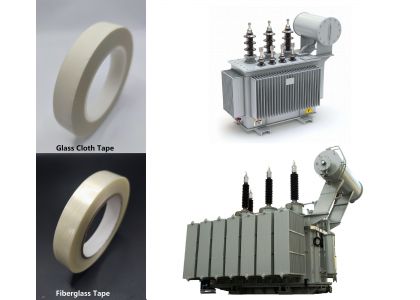
Many buyers start with a simple question: “What transformer insulation tape thickness should I use?” It is a fair question, but it is not enough to approve a tape for power transformer insulation work.
Thickness affects coil buildup, wrapping control, puncture resistance, and how the tape behaves during winding or assembly. But it does not prove that the tape has the right insulation performance. A 0.13 mm tape and a 0.17 mm tape may look easy to compare in a quotation, yet their real behavior can be very different if the backing material, adhesive system, reinforcement, and test method are different.
Buying transformer tape by thickness alone is a common sourcing mistake.
For power and distribution transformer applications, buyers should ask a more practical question: what job must the tape perform, what insulation material will it touch, and what data proves it can survive the actual process?
Transformer tape thickness does matter. It can influence mechanical protection, wrapping feel, space buildup, and local support around leads, winding exits, or insulation edges.
In some positions, a slightly thicker tape may provide better handling strength or puncture resistance. In other positions, that extra thickness may become a problem. A power transformer winding does not have unlimited space. Too much buildup can make the coil less compact, affect wrapping neatness, or create uneven areas where the tape overlaps.
This is why electrical insulation tape thickness should be treated as one variable in the selection process, not as the final answer.
For lead anchoring, thickness may help, but adhesion and tensile strength often matter more. For layer insulation support, a clean and controlled profile can be more valuable than simply adding more material. For outer wrap protection, the buyer may need to consider abrasion, heat exposure, and adhesive stability together.
A serious tape review should never stop at total thickness.
A thicker tape may show a higher breakdown voltage in some test conditions, but that does not mean thicker is always better for transformer insulation.
The dielectric strength of insulation tape depends heavily on the tape construction. A polyester film-based electrical tape, an electrical-grade glass cloth tape, a filament-reinforced electrical tape, and a paper-backed or composite filament tape may have similar total thicknesses but serve different transformer jobs.
Backing material affects dielectric behavior, flexibility, tear resistance, and heat performance. The adhesive system affects bonding, aging, oil or varnish compatibility, and how the tape behaves after assembly. Reinforcement may improve mechanical holding, but it does not automatically make the tape a primary dielectric barrier.
This is where sourcing errors happen. Two suppliers may quote the same transformer tape thickness, but one construction may be intended for thin insulation support while another is mainly built for mechanical holding. On paper, both may look comparable. In production, they may solve different problems.
A better rule is simple: thickness describes the tape; it does not qualify the tape.
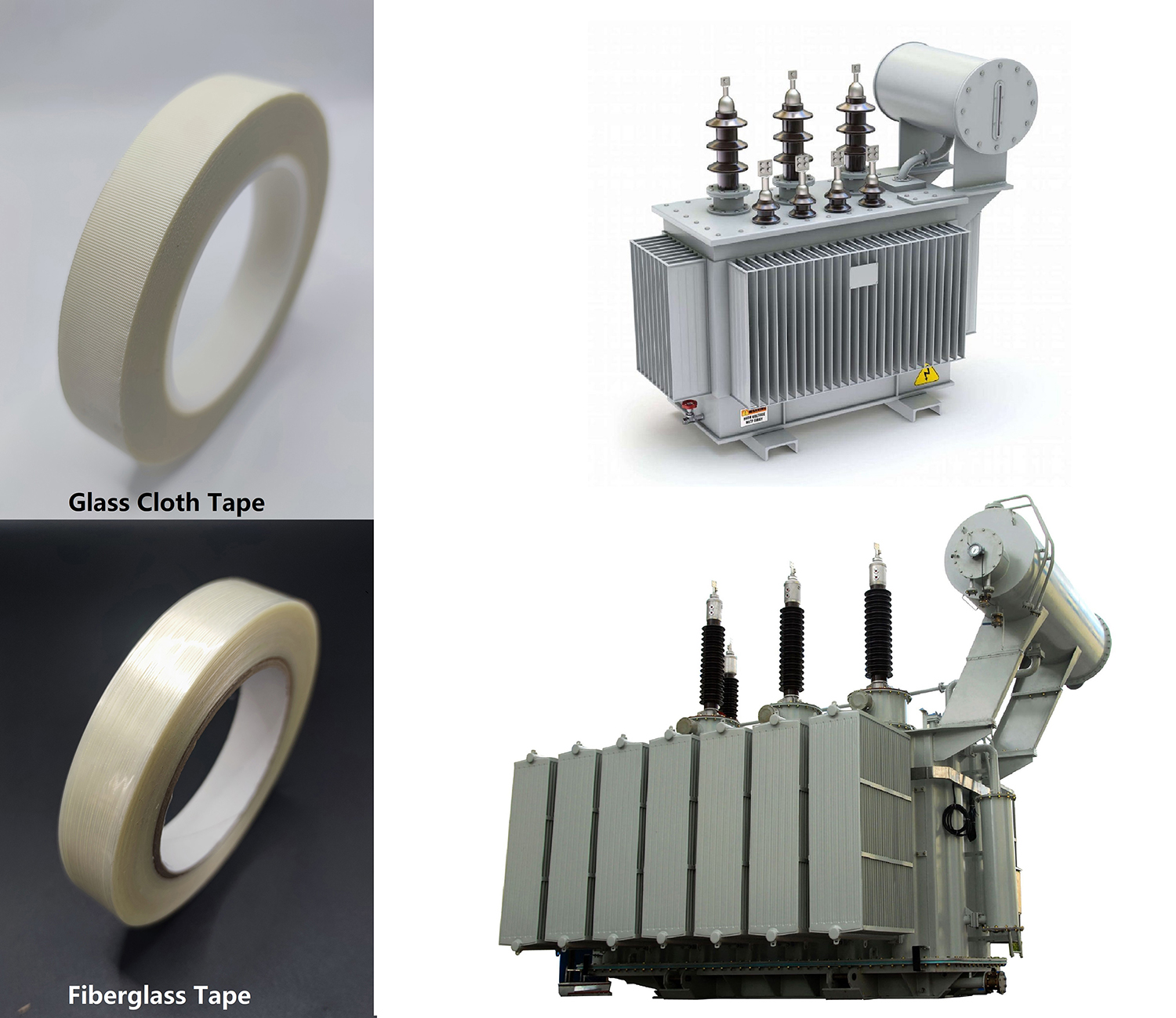
Buyers often see dielectric breakdown, breakdown voltage, or dielectric strength on a technical data sheet. These terms are related, but they should not be treated as the same thing.
Breakdown voltage is the voltage at which a test sample fails under stated test conditions. It is usually reported as a voltage value. Dielectric strength is commonly expressed as voltage per unit thickness, depending on the test method and reporting format.
Test methods such as ASTM D149 or IEC 60243 are commonly used as references for dielectric breakdown testing of insulating materials. However, these are test references, not automatic approvals for every transformer design. In practice, the number only helps when buyers also know the tape construction, sample thickness, application position, and actual insulation system.
This distinction matters because buyers sometimes treat dielectric breakdown voltage data for the tape as if it were the same as working voltage. That is unsafe. A lab breakdown value is not the same as transformer operating voltage or insulation system approval. Real transformer applications involve winding geometry, heat, aging, oil or resin exposure, and system-level insulation design.
When reviewing dielectric data, ask:
· What test method was used?
· What sample thickness and construction were tested?
· Is the value only a material property, or is there system-level approval data?
Those questions prevent the supplier and buyer from talking past each other.
If two tapes share the same thickness, they may still be built for completely different transformer jobs.
Polyester film-based electrical tapes may be used where a thin profile, clean wrapping, and dimensional stability are needed, such as layer support, conductor wrapping, or selected coil insulation positions. But the adhesive system still decides whether the tape fits the actual winding, drying, varnish, or oil exposure process.
Electrical-grade glass cloth tape, depending on grade and adhesive system, is often selected where heat resistance, abrasion protection, or mechanical durability is required. Still, glass cloth backing alone does not prove that the tape fits a power transformer design.
Filament-reinforced electrical tape is usually considered when holding strength is important. It may help with coil banding, lead anchoring, outer wrapping, or securing insulation pieces during handling. Its reinforcement can support high tensile strength, but it should not be treated as a universal replacement for the main insulation materials specified in the transformer design.
Paper-backed or composite filament tapes may be used in certain transformer applications where the construction is designed for a specific process, including selected oil-filled transformer environments. Again, the product data must support the intended use.
The practical point is this: do not approve a tape because it has the “right thickness” if you do not know what it is made of.
The right transformer coil insulation tape depends on where it will be used.
In layer support and conductor wrapping, thickness affects buildup, conformity, and how neatly the tape sits on the insulation material. A very thick tape may be harder to wrap smoothly. A very thin tape may not provide enough handling strength or local protection.
Lead anchoring and coil banding are different. These positions often need mechanical holding first. Buyers should review tensile strength, elongation, peel adhesion, shear adhesion, and resistance to lifting after process exposure. A tape can look thick and still fail if the adhesive cannot hold under heat, vibration, or surface conditions.
Outer wrap applications bring another set of concerns. Thickness may support mechanical protection and abrasion resistance, but if the area sees heat, varnish, resin, or friction, thermal class and adhesive stability must also be checked.
For oil-filled transformer use, thickness is not the main filter. Oil compatibility is. A tape with good thickness and strong dielectric data may still be unsuitable if the adhesive softens, migrates, or loses holding strength in transformer oil. If oil exposure is part of the application, ask for product-specific compatibility information before approval.
Before approving a tape thickness, ask for the technical data sheet, not just a quotation.
|
Buyer Check |
Why It Matters |
|
Total thickness |
Affects buildup, wrapping feel, and space control |
|
Backing material |
Determines insulation behavior, flexibility, and strength |
|
Adhesive system |
Affects heat, oil, varnish, resin, and aging performance |
|
Breakdown voltage |
Shows electrical performance under test conditions |
|
Dielectric strength |
Helps compare insulation behavior when properly reported |
|
Tensile strength |
Important for banding, lead holding, and mechanical support |
|
Elongation |
Shows how the tape stretches or resists deformation |
|
Heat rating or thermal class, if supported by supplier data |
Needed for heat exposure review |
|
Product-specific oil or varnish compatibility |
Critical for oil-filled and dry-type transformer processes |
|
Sample testing |
Confirms fit on the real insulation material |
This checklist helps buyers avoid a common problem: approving a roll that looks correct on a datasheet but fails during winding, curing, oil exposure, or final assembly.
The biggest mistake is treating tape thickness as voltage rating. A breakdown voltage value does not automatically define transformer working voltage or insulation system approval.
Another mistake is comparing only 0.13 mm, 0.17 mm, or another thickness number without checking construction. A film-based tape, a filament-reinforced tape, and a glass cloth tape may not be solving the same problem at all.
Buyers also underestimate coil buildup. More material may look safer, but it can make wrapping less clean and reduce available space in tight transformer designs.
Process exposure is another common blind spot. A tape used in a dry-type transformer may face varnish, resin, heat, and vibration. A tape used in an oil-filled transformer has to be reviewed for oil compatibility.
Finally, sample testing is often done on the wrong surface. Steel-panel adhesion can be useful for comparison, but transformer work should be checked on the actual contact material whenever possible: pressboard, paper, film, conductor insulation, glass cloth, or the real winding surface.
If the job is electrical separation, start with dielectric data and insulation system requirements. Do not rely on thickness alone.
If the job is mechanical holding, focus on tensile strength, elongation, adhesion, and resistance to lifting.
If heat is involved, review backing material, adhesive system, and thermal class.
If varnish, resin, or drying processes are involved, ask about process compatibility and run a sample trial.
If the tape will be used in an oil-filled transformer, request oil compatibility information before discussing bulk price.
A practical RFQ should say more than “quote 0.17 mm transformer tape.” A better request would be:
“We need tape for lead anchoring in a dry-type transformer process with varnish exposure. Please provide a suitable construction, TDS, adhesive system, dielectric data, and sample rolls for testing.”
That kind of request helps suppliers recommend a construction instead of guessing from a thickness number.
The following standards are useful references when buyers review supplier data. They are not product compliance claims unless supported by documentation.
· ASTM D149 / IEC 60243 — dielectric breakdown voltage and dielectric strength references for insulating materials.
· ASTM D3330/D3330M — peel adhesion testing for pressure-sensitive adhesive tapes.
· ASTM D3654/D3654M — shear adhesion under constant load.
· ASTM D3759/D3759M — tensile strength and elongation testing for pressure-sensitive tapes.
Does thicker insulation tape always have higher dielectric strength?
No. Thicker tape may show a higher breakdown voltage in some tests, but dielectric strength also depends on backing material, adhesive system, reinforcement, and test conditions. Buyers should compare full TDS data, not thickness alone.
What tape thickness is suitable for transformer coils?
There is no universal thickness for all transformer coils. The right choice depends on application position, coil buildup limits, dielectric requirement, mechanical holding need, thermal exposure, and whether the transformer is dry-type or oil-filled.
Is breakdown voltage the same as working voltage?
No. Breakdown voltage is a test result for a sample under specified conditions. It is not the same as transformer working voltage or insulation system approval. Always review it with the full design and application context.
Why can two tapes with the same thickness perform differently?
Because total thickness does not define construction. Two tapes may use different backing materials, adhesive systems, reinforcement structures, and thermal ratings. These differences can change dielectric, mechanical, and process performance.
What data should buyers request before approving transformer tape thickness?
Ask for total thickness, backing material, adhesive system, breakdown voltage, dielectric strength, tensile strength, elongation, peel adhesion, heat rating, oil or varnish compatibility, TDS, and sample rolls for real application testing.
Need Help Reviewing a Tape Construction Before Purchase?
If you are comparing transformer insulation tape thickness options from different suppliers, send your application position, required width, thickness target, transformer type, and exposure conditions. We can help compare candidate tape constructions before sample approval or bulk ordering.
What Is Tape Used for in Transformers? Adhesive Tapes for Power Transformer Insulation Materials
Filament Tape for Transformer Insulation: Uses, Limits, and Buyer Checks
Filament-Reinforced Electrical Tape vs Glass Cloth Tape: Transformer Buyer Checks
Why Ordinary Filament Tape Can Fail in Oil-Filled Transformers