
info@jxgreentape.com
A tape that looks strong on a sample roll can still be wrong inside a transformer. It may lift after varnish exposure, soften in oil, fray during wrapping, or fail documentation needed for approval.
That is why buyers compare filament-reinforced electrical tape vs glass cloth tape. They are usually not asking which tape is “better” in a general sense. They are solving a transformer problem: coil banding, lead anchoring, winding fixation, coil wrapping, protection, or insulation support.
The right tape is not chosen by name alone. It depends on position, adhesive system, backing, reinforcement, exposure, and TDS.
This article focuses on these two tapes for transformer applications. It does not treat packaging filament tape as transformer insulation material. Packaging tape may be strong, but that does not make it suitable for transformer assemblies.
“Filament tape” is a broad phrase. In packaging, it often means strapping or bundling tape for cartons, pallets, pipe bundles, or holding work. Those products may be excellent for packaging, but they should not automatically be used as transformer insulation tape.
By contrast, a true filament-reinforced electrical tape should be designed and documented for electrical assembly conditions. Public data for 3M 1076 describes an electrical-grade paper backing reinforced with scrim glass filament and an oil-compatible acrylic adhesive for oil-filled distribution transformer applications.
Glass cloth tape is different. It is usually built around a woven glass cloth backing, often selected for heat resistance, abrasion protection, and mechanical shielding. Some glass cloth electrical tapes are positioned for coils, transformers, motors, lead anchoring, outer wrapping, or banding, depending on grade and adhesive system.
So the first buyer check is simple: do not approve a tape because the label says “filament,” “glass,” or “electrical.” Ask what it is made of.
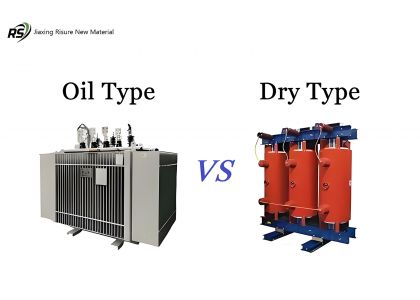
In an oil-filled transformer, the first question is not tensile strength. It is compatibility.
Transformer oil exposure can challenge the adhesive and backing. Buyers should check for adhesive migration, swelling, softening, loss of adhesion, and dimensional stability. If ester oil is involved, do not assume mineral-oil data applies.
A general statement like “oil resistant tape” is not enough. Ask for the TDS, adhesive system, compatibility statement, curing condition, and intended use. If the supplier cannot explain how the adhesive behaves in transformer oil, pause before approval.
A dry-type transformer tape faces a different environment. Instead of long-term oil exposure, the concern may be heat, resin or varnish exposure, winding pressure, vibration, abrasion, or curing.
Filament-reinforced electrical tape can make sense for lead anchoring, coil banding, winding fixation, or end-turn support. The reinforcement helps tensile holding. Glass cloth tape can make sense where heat, abrasion resistance, or shielding matters more.
Still, dry-type use is not automatically easier. Resin or varnish exposure can change adhesive behavior. Heat can affect holding. A tape that performs well in a dry-type assembly may still fail in oil-filled service. The answer comes from the application and TDS, not the product name.
Buyers compare filament-reinforced electrical tape and glass cloth tape because both may appear in coil, lead, and wrapping work. They are different product categories, but they are compared in real sourcing decisions. In many transformer projects, these two tapes are not direct substitutes.
They may appear in the same transformer, but usually at different positions. Filament-reinforced electrical tape is more often checked for holding, banding, and lead anchoring tasks where tensile support matters. Glass cloth tape is more often checked for coil wrapping, lead protection, outer insulation, abrasion resistance, or heat-exposed areas. The real question is not “which tape is better,” but “which tape fits this position?”

|
Factor |
Filament-Reinforced Electrical Tape |
Glass Cloth Tape |
|
Main value |
Tensile support, holding, banding |
Heat resistance, abrasion protection, mechanical shielding |
|
Position logic |
Holding points, banding areas, lead anchoring zones, fixation points |
Wrapping areas, lead protection zones, outer coil protection, abrasion or heat-exposed areas |
|
Typical transformer use |
Coil banding, lead anchoring, winding fixation, end-turn support |
Lead insulation, coil wrapping, outer protection, mechanical shielding |
|
Oil-filled transformer use |
Only with oil-compatible construction and verified adhesive system |
Must verify adhesive and oil compatibility |
|
Dry-type transformer use |
Useful for fixation, banding, and lead holding |
Useful where heat, resin, varnish, or abrasion matters |
|
Buyer decision trigger |
Need stronger holding or banding support |
Need heat, abrasion, or mechanical shielding |
|
Buyer caution |
Not a universal dielectric insulation material |
Glass cloth backing alone does not prove suitability |
|
Data to request |
Tensile, dielectric, peel/shear, oil/varnish compatibility |
Thermal rating, dielectric, peel/shear, resin/varnish compatibility |
The same transformer may require both tapes, but approval should be position-specific. A tape approved for lead anchoring should not automatically be approved for coil wrapping, oil exposure, or outer insulation protection.
In sourcing, problems often start when an RFQ only says “filament tape” or “glass cloth tape.” The supplier quotes a material name, while the transformer maker needs a verified construction for a specific position.
Do not confuse packaging filament tape with filament-reinforced electrical tape. Strong does not automatically mean suitable for transformer insulation work.
Do not choose only by temperature rating. A high temperature number does not tell you whether the adhesive fits transformer oil, varnish, resin, or the actual winding process.
Do not assume glass cloth tape is always the premium answer. It may be better for heat or abrasion, but not always for tensile holding or tight banding.
And do not apply dry-type experience directly to oil-filled transformers. Oil compatibility should be verified, not assumed. Material names are useful, but approval should follow application position and test data.
Before approving either tape, request a TDS and check: backing material, reinforcement type, adhesive system, dielectric strength or breakdown voltage, tensile strength and elongation, peel adhesion, shear adhesion, thermal rating or thermal class if available, oil compatibility, varnish or resin compatibility, curing condition, slitting tolerance, shelf life, batch traceability, SDS, and sample rolls.
Dielectric data should be tied to a test method and thickness. ASTM D149 and IEC 60243 are commonly referenced for dielectric breakdown testing of solid insulating materials, but they do not create a universal product approval by themselves.
Do not test only on steel panels or clean lab surfaces. Those tests are useful, but may not represent real assembly.
Test on the actual contact surface: pressboard, paper, film, conductor insulation, glass cloth, varnished surfaces, or the insulation material in your winding process. During sample testing, watch for edge lifting, adhesive residue, tape curl, fiber fraying, poor unwind, and loss of holding strength after exposure.
For oil-filled service, ask for oil compatibility information before bulk approval. For dry-type service, check resin or varnish exposure. For automated wrapping, check unwind force, slitting consistency, and lot consistency.
A useful RFQ should not only ask for “best transformer tape.” That is too vague.
Send the transformer type, oil-filled or dry-type environment, application position, contacted insulation material, tape width and thickness, wrapping process, thermal class target, oil or varnish exposure, resin exposure, required documents, and sample quantity.
A better RFQ sounds like this:
We need tape for lead anchoring in a dry-type transformer process with varnish exposure. Please recommend a suitable construction and provide TDS, SDS, adhesive system details, slitting tolerance, and sample roll availability.
That request helps suppliers recommend a construction instead of guessing from a product name.
If you are comparing tape constructions, a qualified supplier should respond with a recommended construction, TDS, and sample plan, not just a product name.
Is filament-reinforced electrical tape the same as packaging filament tape?
No. Packaging filament tape is usually designed for cartons, bundling, or pallet reinforcement. Filament-reinforced electrical tape is built for electrical assembly conditions. Buyers should verify backing, reinforcement, adhesive system, dielectric data, and process fit.
Is glass cloth tape better than filament-reinforced electrical tape for transformers?
Not always. They may be used in the same transformer project, but not necessarily at the same location. Glass cloth tape may suit heat, abrasion, wrapping, or shielding. Filament-reinforced electrical tape may suit tensile holding, coil banding, or lead anchoring. The position decides.
Can filament-reinforced electrical tape be used in oil-filled transformers?
Only when the construction and adhesive system are suitable for oil-filled service. Ask for oil compatibility information, adhesive details, and product-specific TDS before approval.
What adhesive system should buyers check for transformer tapes?
Acrylic, oil-compatible acrylic, thermosetting acrylic, synthetic rubber, and silicone adhesives may appear in different tape constructions. Ask the supplier to connect the adhesive system with oil immersion, varnish exposure, resin curing, heat exposure, or long-term holding. The adhesive name alone is not enough.
How should buyers choose between the two tapes for a new transformer project?
Start from the application position, transformer type, contacted insulation material, exposure condition, and approval test. Do not approve either tape by material name alone. Ask suppliers to explain why the construction fits your process.
These references help buyers review supplier data. They are not product compliance claims.
ASTM D149 / IEC 60243 — dielectric strength or breakdown voltage testing for solid insulating materials.
ASTM D3330/D3330M — peel adhesion testing for pressure-sensitive adhesive tapes.
ASTM D3654/D3654M — shear adhesion under constant load.
ASTM D3759/D3759M — tensile strength and elongation for pressure-sensitive tapes.
UL 1446 — electrical insulation system reference only when supported by proper documentation.
What Is Tape Used for in Transformers? Adhesive Tapes for Power Transformer Insulation Materials
Filament Tape for Transformer Insulation: Uses, Limits, and Buyer Checks
Transformer Insulation Tape Thickness and Dielectric Strength: What Buyers Should Really Check
Why Ordinary Filament Tape Can Fail in Oil-Filled Transformers