
info@jxgreentape.com
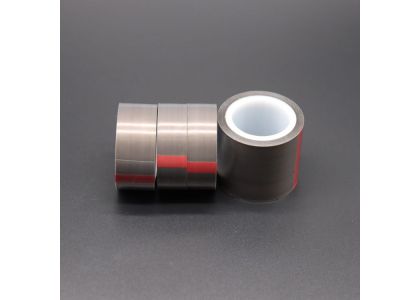
A roller can look clean at the start of a shift and still become a problem before lunch. The web begins to drag. A tape edge lifts near the same contact point. A wrinkle appears, then adhesive residue starts collecting on the roller face. The first reaction is usually to blame the tape, but that is not always where the problem starts.
With PTFE film tape on rollers, web paths, and sliding surfaces, failure usually comes from a mix of surface condition, roller diameter, web tension, tape thickness, adhesive behavior, and installation technique. The fastest way to diagnose PTFE film tape failure is not to start with the highest temperature number or the strongest tape grade. Start with the first visible failure: edge lift, wrinkle, tear, residue, or drag. Each one points to a different root cause.
PTFE film adhesive tape is often selected because it gives a smooth, low-friction, non-stick contact surface. That makes sense on rollers, formers, web paths, sliding plates, and other places where sticky materials, ink, coating, film, or adhesive-backed products need to move with less build-up. For example, 3M 5490 and 5491 PTFE extruded film tape data lists easy-release surfaces for rollers, plates, and belts, as well as low-friction surfaces on rollers and formers to help web movement.
But PTFE film tape is not a universal wear liner. It has a smooth release surface, but it does not have the same reinforced backing structure as PTFE glass cloth tape. That difference matters when the contact point sees scraping, repeated edge attack, high web tension, or sharp machine damage.
So the first question should not be “Is this tape good or bad?” A better question is: what did the tape do first when it failed?
|
First visible failure |
Likely cause |
First check |
|
Edge lifting |
Surface contamination, web tracking, wrong tape edge direction, tight wrap radius |
Inspect the lifted edge before removing the tape |
|
Wrinkling or curling |
Installation tension, small roller diameter, film memory, uneven pressure |
Check whether the tape was stretched during application |
|
Tearing |
Burrs, sharp edges, scraping contact, abrasive web, high local pressure |
Look for repeated damage at the same contact line |
|
Adhesive residue |
Adhesive aging, heat exposure, dirty surface, solvent or cleaning issue |
Test the finished tape on the actual roller surface |
|
Loss of low-friction performance |
Ink, adhesive, coating dust, resin, paper fiber, surface scratches |
Inspect under light before changing tape type |
Use the table as a first diagnosis, then confirm on the machine because contact conditions change the result.
Edge lifting is one of the most common failure patterns on PTFE film tape on rollers. It may start as a small raised corner, but once the web catches that edge, failure can move quickly.
If edge lifting always starts on the same side of a roller, I would not begin by changing tape grade. I would first check web tracking, roller alignment, burrs, surface contamination, and whether the tape edge is facing into the direction of material travel.
Common causes include oil or dust on the roller, old adhesive left behind, too much stretching during application, a tight wrap radius, heat exposure, or an adhesive that does not suit the mounting surface. If peel strength is part of the discussion, ask whether the value comes from the finished tape and under what test method, because peel adhesion is normally evaluated as a pressure-sensitive tape property rather than a generic PTFE property (ASTM D3330/D3330M covers peel adhesion testing for pressure-sensitive tapes).
The practical fix is simple but often skipped: inspect the lifted edge before removing the tape. Look for residue underneath it. Check whether the web is pulling across that edge. Run a finger carefully over the machine surface after removal. If the same spot feels rough, the next roll of tape will probably fail there too.
But what if the tape is right and the roller is wrong? That question saves buyers from repeating the same failed order.
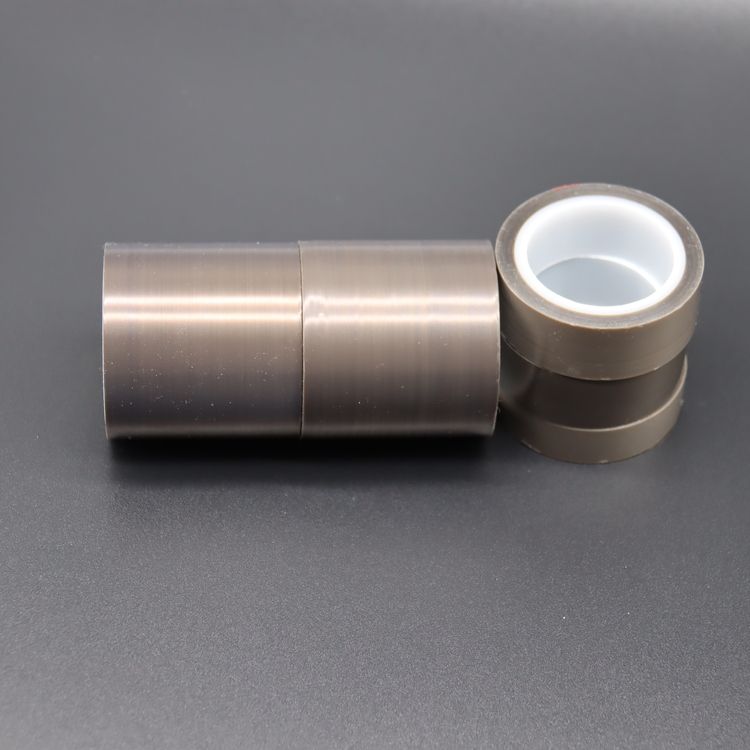
Wrinkling, curling, and tunneling usually show up when the tape is fighting the surface it was applied to. This is common on small-diameter rollers, curved parts, or long sliding surfaces where the tape was stretched to make it look neat.
A film tape may look flat during installation, then lift after the line heats up or after the roller starts turning. That does not always mean the tape is defective. It may mean the tape thickness, film memory, wrap angle, or installation tension does not match the surface.
If wrinkles appear randomly, check handling and application. If wrinkles appear in the same direction every time, look at web tension, roller geometry, and whether the tape was applied under pull. PTFE film tape should be pressed into place with controlled pressure, not pulled tight like packaging tape.
Thickness should be discussed carefully here. Total tape thickness, backing thickness, and adhesive thickness can affect how the tape sits on a roller or sliding plate, so buyers should compare values from the finished tape datasheet rather than guessing from the product name alone (ASTM D3652/D3652M is commonly used for pressure-sensitive tape thickness measurement).
Film tearing is different from edge lift. It usually points to mechanical stress. A sharp edge, burr, abrasive web, scraping contact, high local pressure, or repeated contact at the same line can cut through PTFE film tape.
If tearing happens in random places, handling or installation damage may be involved. If it tears at the same line every time, the machine is probably attacking the tape. That is a strong clue, not final proof. Web tension variation, contaminated material, or a damaged roll surface can also be involved.
A clean cut at the same spot is usually a machine clue, not just a tape clue.
This is where PTFE film tape may be the wrong construction. Film tape gives a smooth release surface, but it is not the strongest choice for puncture risk or heavy abrasion. If your current tape keeps tearing, do not keep ordering the same type just because it is PTFE. Check whether a reinforced PTFE glass cloth tape, filled low-friction tape, or another wear-resistant material is a better trial.
For mechanical comparison, tensile strength and elongation should come from the finished pressure-sensitive tape data, not from a general PTFE resin description (ASTM D3759/D3759M covers tensile strength at break and elongation for pressure-sensitive tapes and labels).
When buyers mention PTFE film tape residue, the PTFE surface often gets blamed first. In many cases, the residue has more to do with the adhesive, the mounting surface, heat exposure, cleaning method, or how long the tape stayed in service.
Many PTFE film tapes use silicone adhesive, so clean removal or residue behavior should be checked as a finished tape property, not assumed from the PTFE surface alone. Heat and dwell time can also change how the adhesive releases from the roller surface. A tape may remove cleanly during a short room-temperature test but behave differently after days on a warm roller or sliding plate.
Clean during a demo is not always clean after three shifts.
Do not ask only for “no residue tape.” Ask under what condition residue matters. After what temperature? After how many hours or shifts? On stainless steel, aluminum, coated metal, or rubber-covered rollers? After which cleaning method?
If residue is unacceptable, test the finished tape on the actual surface. Generic PTFE properties do not tell you enough about adhesive-aged removal.
Sometimes the tape has not failed mechanically. The surface has failed functionally.
A low friction PTFE tape can lose its benefit if the surface becomes covered with ink, adhesive, coating dust, resin, film residue, or paper fibers. The PTFE film may still be intact, but the web is no longer sliding on clean PTFE.
Before changing tape type, inspect the surface under light. Is the PTFE scratched? Is it glazed with residue? Is the build-up soft, burned, oily, or powdery? Those details matter.
If the surface is contaminated but not damaged, the fix may be cleaning frequency, contact pressure, or upstream process control. If the surface is scratched or cut, the contact point is too aggressive for the film tape, or the machine surface needs repair.
In some cases, cleaning can restore performance. In other cases, the tape should be replaced. The dividing line is simple: if the PTFE surface is only covered, clean and test it; if it is cut, gouged, or permanently glazed, replacement is usually the safer trial.
PTFE tape for rollers does not work in isolation. It becomes part of a moving contact system.
Roller diameter affects how much bending stress the tape sees. Web tension affects edge loading. Contact angle determines how much of the tape is under pressure. Speed affects friction and heat. The web material may be soft, abrasive, printed, coated, dusty, or sticky.
That is why the same adhesive-backed PTFE film tape can work well in one factory and fail quickly in another. One line may have a wide roller and moderate web tension. Another may have a smaller roller, sharper contact angle, and more aggressive residue. Same tape, different result.
For B2B sourcing, this is the useful point: compare samples on the machine, not only on a desk. A smooth sample panel tells you very little about roller wrap performance.
A first inquiry does not need to sound like an engineering report. In real purchasing, most buyers do not know every parameter. That is fine.
The first message should include the basics: a photo of the machine area, a photo of the failed tape before removal, where the tape is used, what failed first, current tape width, and approximate thickness if known. A note such as “edge lifts on the drive-side roller after two shifts” is already useful.
Helpful details can follow later: roller diameter, web material, web speed, operating temperature, cleaning method, contact pressure if known, and expected replacement interval.
The goal is not to fill in a perfect form. The goal is to help the supplier see whether the failure is caused by installation, surface condition, adhesive behavior, or the wrong tape construction.
If you are comparing PTFE film tape for rollers, web paths, or sliding contact surfaces, send the failed tape photo, roller diameter, web material, operating temperature, cleaning method, and first failure pattern. These details help narrow the trial direction before bulk ordering.
Why does PTFE film tape lift at the edge?
Edge lifting is often linked to surface contamination, web drag direction, roller alignment, installation tension, small wrap radius, heat exposure, or damaged machine edges. Check where the lifting starts before changing tape grade.
Can PTFE film tape be used on rollers?
Yes. PTFE film tape is commonly used as a low-friction or easy-release surface on rollers and web paths. It usually works better when the roller surface is clean, the wrap radius is not too tight, and the web is not scraping the tape edge.
Why does PTFE film tape leave adhesive residue?
Residue may come from heat exposure, adhesive aging, surface contamination, cleaning chemicals, or leaving the tape in service too long. The finished tape datasheet and real machine testing matter more than generic PTFE material properties.
Does heat make PTFE film tape fail faster on rollers?
It can. Heat may accelerate adhesive aging, weaken edge adhesion, increase residue risk, or make installation stress show up faster. Do not rely on a generic PTFE temperature number alone; check the finished tape datasheet and test under real roller conditions.
When should I use PTFE glass cloth tape instead of PTFE film tape?
If PTFE film tape repeatedly tears, punctures, or wears through under scraping or abrasive contact, reinforced PTFE glass cloth tape may be a better trial. If surface smoothness is the main requirement, film tape may still be preferred.
How can I reduce PTFE film tape failure before bulk ordering?
Test samples on the actual roller or sliding surface. Match the tape to roller diameter, web material, speed, temperature, contact pressure, cleaning method, and the first failure pattern you are trying to solve.