
info@jxgreentape.com
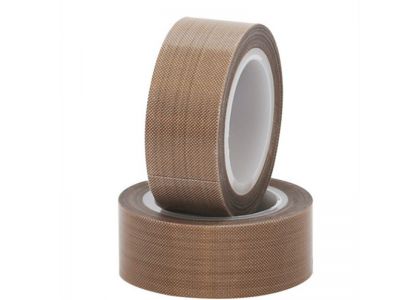
A heat sealing line does not always fail dramatically. Sometimes the first sign is small: the PTFE tape starts curling at the edge of the sealing jaw. Then the operator sees film sticking. Someone raises the temperature to improve sealing, but the tape browns faster. Someone lowers it, and the seal becomes weak. Very soon, the buyer asks the supplier the familiar question: “Can this tape withstand high temperature?”
That question sounds reasonable, but it is not specific enough.
For high-temperature PTFE tape, the biggest mistake is treating one temperature number as the full answer. The label may refer to PTFE material, PTFE coated fabric, finished adhesive tape, continuous working conditions, or short-term exposure. In real production, the tape is also affected by pressure, dwell time, silicone adhesive behavior, bar condition, cleaning method, and the metal surface it is applied to.
So the better question is not simply “Can it handle this temperature?” It is: under what heat, pressure, contact time, and failure standard will this finished tape be used?
Temperature ratings are easy to misread because they do not always describe the same thing.
One rating may describe the PTFE layer. Another may describe a PTFE coated fiberglass tape temperature range. Another may apply to the finished adhesive-backed tape. Some values are for continuous use. Some are for short exposure. Some are material limits, not process guarantees.
That difference matters in purchasing. A non-adhesive PTFE sheet, a skived PTFE tape, and a silicone adhesive-backed PTFE glass cloth tape are not the same product. They may all be called heat resistant PTFE tape, but they do not fail in the same way.
If a buyer only asks for the highest temperature number, the supplier may give a technically correct answer that still does not solve the process problem. A better inquiry explains the machine, contact material, working temperature, peak temperature, pressure, and expected service life.
In other words, the number is useful. It is just not the whole story.
A finished tape is a structure, not a single material.
The release surface may be PTFE film, skived PTFE, or PTFE coated fiberglass fabric. Under that surface, there may be woven glass cloth reinforcement. Below that, there is usually a silicone pressure-sensitive adhesive layer. Total thickness, adhesive coat weight, backing strength, and surface smoothness all change how the tape behaves.
This is why two tapes with similar temperature labels may perform differently on the same machine. One may resist wear better. One may release more smoothly. One may peel off cleanly after heat exposure. Another may stay in place but leave residue after removal.
For PTFE tape for high heat applications, the real product is the whole construction: PTFE surface, backing, coating, adhesive, thickness, and installation surface. When buyers understand that, selection becomes much more practical.
A short hot contact is not the same as long, repeated heat exposure.
In heat sealing, the tape may touch heated jaws for thousands of cycles. In mold release, it may sit through a curing cycle. On a heated plate, it may stay under pressure for a long dwell time. These are not equal conditions, even if the temperature setting looks similar.
That is why buyers should ask whether the stated PTFE tape temperature rating refers to continuous service or short-term exposure. If the datasheet does not separate them clearly, ask the supplier before ordering.
Do not assume that a short-term peak rating means the tape can run continuously at that condition. Also do not assume the machine setting equals the real tape temperature. Contact pressure, heating design, metal thickness, surface flatness, and residue build-up can all change what the tape actually experiences.
For many high-temperature release tapes, silicone adhesive is the practical choice. But “silicone adhesive” should not be treated as a magic answer.
Different silicone adhesive systems can behave differently under heat, pressure, and repeated removal. Adhesive thickness also matters. A thicker adhesive layer may help bonding on some surfaces, but it may also affect edge stability or residue risk under demanding heat exposure.
Common adhesive-side issues include edge creep, adhesive ooze, residue after removal, and weaker bonding after repeated cycles. These failures do not always mean the PTFE surface failed. Sometimes the release side still looks fine, but the adhesive side has reached its limit.
Peel adhesion data can help compare tapes, but it does not fully predict hot-process residue, edge creep, or long-cycle performance. (ASTM D3330 covers peel adhesion testing for pressure-sensitive tapes.)
For buyers, the point is simple: if clean removal matters, test removal after heat, not only initial stickiness at room temperature.
The same high temperature release tape can behave differently on different equipment.
A thin heated metal strip heats and cools quickly. A thick steel sealing bar stores heat longer. A scratched bar with film residue may create local stress points. A polished plate may allow better contact. A dirty surface may cause early lifting even if the tape quality is fine.
Heat dissipation is part of the application. A tape bonded smoothly to a clean, flat metal surface may survive longer than the same tape applied over dust, oil, old adhesive, or uneven tool marks.
This is why sample testing should use the real machine surface whenever possible. A small lab coupon is useful, but it may not show what happens on an older sealing jaw, a worn guide plate, or a resin-contaminated mold edge.
In heat sealing, buyers often focus on temperature first. That is understandable, but pressure and dwell time can damage tape just as quickly.
A sealing jaw may not be extremely hot, but if pressure is high, alignment is poor, or film residue builds up, the PTFE surface can wear faster. Operators may scrape the bar during cleaning. Sharp film edges may cut into the tape. Repeated cycles may expose weak edges.
That is why PTFE release tape temperature should be judged together with sealing quality and replacement interval. A tape that survives heat but causes unstable sealing is not a good solution. A tape that seals well for a short time but leaves adhesive residue during replacement may also create downtime.
A practical heat sealing trial should check several things: film sticking, seal consistency, edge curling, browning, residue build-up, bar cleaning, and how the tape peels off after cooling.
For mold release, temperature works together with resin, pressure, surface finish, and tape layout.
A tape may face curing cycles, resin contact, vacuum pressure, trimming, cleaning, and repeated handling. If the part surface is visible, the release surface must also avoid texture marks or seam marks. If the tape is used on a mold edge or flange, wear resistance and edge stability may matter more than perfect smoothness.
This is where buyers need to define failure clearly. Is the problem sticking? Edge lifting? Residue on the mold? Loss of release? Surface marks on the part? Fabric exposure? Short cycle life?
Without that definition, two people may look at the same tape and judge it differently. The purchasing team may focus on price and temperature rating. The operator may focus on replacement time. The quality team may focus on part appearance. A good sample trial should satisfy all three.
Tape failure is useful feedback. It points to what should be checked next.
Browning may suggest heat aging, contamination, cleaning damage, or long exposure. Edge curling may come from installation tension, adhesive softening, surface contamination, or thermal movement. Adhesive ooze may indicate too much pressure, too much heat exposure, or an adhesive system that does not match the process.
Residue after removal is especially important. It may come from overheated adhesive, long dwell time, rough metal surfaces, or incompatible cleaning methods. Loss of release may come from worn PTFE coating, film residue, resin build-up, or damaged surface.
Fabric exposure on PTFE coated fiberglass tape usually means the PTFE coating has worn through in that contact area. Uneven sealing may be caused by tape wear, jaw alignment, contamination, trapped air, or pressure imbalance.
Do not turn one symptom into one conclusion too quickly. Use the symptom as a direction for inspection.
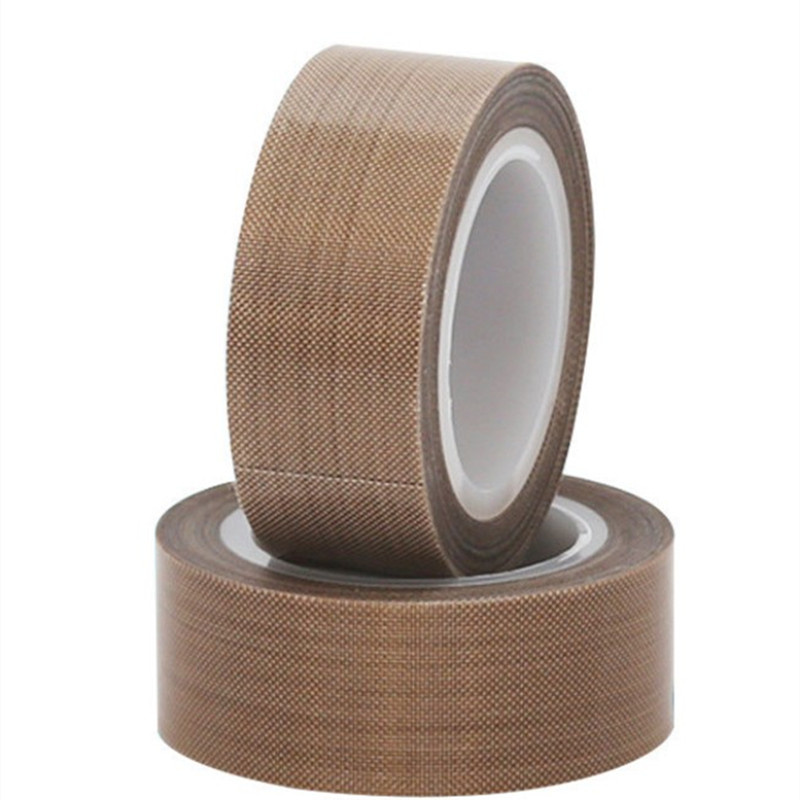
A datasheet is useful, but buyers do not need to get lost in every line. For high-temperature PTFE tape, start with four checks.
First, confirm what the temperature value applies to. Is it PTFE material, coated fiberglass fabric, skived PTFE, or the finished silicone adhesive-backed tape?
Second, check whether the value is continuous service or short-term exposure. These are not the same.
Third, look at the construction: backing type, adhesive type, total thickness, and if available, adhesive thickness. Total thickness affects clearance, conformability, heat contact, and installation behavior. (ASTM D3652 covers thickness measurement for pressure-sensitive tapes.)
Fourth, check whether the datasheet gives any clue about removal, residue, tensile strength, or elongation. Tensile and elongation values can help compare backing behavior, especially when the tape is pulled during installation or used under mechanical stress. (ASTM D3759 covers breaking strength and elongation testing for pressure-sensitive tapes.)
These values are helpful, but they do not replace a real heat sealing or release test.
This is the part many buyers skip, and it is often the part that saves the most trouble.
Before bulk ordering, test the sample close to real production. Apply it to the same surface type. Use the same cleaning method. Run the same pressure, dwell time, temperature setting, and contact material. Let the tape cool the same way it would in production before removal.
Then check the practical things: edge lift, color change, film sticking, release performance, adhesive residue, peeling condition, surface marks, and whether operators can replace it easily.
This is not a certification test. It should be done within the supplier’s recommended range, in a well-ventilated workplace, and without intentionally overheating the tape to destruction. The goal is not to prove the tape is indestructible. The goal is to see whether it behaves well under your normal process.
For B2B purchasing, this small test is often more valuable than arguing over one line in the datasheet.
A useful inquiry should include more than width, length, and target price.
Tell the supplier your working temperature, peak temperature, exposure time, contact pressure, substrate material, and cleaning method. Explain whether the tape is used on a heat sealing jaw, mold surface, guide plate, sliding surface, hot plate, or temporary release area.
Also describe the failure you want to avoid. Is your current tape browning too fast? Curling at the edge? Leaving residue? Wearing through? Causing film sticking? Creating marks on the part surface?
If clean removal is important, say so clearly. If the tape only needs to stay in place for a short production run, say that too. If you need better release, longer life, or easier replacement, rank those priorities.
A good supplier recommendation depends on your process. The more specific the process description, the less guessing is involved.
Choosing high-temperature PTFE tape is not about chasing the biggest temperature number. It is about understanding what that number means and whether it applies to the finished tape under real working conditions.
For release and heat sealing applications, buyers need to check the whole system: PTFE surface, backing, silicone adhesive, total thickness, continuous or peak exposure, pressure, dwell time, substrate heat mass, cleaning method, and failure standard.
The best approach is practical: read the temperature rating carefully, ask what it applies to, test samples on the actual equipment, and judge the tape by real failure signs. That is how buyers avoid paying for a “high-temperature” label that does not fit the process.
1. Is the PTFE material temperature rating the same as the finished tape rating?
No. PTFE material behavior and finished adhesive-backed tape performance are different. The backing, silicone adhesive, coating thickness, total thickness, and application conditions can all affect the usable performance of the tape.
2. Why does high-temperature PTFE tape leave adhesive residue?
Residue may come from adhesive aging, long heat exposure, high pressure, dirty metal surfaces, rough removal, or cleaning chemicals. It should not be judged only by the PTFE surface temperature rating.
3. Is silicone adhesive enough for all high-temperature applications?
No. Silicone adhesive is commonly used for high-temperature PTFE tapes, but each product still needs to be checked under the real process temperature, pressure, dwell time, and removal condition.
4. Can the same PTFE tape be used for heat sealing and mold release?
Sometimes, but not automatically. Heat sealing focuses on release, pressure cycles, seal quality, and replacement. Mold release may involve resin chemistry, curing cycles, part surface finish, and edge stability.
5. What should I test before buying in bulk?
Test edge lift, browning, release performance, film sticking, adhesive residue, peeling after cooling, surface marks, and replacement convenience. Use production-like conditions, not only room-temperature checks.
6. What is the most useful question to ask a supplier?
Ask whether the temperature rating applies to the finished silicone adhesive-backed tape under continuous service, short-term exposure, or only the base PTFE material. That answer often changes the selection.