
info@jxgreentape.com
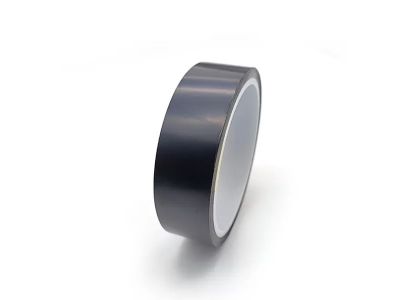
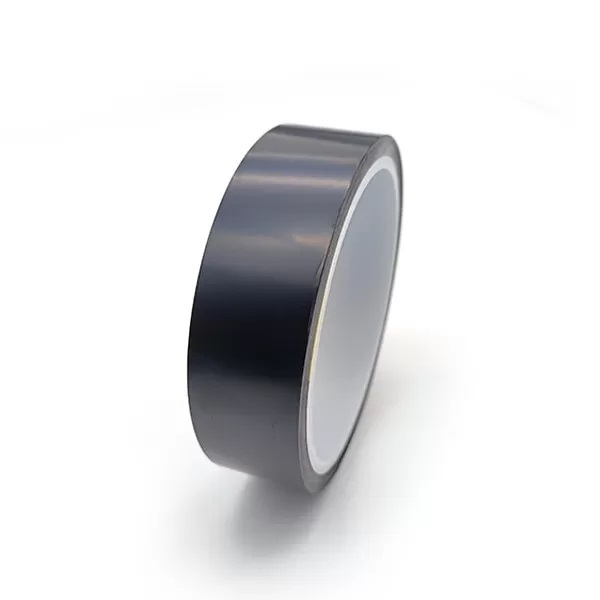
A black tape can look fine on a desk and behave very differently inside an optical module or under display inspection lighting. That is why the matte vs gloss black Kapton tape question is not just about appearance. In optical and display assemblies, the surface finish can affect glare, stray light, visual inspection, edge masking, and how cleanly the tape works in production.
Many buyers search for “black Kapton tape.” In purchasing documents, however, it is often safer to specify black polyimide tape, adhesive type, thickness, finish, and slitting tolerance. Kapton® is DuPont’s polyimide film brand, so if a project specifically requires Kapton® film, that should be written clearly in the specification. If not, the buyer should focus on the actual performance requirements instead. DuPont describes Kapton® as a polyimide film with a balance of electrical, thermal, chemical, and mechanical properties, which is why the name is widely used in electronics sourcing.
This article is not trying to prove that matte is always better than gloss, or the other way around. The real question is more practical: where will the tape sit, what kind of light will hit it, and what will happen during assembly, inspection, and removal?
The basic difference is reflection behavior. A gloss surface tends to create more mirror-like reflection, also called specular reflection. A matte surface spreads reflected light more diffusely, so it often looks softer and less shiny.
That sounds simple, but in production it can matter a lot. A tape that looks harmless under office light may create glare under AOI, side lighting, or a camera inspection system. On the other hand, a gloss finish may provide a cleaner visual edge or smoother handling in some display-related processes.
Gloss can also be measured, not just judged by eye. ASTM D523 is a recognized method for measuring specular gloss of nonmetallic specimens using 20°, 60°, and 85° glossmeter geometries. You do not need to turn a buyer’s guide into a standards document, but this does show one important point: if gloss level matters to your process, ask for data rather than relying only on a sample photo.
Matte black polyimide tape is usually the safer starting point when the tape is close to a light-sensitive area. Common examples include camera modules, optical sensors, lens housings, inspection windows, and assemblies where stray light can cause noise, glare, or inconsistent inspection results.
The useful thing about matte is not that it is “more premium.” It is that its lower-glare appearance can reduce unwanted reflections in certain optical paths. If the tape sits near a lens, sensor, LED path, or viewing window, matte is often the first finish worth testing.
But do not approve matte only because it sounds right. A textured surface may behave differently during handling, cleaning, or slitting. It may also show particles differently from gloss depending on the lighting and surface condition. The safest approach is simple: test matte and gloss samples in the same fixture, under the same light source, and on the same substrate.
Gloss black polyimide tape is not a “less technical” choice. In some display assemblies, a smoother finish may be useful for visual edge masking, clean appearance, or certain lamination and masking processes.
For example, if the tape is used around a display edge where appearance matters, gloss may provide a more uniform black line. If the tape is used as a process masking material and will later be removed, the buyer may also care more about adhesion, release behavior, and residue than about low-glare appearance.
The caution is reflection. Gloss can look clean in normal lighting but create glare under inspection cameras or angled light. If your process uses AOI, strong side lighting, or manual inspection under bright lamps, do not approve gloss from a desk sample. Put it into the actual inspection environment first.
|
Factor |
Matte Black Polyimide Tape |
Gloss Black Polyimide Tape |
|
Surface appearance |
Softer, lower-glare look |
Smoother, more reflective look |
|
Reflection behavior |
More diffused reflection |
More specular reflection |
|
Best fit |
Optical masking, stray light control, low-glare areas |
Display edge masking, clean visual finish, some process masking |
|
Typical applications |
Cameras, sensors, lens housings, inspection-sensitive areas |
LCD/OLED edges, display modules, lamination support |
|
Inspection concern |
Check surface cleanliness and particle visibility |
Check glare under AOI or angled lighting |
|
Buyer should check |
Reflectance, residue, slitting edge quality |
Gloss level, adhesion, release behavior |
|
Main caution |
Texture may affect cleaning or particle visibility |
Reflection may affect inspection or optical performance |
Surface finish is only one part of the specification. A good matte finish with the wrong adhesive can still fail. A nice-looking gloss finish can also be wrong if it leaves residue after heat exposure.
Start with the adhesive system. Many black polyimide tapes use silicone or acrylic adhesive systems, but the right choice depends on temperature exposure, removal requirements, residue risk, and the substrate. Do not accept “high temperature adhesive” as a complete answer. Ask what adhesive system is used and how it behaves after your actual process conditions.
Thickness also matters. A thicker tape may be easier to handle, but it may not fit well in a narrow camera module or tight display gap. A thinner tape can help with compact designs, but it may require tighter control during slitting, die-cutting, and application.
For optical and display assemblies, slitting quality can become a real issue. Poor edge quality, width drift, or adhesive ooze can create problems in narrow parts. If you need custom slit black polyimide tape, ask for width tolerance, edge quality expectations, and whether samples are made with the same process as bulk orders.
Before bulk orders, request matte and gloss samples from the intended production grade. Do not evaluate a random hand-cut sample if the final order will be precision slit or die-cut.
A practical sample test does not need to be complicated. Apply the tape to the real substrate. View it under the same inspection light, camera, or AOI setup used in production. Check whether matte actually reduces glare in your design. Check whether gloss creates reflections at certain angles.
Then test removal. If the part sees heat, curing, baking, or long storage, expose the sample to a similar condition before removing it. Look for residue, staining, edge lift, adhesive transfer, or surface marks.
Finally, check the edges. For camera modules, display edges, and narrow masking areas, slitting quality is not a small detail. Look at the tape edge under magnification if needed. A clean material with a poor edge can still fail in production.
The first mistake is choosing only by appearance. Matte may look safer, but it still needs the right adhesive, thickness, and residue behavior. Gloss may look too reflective on a desk but work well if it sits away from the optical path.
The second mistake is testing under the wrong light. Office lighting tells you very little. Use the same inspection angle, camera, background, and lighting used in production.
Another common mistake is treating “black Kapton tape” and “black polyimide tape” as always identical. If the film brand matters, specify it. If it does not, specify the performance requirements instead: thickness, adhesive, finish, width tolerance, and test conditions.
One more point is worth saying plainly: do not ask only for temperature resistance. For display and optical assemblies, heat-after-removal behavior may matter more. A tape that survives heat but leaves residue can still be the wrong tape.
Before approving a black polyimide tape supplier, ask questions that connect directly to your application:
· Is the film DuPont Kapton® or general black polyimide film?
· What adhesive system is used: silicone, acrylic, or another type?
· Can you provide matte and gloss samples from the intended production grade?
· What thicknesses and widths are available?
· What slitting tolerance can you hold for narrow parts?
· Can you provide adhesion, dielectric, heat-aging, residue, or gloss-level data?
· Can you support clean packing, die-cut parts, or lot traceability?
A useful supplier should help you compare both finishes under your actual production conditions. If they only answer with “matte is anti-glare” or “gloss looks better,” that is not enough for a serious B2B decision.
For custom projects, send the supplier your substrate, width, thickness requirement, operating temperature, and whether the tape is used for optical masking, insulation, display edge masking, or temporary process protection. That information is far more useful than simply asking for “the best black tape.”
1. Is matte black polyimide tape always better for optical assemblies?
No. Matte is often the safer starting point when the tape is close to a lens, sensor, LED path, or inspection window, because lower glare may help control stray light. But it still needs to be tested under the actual lighting and inspection conditions.
2. When should I choose gloss black polyimide tape?
Gloss can be a good option for display edge masking, clean visual appearance, or some process masking applications. The main caution is reflection, especially if the part is inspected under AOI, camera systems, or strong angled light.
3. Does matte or gloss finish affect adhesion?
The finish may influence surface behavior, but adhesion depends more on the adhesive system, coating design, substrate, and process conditions. Ask for data from the actual product grade, and test it on your real material before bulk orders.
4. What should I test before placing a bulk order?
Test matte and gloss samples on the actual substrate. Check appearance under production lighting, residue after heat exposure, adhesion after storage, and edge quality after slitting or die-cutting. If the tape will be used in narrow areas, confirm width tolerance as well.
5. Should I specify black Kapton tape or black polyimide tape?
For search and general communication, many buyers use “black Kapton tape.” For purchasing documents, it is safer to specify black polyimide tape, or clearly state DuPont Kapton® film if that brand is required. Also specify adhesive type, thickness, finish, and width tolerance.
6. Can black polyimide tape be custom slit for camera or display modules?
Yes, but buyers should confirm the supplier’s slitting tolerance, edge quality, roll cleanliness, and sample process. Samples should come from the same intended production method whenever possible.
If you are unsure which finish fits your assembly, test both. Send your substrate, target width, temperature exposure, inspection method, and application details. We can help recommend a matte or gloss black polyimide tape and provide samples for evaluation