
susie@jxgreentape.com
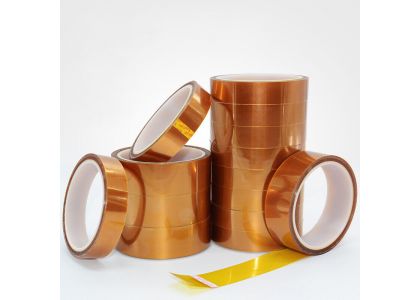
In this article, we examine how innovations from polyimide tape manufacturers, such as advanced acrylic adhesive polyimide tape and precise polyimide tape temperature control, deliver exceptional thermal stability, reliable adhesion, and versatile polyimide tape applications that streamline tin soldering workflows and boost assembly reliability. We detail material specifications including temperature range (–73 °C to 260 °C), adhesion and dielectric properties of acrylic adhesive tapes, and industry standard compliance (RoHS, REACH, ISO, UL certifications). Practical insights into precise masking techniques, automated applicators, and quality control processes are provided alongside real world feedback on reliability and process efficiency improvements.
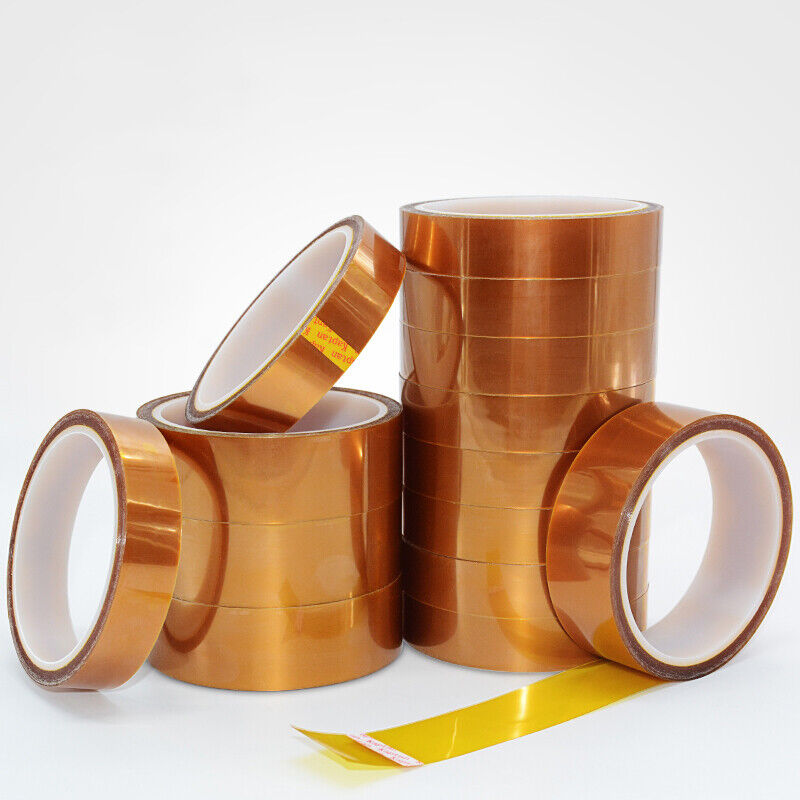
As a leading polyimide tape manufacturer, we leverage deep expertise in polyimide tape applications—from solder masking to coil insulation—to optimize tin soldering outcomes and minimize rework cycles. Our acrylic adhesive polyimide tape formulations combine strong initial tack with clean removability, ensuring components remain protected throughout high temperature cycles.By partnering with reliable polyimide tape suppliers such as Scapa, which offers single and double sided Kapton® tapes with cured silicone adhesives, we guarantee uninterrupted material flow and consistent product quality. Rigorous monitoring of polyimide tape temperature during soldering—ensuring the tape operates within its –73 °C to 260 °C range—preserves both tape integrity and solder joint performance.
High performance polyimide tapes withstand continuous service from –73 °C to 260 °C (short term peaks up to 350 °C), maintaining dimensional stability and preventing adhesive bleed under reflow and wave solder environments.
Acrylic adhesive polyimide tape offers versatile bonding: strong initial adhesion for precise masking, moderate ease of removal, and minimal residue—even after extended exposure to temperatures above 150 °C. Silicone based adhesives, as used in 3M™ Tape 5413, provide clean removal and excellent outgassing performance (TML ≤ 1.50%, CVCM ≤ 0.50%) for sensitive assemblies.
Acrylic adhesive polyimide tapes deliver dielectric strengths up to 11,500 V/mil, ensuring robust isolation of high frequency circuits and preventing electrical shorts during solder masking operations. Silicone adhesive variants achieve dielectric strengths of 7,000 V based on ASTM D 149 testing.
Applying polyimide tape applications as solder masks prevents solder bridging and flux contamination on adjacent pads. Kapton tapes conform easily to irregular surfaces, providing clean edges and residue free removal after reflow.
Integrating thermocouples under taped areas allows real time monitoring of polyimide tape temperature, enabling fine tuning of preheat (150 – 180 °C) and soak profiles to minimize thermal shock and cycle time.
Automated tape placement systems achieve ±0.1 mm accuracy for high density components (BGA/QFN), while synchronized feeding from trusted polyimide tape suppliers eliminates line stoppages, boosting throughput and yield.
Leading manufacturers produce tapes under ISO 9001 (Quality), ISO 14001 (Environmental), and ISO 45001 (Health & Safety) management systems, ensuring batch to batch consistency and traceability.
Polyimide tapes comply with EU RoHS 2 (2011/65/EU) and REACH Annex XVII, with third party reports confirming absence of restricted substances. They also meet China RoHS and Proposition 65 requirements, reflecting a global commitment to safe materials.
Products such as 3M™ Tape 1205 and 92 are UL 510A recognized flame-retardant masks rated for up to 356 °F (180 °C), providing added safety margins in soldering operations.
Industry practitioners report that reliable polyimide tape applications significantly reduce solder masking defects, with users praising Kapton® tape’s integrity under extreme heat and its clean removal, which minimizes post reflow cleaning. Creative Global Services notes that ESD polyimide tapes effectively shield gold fingers during wave soldering, preventing solder shorts and cutting rework cycles by shielding sensitive areas.
Compared to polyester or PTFE tapes, polyimide films maintain mechanical strength at 260 °C, resist chemical attack from flux residues, and deliver superior dielectric performance. Partnering with specialized polyimide tape suppliers ensures access to tailored release liners, double sided options, and custom widths to match evolving assembly challenges.
Product Selection: Engage with your polyimide tape manufacturer to evaluate tape thickness, adhesive type (acrylic vs silicone), and liner options based on specific solder profiles and PCB materials.
Process Validation: Conduct trial runs with thermocouple instrumented boards to verify the polyimide tape temperature remains within safe limits throughout reflow cycles.
Supply Chain Assurance: Establish long term agreements with certified polyimide tape suppliers to maintain safety stock and avoid line disruptions.
Operator Training: Develop SOPs that emphasize precise tape placement, proper tensioning, and residue inspection to minimize human error.
Next generation acrylic adhesive polyimide tape is incorporating nano reinforcements for enhanced tear resistance and lower outgassing. Advances in smart tape technologies—embedding RFID or thermal sensors—promote Industry 4.0 integration by offering live feedback on polyimide tape temperature and adhesion status.
By embracing these innovations from top-tier polyimide tape manufacturers and polyimide tape suppliers, electronics assemblers can achieve new heights in tin soldering quality, operational efficiency, and product reliability.
MORE:
Failure Analysis: Why Kapton Tape Fails in Continuous Oven Lines — Root Causes & Specification Fixes