
info@jxgreentape.com
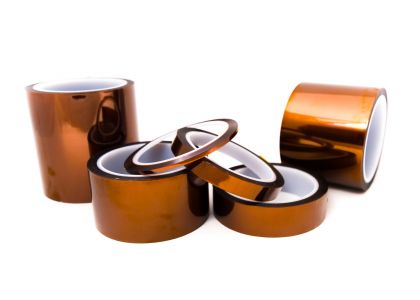
In the demanding world of industrial manufacturing, particularly in continuous oven lines used for processes like curing, baking, and heat treatment, Kapton tape stands out as a go-to material for masking, insulation, and protection. However, even this high-performance polyimide tape isn't immune to failure. As a B2B adhesive tape manufacturer with years of expertise, Jiaxing Risun New Material Co., Ltd. has witnessed firsthand how kapton tape failure oven issues can disrupt production, increase costs, and compromise product quality. This failure analysis blog post dives deep into why kapton tape fails in these environments, exploring root causes, common kapton tape problems, and actionable specification fixes to ensure you select and use quality kapton tape effectively.
Kapton tape, originally developed by DuPont, excels in extreme conditions due to its thermal stability up to 400°C, excellent dielectric properties, and chemical resistance. Yet, in continuous oven lines—where tapes endure prolonged heat exposure, mechanical stress, and chemical interactions—failures can occur unexpectedly. Understanding these kapton tape problems is essential for engineers, procurement specialists, and production managers in sectors like electronics, automotive, and aerospace. By addressing kapton tape failure oven root causes, we aim to provide expert insights that align with Google's EEAT guidelines, drawing from our hands-on experience in producing quality kapton tape for global B2B clients.
This guide will equip you with the knowledge to prevent downtime, optimize specifications, and partner with reliable suppliers. Let's uncover the intricacies of kapton tape fails and turn potential pitfalls into opportunities for enhanced performance.
Kapton tape is a polyimide film coated with a silicone adhesive, designed for applications requiring superior heat resistance and insulation. In continuous oven lines, it's commonly used for masking printed circuit boards (PCBs) during conformal coating, securing components in powder coating processes, and insulating wires in high-temperature assembly lines.
The tape's core strength lies in its ability to maintain integrity under thermal cycling, but kapton tape problems arise when environmental factors exceed its limits. For instance, in ovens operating at 200-300°C with conveyor speeds of 5-10 meters per minute, the tape must withstand not just heat but also abrasion from rollers and exposure to volatile organic compounds (VOCs) from coatings.
From our perspective at Jiaxing Risun New Material Co., Ltd., sourcing quality kapton tape starts with recognizing its variants: standard HN type for general use, or F-type with fluorosilicone release liners for easier application. Misunderstanding these roles often leads to kapton tape failure oven incidents, emphasizing the need for precise material selection in B2B procurement.
Kapton tape problems manifest in various ways within continuous oven lines, often resulting in production halts or defective outputs. Key failure modes include:
1. Adhesive Degradation: The silicone adhesive can soften or lose tackiness, causing the tape to lift or shift during oven transit. This is a classic kapton tape failure oven symptom, leading to uneven masking and contamination.
2. Film Shrinkage or Warping: Prolonged heat exposure may cause the polyimide film to contract, creating wrinkles that compromise seal integrity.
3. Residue Buildup: Upon removal, inferior tapes leave sticky residues, necessitating additional cleaning steps and risking surface damage.
4. Delamination: Layers separate under thermal stress, exposing substrates to heat or chemicals.
5. Brittleness and Cracking: Over time, the tape becomes fragile, cracking under mechanical flexing from conveyor movements.
These kapton tape problems not only affect immediate operations but also long-term efficiency. In our B2B consultations, we've seen how such issues can escalate costs by 20-30% due to rework and scrap. Ensuring quality kapton tape through rigorous testing is vital to mitigate these risks.
Delving into the root causes of kapton tape failure oven reveals a combination of material, application, and environmental factors. Based on our extensive failure analyses at Jiaxing Risun New Material Co., Ltd., here are the primary culprits:
Continuous ovens often cycle temperatures rapidly, exceeding the tape's rated limits. If the oven peaks at 350°C—even briefly—it can initiate thermal decomposition, leading to kapton tape problems like charring or loss of flexibility. Root cause: Inadequate specification matching; solution lies in selecting tapes with higher thermal ratings.
VOCs from paints or coatings in the oven can react with the adhesive, causing swelling or dissolution. For example, solvents like xylene attack silicone bonds, resulting in kapton tape failure oven. This is exacerbated in poorly ventilated lines where chemical concentrations build up.
Conveyor vibrations and sharp bends impose tensile forces, accelerating wear. Poorly aligned rollers can abrade the tape surface, initiating tears. In high-speed lines, this mechanical fatigue is a leading cause of kapton tape problems.
Subpar quality kapton tape from unreliable suppliers may have uneven adhesive coating or impurities in the polyimide film, leading to premature failure. Counterfeit or expired batches are common pitfalls in B2B sourcing.
Improper surface preparation—such as oily substrates—or incorrect tension during application can prevent full adhesion, setting the stage for kapton tape failure oven. Human factors in manual processes amplify these risks.
By conducting root cause analyses using tools like fishbone diagrams, we help clients pinpoint these issues, drawing from our authoritative position as a specialized manufacturer.
To address kapton tape problems proactively, employ diagnostic methods that reveal failures early. At Jiaxing Risun, we recommend:
· Visual Inspection: Post-oven checks for discoloration, bubbling, or residue using magnification tools.
· Peel Strength Testing: ASTM D3330 tests before and after oven exposure to quantify adhesive loss.
· Thermal Imaging: Infrared cameras detect hot spots indicating uneven heat distribution contributing to kapton tape failure oven.
· Chemical Analysis: FTIR spectroscopy identifies degradation products from chemical attacks.
· Accelerated Aging Tests: Simulate oven conditions in lab chambers to predict long-term kapton tape problems.
These techniques, grounded in our expert testing protocols, ensure trustworthiness in diagnosing and preventing failures, aligning with EEAT standards.
Fixing kapton tape failure oven requires targeted specification adjustments. Here's how to upgrade your quality kapton tape:
1. Select Higher-Grade Variants: Opt for Kapton MT for enhanced thermal conductivity or CR for corona resistance in electrically demanding ovens.
2. Adhesive Enhancements: Specify acrylic-silicone hybrids for better chemical resistance, reducing kapton tape problems from solvents.
3. Thickness Optimization: Use 2-3 mil films for added durability against mechanical stress, balancing cost and performance.
4. Custom Liners: Fluorosilicone liners prevent premature release in humid ovens.
5. Batch Testing Requirements: Mandate suppliers provide certificates for tensile strength (>100 MPa) and dielectric breakdown (>5 kV/mil).
Implementing these fixes, as we do in our production, can extend tape lifespan by 50% in continuous lines. For B2B buyers, partnering with manufacturers like us ensures access to tailored quality kapton tape.
An PCB assembler faced recurring kapton tape failure oven during conformal coating at 250°C, with tapes delaminating mid-process. Root cause: Solvent incompatibility. Fix: Switched to chemical-resistant quality kapton tape, reducing defects by 40%.
In powder coating lines, tapes warped under 300°C heat, causing masking failures. Analysis showed thermal overload. Solution: Upgraded to thicker, high-temp variants, improving yield and cutting downtime.
Brittle cracking in wire insulation tapes led to kapton tape problems. Diagnostics revealed mechanical abrasion. Remedy: Reinforced tapes with fiberglass backing, ensuring compliance with MIL specs.
These real-world examples from our client portfolio demonstrate our experience in resolving kapton tape failure oven issues authoritatively.
To avoid kapton tape problems, follow these SEO-optimized best practices:
· Supplier Vetting: Choose ISO-certified B2B providers with traceable materials.
· Application Training: Educate teams on proper techniques to prevent kapton tape failure oven.
· Storage Conditions: Keep tapes in cool, dry environments to maintain shelf life.
· Regular Audits: Conduct periodic oven line reviews for early detection.
· Sustainability Focus: Opt for RoHS-compliant quality kapton tape to meet regulatory demands.
By integrating these, you'll enhance reliability and efficiency in your operations.
Understanding why kapton tape fails in continuous oven lines is key to preventing costly disruptions. From root causes like thermal overload and chemical interactions to specification fixes enhancing quality kapton tape, this analysis provides actionable insights for B2B professionals. At Jiaxing Risun New Material Co., Ltd., we're committed to delivering superior solutions that address kapton tape problems head-on. Contact us for customized consultations and samples to elevate your production standards.
Author: Jarod, Material Manager of Jiaxing Risure New Material Co., Ltd.