
info@jxgreentape.com
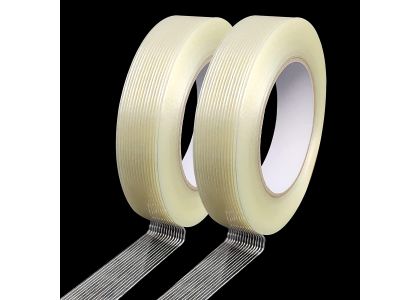
In today’s competitive electrical industry, selecting the optimal insulation solution is crucial for safety and performance. Many manufacturers now opt to use Filament Reinforced Electrical Tape, while also considering factors like oil resistant filament tape, bi directional filament insulation tape, quality filament insulation tape, and competitive filament electrical tape price. This comparative analysis examines the differences between advanced filament reinforced electrical tape and traditional electrical tapes, highlighting improvements in durability, adhesion, and overall reliability for modern applications.
1. Performance and Strength Comparison
Modern electrical systems demand adhesives that deliver high strength under varying conditions. Filament Reinforced Electrical Tape has been engineered with fiberglass strands that significantly enhance its tensile strength. In contrast, traditional electrical tapes, often made from vinyl, tend to stretch or degrade under high stress.
High Tensile Strength: The fiberglass reinforcement in Filament Reinforced Electrical Tape provides superior resistance to mechanical stress. This ensures that even in high-vibration environments, the tape maintains its bond and structural integrity.
Enhanced Durability: Traditional tapes are prone to tearing and loss of adhesion over time. On the other hand, advanced tapes like quality filament insulation tape are designed to resist wear, thereby reducing the need for frequent replacement.
Impact Resistance: When subjected to shocks or impacts, the reinforced structure of modern filament tapes significantly reduces the risk of failure. Engineers have found that using bi directional filament insulation tape in critical applications minimizes downtime and improves overall system reliability.
2. Adhesion and Environmental Resistance
A key advantage of Filament Reinforced Electrical Tape lies in its adhesive properties. Its formulation is designed to provide a robust bond to various surfaces, ensuring long-term insulation even in challenging environments.
Adhesive Reliability: Advanced adhesives used in Filament Reinforced Electrical Tape ensure a consistent bond on metals, plastics, and composites. This reliability is a significant upgrade from traditional electrical tapes, which may peel or lose adhesion over time.
Oil and Chemical Resistance: With the increasing exposure to oils and chemicals in industrial settings, oil resistant filament tape offers a distinct advantage. It maintains its insulating properties and adhesion even when exposed to harsh substances.
Temperature and Humidity Tolerance: Modern applications often require materials that can endure extreme temperature fluctuations and high humidity levels. Quality filament insulation tape meets these challenges by retaining its performance without degrading, unlike some conventional tapes that may fail under such conditions.
3. Cost Efficiency and Value Proposition
While initial costs may vary between advanced and traditional tapes, a comprehensive cost analysis reveals that Filament Reinforced Electrical Tape provides long-term economic benefits.
Lower Lifecycle Costs: Although the upfront cost of high-performance tapes may be slightly higher, the reduced frequency of replacements and maintenance results in significant cost savings over time. Many manufacturers find that investing in quality filament insulation tape leads to lower overall operational expenses.
Competitive Pricing: With market competition, suppliers now offer competitive filament electrical tape price options. This makes it feasible for companies to transition from traditional tapes without exceeding budget constraints.
Bulk Purchasing Advantages: Purchasing in larger volumes often results in volume discounts. Manufacturers who choose to buy filament insulation tape in bulk benefit from reduced unit costs and a more stable supply chain, enhancing overall cost-effectiveness.
4. Application Scenarios and Industry Case Studies
Real-world applications provide valuable insights into the practical benefits of Filament Reinforced Electrical Tape. Several case studies highlight how the transition from traditional electrical tapes to advanced filament tapes has improved both safety and performance.
Case Study 1 – Industrial Automation: An industrial automation company replaced its standard vinyl tape with Filament Reinforced Electrical Tape on critical control panels. The new tape’s enhanced adhesion and durability led to a 25% reduction in maintenance calls and improved system uptime.
Case Study 2 – Renewable Energy Systems: A solar panel manufacturer experienced better performance and longevity by integrating quality filament insulation tape into its production process. The improved adhesive properties ensured the panels maintained optimal insulation, contributing to better energy efficiency and fewer service disruptions.
Case Study 3 – Automotive Applications: In the automotive sector, the use of oil resistant filament tape has proved essential in high-temperature engine compartments. Engineers reported a noticeable improvement in insulation performance, reducing the risk of electrical faults in critical systems.
These case studies underline the value proposition of modern adhesive solutions, offering tangible benefits in cost savings, safety, and long-term reliability.
5. Technical Considerations and Best Practices
To maximize the benefits of Filament Reinforced Electrical Tape, proper application and handling are critical. Here are some best practices:
Surface Preparation: Always ensure that surfaces are clean and dry before applying tape. This preparation is essential for achieving a durable bond, whether using advanced adhesives or traditional methods.
Application Techniques: Apply the tape evenly with consistent tension to prevent wrinkles or air bubbles. For applications requiring enhanced strength, consider overlapping layers of bi directional filament insulation tape.
Quality Assurance: Implement strict quality control measures to verify that each roll of quality filament insulation tape meets performance standards. Regular inspections help identify any potential degradation early, ensuring the tape continues to perform as intended.
Supplier Coordination: Maintain strong communication with your filament insulation tape supplier. A reliable supplier not only provides competitive filament electrical tape price options but also supports technical queries and application-specific recommendations.
Adopting these best practices ensures that the full potential of modern adhesive technologies is realized, leading to improved product performance and reliability.
6. Comparative Analysis Summary
When comparing Filament Reinforced Electrical Tape to traditional electrical tapes, several key differences emerge:
Performance: The reinforced structure of modern filament tapes delivers superior strength and durability.
Adhesion: Advanced formulations provide a more reliable bond, even under challenging environmental conditions.
Cost Efficiency: Although initial costs may be higher, the long-term savings due to reduced maintenance and replacement outweigh the expense.
Application Versatility: Modern tapes are suited for a wider range of applications, from industrial automation to renewable energy systems.
These advantages illustrate why many industries are transitioning from traditional to advanced adhesive solutions.
7. Future Trends and Market Outlook
The future of electrical insulation materials is set to be defined by continuous innovation and improved performance standards. Trends indicate that:
Technological Advancements: Further research and development will likely result in even more durable and efficient Filament Reinforced Electrical Tape. Innovations may include better thermal stability, improved chemical resistance, and enhanced adhesive formulations.
Market Expansion: As industries continue to prioritize safety and energy efficiency, the demand for advanced adhesives is expected to grow. This expansion will drive increased competition, leading to more competitive filament electrical tape price offerings and broader adoption across sectors.
Sustainability Initiatives: With a growing emphasis on environmentally friendly manufacturing practices, future developments in filament tapes may focus on sustainability. This could include the use of recycled materials and greener production processes, aligning with global sustainability goals.
Manufacturers who invest in these emerging technologies will likely gain a competitive advantage, positioning themselves as leaders in the next generation of adhesive solutions.
8. Conclusion
In summary, the comparative analysis between Filament Reinforced Electrical Tape and traditional electrical tapes reveals significant advantages in strength, adhesion, cost efficiency, and application versatility. By adopting advanced adhesive solutions, manufacturers can enhance product performance, reduce long-term maintenance costs, and meet the increasingly rigorous safety and energy efficiency standards. The ongoing innovations in this field promise further improvements, ensuring that quality filament insulation tape remains at the forefront of electrical insulation materials.
As the market continues to evolve, making informed decisions based on performance and cost metrics will be crucial. Manufacturers that choose to integrate Filament Reinforced Electrical Tape into their production processes will not only achieve superior operational outcomes but also position themselves strategically for future growth.