
info@jxgreentape.com
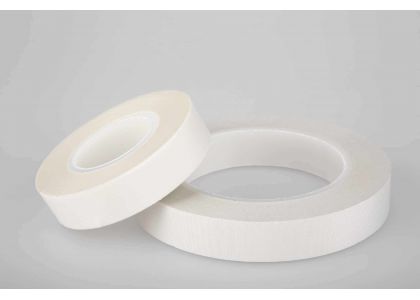
Laminators and rollers are the workhorses of many continuous production lines — from flexible-packaging lamination to composite pressing — and they operate under significant thermal and mechanical stress. Proper protection of roll surfaces reduces wear, controls nip pressure, and prevents frequent downtime. Many maintenance and engineering teams evaluate material options early, comparing performance, availability and cost. For larger programs that consume rolls regularly, sourcing at Glass cloth silicone tape wholesale price levels is common; at the same time procurement often works directly with a trusted Glass cloth tape factory for prototype slitting or die-cut parts. When geometry or adhesion needs are specific, teams order Custom glass cloth insulation tape prototypes so validation happens before full deployment.
Glass-cloth tapes combine a woven fiberglass carrier with a high-temperature adhesive or binder. That combination delivers dimensional stability, abrasion resistance and thermal endurance under continuous elevated temperatures. In laminator applications where surface temperatures often range from 180°C to 260°C, a properly specified glass-cloth wrap prevents local softening of protective layers and reduces heat transfer into roller cores and bearings. Suppliers should provide Material Data Sheets (MDS) that list continuous and short-term temperature ratings, peel and shear after thermal aging, and any chemical compatibility limitations. Working with recognized Glass cloth adhesive tape manufacturers gives you the documentation and QA needed for production reliability.
Selecting the right wrap for rollers is about maintaining process tolerances and avoiding product defects. Well-specified glass cloth tape provides:
Thermal buffering that slows conductive heat into cores and seals.
Resistance to abrasion from particulate-laden webs or grit embedded in films.
Low elongation and measured thickness so nip geometry remains stable.
Clean removal when adhesives are formulated for process windows, reducing cleaning time and avoiding residue buildup that can alter web tension.
Optional dielectric properties where heater elements or thermocouples are nearby; in those cases engineers may consult Glass cloth electrical tape china wholesalers for dielectric-rated options.
These functional advantages translate directly into fewer regrinds, longer roll life and more consistent product quality — all measurable gains on the plant’s KPI dashboard.
The market offers several constructions tailored to different line profiles:
For volume buys, negotiating Glass cloth silicone tape wholesale price terms with a factory partner yields price stability and control over lot formulation. If flexibility is needed for pilots, distributors and local suppliers will often provide multiple SKUs and faster slitting options. When a bespoke profile is required, ask your Glass cloth tape factory for sample slits or a short-run Custom glass cloth insulation tape batch to validate fit and removal characteristics.
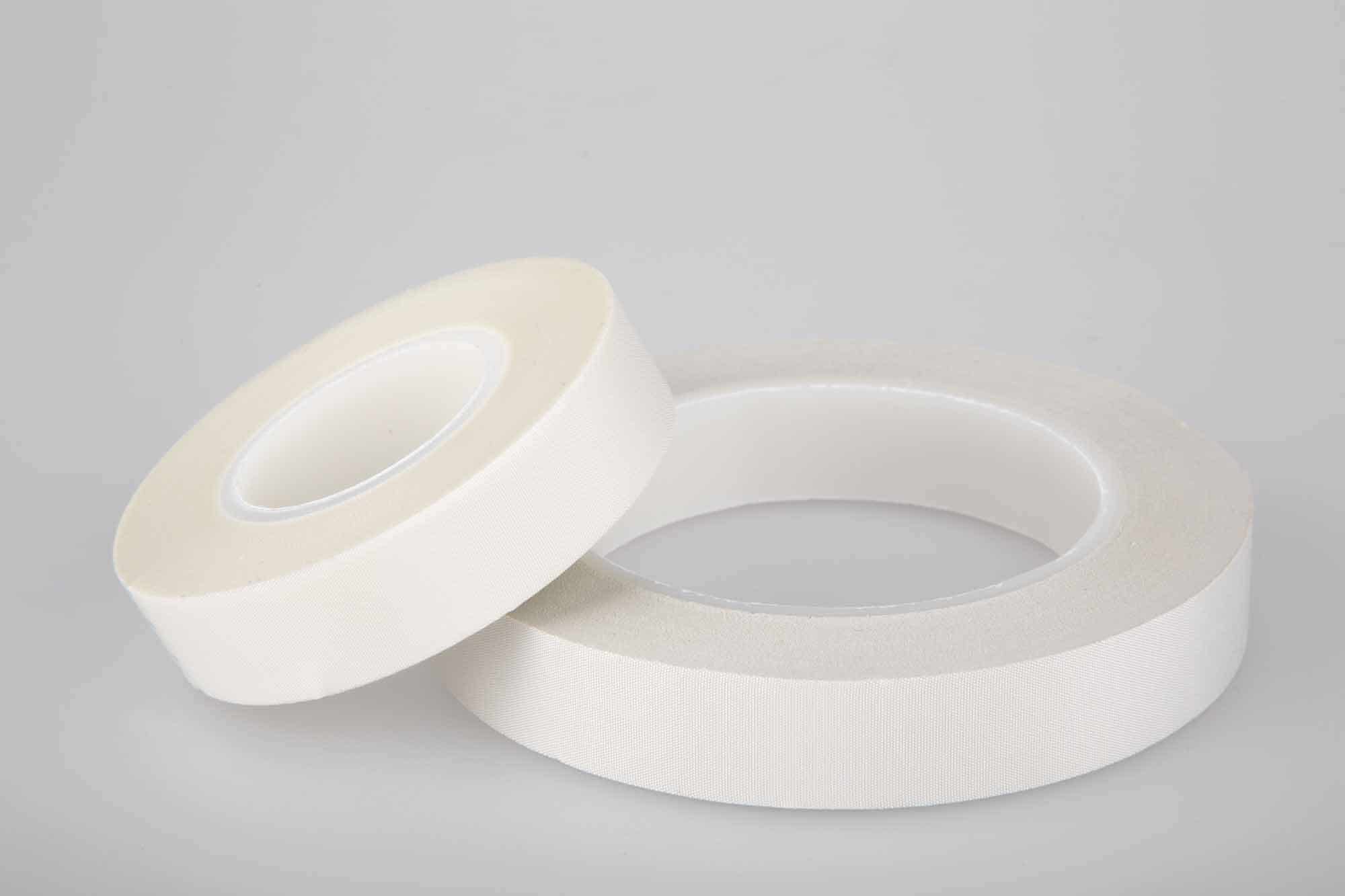
A disciplined evaluation avoids costly mistakes. Use this checklist:
Service profile — maximum continuous temperature, anticipated temperature spikes, chemical exposures (cleaners, adhesives, solvents), mechanical abrasion, roll diameter and web contact velocity.
Adhesive performance — silicone adhesives are preferred for the highest temperatures and clean removability; acrylic adhesives may work at lower temperatures but sometimes offer higher initial tack.
Weave and basis weight — tighter weaves provide smoother edges and better film laydown; heavier basis weights increase abrasion life but reduce conformability on small-diameter rolls.
Surface finish — PTFE or other low-pickup topcoats are essential when webs carry tacky coatings or adhesives.
Dimensional control — require slitting tolerances, repeatability and the option for pre-cut kits. For critical applications use Custom glass cloth insulation tape die-cuts to eliminate on-site handling.
Documentation & QA — obtain MDS, thermal-aging test reports, peel-strength after soak, and, if relevant, dielectric breakdown values. Include a first-article approval (FAI) clause for factory-directed production to lock in the validated lot.
Case 1 — Flexible-Packaging Laminator (simulated)
A packaging converter with frequent roll re-laps at 200°C trialed a heavier-basis Glass cloth silicone tape wholesale price variant with a silicone adhesive and increased cloth weight. After thermal cycling and two months of production trials the plant saw a 30% extension in roll life and more consistent film laydown. The procurement team then placed a factory run with the same adhesive coat weight to maintain lot-to-lot consistency. (Simulated example.)
Case 2 — Textile Calender Roll Protection (simulated)
A textile mill experiencing surface pickup during hot calendering moved to a PTFE-impregnated shield supplied by a regional Glass cloth adhesive tape manufacturers partner. Pickup events dropped sharply and marking incidents fell by over 60% during the next quarter, allowing the plant to extend maintenance intervals. (Simulated example.)
Case 3 — Electronic Film Laminator (realistic-style)
An electronics OEM required both thermal protection and electrical insulation for a driven roller close to heater elements. Engineers specified a dielectric-rated product sourced via Glass cloth electrical tape china wholesalers, requested MDS and batch traceability, and ran a small slitted prototype. After dielectric and thermal-soak validation the supplier was standardized across three plants, and the P.O. was updated to include first-article approval clauses.
Protecting laminators and rollers in high-temperature environments is a system-level decision: material selection, supplier validation, application practice and in-situ testing must align. Start by defining your service profile, then require MDS and verified test data from a vetted Glass cloth tape factory or trusted suppliers. For predictable large-volume needs, negotiate Factory direct glass cloth tape runs that lock formulation and lot traceability; for pilots, request small Custom glass cloth insulation tape prototypes to verify field behavior before scaling.
Procurement quick list: demand MDS and lot certificates, require FAI for factory-direct orders, run peel and thermal-soak tests in representative conditions, train applicators on overlap and tension, store rolls in controlled conditions and retain sample rolls for root-cause analysis.