
info@jxgreentape.com
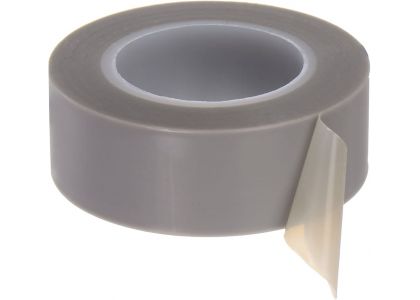
In heavy-duty manufacturing and precision engineering, small material choices have big operational consequences. Engineers and buyers increasingly specify Low Friction PTFE Polymer Film Tape because it reduces sliding friction, resists chemical attack, and preserves dimensional stability at elevated temperatures. For volume users, sourcing from a reliable Heat sealing PTFE tape wholesaler or ordering Custom Teflon Film Tape for specific widths and adhesive chemistries can shave maintenance hours and energy costs. When you evaluate materials, prioritize datasheets (TGA/DSC), peel and shear test results (for example, ASTM D3330 for peel), and supplier traceability such as ISO 9001 records and third-party lab reports (SGS, Intertek). These artifacts build the “E-E-A-T” case — documented Experience, demonstrated Expertise, authoritative data, and supplier Trustworthiness — that auditors and engineering teams require.
Gaskets and bearings demand materials that combine low friction with chemical and thermal resilience. Applied as a shim layer, a liner, or an interfacial film, Low Friction PTFE Polymer Film Tape lowers surface energy where metal slides on metal or where sealing faces meet, reducing wear and preventing galling. In sealed systems, PTFE liners maintain contact geometry under pressure and temperature cycling, improving seal life and reducing leak incidents. For plain bearings or thrust surfaces, adding a thin PTFE film can reduce start-up torque and smooth transient behavior, which in turn reduces energy spikes and prolongs motor/drive life.
Not all PTFE tapes are created equal. Commodity PTFE films without rigorous adhesive engineering often delaminate or transfer adhesive under heat, leading to contamination or surface defects. Premium quality Pure PTFE Adhesive Tape combines a high-purity PTFE film with a purpose-matched adhesive (silicone or high-temp acrylic) and consistent slit tolerances. The benefits are measurable: fewer production stops for cleaning, lower scrap rates due to surface blemishes, and predictable replacement intervals. Specify acceptance tests in your purchase order — peel (ASTM D3330), shear dwell, continuous use temperature, and thermal gravimetric analysis — and require supplier lot certificates. Those documents are the backbone of credible material selection and help satisfy internal QA and external auditors.
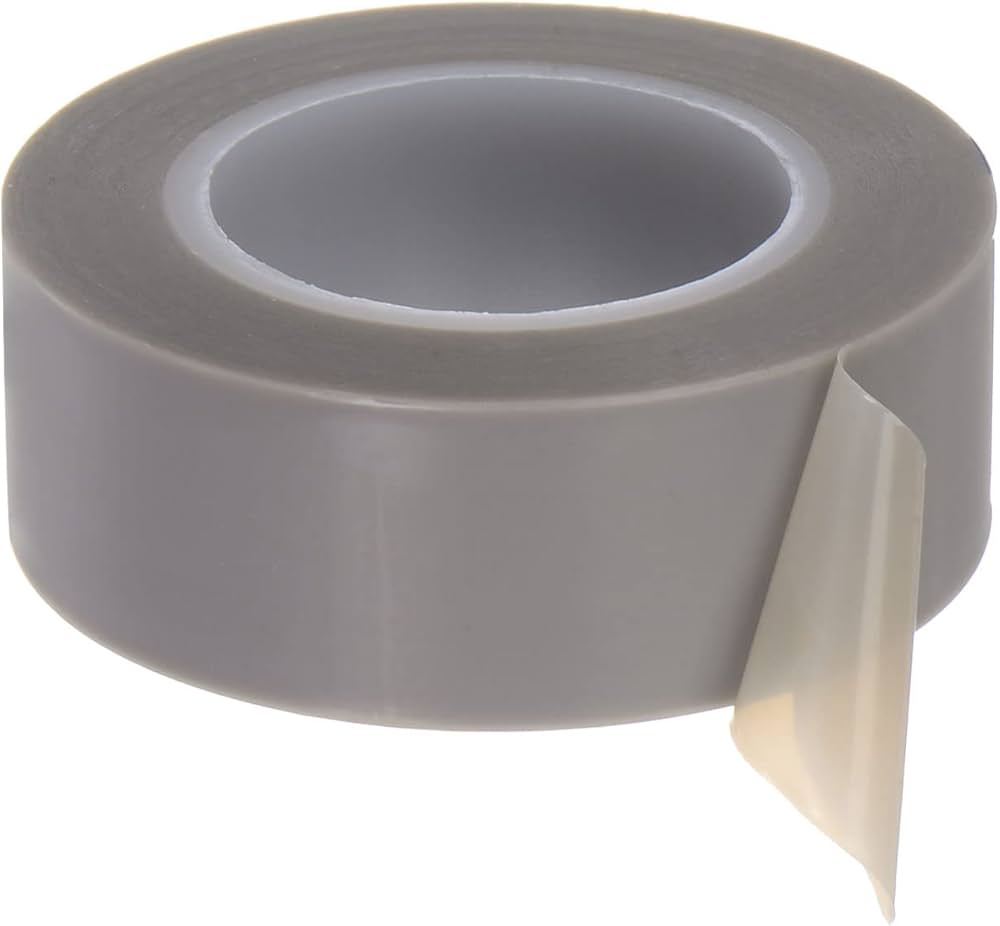
Skived PTFE films (sliced from consolidated billets) typically offer tighter thickness control and fewer voids than some cast or extruded films. This matters when you need a low profile shim with consistent sliding behavior. Low MOQ skived PTFE film tape options let development teams qualify materials without committing to large inventory. When standard widths or adhesive chemistries won’t do, Custom Teflon Film Tape lets you specify precise thickness, adhesive type (silicone for high-heat, acrylic for general use), liner style, and slit tolerances. That customization reduces retrofit work and helps integration into automated assembly lines.
Common industrial applications and performance expectations
PTFE film tape appears in many spots across facilities:
Performance expectations should be explicit. Example acceptance metrics: coefficient of friction reduction (target percent improvement vs baseline), adhesive transfer threshold (mg/cm²), allowable shrinkage after a 4-hour bake at process temperature (e.g., <0.5%), and MTBF (mean time between failures) improvement targets. Quantifying these metrics turns material choices into measurable ROI.
Case A — Automotive gasket line:
A Tier-1 engine supplier saw repeated gasket edge failures during high-temperature bake. After trialing Low Friction PTFE Polymer Film Tape as a liner, they recorded a 35% drop in field leaks and extended gasket life by two production cycles. The validation included TGA reports and a 60-day in-line pilot that tracked defect rates, enabling procurement to justify a change to a Heat sealing PTFE tape wholesaler offering lot traceability.
Case B — Heavy machinery bearing retrofit:
A manufacturer replaced a composite shim with a skived PTFE shim made from Custom Teflon Film Tape. Results: start-up current decreased by 6%, unplanned bearing replacements dropped 50% over six months, and vibration data showed smoother acceleration ramps. The team used a small MOQ pilot before scaling to larger runs.
Case C — Packaging conveyor:
A food-packaging plant switched conveyor transfer plates to Premium quality Pure PTFE Adhesive Tape. Cleaning cycles shortened by 40% because residues no longer adhered to PTFE surfaces. The plant measured line throughput before and after the change and documented energy savings from reduced idling and fewer maintenance stops.
A robust supplier qualification and validation program is essential to convert lab promises into production reliability:
Document every step. That documentation is what demonstrates experience and expertise to stakeholders, and it protects operations from supply risk.
Selecting the right PTFE tape requires both technical rigor and practical field testing. Start with a focused pilot: request three sample formulations (different adhesives or film thicknesses) from a reputable Heat sealing PTFE tape wholesaler, run side-by-side trials, and capture quantitative KPIs. If customization is required, work with your supplier to develop a Custom Teflon Film Tape specification and include acceptance criteria for a pilot lot. For facilities managing multiple lines, consolidating purchases to Premium quality Pure PTFE Adhesive Tape with documented lot traceability simplifies inventory and quality control.